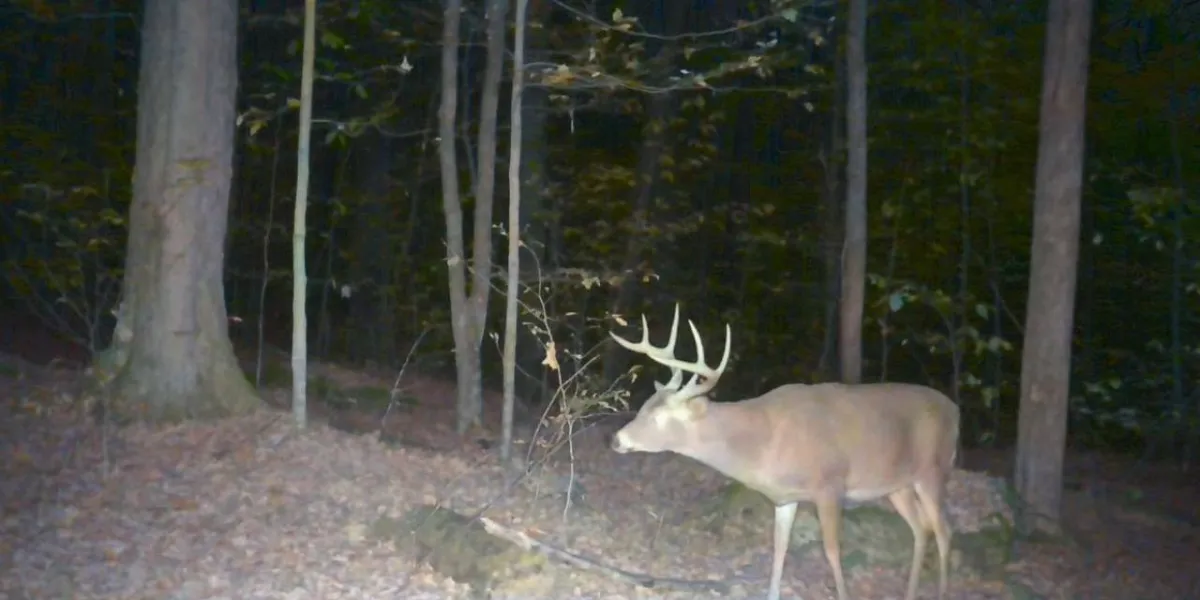
DIY Elk Hunt Planning: A Real-World Guide for Western Hunters
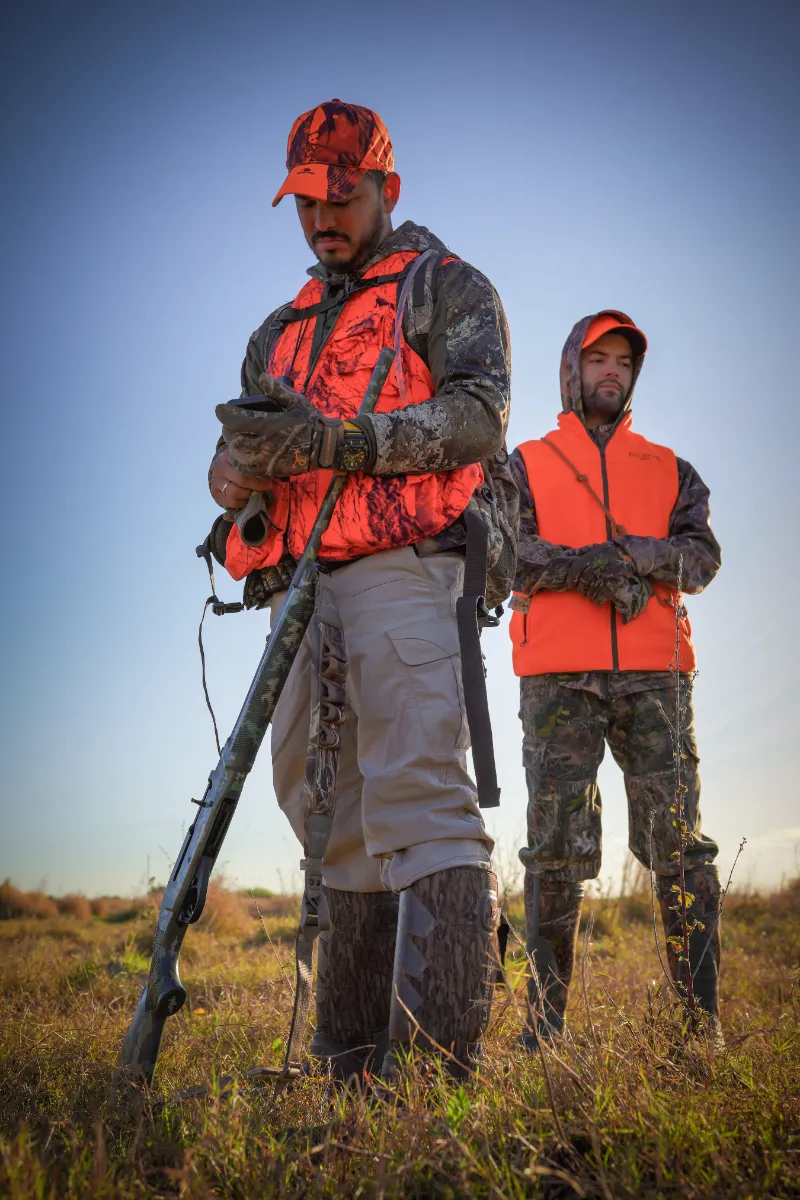
Planning a DIY elk hunt out West isn’t rocket science, but it’s not as simple as picking a map dot and lacing up your boots. You need an honest look at your time, your skills, and what you’re actually after. Here’s what matters, from one serious hunter to another.
Choosing the Right Elk Unit: More Than Just Draw Odds
Let’s get this out of the way: the best elk unit for you probably isn’t the one with the highest success rate on paper. Most of us need to balance draw odds, OTC options, and how far we’re willing to drive or pack in. Study the regulations and hunt tables for each state—TAGZ lets you compare units and see historical pressure in minutes, which saves a pile of spreadsheet headaches.
Real-World Pressure and Access
If you’re chasing elk on public land, be honest about your tolerance for other hunters. Some OTC units are absolute zoos near trailheads, but you can still get away if you’re willing to cover ground or tackle nastier terrain. Look for overlooked corners, steep benches, or deadfall pockets that most guys won’t touch. And don’t ignore private land boundaries—sometimes elk stack up just over the fence, but if you hunt smart, you can catch them slipping onto public early and late.
Scouting and Terrain: Boots on the Ground Beat Google Earth
Digital scouting is a great start. Map out water sources, bedding cover, and transition routes. But nothing replaces glassing a basin at daylight or hiking a ridge to see where the real sign is. I’ve found more elk by following fresh tracks and listening for bugles than I ever did staring at a laptop. Pressure moves elk fast—by the second day of rifle season, they’re usually deeper, steeper, or in the thickest timber around.
Honest Expectations and Hunter Behavior
Don’t buy into hype—most DIY elk hunts end with an empty tag. That’s just the truth. Set your goals accordingly. If you’re new, focus on seeing elk and learning country. If you’re more experienced, pick apart the edges of pressure and move when the crowds do. Watch wind, stay patient, and hunt smart. You’ll earn every chance you get.
How TAGZ Makes Elk Hunt Planning Simpler
Sorting through regs, stats, and draw odds takes time—TAGZ puts it all side by side so you can narrow down realistic units and figure out what fits your goals. Compare pressure, access, and season dates fast, then start dialing in your game plan. It’s not a magic bullet, but it’s a real tool for real hunters who want less guesswork.
Frequently Asked Questions: DIY Elk Hunt Planning
How far from the road should I hunt?
Most elk get pushed a mile or more from roads after opening day. I plan to hike at least 2–3 miles in if I want to find less pressured bulls.
Is scouting before the season worth it?
Absolutely. Even one weekend spent checking access points and glassing ridges can save days of wandering during the hunt.
What’s the biggest mistake first-timers make?
Sticking too close to easy access and not adapting when pressure moves elk. The best hunters are flexible and willing to work harder than the next guy.
If you want a deeper dive on draw odds or OTC strategies, check out our Western Elk Draw Odds Breakdown or Colorado OTC Elk Hunting: What’s Changing.
Was this article helpful?
Previous
Arizona Elk Travel Planning
Arizona Elk Travel Planning breaks down realistic elk planning around terrain, access, pressure, scouting, and hunter behavior so TAGZ readers can build a practical western hunt plan instead of chasing hype.
Related
Backpack Hunting Gear List for Elk Hunters — Complete Guide
Successful backpack elk hunting requires balancing comfort, mobility, and reliability. By focusing on quality packs, boots, optics, shelter systems, and essential gear, hunters can travel farther, hunt harder, and increase their chances of success in elk country.
Next
How to Field Judge Whitetail Deer — Complete Buck Scoring Guide
Field judging whitetails involves evaluating frame, tine length, beam length, mass, spread, and age. Understanding these characteristics helps hunters identify mature bucks and estimate trophy potential before deciding to shoot.