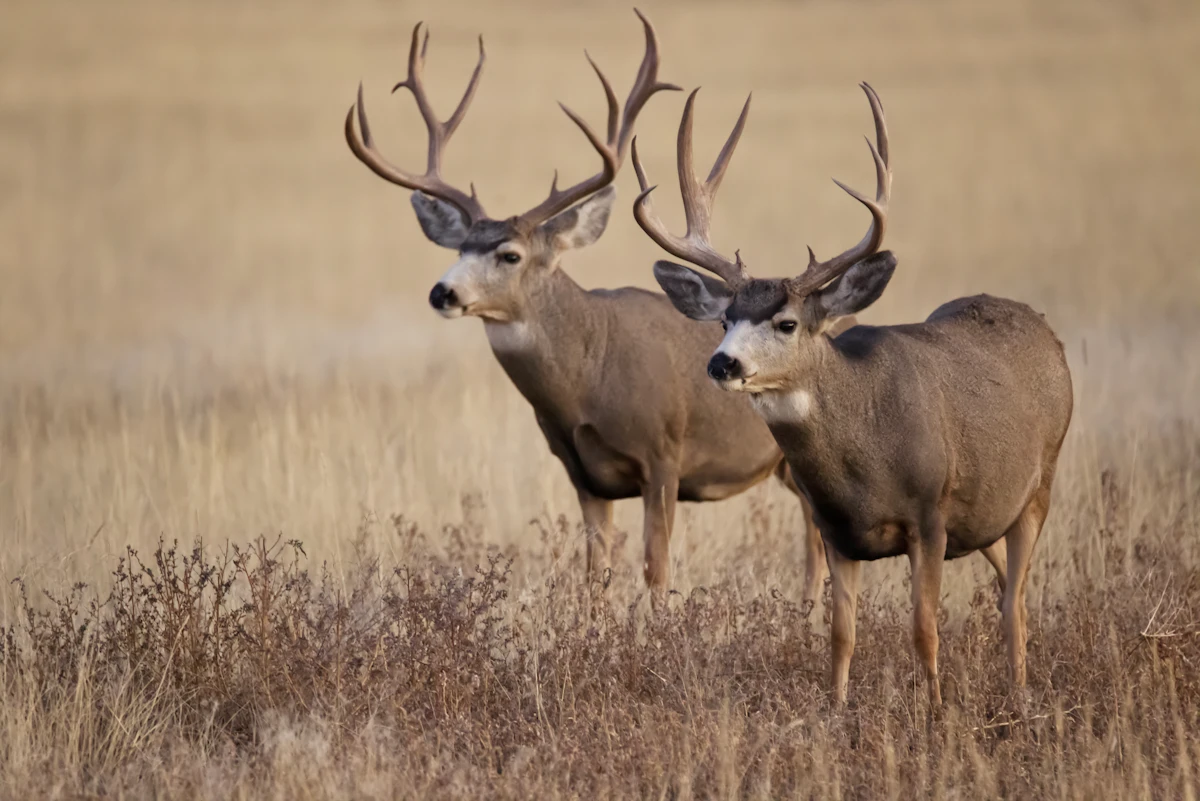
Finding North-Facing Bedding Areas for Elk: Terrain Secrets That Put You in Position
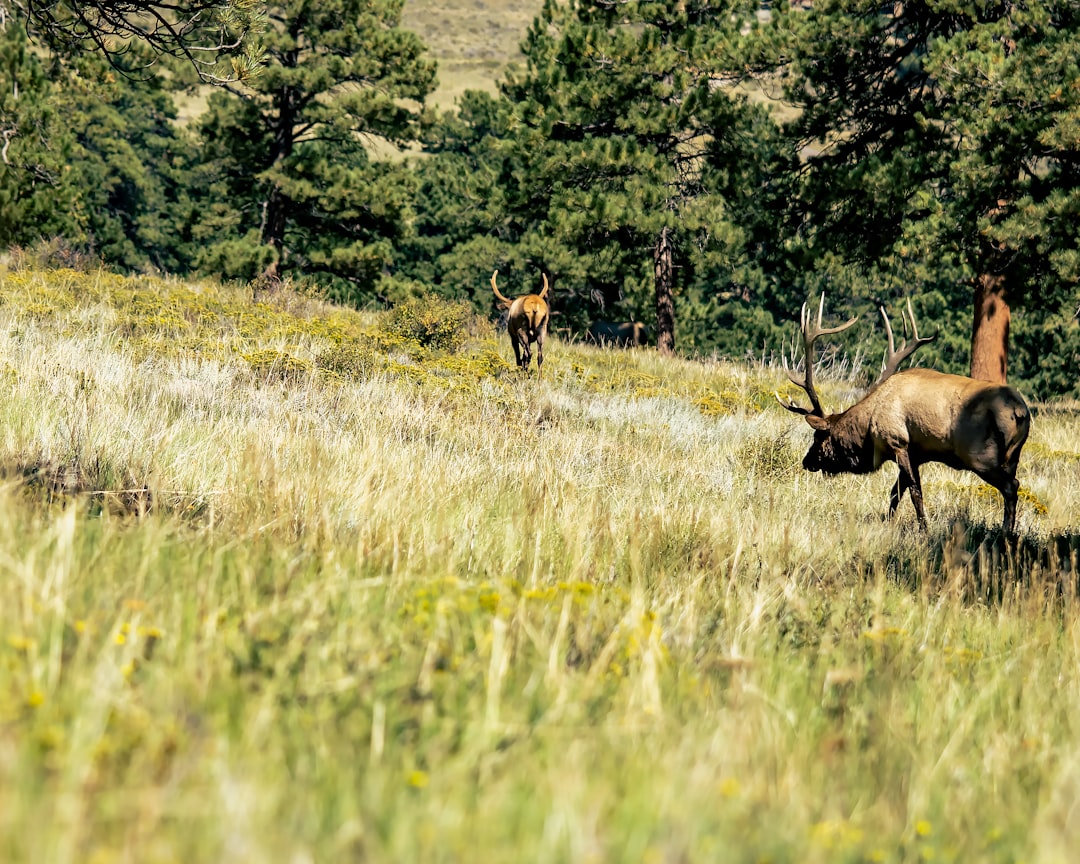
Elk don't bed randomly. During September archery hunts and early rifle seasons when temperatures climb, mature bulls and cow herds consistently choose north-facing slopes to escape the heat. These slopes stay 10–15 degrees cooler than south-facing terrain, retain morning moisture, and offer the dense cover elk need to feel secure during midday hours. If you understand how to identify north-facing bedding areas before your hunt, you can cut hours off your scouting time and position yourself where elk actually spend 70 percent of their day.
Why Elk Choose North-Facing Slopes
North-facing slopes receive less direct sunlight throughout the day, which keeps surface temperatures lower and preserves soil moisture. This creates thicker vegetation—especially in arid Western states where south-facing slopes turn to dry grass by September. Elk gravitate toward this cooler microclimate during warm weather because it reduces heat stress and provides better cover. Mature bulls, in particular, bed on north faces during the rut when they're most vulnerable and need to recover between bugling sessions.
The cooler temperatures also support denser conifer stands. Lodgepole pine, Douglas fir, and Engelmann spruce grow thicker on north slopes, creating the dark timber elk prefer for midday security. These same slopes often hold pockets of aspen in transition zones, giving you visual markers when glassing from a distance. Elk use these aspen groves as staging areas before moving into deep timber to bed.
TAGZ helps you identify these north-facing slopes before you ever step into the field. Use the terrain map layer to analyze slope direction, elevation, and vegetation density across your unit. Compare multiple units side by side to find zones where north-facing terrain intersects with water sources and open feeding areas—the trifecta of elk bedding habitat.
Reading Topographic Maps for Bedding Zones
Topographic maps reveal north-facing slopes through contour line orientation. When contour lines curve in a U-shape opening uphill, you're looking at a drainage. The slopes on either side of that drainage have different solar exposure. The left side (looking uphill) faces east and gets morning sun. The right side faces west and gets afternoon sun. The slope directly opposite the sun's path—north in the Northern Hemisphere—stays coolest.
Look for benches and saddles on these north-facing slopes between 8,500 and 10,500 feet. Elk bed on benches because they provide flat ground with downhill thermals carrying scent from below and uphill escape routes above. Saddles connecting two ridges create natural funnels where elk can monitor multiple drainages without exposing themselves on a ridgeline.
Pay attention to slope angle. Elk prefer bedding areas between 20 and 40 percent grade—steep enough to provide security and thermal advantage but not so steep they can't lie down comfortably. TAGZ terrain maps let you measure slope angle and aspect in real time, so you can identify high-probability bedding zones from your phone before your boots ever hit the trailhead.
Identifying Bedding Areas with Satellite Imagery
Satellite imagery shows you vegetation density and canopy cover that topographic maps can't capture. Dark green patches on north-facing slopes indicate thick conifer stands—prime bedding cover. Light green or tan patches show open parks or recent burns where elk won't bed during daylight. Toggle between satellite view and terrain view on your mapping app to overlay vegetation with slope direction.
Look for finger ridges extending off main ridgelines. These fingers create multiple north-facing pockets within a small area, giving elk several bedding options depending on wind direction and hunting pressure. Mature bulls especially favor these fingers because they can slip over the top and disappear into the next drainage if pressured.
Water sources near north-facing bedding areas are critical. Elk drink before bedding and again after rising in late afternoon. Springs and seeps on north slopes stay wet longer into fall, making them magnets for elk. TAGZ shows you where these water sources intersect with bedding terrain, so you can plan stand locations or glassing points that cover both.
Glassing North-Facing Slopes During Peak Activity
The best time to confirm north-facing bedding areas is early morning when elk are transitioning from feeding areas to bedding cover. Set up on a high vantage point with a spotting scope and glass the transition zones where dark timber meets open parks. Elk filter into these zones between 8:00 and 10:00 a.m., often pausing in the last aspen pockets before committing to deep cover.
Watch for cows first. A herd of cows moving into a north-facing slope often signals a mature bull is bedded 200–400 yards deeper in the timber. Bulls bed separately during the rut, positioning themselves upslope and upwind of the herd so they can monitor cow movements and detect danger from below. If you see cows enter a specific drainage, expect the herd bull to be bedded on the north face above them.
Evening sessions are equally valuable. Glass the same slopes between 4:00 and 6:00 p.m. when elk begin moving toward feeding areas. Elk rarely exit bedding cover the same way they entered. They often circle downwind to test thermals before committing to open terrain. Note these exit routes and you'll know where to position yourself for an ambush the next day.
Using Thermals and Wind to Your Advantage
Morning thermals flow downhill as cool air settles into drainages. This means elk bedded on north-facing slopes smell everything below them. You cannot approach from below during midday hunts without getting winded. Instead, plan a high route that lets you access bedding areas from above or across the slope at the same elevation.
Afternoon thermals reverse and flow uphill as the sun heats exposed slopes. This creates a brief window—usually 2:00 to 4:00 p.m.—when you can move uphill toward bedded elk without getting winded. Hunt slowly during this window, focusing on terrain features like blowdowns and rock outcrops where bulls bed with clear sightlines downhill. Expect shots inside 50 yards in thick timber.
Prevailing wind direction matters more than thermals on high ridgelines. Most Western elk units have prevailing westerly winds. Position yourself on the east side of north-facing bedding areas so prevailing winds carry your scent away from bedded elk. TAGZ lets you study wind patterns and terrain aspect together, so you can choose stand locations that keep you undetected even when thermals are unpredictable.
Common Mistakes When Hunting Bedding Areas
The biggest mistake is pushing too deep too fast. Most hunters hike aggressively into bedding areas and spook elk before they ever have a chance to set up. Elk hear footfalls and snapping branches from 300 yards in timber. Move in 50-yard increments, pausing to glass and listen for five minutes between moves. Bedded elk often reveal themselves through subtle movements—an ear flick, a shifting antler, or a cow standing to stretch.
Another mistake is hunting the same bedding area multiple days in a row. Elk adapt quickly to pressure. If you bump a bull from his bed, he'll relocate to a different north-facing slope within the same drainage system. Rotate between multiple bedding zones within your unit to keep elk guessing. TAGZ helps you identify backup bedding areas within a mile of your primary zone, so you always have fresh terrain to hunt when pressure builds.
Ignoring smaller north-facing pockets is a missed opportunity. Not every bedding area is a massive timbered slope. Small north-facing draws, shaded saddles, and even east-facing couloirs that stay shaded until noon can hold elk during warm weather. Scout these micro-terrain features with satellite imagery and you'll find overlooked bedding zones that other hunters walk past.
Pre-Season Scouting for Bedding Sign
Pre-season scouting confirms what maps suggest. Hike into suspected north-facing bedding areas in July or August and look for beds, rubs, and droppings. Elk beds are oval depressions 3–4 feet long, usually positioned under low-hanging branches where elk can see downhill while lying down. Fresh beds have compressed vegetation and a distinct smell. Old beds from previous seasons show flattened grass or bare dirt.
Rubs on north-facing slopes indicate bulls are marking territory near bedding areas. Look for rubs on 2- to 4-inch diameter trees, often clustered in groups of three or more. Bulls rub in late August and early September to remove velvet and mark core bedding zones. If you find fresh rubs in July, that area is a consistent bedding zone worth hunting.
Game trails connecting feeding areas to north-facing bedding zones are highways during September. Walk these trails in reverse—from bedding to feeding—to understand how elk move through the terrain. Note pinch points where multiple trails converge. These are ideal ambush locations for morning setups when elk are returning to bed.
How TAGZ Helps You Find Bedding Areas
TAGZ gives you the tools to identify north-facing bedding areas from your phone before you ever scout on foot. Use the terrain map layer to filter units by slope direction, elevation, and vegetation type. Compare multiple units side by side to find zones where north-facing terrain intersects with water sources, feeding areas, and low hunting pressure.
Track your preference points and bonus points across multiple states so you can target units with high-quality bedding habitat when you finally draw. TAGZ shows you historical draw data and unit boundaries, so you can focus your application strategy on units where north-facing slopes dominate the landscape. Whether you're chasing OTC tags or planning a limited-entry hunt, TAGZ gives you the decision-making platform to identify bedding areas and position yourself for success.
FAQ — North-Facing Bedding Areas
Why do elk prefer north-facing slopes over south-facing slopes?
North-facing slopes receive less direct sunlight, which keeps temperatures 10–15 degrees cooler and supports denser vegetation. Elk seek this cooler microclimate during warm weather to reduce heat stress and find better cover.
What elevation should I focus on for bedding areas?
Most elk bed between 8,500 and 10,500 feet during September and early October. Elevation varies by unit, but focus on north-facing slopes within this range that hold thick timber and nearby water.
Can I hunt bedding areas during midday?
Yes, but you must approach from above or across the slope to avoid getting winded by downhill thermals. Move slowly in 50-yard increments and expect close-range shots in thick cover.
How do I know if elk are using a specific bedding area?
Look for fresh beds, rubs, and droppings during pre-season scouting. Glass the area during morning and evening transitions to watch elk move in and out of the zone.
Do elk use the same bedding areas every year?
Yes, as long as habitat and hunting pressure remain consistent. Elk are creatures of habit and return to proven bedding zones year after year, especially mature bulls.
What if my unit doesn't have many north-facing slopes?
Focus on east-facing slopes that stay shaded until late morning or dense timber pockets that provide thermal cover regardless of aspect. Elk adapt to available terrain and seek the coolest available cover.
How does hunting pressure affect bedding areas?
Elk relocate to deeper, harder-to-reach bedding zones when pressured. After opening weekend, expect elk to bed farther from roads and trails on steeper, more remote north-facing slopes.
Should I set up near bedding areas or between bedding and feeding zones?
Set up between bedding and feeding zones during morning and evening transitions. Midday hunts require moving into bedding areas, but transition zones offer better shot opportunities with less risk of spooking elk.
Continue Planning Your Hunt
Finding north-facing bedding areas is just one piece of the hunt planning puzzle. TAGZ helps you identify bedding terrain, track draw deadlines, and compare units across multiple states so you can maximize your opportunities every season. Whether you're planning an OTC Colorado archery hunt or applying for a limited-entry Utah rifle tag, TAGZ gives you the terrain maps, draw odds, and unit research tools to make smarter decisions before you ever leave home.
Explore more western hunting strategies and unit breakdowns on the TAGZ Insights page. Ready to simplify your draw strategy and hunt planning? Check out TAGZ pricing and start tracking points, comparing units, and planning your next hunt with the platform built for serious western hunters.
Was this article helpful?
Previous
50 Guide Secrets for Killing More Elk
Professional elk guides share hard-won field tactics that consistently put hunters on bulls—from glassing techniques and shot placement to calling sequences and wind management strategies that separate successful elk hunters from those who tag out early.
Next
Best Compound Bows for Mule Deer Hunting in 2025
Choosing the right compound bow for mule deer hunting means balancing draw weight, speed, and accuracy for Western terrain. This guide breaks down the top bows for spot-and-stalk hunting, key specs to prioritize, and how to match your setup to your hunting style.