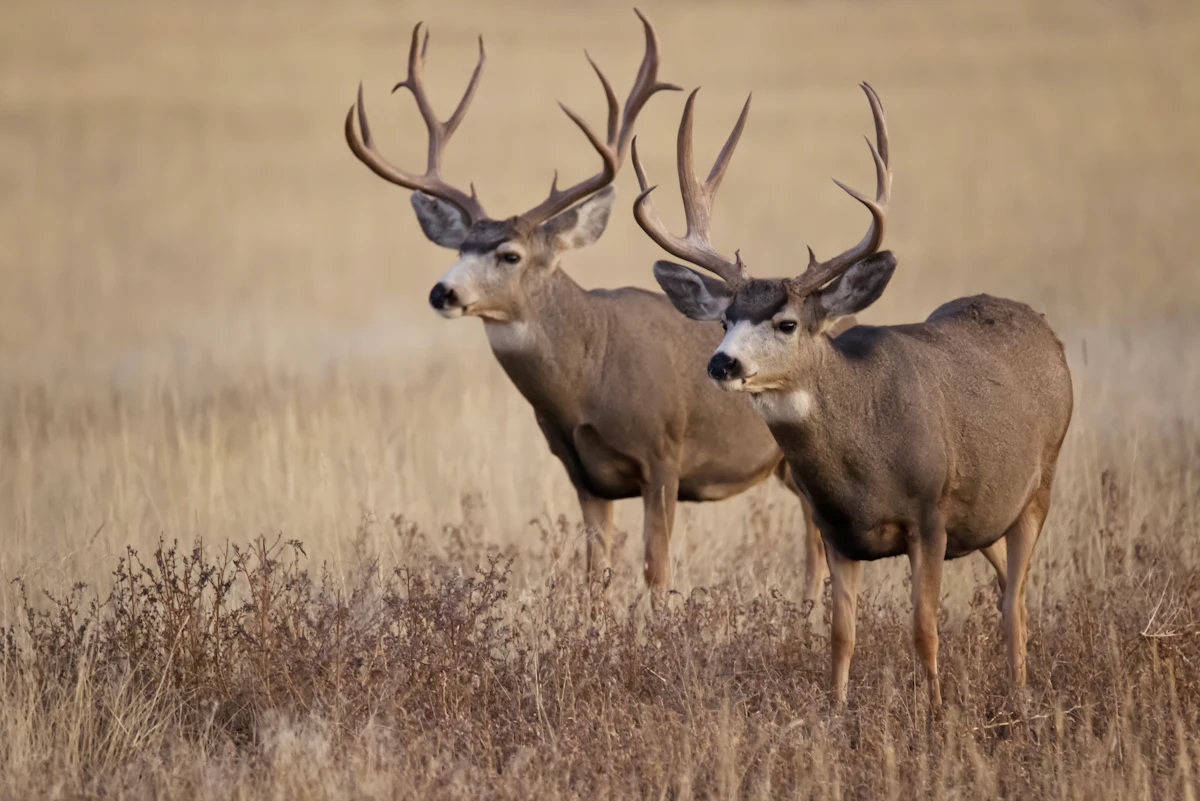
Understanding Elk Bedding Areas: Real-World Tactics for Finding and Hunting Bedding Zones
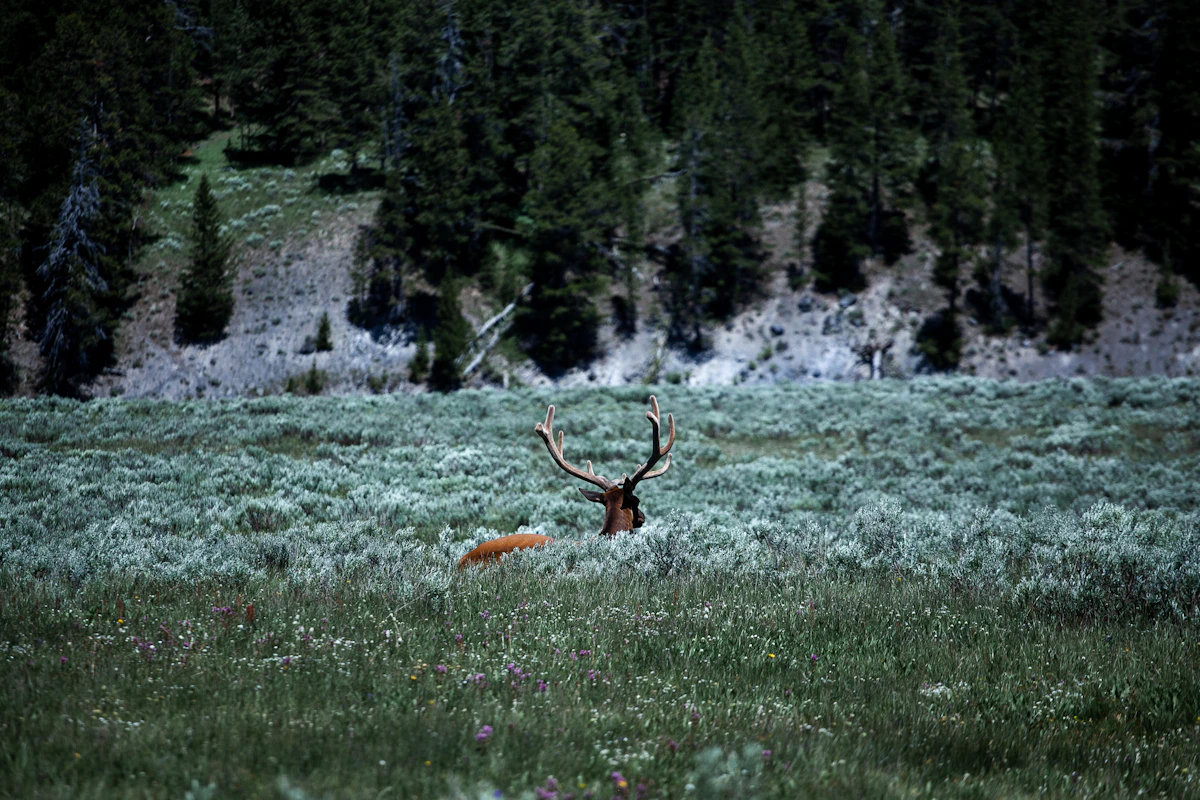
Elk bedding areas are where elk rest, ruminate, and avoid danger. If you want to consistently find elk, you need to understand where and why they bed. It’s not always textbook, but you can spot and hunt bedding areas with the right mix of scouting, reading sign, and honest expectations.
What Makes a Good Elk Bedding Area?
Elk don’t pick beds at random. They want security, shade, a decent view, and easy escape. In timber country, bedding often happens on north or east-facing slopes, under mature pines or firs, with just enough cover to break up their outline. In open country, look for benches, fingers, or the shady side of ridges with a little brush. Elk want to see or smell what’s coming, so wind direction and visibility matter. Beds are usually clustered—look for oval depressions, scat, and rubs or wallows nearby.
Terrain Features to Key On
- Benches below ridgetops
- Broken timber patches with shade
- North slopes (cooler, less direct sun)
- Leeward sides of ridges (for wind advantage)
If you’re finding a dozen beds in one spot, you’ve likely found a core bedding zone, especially if there’s fresh sign. Mature bulls sometimes bed alone in thicker cover, away from cow/calf groups.
Pressure, Hunter Behavior, and Elk Bedding Patterns
Hunting pressure changes everything. Elk that get bumped will shift bedding areas quickly, sometimes moving several miles. In heavily hunted units, expect elk to bed in tougher, steeper, or overlooked spots. Midday, they may move to secondary beds if disturbed. When the orange army arrives, elk head for pockets other hunters avoid—think deadfall jungles, steep draws, or private/public edges.
Hunter access matters. Easy roads and trails mean elk will bed farther from them, especially after opening morning. Don’t expect them to bed right off a busy access point unless pressure is low. The harder a place is to reach, the more likely elk are to use it as a safe bedding sanctuary.
Scouting and Hunting Bedding Areas: Realistic Approaches
Scouting is everything. Glassing from afar at first or last light can reveal where elk feed and then vanish to bed. Mark those travel routes. When you hike in, move slow and be aware of wind; busting a bedded elk teaches you a lesson fast. If your goal is a stalk, wait for thermals to stabilize mid-morning and approach quiet. Don’t expect to slip in on a group of cows and calves—they’re wired. Your best shot is when elk are getting up or heading out to feed in the evening.
TAGZ can help you map and compare units for terrain, access, and pressure. Use it to overlay satellite imagery, spot likely bedding zones, and plan your scouting time where it counts most.
Frequently Asked Questions: Elk Bedding Areas
How far do elk travel from bedding to feeding?
- In low pressure areas, a mile or more. In pressured units, they may feed close and bed even closer to escape routes.
How do you tell if an elk bed is fresh?
- Look for moist, flattened grass, fresh droppings, and strong elk scent. Old beds are dry and faded.
Can you hunt directly in a bedding area?
- Risky. You may blow elk out for good. Better to set up on trails leading to bedding or catch them leaving at dusk.
For more practical elk strategies, check our unit selection tips and pressure-adapted elk behavior article.
Was this article helpful?
Previous
Best New Mexico Elk Units
Best New Mexico Elk Units breaks down realistic elk planning around terrain, access, pressure, scouting, and hunter behavior so TAGZ readers can build a practical western hunt plan instead of chasing hype.
Related
Best Colorado OTC Elk Units
Colorado OTC elk hunting is changing, but hunters can still build smart opportunity hunts by focusing on access, pressure, terrain, and backup plans instead of chasing old reputations.
Next
How to Scout Mule Deer Like a Western Hunter
Get practical, boots-on-the-ground advice for scouting mule deer in the West, from e-scouting and glassing to pressure, access, and realistic expectations.