South-Facing vs North-Facing Slopes for Elk — Where to Hunt
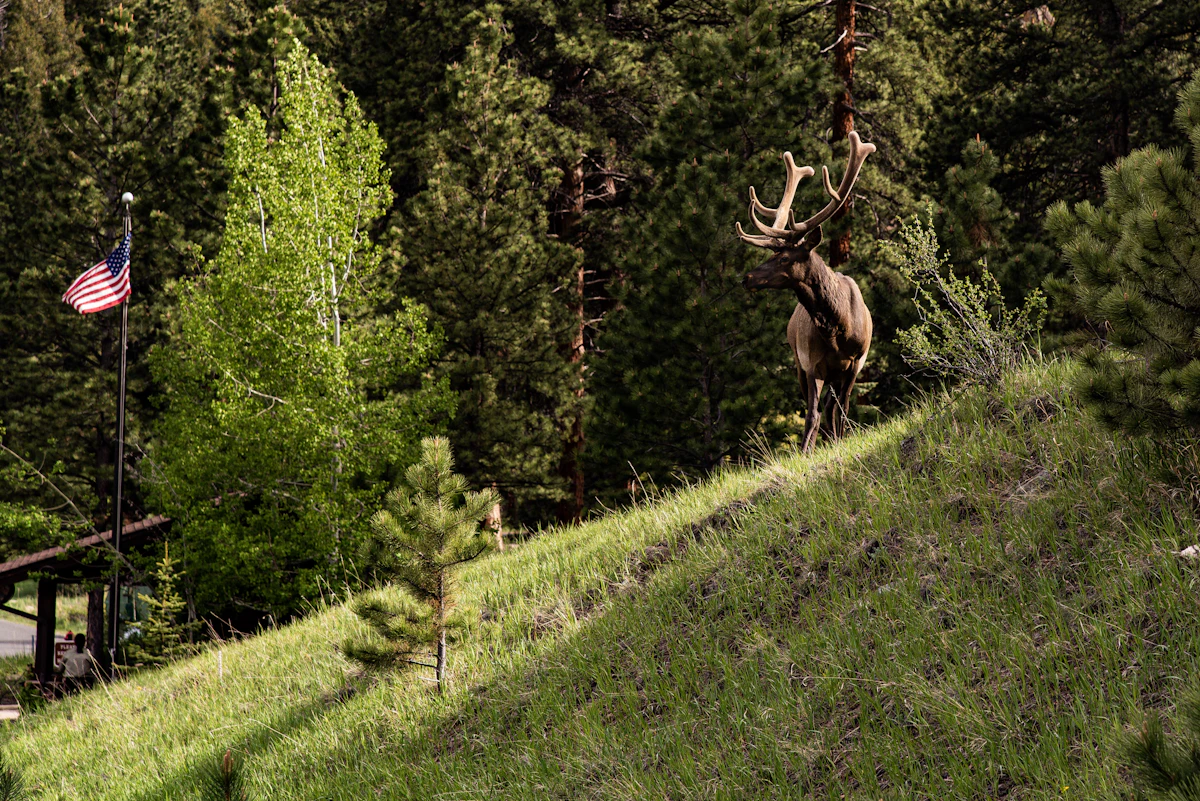
Elk move between south-facing and north-facing slopes throughout the year based on forage availability, temperature, and security cover. Understanding which slope aspect holds elk during your hunt can cut miles off your scouting and put you in position before the herd shifts. South slopes green up earlier in spring and hold feeding elk through early fall. North slopes stay cooler longer, retain moisture, and provide thermal cover during hot weather and the rut. Learning to read slope aspect on a topo map and apply it to your hunt unit is one of the simplest ways to improve success.
Why Slope Aspect Matters for Elk
Slope aspect controls sunlight exposure, which drives vegetation growth, snowmelt timing, and temperature. South-facing slopes receive direct sunlight for most of the day. They warm faster in spring, green up earlier, and dry out sooner in late summer. North-facing slopes stay shaded, hold snow longer, and retain moisture through summer. Elk respond to these differences by shifting between aspects as forage quality changes and temperatures rise.
In early spring, elk move to south slopes as soon as snow recedes because fresh green-up appears there first. By mid-summer, south slopes are dry and brittle while north slopes still hold succulent vegetation. During the September rut, bulls seek cooler north slopes for bedding and thermal relief while still feeding on green pockets wherever they exist. In late fall, elk may shift back to south slopes to avoid deep snow on north-facing terrain.
Understanding this seasonal progression lets you predict where elk will be during your hunt without relying solely on trail cameras or recent scouting reports. Terrain does not lie.
South-Facing Slopes — Early Season and Green-Up
South slopes are your target during early archery and rifle seasons when elk are still feeding heavily on fresh vegetation. These slopes green up two to four weeks earlier than north slopes at the same elevation. In late August and early September, you will often find elk feeding on south slopes at first light before moving to shaded north slopes to bed.
Glass south-facing basins and ridges at dawn. Look for elk feeding in avalanche chutes, sidehill parks, or open timber where sunlight penetrates. Fresh tracks and droppings on south slopes confirm recent feeding activity. If you are hunting a new unit, prioritize glassing south slopes during the first morning. Elk will show themselves if they are using the area.
South slopes also matter during late-season hunts after the rut when elk shift back to feeding patterns. If snow depths are manageable, elk will return to south slopes where sun exposure melts snow faster and exposes dried grasses and forbs. These slopes become critical winter range as snow deepens on north aspects.
North-Facing Slopes — Thermal Cover and Bedding
North slopes provide thermal cover when temperatures rise above 60 degrees. Elk are heat-sensitive and will move to shaded north slopes to bed during mid-morning through late afternoon. Thick timber on north slopes offers cool, dark bedding areas where elk can ruminate and avoid heat stress.
During the rut, mature bulls often bed on north slopes near feeding areas. They will feed on south slopes or in parks at night, then move uphill into north-facing timber by mid-morning. If you are calling or spot-and-stalk hunting during the rut, position yourself on the transition zone between feeding areas and north-slope bedding cover. Bulls moving between these zones at dawn and dusk are vulnerable.
North slopes also hold moisture longer, which means succulent vegetation persists through July and August when south slopes have dried out. In drought years or low-precipitation regions, north slopes become even more important for summer elk habitat. If you are hunting early September and south slopes look barren, shift your glassing to north slopes where forage quality is better.
How to Use Slope Aspect with Elevation
Slope aspect works in combination with elevation. Elk move vertically based on temperature and forage, but they also move laterally between aspects at the same elevation band. During early season hunts, elk may feed on south slopes at 8,000 feet while bedding on north slopes at 8,500 feet. The shift is not always a long vertical migration — it can be a short lateral move across a ridgeline.
Use OnX or TAGZ maps to identify elevation bands where south and north slopes meet. These transition zones are high-traffic areas during morning and evening movement. Set up glassing positions where you can see both aspects. If elk are not visible on south slopes at dawn, swing your glass across to the nearest north-facing timber. Odds are good they have already made the shift.
During rifle hunts in October and November, pay attention to snow depth. If north slopes hold two feet of snow and south slopes are bare, elk will concentrate on south aspects where movement and feeding are easier. If snow is light or absent, north slopes may still hold elk in bedding cover during midday.
Reading Slope Aspect on Topo Maps
You can identify slope aspect on a topographic map before you ever step into the field. South-facing slopes show tightly spaced contour lines dropping toward the south. North-facing slopes show contours dropping toward the north. Drainages running east-west will have one side facing south and the other facing north, creating natural transition zones.
Use the map to mark high-probability glassing points where you can observe both aspects from one location. Ridgetops between south and north slopes are ideal because elk moving between feeding and bedding areas often cross these saddles. If you can position yourself on a vantage point that overlooks both aspects, you increase your odds of spotting elk during transition periods.
TAGZ unit maps and terrain overlays help you identify slope aspect quickly. Filter units by public land and elevation, then use the terrain breakdown to find drainages and basins where elk funnel between aspects. Cross-reference this with historical draw data so you are applying for units where this terrain feature actually holds huntable elk populations.
Seasonal Strategy Summary
Here is how to adjust your approach based on slope aspect throughout the season:
Early September (archery) — Glass south slopes at dawn for feeding elk, then shift to north slopes by mid-morning as elk move into bedding cover. Focus on transition zones where elk cross between aspects.
Mid-September (rut) — Bulls will use both aspects depending on temperature and time of day. Hunt the edges of north-facing timber where bulls bed within earshot of feeding areas. Call from south-facing openings at dawn and dusk.
October (rifle) — Elk may still use north slopes if snow is light. If snow is accumulating, shift your focus to south slopes where forage is more accessible and movement is easier.
November (late rifle) — South slopes become primary habitat as snow deepens. Elk will concentrate on sun-exposed terrain where snow melts during the day and dried vegetation is available.
This is not a rigid formula. Weather, hunting pressure, and local forage conditions will modify elk behavior. But slope aspect is a reliable baseline that works across units and states.
Using TAGZ to Plan Slope-Based Strategies
TAGZ helps you apply slope aspect strategies before you submit applications. Use unit maps to identify drainages with strong north-south slope contrasts. Compare terrain features across multiple units to find areas where elk have both south-facing green-up zones and north-facing bedding cover within a single basin.
Track your preference points and filter units by draw odds so you are targeting hunts you can realistically draw within your point total. Use the deadline tracker to make sure you apply before cutoff dates in each state. TAGZ gives you the tools to make smarter decisions based on terrain, draw history, and hunt timing so you are not guessing where elk will be when your tag is valid.
FAQ — South Slopes vs North Slopes for Elk
Do elk prefer south slopes or north slopes? Elk use both depending on season and temperature. South slopes provide early green-up and feeding areas in spring and fall. North slopes offer cooler bedding cover and moisture-rich forage in summer and during the rut.
When should I hunt north-facing slopes? Hunt north slopes during warm weather from July through mid-September when elk seek thermal cover. They are also productive during the rut when bulls bed in shaded timber near feeding areas.
How does snow affect slope choice? Heavy snow pushes elk to south slopes where sun exposure melts snow faster and movement is easier. Light or no snow means elk will still use north slopes for bedding.
Can I identify slope aspect on a map before scouting? Yes. Topographic maps show contour lines dropping toward the south or north. Drainages running east-west will have one side facing each direction, creating natural transition zones.
What time of day do elk move between slopes? Elk typically move between feeding and bedding areas at dawn and dusk. During warm weather, they shift to north slopes by mid-morning and return to south slopes in late evening.
Do all elk units have strong slope aspect differences? No. Flat or plateau terrain may lack defined slope aspect. Units with steep drainages and elevation changes show the clearest aspect-driven elk movement patterns.
Was this article helpful?
Previous
Calling Elk Post-Rut: Strategies for Late-Season Success
Post-rut elk abandon bugling but still respond to strategic calling. Learn which vocalizations work after the rut, when to stay silent, and how to capitalize on feeding patterns and herd dynamics when bulls have gone quiet.
Next
How to Choose Your First Western Hunt: A Practical Guide for New Hunters
Choosing your first Western hunt means balancing species, state, and hunt type against your budget, fitness, and timeline. This guide breaks down the key decisions so you can pick a hunt that sets you up for success, not frustration.