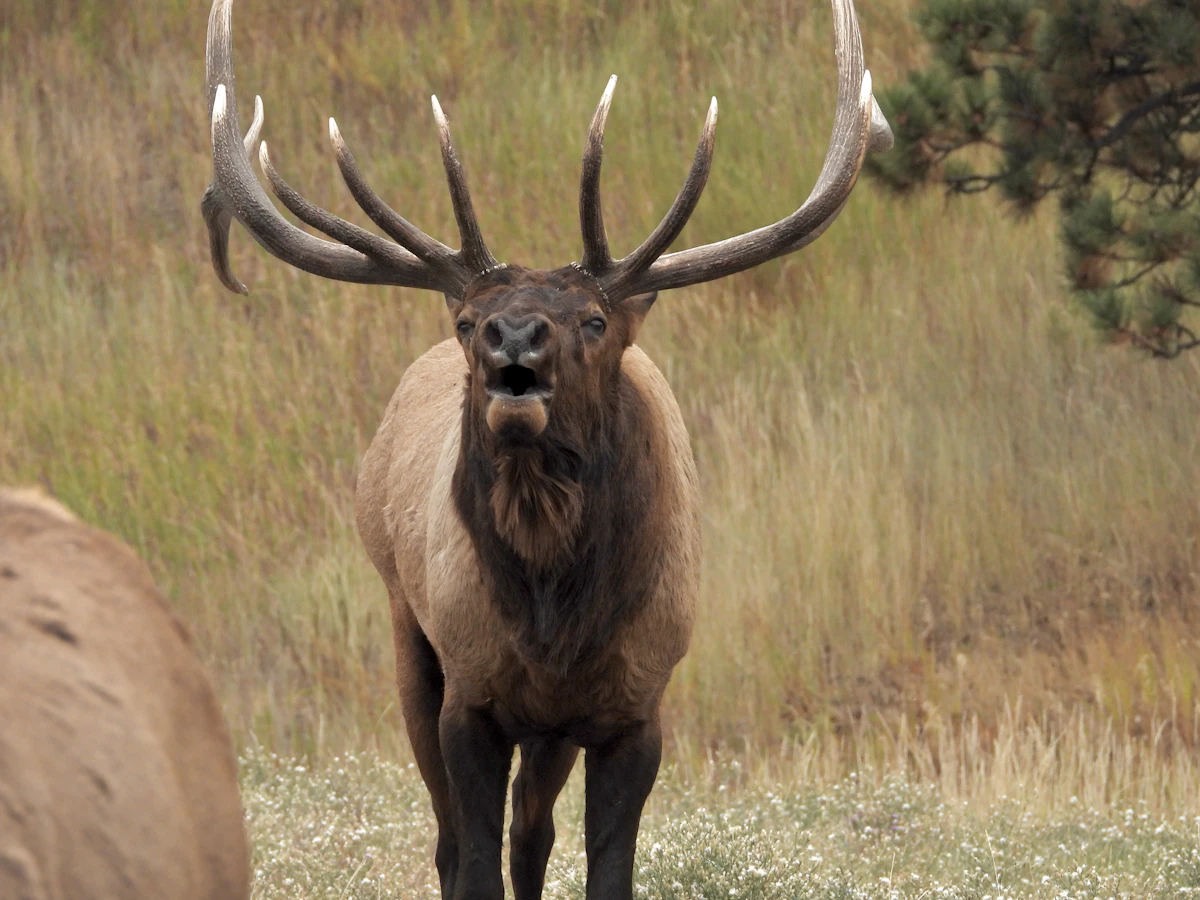
How to Call Elk in High Pressure Areas — Tactics That Still Work
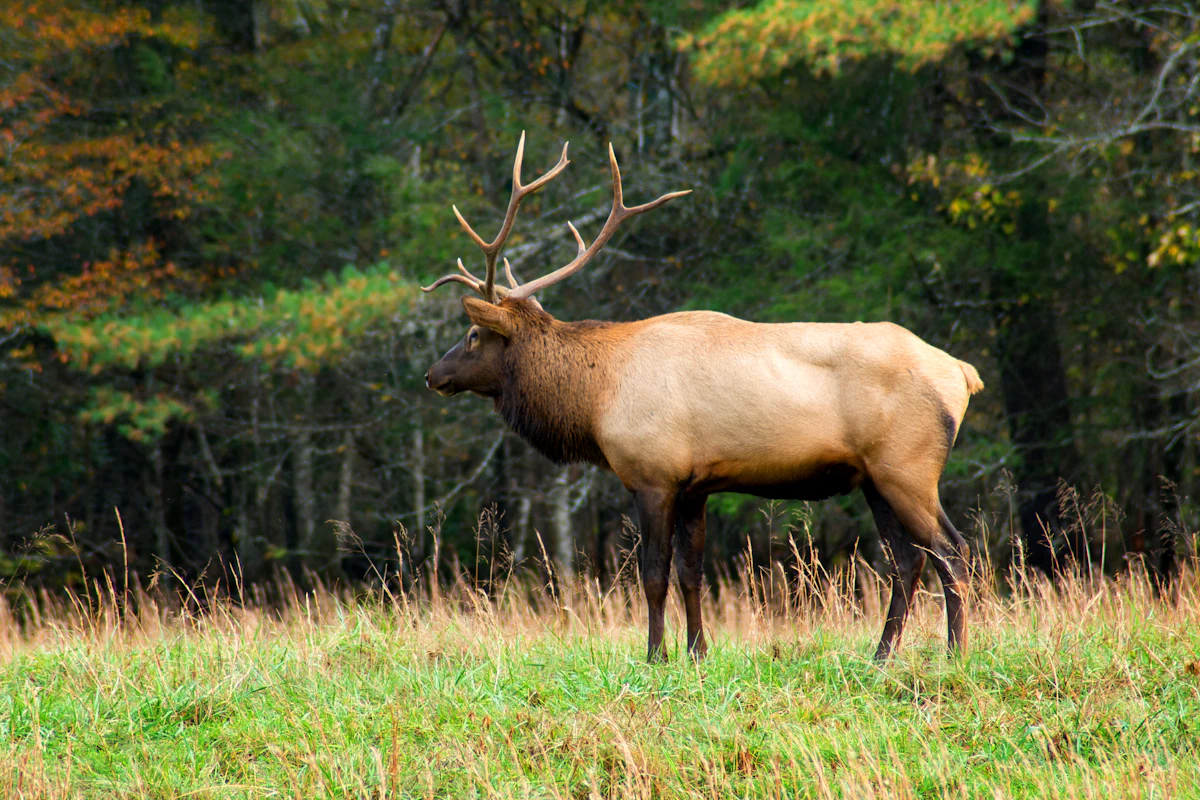
Public land elk hunting has never been more competitive. Opening week in popular units can feel like a parking lot, with bugles echoing from every ridge and frustrated hunters bumping elk all day. Traditional aggressive calling that works in wilderness settings often backfires where bulls have heard every commercial bugle and seen bright orange on every ridge.
The good news? Pressured elk still talk. They still respond to calls. You just need to speak their language differently. The tactics below come from years of guiding in Colorado's overcrowded OTC units and hunting Montana's general areas where every accessible trailhead fills before sunrise. These are the adjustments that consistently produce responses when conventional bugling gets ignored.
Why Traditional Calling Fails in Pressured Units
Elk in high-traffic areas learn fast. After a few encounters with hunters who bugle aggressively then crash through the timber, mature bulls associate loud calling with danger. They hear the same commercial bugles from every direction. They watch cows scatter at the sound of breaking branches. Within days of opening day, the rut dynamics shift.
Bulls still respond to cows in heat, but they become hyper-selective about which calls they trust. Satellite bulls that would normally challenge every bugle go silent. Herd bulls tighten their cows and move to thicker cover. The easy responses dry up, but the biological drive to breed remains. Your job is to sound like the real thing, not another hunter.
Pressure also changes elk movement patterns. Instead of feeding in open parks at first light, herds stay bedded longer. Instead of bugling from ridgetops, bulls vocalize sparingly and only when they feel secure. They favor dense timber over exposed slopes. Understanding these behavioral shifts matters more than having the perfect bugle tube.
Shift to Cow Calls as Your Primary Weapon
In pressured areas, cow calls outperform bugles by a significant margin. Bulls hear fewer cow vocalizations from hunters, so they trust them more. A lost cow mew carries less threat than a challenge bugle. Even educated bulls will investigate realistic cow talk when they ignore every bugle in the drainage.
Focus on three cow sounds: the standard mew, the estrous whine, and the alarm bark. The mew is your foundation—soft, brief, questioning. Use it when moving through timber to sound like a cow separated from the herd. The estrous whine is higher-pitched and drawn out, mimicking a receptive cow. Save this for setups when you want a bull to commit. The alarm bark is sharp and staccato, useful for stopping a bull in thick cover for a shot.
Timing and volume matter more than perfect tone. In heavy pressure, quieter is usually better. A soft mew at 50 yards sounds more natural than a loud series of calls from 300 yards. Elk have incredible hearing—they will detect subtle vocalizations that sound authentic far better than they respond to volume. Call just loud enough to be heard at your target distance, then go silent.
Location and Setup Strategies That Minimize Detection
Pressured elk use terrain differently. They avoid ridge saddles and open parks where they feel exposed. They favor north-facing slopes with heavy timber, nasty blowdown, and multiple escape routes. The spots that look hardest to hunt are often where the bulls are hiding.
When setting up, prioritize wind and cover over perfect visibility. Accept that you might only get a 30-yard shot window if it means staying undetected. Use natural funnels—thick timber edges, small clearings within dark cover, creek bottoms with limited crossing points. Elk pushed by other hunters will use these terrain features, and a well-placed caller can intercept them.
Avoid calling from obvious vantage points where other hunters might be watching. If you are on a ridge overlooking a basin, assume another hunter is glassing the same area. Instead, drop into the timber 100 yards and call from within the cover where elk actually live. This positions you closer to bedded elk and reduces the chance of calling in other hunters instead of bulls.
Use Silence and Patience to Your Advantage
The biggest mistake in pressured units is calling too much. Hunters get anxious when they do not hear responses, so they increase call frequency and volume. This telegraphs their position and reinforces that they are not real elk. Pressured bulls often go completely silent, relying on scent and sight to locate cows without revealing themselves.
After a calling sequence, wait. Really wait. Set a timer for 20 minutes if you have to. Bulls in heavy pressure will circle downwind, move painfully slow, or wait for the caller to make a mistake. If you keep calling, you give away your stationary position and lose the advantage. Silence forces the bull to commit or reveal himself by moving.
When you do call, keep sequences short—two or three cow mews, then nothing for 10-plus minutes. If a bull responds, resist the urge to immediately answer. Let him work through the silence. Mature bulls in pressured areas rarely come charging in. They approach cautiously, testing wind and looking for visual confirmation. Patience kills more bulls than aggressive calling in these situations.
Adjust Your Timing to Avoid Peak Pressure Hours
Most hunters call at first light and last light, which conditions elk to associate those times with danger. In heavily hunted units, consider adjusting your schedule. Late morning and midday can produce when other hunters have returned to camp. Bulls that stayed silent during the chaos will sometimes vocalize once pressure drops.
Midday setups work especially well near bedding areas. Elk bed in thick cover from mid-morning until late afternoon. A few soft cow calls from within that cover can pull a bedded bull to investigate without the competition of a dozen other hunters calling simultaneously. This tactic requires getting deep into dark timber and staying mobile, but it finds elk when trails are empty.
Late-season tactics also shift. As pressure mounts and the rut winds down, bulls become even less vocal. Focus on locator bugles at extreme distances—over a mile away—just to confirm elk presence. Then close distance without calling and use terrain and wind to get within bow or rifle range. Calling becomes a last resort, used only for final positioning.
How TAGZ Helps You Avoid the Crowds
TAGZ helps hunters identify less-pressured units and hunt areas within popular zones. The platform shows terrain maps, unit boundaries, and public land access points so you can locate pockets of habitat away from trailheads. Compare draw odds across units to find underrated areas with huntable elk populations and fewer applicants.
Track your preference points and bonus points across multiple states to target units that offer better solitude. Whether you are chasing limited-entry tags in Idaho or planning an OTC Colorado hunt, TAGZ gives you the data to make smarter decisions before the pressure starts. Filter hunts by weapon, season, and species to find opportunities where your calling tactics will actually work.
Calling Tactics for Different Pressure Scenarios
Not all pressure is equal. Opening weekend in an OTC unit differs from week three in a limited-entry area. Adjust your approach based on how long elk have been hunted and how many hunters are active.
Opening Week in OTC Units: Elk are vocal but skittish. Use cow calls almost exclusively. Avoid bugles unless you hear a bull actively working cows. Move quickly between setups rather than sitting in one spot. Elk are still patternable but already wary.
Mid-Season in Popular Units: Bulls have gone mostly silent. Focus on dark timber bedding areas during midday. Use soft cow mews sparingly. Rely more on spot-and-stalk and less on calling to close distance. When you do call, make it sound like a lone cow rather than an entire herd.
Late Season and Second Rifle in Colorado: The rut is fading but not over. Bulls are exhausted and less responsive. Use estrous whines sparingly in the last hour of light when bulls might be trying to locate the final receptive cows. Expect minimal response but be ready for a committed bull when it happens.
Dealing with Other Hunters in Your Setup
You will call in other hunters. It is inevitable in high-pressure areas. When you spot orange moving toward your position, stop calling immediately. Let them pass or quietly relocate. Do not try to out-call another hunter—you will just educate more elk and ruin the area for everyone.
If a hunter walks through your setup, abandon it. Move at least half a mile before calling again. Elk that detected one hunter will be on edge. Pushing the area harder just adds to the pressure. Instead, look for pockets that other hunters have already passed through. Mid-morning setups in areas that were hunted hard at first light can be productive once elk settle back down.
Coordination is impossible in public land chaos, so focus on what you can control—wind, terrain, calling volume, and timing. Hunt areas that require more effort to access. The extra mile of hiking significantly reduces competition and puts you closer to elk that have not been called to all week.
Advanced Techniques for Extreme Pressure
When even conservative cow calling fails, try these last-resort tactics:
The Silent Setup: Get into thick timber near known bedding areas and do not call at all. Just sit. Elk moving naturally through the area might present opportunities without you ever making a sound. This works best midday when other hunters have left.
Hyper-Realistic Cow Talk: Instead of perfect commercial cow calls, use mouth calls to create raspy, broken mews and chirps. Real cows are not clean and perfect. Adding imperfections makes your calling sound less like a diaphragm and more like an actual elk. Practice varying pitch, tone, and rhythm until it sounds messy and authentic.
Fawn Distress as a Locator: A fawn elk distress call is not widely used, so bulls have not been conditioned to it. Use it sparingly as a locator to see if a bull will respond with a bugle. Do not use it to pull bulls in—just to confirm presence in an area before switching to cow calls.
Continue Planning Your Hunt
TAGZ simplifies western hunt planning by giving you the tools to compare units, track deadlines, and identify better opportunities. Explore terrain maps and public land information to find elk habitat away from the crowds. Whether you are targeting your first OTC tag or managing a multi-state point strategy, TAGZ helps you make confident decisions from application season through the hunt itself.
Visit TAGZ Insights to read more tactical articles on elk hunting, unit selection, and draw strategies. Start building your hunt plan at getmytagz.com and see how the platform helps hunters nationwide maximize their success in the field.
FAQ — Calling Elk in High Pressure Areas
Do pressured elk still respond to calls?
Yes, but they respond more cautiously and selectively. Realistic cow calls outperform bugles, and subtle vocalizations work better than aggressive calling sequences. Pressured bulls will investigate calls that sound authentic and non-threatening.
Should I bugle at all in heavily hunted units?
Bugling can still work but use it sparingly and strategically. Locate bugles from long distances to find elk without revealing your position. Avoid challenge bugles unless you hear a herd bull actively working cows and can set up an ambush.
What time of day works best for calling pressured elk?
Late morning and midday produce better results in high-pressure areas because fewer hunters are active. Elk that stayed silent during first light chaos will sometimes vocalize or move once hunting pressure drops mid-morning.
How much should I call in heavily hunted areas?
Less is more. Use short sequences of two to three cow calls, then wait 15 to 20 minutes before calling again. Long periods of silence force bulls to commit or reveal themselves by moving. Over-calling is the most common mistake in pressured units.
What is the best call type for pressured elk?
Cow calls, specifically soft mews and estrous whines. Bulls in pressured areas hear fewer cow vocalizations from hunters, so they trust them more. Focus on realistic tone and natural rhythm over volume.
How do I avoid calling in other hunters?
Call from within thick timber rather than exposed ridges, and keep volume just loud enough to reach your target distance. If you spot another hunter approaching, stop calling immediately and relocate. Hunt areas that require extra effort to access to reduce hunter density.
Was this article helpful?
Previous
Best Beginner Elk Calling Setup: Essential Gear for Your First Hunt
Learn which elk calls every beginner needs, how to build a complete calling setup for under $150, and which techniques to master before your first September hunt.
Next
Best Elk Calls for 2025 — Diaphragm, Tube, and Electronic Calls Tested
Choosing the right elk call can make or break your hunt. We break down diaphragm calls, external reed calls, and electronic options with field-tested recommendations for beginners and experienced callers alike.