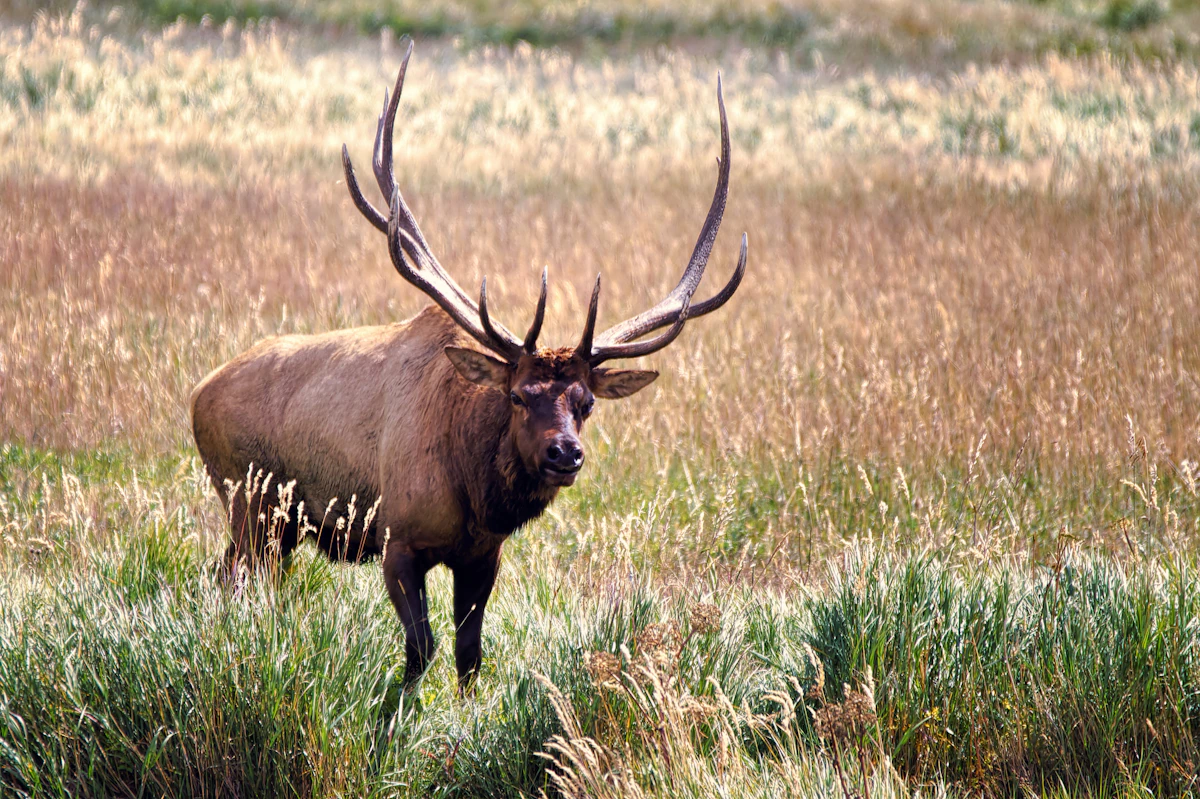
Finding Elk Without Hearing a Bugle: Silent Season Strategies
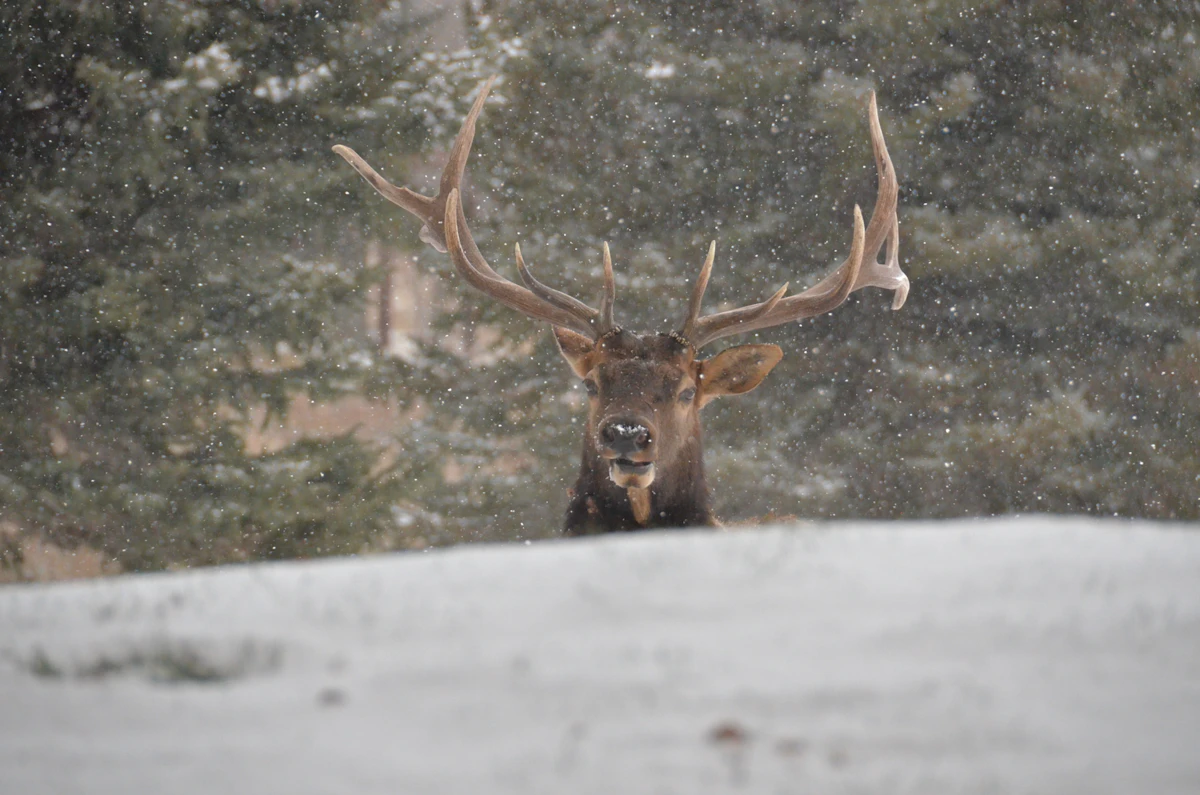
The September bugles have stopped. The woods are quiet. And suddenly, finding elk feels like starting over from scratch.
Most hunters rely on vocalizations to locate elk during the rut, but once bulls go silent in October and November, the game changes completely. Elk don't vanish — they shift into survival mode, moving cautiously between feeding and bedding areas while avoiding human pressure. Finding them requires reading sign, understanding terrain, and recognizing the subtle patterns elk follow when they're not advertising their location.
This guide covers the field-proven tactics that work when the mountains go quiet.
Why Elk Stop Bugling
Elk bugle primarily during the September rut when bulls are competing for cows and defending harems. Once breeding activity winds down in late September or early October, bulls have no biological reason to vocalize. They're exhausted from weeks of fighting, breeding, and minimal feeding. Their priority shifts to recovery and calorie intake before winter arrives.
Cow elk also reduce vocalizations outside the rut. The constant mewing and chirping that fills the timber during September fades as herds settle into predictable feeding routines. By mid-October, elk communicate mostly through body language and occasional contact calls — nothing loud enough to help a hunter locate them from a distance.
Hunting pressure accelerates the silence. Elk that survive opening weekend rifle seasons learn quickly that bugles and loud cow calls mean danger. In heavily hunted units, even rut-phase bulls will go quiet after the first few days of archery season. By the time rifle hunters hit the woods, elk are already in stealth mode.
Reading Fresh Sign
When vocalizations disappear, tracks and droppings become your primary intel. Fresh elk sign tells you where animals are feeding, how recently they passed through, and whether you're dealing with a single bull, a small bachelor group, or a full herd.
Tracks are the most reliable indicator. Elk hooves leave distinct impressions — large, rounded, and deeper than mule deer. A mature bull's track measures roughly four inches long. Look for dew claw marks in soft ground, which indicate an elk was moving fast or carrying significant weight. Fresh tracks have sharp edges and intact detail. If the print looks crisp and the dirt inside hasn't dried or been disturbed by wind, the animal passed within the last 12 hours.
Droppings reveal timing and diet. Pellets that are still moist and dark green mean the elk is close — possibly within a few hundred yards if the sign is less than an hour old. During early morning or evening feeding periods, droppings are often soft and clumped because elk are consuming high-moisture grasses and forbs. Dry, segmented pellets indicate the animal has been bedded and digesting for several hours.
Rubs and wallows lose relevance after the rut, but they still mark territory. A fresh rub with sap still wet and bark shavings on the ground tells you a bull is nearby. Wallows dry up quickly once bulls stop using them, but a muddy wallow with tracks leading in and out is worth investigating — especially in warm weather when elk use them for cooling rather than scent-marking.
The key is connecting multiple pieces of sign into a pattern. One track means nothing. A trail of fresh tracks, droppings every 50 yards, and a bedding area with recently crushed vegetation means you're close.
Terrain Features That Hold Elk
Elk are habitat predictable. When they're not talking, the landscape tells the story.
North-facing slopes hold elk during warm October weather. These areas stay cooler, retain moisture longer, and grow the thick timber elk prefer for bedding. If you're hunting in Indian summer conditions, focus your scouting on shaded draws and timbered benches between 8,000 and 10,000 feet.
Saddles and ridge connections are natural travel corridors. Elk move between feeding and bedding areas along the path of least resistance. A timbered saddle between two drainages is a high-probability ambush point during morning and evening transitions. Set up on the downwind side with good visibility into the saddle, and watch the edges.
Bench country is classic elk bedding habitat. Look for flat or gently sloping benches 200 to 400 yards below ridge tops. Elk bed on these mid-elevation shelves because they offer thermal protection, thick cover, and quick escape routes uphill or downhill. Benches adjacent to feeding areas are especially productive — elk can bed within minutes of their last feeding session.
Wallows and seeps remain important even after the rut. Elk need water daily, and they prefer small, hidden sources over major creeks or lakes. A spring seep in dark timber or a small pond surrounded by thick cover will concentrate elk traffic. Check these spots early and late in the day.
Burned areas and clear-cuts produce high-quality forage. Elk feed heavily in these zones during morning and evening. The key is finding timber close enough for elk to retreat into during midday hours. If a burn is surrounded by dark lodgepole or spruce, elk will be nearby. If it's isolated in open country, they'll only visit after dark.
TAGZ maps overlay terrain features, unit boundaries, and public land access so you can identify these high-probability zones before you ever leave the truck. Instead of wandering and hoping, you're hunting specific features where elk are most likely to be.
Feeding Patterns After the Rut
Elk shift their feeding behavior dramatically once the rut ends. Bulls that barely ate for three weeks are now feeding aggressively to rebuild body condition. Cows are preparing for winter and late-stage pregnancy. Understanding these patterns helps you predict where elk will be at specific times of day.
Elk feed primarily during two windows: early morning (30 minutes before sunrise to 9 a.m.) and late evening (two hours before dark until full dark). During these periods, they move into open feeding areas — meadows, burns, clear-cuts, or south-facing slopes with fresh grass. Midday hours are spent bedded in thick timber.
The feeding-to-bedding transition is your best opportunity for a silent-season encounter. Elk are moving, visible, and focused on reaching cover. If you can position yourself along a known travel corridor between a feeding area and bedding zone, you're essentially setting up on a highway.
Glass feeding areas before daylight. Get above a meadow or burn and wait for shooting light. Elk will often feed until the sun hits them, then filter back into timber. If you bump them on the way in, you've blown the spot for days.
Track backward from feeding areas. If you find fresh sign in a meadow at 7 a.m., the elk are already bedded. Follow their tracks uphill into timber and mark the general bedding zone on your GPS. Return the next morning and intercept them earlier.
Hunt the afternoon transition. Set up two hours before dark on the edge of a known feeding area. Elk will begin filtering out of bedding cover as thermals switch and shadows lengthen. The first animals to appear are usually cows, followed by bulls.
Scouting Bedding Areas
Finding bedding areas is the single most valuable intel you can gather during the silent season. Elk spend 70 percent of their day bedded. If you know where they're sleeping, you can plan intercepts during feeding transitions or execute a careful mid-day stalk.
Bedding areas share common characteristics. Look for thick cover — usually conifer timber, oak brush, or aspen thickets — on benches, north-facing slopes, or just below ridge tops. Elk prefer spots with multiple escape routes and good downwind visibility. They rarely bed in flat, featureless timber. They want terrain they can use.
Fresh beds are easy to identify. The vegetation is matted down in an oval shape roughly four to six feet long. The grass or duff is still compressed and hasn't sprung back. You'll often find droppings and urine stains within a few feet of the bed. If you find a dozen beds in a tight cluster, you've located a herd's bedding area.
Do not blow out bedding areas during scouting. If you push elk out of their beds mid-day, they'll relocate and avoid the area for 48 to 72 hours. Instead, scout bedding zones early in the morning after elk have moved to feed, or late in the evening before they return. Mark the location and back out quietly.
Once you've confirmed a bedding area, you have three tactical options:
- Hunt the morning exit. Set up between the bedding area and the nearest feeding zone before daylight. Elk will filter past you as they return to bed.
- Hunt the evening exit. Position yourself downwind of the bedding area in the late afternoon. Elk will move toward feeding areas as thermals shift.
- Execute a mid-day stalk. This is advanced and risky, but it works if you have a favorable wind and can move silently through timber. Elk are bedded and less alert during midday hours. A slow, patient still-hunt can get you within bow or rifle range.
TAGZ helps you identify likely bedding zones by overlaying terrain features, slope angles, and timber density. Instead of wandering through miles of forest hoping to stumble on beds, you're targeting specific benches and timbered draws where elk are most likely to spend their midday hours.
Using Optics to Cover Ground
When elk aren't talking, glassing becomes your most effective tool. Quality optics and patience allow you to cover square miles of terrain without spooking animals or burning boot leather.
Carry a tripod. Handheld glassing is fine for quick scans, but serious glassing sessions require a stable platform. A lightweight tripod lets you grid an entire drainage for hours without fatigue. Focus on transition zones — the edges where timber meets meadows, the dark pockets below ridge tops, the shadows under broken canopy.
Glass during feeding hours. The first two hours of daylight and the last two hours before dark are prime glassing windows. Elk are moving and more likely to be visible in openings. Even in heavy timber, you'll catch movement — a flash of tan, an antler tine, or a cow stepping into a small clearing.
Look for parts, not whole animals. Elk are masters of blending in. You're rarely looking for an entire elk standing broadside. Instead, scan for horizontal lines, tan patches against green or gray backgrounds, or the flicker of an ear. Movement is the easiest giveaway — even a bedded elk will occasionally shift position or flick its tail.
Grid methodically. Divide the landscape into sections and glass each one thoroughly before moving on. Start close and work outward. Check obvious feeding areas first, then glass the timber edges and benches where elk transition to bedding cover.
Use the afternoon sun. Late-day glassing is often more productive than morning sessions because the low-angle sunlight illuminates elk hiding in shadows. Antlers and light-colored bodies stand out against dark timber when the sun is behind you.
Calling During Silent Periods
Elk vocalizations drop off after the rut, but that doesn't mean calling is useless. It just requires a different approach.
Cow calls still work. Elk are social animals year-round. A soft mew or chirp can pull a curious cow or a bull accompanying a small group within range. The key is subtlety. Don't blast aggressive cow calls like you would during the rut. Use soft, infrequent contact calls that mimic a calm, relaxed elk.
Avoid bugle tubes. A full-volume bugle during rifle season or late archery is more likely to spook elk than attract them. Mature bulls have learned that bugles mean hunters. Save the bugle tube for September.
Location bugles are a gamble. Occasionally, a soft location bugle at first light can trigger a response from a bull still carrying a few cows. But use it sparingly. One location bugle from a high point is enough. If nothing answers, move on. Repeated calling just educates elk to your presence.
Spot-and-stalk beats calling. During the silent season, your best strategy is locating elk visually or through sign, then closing the distance without calling. If you bump into elk at close range and they're moving away, a soft cow call can sometimes stop them long enough for a shot. But calling blindly into the timber is low-percentage hunting.
Weather and Elk Movement
Weather patterns dictate elk behavior more than any other factor during the silent season. Understanding how temperature, precipitation, and barometric pressure affect movement helps you time your hunts for maximum success.
Cold fronts increase activity. Elk move more during and immediately after a cold front. Dropping temperatures and rising barometric pressure trigger feeding behavior. If the forecast shows a cold snap, plan to be in the field early.
Warm weather pushes elk higher and deeper. Indian summer conditions in October can make elk hunting frustrating. Elk retreat to the coolest, darkest timber they can find and reduce daylight movement. During warm spells, focus on north-facing slopes, high-elevation timber, and shaded draws.
Snow changes the game. The first significant snowfall of the season concentrates elk in predictable areas. They move to south-facing slopes where snow melts faster, and they focus feeding efforts on areas where forage is still accessible. Fresh snow also makes tracking infinitely easier. A track line through six inches of powder is a roadmap.
Rain reduces thermals. Steady rain dampens scent dispersion and reduces thermal wind shifts, which can make stalking easier. Elk also tend to feed during rain because they know predators are less active. A light rain is one of the best conditions for a mid-day still-hunt through bedding cover.
Wind matters most. Elk trust their noses above all other senses. A perfect setup with fresh tracks and a known bedding area is worthless if the wind is wrong. Always check wind direction before committing to a glassing point, stalk, or ambush. If the wind isn't in your favor, circle wide or wait for conditions to shift.
Midday Tactics
Most hunters return to camp during the middle of the day. That's a mistake. While elk activity drops during midday hours, they're still there — and they're bedded in predictable locations.
Still-hunt bedding areas. A slow, deliberate still-hunt through thick timber between 10 a.m. and 2 p.m. can be deadly. Move 10 steps, stop for two minutes, scan every shadow and opening. Repeat. Elk are bedded but alert. If you move too fast or make noise, they'll slip away before you ever see them. If you move like a predator — slow, quiet, deliberate — you can close the distance.
Hunt the transition at 3 p.m. Elk begin shifting from bedding to feeding mode in mid-afternoon. They stand, stretch, urinate, and start moving toward feeding areas. If you're set up on a transition route by 3 p.m., you're in position when the first animals filter out.
Use midday for scouting. If hunting pressure is high or conditions aren't ideal, spend midday hours covering ground and looking for sign. Identify bedding areas, mark feeding zones, and locate travel corridors. The intel you gather between 10 a.m. and 3 p.m. will pay off during evening or the next morning.
Pressure and Escape Routes
In heavily hunted units, elk don't just go silent — they ghost. They move to the nastiest, least accessible terrain available and wait out the chaos.
Hunt the edges of pressure. Most hunters park at trailheads and hunt the first drainage. Elk know this. They move to the second or third ridge, where human scent and noise are less frequent. If you can push an extra mile or two past where most hunters stop, you'll find undisturbed elk.
Focus on escape terrain. Elk retreat to areas that offer quick exits in multiple directions. A timbered bench with steep terrain on three sides is an escape route nightmare for predators — and a sanctuary for pressured elk. Look for pockets of thick cover surrounded by terrain too steep or nasty for most hunters to access.
Hunt during the week. Weekend warrior pressure spikes Saturday and Sunday, then drops Monday through Thursday. If your schedule allows, hunt midweek when elk have had 48 hours to relax and return to normal patterns.
TAGZ helps you identify low-pressure zones by showing public land boundaries, access points, and terrain features that naturally filter out casual hunters. Instead of competing with crowds in high-traffic drainages, you're targeting the overlooked pockets where elk go when they're tired of being pushed around.
Advanced Technology and Tools
Modern tools give you a massive advantage when elk aren't vocalizing.
onX Hunt or GAIA GPS for real-time navigation and waypoint marking. Drop pins on fresh tracks, bedding areas, and feeding zones as you find them. Over the course of a hunt, you'll build a pattern map that shows exactly where elk are moving.
Rangefinding binoculars eliminate the need to carry separate binos and a rangefinder. You can glass and range in one motion, which matters when an elk steps into view at an unknown distance.
Wind checkers are non-negotiable. Powder bottles, milkweed fluff, or electronic wind meters tell you what the wind is doing at ground level. Thermals shift throughout the day — always verify before committing to a stalk.
Trail cameras work if you have time to preseason scout. Set cameras on trails between bedding and feeding areas, near water sources, or in saddles. The intel you gather over summer and early fall will show exactly where elk are moving — even if they're not talking when season opens.
TAGZ layers historical draw data, unit boundaries, and terrain features so you can make smarter decisions before you ever apply for a tag. Once you draw, the platform helps you identify high-probability hunting zones using the same terrain analysis techniques guides use to find elk during the silent season.
FAQ — Finding Elk Without Hearing a Bugle
Why do elk stop bugling after the rut?
Elk stop bugling because the breeding season ends and bulls no longer need to advertise their presence or defend harems. By mid-October, bulls are exhausted and focused on recovering body condition rather than competing for cows.
Can you still find elk if they aren't making noise?
Yes. Elk leave abundant sign including tracks, droppings, beds, and feeding evidence. Reading this sign and understanding terrain features that hold elk allows you to locate animals even when they're completely silent.
What time of day are silent elk most active?
Elk feed primarily during the first two hours after sunrise and the last two hours before sunset. They are bedded in thick cover during midday hours, making morning and evening transitions your best opportunity for encounters.
Where do elk bed during the day?
Elk bed in thick timber on benches, north-facing slopes, or just below ridge tops. They prefer areas with multiple escape routes, good downwind visibility, and proximity to feeding zones.
Is calling effective after the rut ends?
Soft cow calls can still work during the silent season because elk remain social year-round. Avoid aggressive bugles or loud cow calls — subtle contact calls are more likely to pull in a curious elk without spooking the herd.
How does weather affect elk movement when they're quiet?
Cold fronts increase feeding activity, while warm weather pushes elk into the coolest, darkest timber available. Snow concentrates elk on south-facing slopes and makes tracking easier. Wind direction is always the most critical factor regardless of temperature.
Continue Planning Your Hunt
Silent elk are still findable elk. They're just testing your woodsmanship instead of your calling skills. Master the basics — reading sign, understanding terrain, glassing effectively, and using weather to your advantage — and you'll find elk when the mountains go quiet.
TAGZ helps you compare units side by side using terrain maps, unit boundaries, and historical draw data. Track your preference points and bonus points across multiple states so you never miss a draw deadline. Whether you're chasing OTC tags or planning a trophy limited-entry hunt, TAGZ gives you the tools to make smarter decisions before you ever step into the field.
Ready to dial in your next hunt? Explore the TAGZ platform to compare draw odds, analyze terrain, and build a multi-state application strategy. For more elk hunting tactics, visit TAGZ Insights or review TAGZ pricing options to access the full suite of hunt-planning tools. Start your next hunt with the confidence that comes from better data and smarter planning at TAGZ.
Was this article helpful?
Previous
Afternoon Elk Bedding Patterns: Where Bulls and Cows Rest During Midday
Elk retreat to predictable bedding areas during afternoon hours to ruminate and escape midday heat. Understanding these patterns helps hunters position for evening movements and increases success during midday stalks.
Next
Best Draw Weight for Elk Hunting: What You Really Need
Choosing the right draw weight for elk hunting balances arrow energy, accuracy, and shooter comfort. Most adult hunters succeed with 60-70 pounds, but your ideal weight depends on draw length, shooting form, and practice commitment.