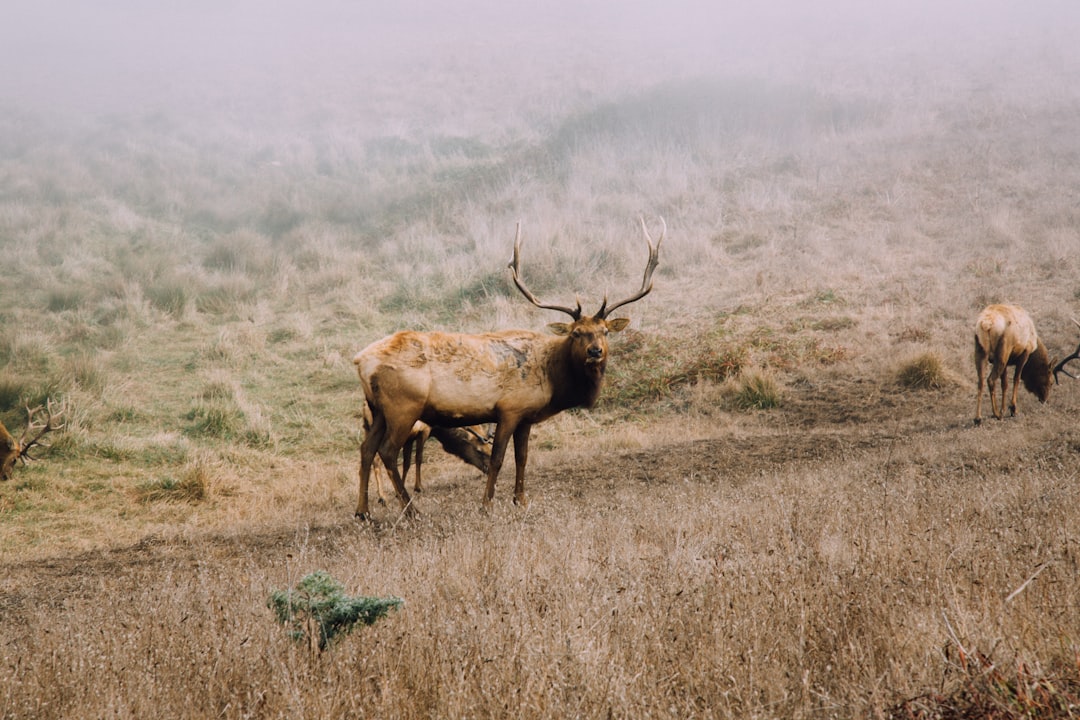
How to Hunt Elk Near Roads Without Hunting the Crowd
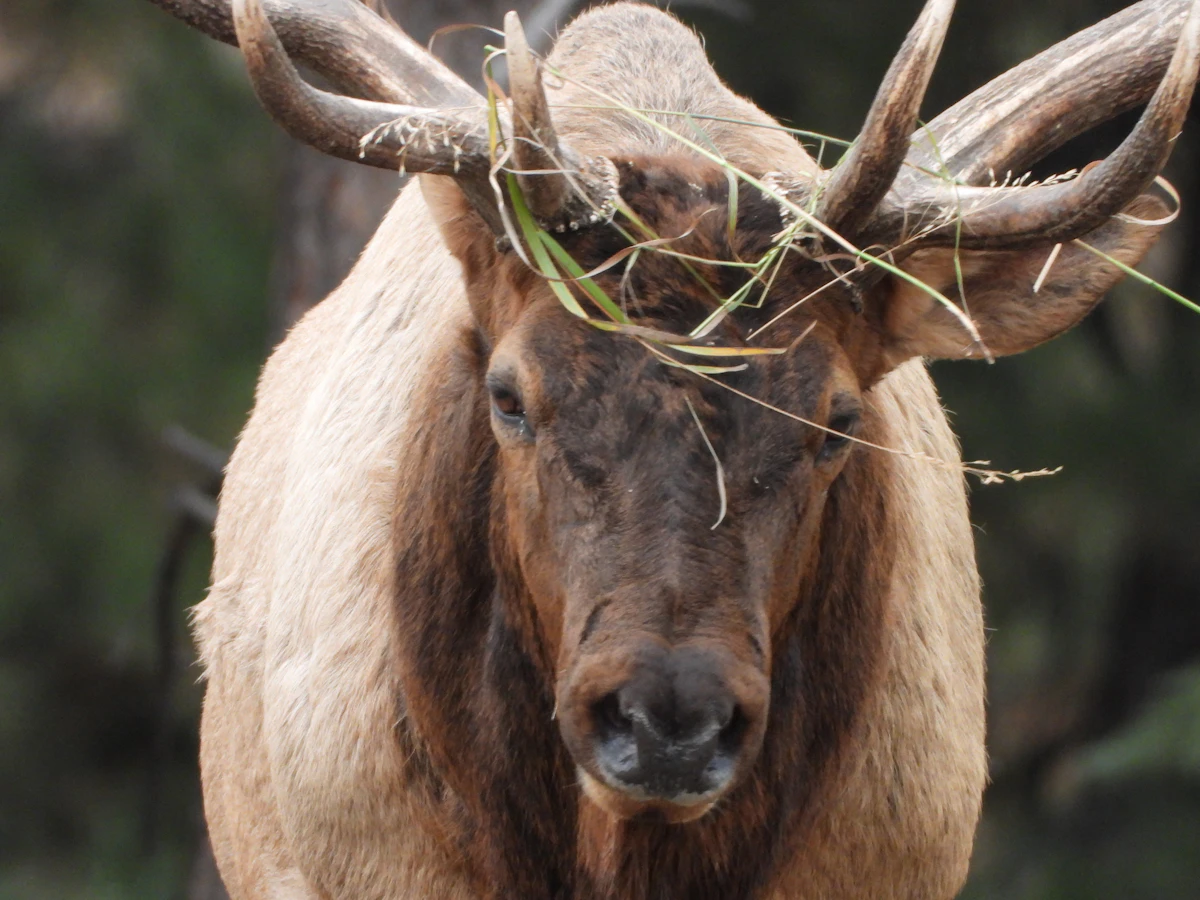
The best elk hunt of my guiding career happened 400 yards from a forest road that saw 30 trucks on opening morning. While every other hunter pushed deep into the wilderness, we glassed a small thermal pocket invisible from the road and called in a 320-inch bull by 9 AM. He'd been there the entire time, bedded in a spot everyone drove past.
Most hunters operate on a flawed assumption: distance from roads equals better hunting. But elk don't measure pressure in miles. They measure it in disturbance patterns, terrain features that provide security, and the predictability of human movement. Understanding this difference is how you hunt near roads without hunting the crowd.
Why Elk Stay Close to Roads
Elk tolerate road proximity when specific conditions create security. A timbered ridge 200 yards from a road offers better bedding than an exposed basin two miles in if that ridge has thermal advantages, multiple escape routes, and terrain that breaks up human scent and sound.
Roads also create natural barriers in hunter behavior. Most recreationalists stay within 400 yards of vehicle access, but that statistic is deceiving. The actual pattern is tighter — hunters cluster at trailheads, parking areas, and obvious access points. The stretches between these hotspots often hold undisturbed elk because nobody parks there.
I've glassed bulls bedded in oakbrush thickets 150 yards uphill from forest roads in Colorado, completely ignored because the terrain looked too steep for a quick morning hunt. The roadside parking was empty. Everyone drove another five miles to the popular trailhead.
Reading Micro-Terrain That Hides Elk
Elk near roads survive by using terrain features most hunters overlook. Small fingers of dark timber extending off main ridges create thermal pockets where morning thermals rise and midday thermals stall. These pockets, often just 40-60 yards across, hold bedded bulls all day.
Look for terrain that blocks sound and scent from the road. A timbered bench 30 feet below a ridgeline creates a scent trap where human odor drifts over the top. Elk bed on these benches because they can hear and see downhill while remaining invisible to anything moving along the ridge.
Aspect matters more near roads. North-facing slopes stay cooler and hold bedding elk later into the morning. If the road runs east-west along a ridgeline, the north side often receives half the pressure of the south side simply because it's shadier and less appealing to hunters glassing from vehicles.
Small saddles and benches invisible from road level are critical. Pull up topographic maps on TAGZ and identify any flat spot between 50-400 yards from the road that requires a slight elevation change to access. These spots don't look like destinations, so hunters skip them.
Timing Pressure to Find Unpressured Elk
Elk near roads move in response to pressure waves, not on fixed schedules. Opening morning creates a predictable surge — hunters hit trailheads at first light, push into popular basins, and create a wave of disturbance that moves elk out of those areas and into the micro-terrain closer to roads.
The optimal window is 9 AM to 2 PM on opening weekend. While everyone else is deep in the backcountry or heading back to camp for lunch, elk pushed by morning pressure settle into roadside security cover. I've called in multiple bulls during midday lulls by targeting timbered pockets that had been empty at dawn.
Weekday hunting near roads is wildly underrated. Pressure drops 80% after opening weekend in most units. Elk return to preferred bedding areas, and those areas are often close to roads because they offer the best feed-to-security ratio. A spot that held 15 trucks on Saturday may be completely empty by Tuesday.
Weather shifts reset pressure patterns. The morning after a storm, elk often bed in sunny, south-facing roadside timber to dry off and warm up. Most hunters assume elk moved deep during the weather and don't bother checking close cover.
Access Points Hunters Ignore
The worst place to park is a designated trailhead. The best place is a pullout with no trail that requires 200 yards of bushwhacking to reach huntable terrain. Elk learn trailhead patterns within days. They don't learn pullouts that get zero use.
Look for road segments with no parking traffic. Pull up Google Earth and scan forest roads for stretches where the terrain allows parking but shows no vehicle tracks in satellite imagery. These gaps exist because the timber looks too thick or the slope looks too steep, which means elk use them as refuge.
Gated roads are gold if you're willing to walk the first mile. Most hunters turn around at the gate. The elk that relocated from pressured areas often move just past the gate closure, bedding in the first secure cover they find. You're not competing with boot traffic because nobody walks boring road grades.
Use closed roads as access corridors, not destinations. Walk the road for a half-mile, then cut uphill or downhill into terrain that's difficult to access from other points. You've covered ground quickly on the road while positioning yourself in country that receives minimal pressure from other angles.
Glassing Strategy for Roadside Elk
Elk near roads bed where they can monitor the road without being visible from it. Set up 100-200 yards off the road on a vantage point that lets you glass back toward it. You're looking for bedded elk in cover that faces the road, using it as a security reference point.
Glass slowly in a grid pattern, not by sweeping. Roadside elk bed in small openings within timber, not in broad meadows. You're looking for a patch of hide the size of a dinner plate, an ear flick, or the horizontal line of a back. Move your binoculars in overlapping squares, spending 30 seconds per section.
Morning glassing should focus on benches and saddles within 400 yards of the road where elk stop after feeding. They're not bedding deep — they're bedding in the first secure spot after leaving feed. That spot is often closer than you think.
Afternoon glassing targets transition zones between bedding and feeding. Elk near roads often feed in small meadows or clearings within a quarter-mile of their beds. Set up where you can see these micro-feed areas 90 minutes before dark.
Calling Near Roads Without Educating Elk
Elk near roads hear more calls than backcountry elk, which means they're call-shy if you sound like everyone else. Use soft cow calls and sparse sequences. You're trying to sound like a single cow, not a herd, because single cows imply less danger.
Avoid bugling from the road or from obvious setups like trail intersections. Bulls near roads have heard bugles from those exact spots and learned to associate them with pressure. Move 100 yards off any established path before calling.
Use terrain to muffle your calls. Call from below ridgelines or from inside timber pockets so the sound doesn't carry to the road. Elk near roads are listening for call volume and direction. If you sound like you're calling from the road, they know you're a hunter.
Call less frequently and listen more. Roadside bulls often respond with soft grunts or a single chuckle instead of full bugles. They're vocal enough to communicate but not vocal enough to draw attention from the road.
Shot Opportunities in Tight Cover
Elk near roads often present close, fast shots in timber. Practice shooting from unconventional positions — kneeling behind a tree, braced against a stump, or sitting with your back against a log. Roadside shots average 40-80 yards in my experience, not the 200-yard meadow pokes.
Know your maximum ethical range in timber before you hunt. A bull standing in oakbrush at 60 yards gives you a three-second window. If you're not confident making that shot, pass and reposition. Wounding an elk near a road creates a tracking problem in country that other hunters will cross.
Have a pack-out plan before you shoot. Elk near roads are easier to retrieve, but only if you've scouted vehicle access points and know where you can legally drive to within 200 yards of a kill site. TAGZ maps show road access and public land boundaries, which is critical for planning retrieval.
Using TAGZ to Identify Low-Pressure Road Access
TAGZ maps overlay road networks, public land boundaries, terrain features, and unit information in one platform. Filter units by weapon type and season, then zoom into forest roads to identify segments with good terrain access but no marked trailheads.
The terrain breakdown tool highlights slope angles, aspect, and cover types. Look for timbered north-facing benches within 400 yards of roads that show moderate slopes (15-35%). These are prime bedding areas that don't require extreme effort to reach.
Public land layers show where roads cross from private to public. The first quarter-mile of public access after a private boundary often holds elk pushed off private land by landowner pressure but not yet relocated deep into public country.
Draw odds and hunt planning tools help you target units with good road access and reasonable tag availability. You don't need a premium limited-entry tag to execute roadside strategies. General and over-the-counter units with extensive forest road systems are ideal.
FAQ — Hunting Elk Near Roads
How close to roads do elk actually bed?
Elk regularly bed within 100-400 yards of roads when terrain provides security cover like timbered benches, thermal pockets, or thick oakbrush. Distance matters less than terrain features that block scent and sound.
Do more hunters near roads mean fewer elk?
No. More hunters mean different elk behavior, not absence. Roadside elk shift to micro-terrain and adjust movement timing, but they don't abandon good habitat. They adapt to pressure patterns.
Is it worth hunting near roads on opening weekend?
Yes, especially mid-morning through early afternoon. Elk pushed by backcountry pressure often relocate to roadside security cover by 9 AM. Most hunters are either deep in units or back at camp during this window.
What's the biggest mistake hunters make near roads?
Assuming elk won't be there and driving past huntable country to reach popular trailheads. The best roadside spots look unimpressive, which is exactly why elk use them.
Can you call in bulls close to roads?
Absolutely. Use soft cow calls, call from terrain that muffles sound away from the road, and avoid calling from obvious spots like trail intersections. Roadside bulls respond but are more cautious about approach routes.
How do you know if a roadside area is getting pressured?
Watch for parked vehicles, check for boot tracks on pullouts, and glass for other hunters. If you see fresh sign (tracks, scat, beds) but no hunting pressure, you've found a gap in coverage.
Does hunting near roads require different gear?
Not really, but bring quality optics and practice shooting from improvised positions. Roadside hunting involves more glassing of tight cover and faster shot setups in timber compared to open-country hunting.
Will hunting near roads work in heavily hunted units?
Especially in heavily hunted units. High pressure trains elk to avoid predictable patterns and use overlooked micro-terrain. The more hunters in a unit, the more elk adapt by staying closer to roads in spots others ignore.
Was this article helpful?
Previous
Ultimate Whitetail Hunting Guide: Strategies, Gear, and State-by-State Insights
Master whitetail hunting with proven scouting tactics, rut strategies, and state-specific regulations. This comprehensive guide covers everything from public land access to shot placement for hunters at every skill level.
Next
Spot-and-Stalk Elk Hunting vs. Elk Calling: When to Use Each Strategy
Spot-and-stalk and calling are the two foundational approaches to archery and rifle elk hunting. Each excels in specific terrain, weather conditions, and phases of the rut—understanding when to switch tactics separates successful hunts from frustrating ones.