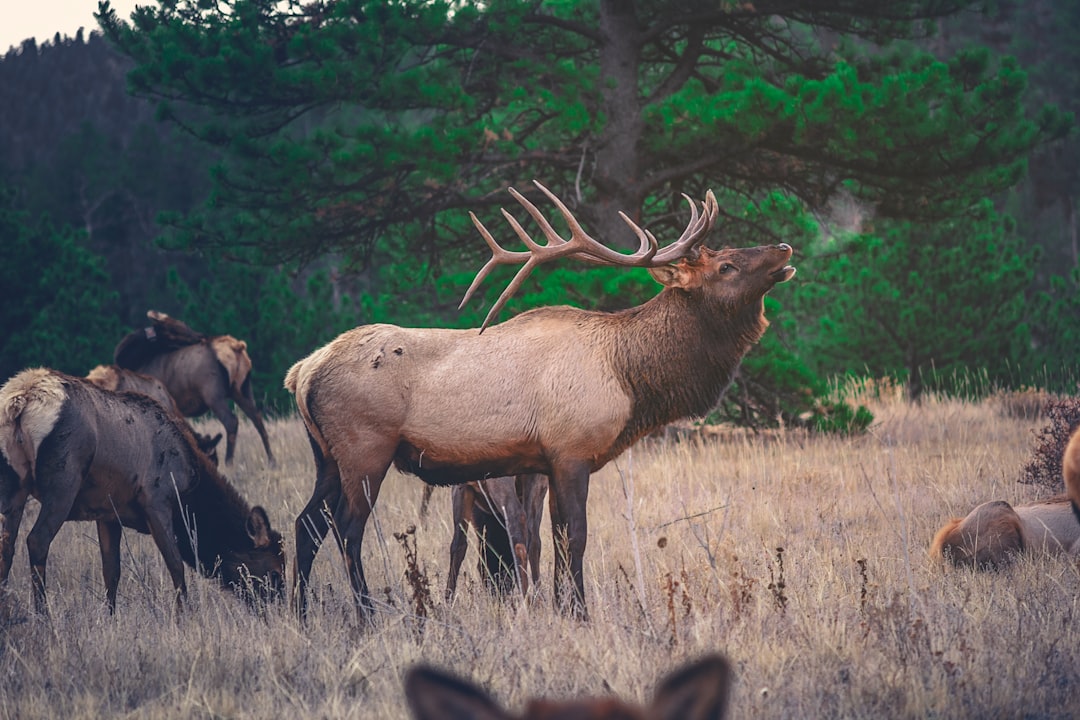
Public Land Elk Hunting: Strategy, Scouting, and Success Without Private Access
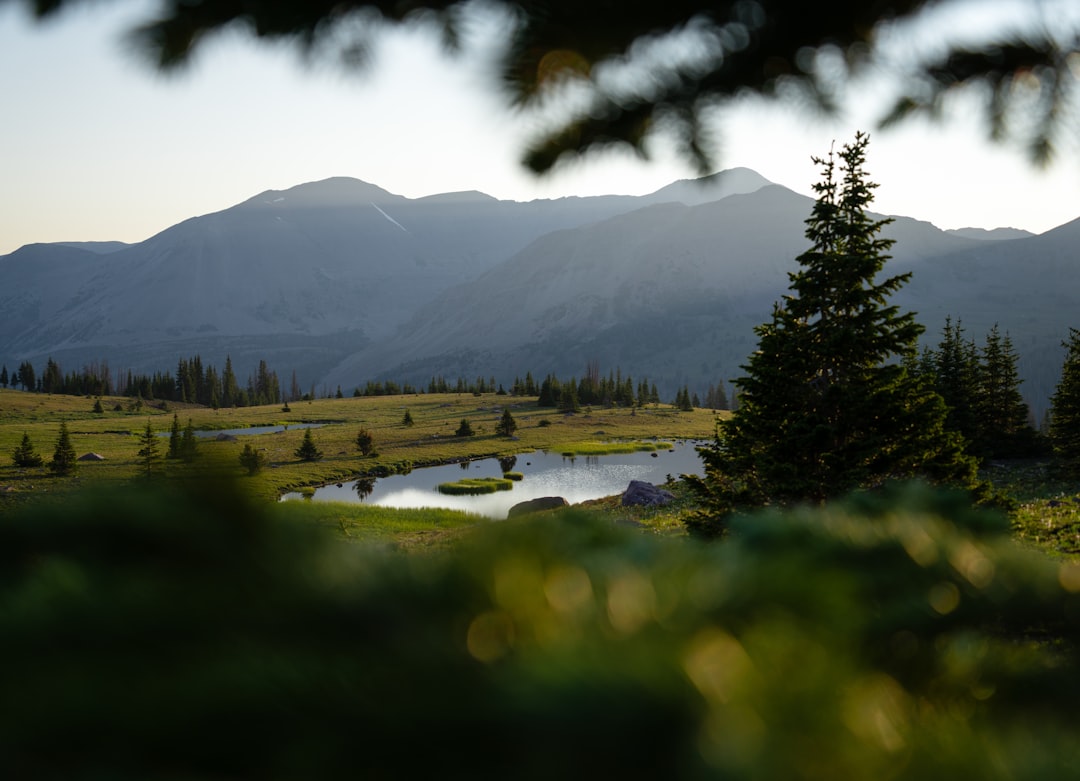
Public Land Elk Hunting: How to Find Elk and Hunt Smarter
Public land is a major part of western elk hunting.
National forests, Bureau of Land Management lands, and other publicly accessible lands provide hunters with enormous opportunities across elk country.
But having public land on a map doesn't automatically make a hunt good.
And finding elk isn't as simple as hiking farther from the road than everyone else.
Public land elk hunting requires you to understand:
- Access
- Terrain
- Habitat
- Food
- Water
- Security cover
- Hunting pressure
- Season timing
- Weather
- Current elk sign
The hunters who adapt to those variables have an advantage over hunters who follow rigid rules about where elk are "supposed" to be.
Start by Choosing the Right Elk Hunt
Before worrying about which ridge to hike, make sure you're researching a hunt that fits your goals.
Consider:
- Draw odds
- Season dates
- Weapon
- Point requirements
- Resident and nonresident opportunities
- Public-land availability
- Access
- Terrain
- Expected hunting pressure
- Physical difficulty
A unit with extensive public land may look great.
But acreage alone doesn't tell you how that land actually hunts.
Public Land Percentage Doesn't Tell the Whole Story
Imagine two elk units that both contain substantial public land.
One may have:
- Numerous roads
- ATV routes
- Multiple trailheads
- Easy vehicle access
The other may contain:
- Fewer roads
- Steeper terrain
- Limited trail access
- Larger blocks of difficult country
Those units can produce completely different hunting experiences.
When evaluating public land, don't ask only:
How much public land is there?
Also ask:
How can hunters access it?
Terrain Can Influence Hunting Pressure
Difficult terrain can reduce hunter traffic in some places.
Steep slopes, large elevation changes, river crossings, limited trail systems, and difficult pack-outs may discourage some hunters.
But difficult terrain doesn't automatically mean low pressure.
A remote basin might still receive substantial traffic because of:
- Horse access
- Outfitters
- Popular trails
- Motorized routes
- Well-known hunting areas
- Backcountry camps
Likewise, accessible country near roads can sometimes be overlooked because everyone assumes they need to hike deep.
Difficulty is one clue—not proof of low hunting pressure.
Don't Automatically Avoid Roads
Roads are useful indicators of human access.
More roads can mean more potential hunter traffic.
But the rule:
"If you can see a road, you're not far enough in"
is too simple.
Elk don't automatically disappear from every road-accessible area during hunting season.
Some roads receive heavy traffic.
Others are closed.
Some receive very little use.
Some nearby habitat may still hold elk because terrain, cover, food, private-land boundaries, or other factors limit hunter movement.
Study how roads are actually being used.
Distance From a Road Does Not Equal Low Pressure
One of the most common public-land hunting rules is:
Hike two miles from the road and you'll escape most hunters.
There's no universal distance.
A location four miles from a road may have a major horse trail running through it.
A basin three miles deep may contain multiple hunting camps.
Meanwhile, a steep pocket relatively close to a road might receive little foot traffic.
Instead of using a fixed mileage rule, evaluate:
- Roads
- Trails
- Trailheads
- Terrain
- Elevation change
- Motorized access
- Horse access
- Camps
- Private boundaries
- Actual hunter activity
Sometimes the overlooked spot is deep.
Sometimes it's surprisingly close.
Scout Multiple Areas
One of the smartest public land strategies is having more than one plan.
Don't spend your entire preseason researching one drainage.
Identify:
- Primary hunting area
- Backup area
- Alternate access point
- Different elevation option
- Different habitat type
- Different drainage
If you arrive and find five trucks at your intended trailhead, you should already know where you're going next.
E-Scouting Is Only the Beginning
Digital mapping can help you understand terrain and access before your hunt.
You might investigate:
- Benches
- Saddles
- Ridges
- Drainages
- Burns
- Timber
- Meadows
- Water
- Roads
- Trails
- Access points
But a feature that looks perfect on a satellite image isn't guaranteed to hold elk.
Use mapping to create hypotheses.
Then verify them with current information.
Let Fresh Elk Sign Confirm Your Scouting
Once you're hunting, current evidence becomes extremely valuable.
Look for:
- Fresh tracks
- Fresh droppings
- Beds
- Rubs
- Feeding sign
- Wallows
- Trails
- Vocalizations
- Actual sightings
A drainage can look perfect and still be empty.
Another area that looked mediocre during e-scouting might contain fresh elk sign everywhere.
Trust what you're finding in the field.
Don't Assume Elk Always Move the Same Way Under Pressure
Hunting pressure can influence elk behavior.
But elk don't follow one universal escape pattern.
Pressure may influence:
- Daylight activity
- Movement
- Habitat use
- Vocal behavior
- Use of security cover
One group might move uphill.
Another may drop into a drainage.
Another may move onto private land.
Others may remain surprisingly close while shifting into thicker cover.
Don't assume pressured elk always go higher, deeper, or farther from roads.
Follow the evidence.
Opening Weekend Isn't Automatically a Write-Off
Opening day can create substantial hunter activity in popular areas.
It can also provide excellent hunting.
Elk may still be using known feeding and bedding areas.
Other hunters may create movement.
Rut activity may be strong depending on season timing.
Weather may produce favorable conditions.
A good tag shouldn't be written off simply because other hunters are present.
Instead, understand how pressure is developing and adapt.
Let Other Hunters Give You Information
Other hunters aren't always a problem.
They can also tell you something about the landscape.
If one trailhead is packed with trucks, that's useful information.
If you hear repeated bugling from hunters in one drainage, that's useful information.
If hunters are moving through a particular ridge every morning, that's useful information.
Ask:
Where are hunters entering?
Where are they traveling?
What terrain are they avoiding?
That can help you identify alternative setups.
Don't Assume the Second Week Is Automatically Better
The idea that public land hunting always improves after opening week is too broad.
Hunter numbers may decrease.
Or they may not.
Elk behavior may change.
Weather may change.
Rut activity may change.
Season structure may bring additional hunters into the field.
The second week can be excellent.
So can opening day.
Hunt the conditions you're given rather than waiting for a supposedly magical week.
Find Security Cover, Not Just Remote Country
Instead of thinking only in terms of distance, think about what provides elk security.
Security may come from:
- Thick vegetation
- Steep terrain
- Broken topography
- Limited visibility
- Difficult access
- Private-land boundaries
- Areas hunters consistently bypass
An elk doesn't need to be five miles from a truck to find security.
It needs somewhere it can reduce encounters with disturbance.
Transition Habitat Can Be Productive
Elk commonly use different habitat for feeding, resting, traveling, and security.
That can make transition areas worth investigating.
Examples might include:
- Timber edges
- Benches
- Saddles
- Finger ridges
- Creek bottoms
- Travel corridors
- Edges of burns
- Meadows near cover
But don't assume every saddle or timber edge is an elk funnel.
Look for fresh sign confirming actual use.
Hunt Travel Routes Based on Evidence
If you've identified where elk are feeding and where they're spending time during the day, terrain between those locations may offer opportunities.
Fresh trails and tracks can help confirm movement.
Pay attention to:
- Track direction
- Freshness
- Frequency of use
- Wind
- Cover
- Terrain
Don't set up on a trail just because it looks good.
Find evidence that elk are actually using it.
Burns Can Be Productive Elk Habitat
Wildfire can significantly change elk habitat.
Depending on:
- Fire severity
- Time since the burn
- Vegetation response
- Elevation
- Precipitation
- Security cover
a burn may create productive forage.
Edges between regenerating vegetation and nearby cover can be worth scouting.
But not every burn is automatically excellent elk habitat.
Some may have limited forage.
Others may be too open.
Some may receive heavy hunting pressure precisely because they're easy to identify.
Scout the actual burn.
Calling Pressured Public Land Elk
Calling can work on public land.
Pressure doesn't automatically make elk "call-shy."
Some pressured elk may:
- Respond vocally
- Approach
- Approach silently
- Move away
- Show little response
Don't assume every bull has learned to associate a bugle or cow call with hunters.
Instead, listen to the elk you're hunting.
Use Calling With a Purpose
Calling may help you:
- Locate elk
- Continue a rut interaction
- Create curiosity
- Stop a moving animal
- Confirm direction
But don't call simply because you're carrying a call.
Sometimes another bugle helps.
Sometimes cow calling helps.
Sometimes staying quiet is better.
Let the encounter determine the tactic.
Still-Hunting Public Land Elk
Still-hunting can be useful when elk are occupying thick cover.
Move slowly.
Stop frequently.
Listen.
Glass through openings before entering them.
Watch for:
- Legs
- Antlers
- Ears
- Horizontal body lines
- Movement
Most importantly, protect your wind.
Still-hunting isn't about covering as much timber as possible.
It's about seeing the elk before they detect you.
Don't Restrict Still-Hunting to Midday
Midday can provide still-hunting opportunities.
So can other parts of the day.
There's no universal time when pressured elk become bedded and vulnerable to a timber stalk.
Elk may be:
- Bedding
- Feeding
- Traveling
- Rutting
- Repositioning
Use fresh sign, sightings, vocalizations, wind, and weather to determine when movement makes sense.
Hunting Pressure Isn't Always Bad
Pressure can create opportunity.
Another hunter may move elk.
Vehicles may alter how elk use access points.
Repeated human movement may cause elk to favor different cover.
But don't assume you can predict exactly where pressured elk will go.
Instead, use hunter activity as another piece of information.
Try to understand the direction and intensity of pressure, then look for terrain and cover that may provide alternatives.
Late-Season Public Land Elk Hunting
Late-season elk hunting can be excellent.
It can also be extremely difficult.
As fall progresses, factors such as:
- Snow
- Temperature
- Food
- Hunting pressure
- Seasonal movement
- Migration
- Access
can influence elk distribution.
Don't assume elk automatically return to easy public land because fewer hunters are present.
Some animals may have shifted substantially.
Others may be using private land.
Access may become harder because of snow.
Late-season strategy should be built around current elk location, not simply reduced hunter numbers.
Weather Can Change the Hunt
Weather can affect:
- Access
- Visibility
- Animal movement
- Snow conditions
- Food availability
- Seasonal movement
- Hunter distribution
But avoid simple formulas such as:
Snow means elk move down.
or:
Warm weather means elk stay high.
Elevation movement depends on far more than temperature alone.
Use current conditions alongside fresh sign and sightings.
Physical Fitness Helps—But Miles Aren't the Goal
Elk country can be physically demanding.
Fitness gives you more options.
It may allow you to:
- Reach difficult terrain
- Climb efficiently
- Hunt longer
- Recover an animal safely
- Pack meat effectively
But being exhausted isn't proof you're hunting correctly.
You don't win public land elk hunting by hiking farther than everyone else.
The goal is finding elk—not accumulating miles.
Know the Land You're Hunting
Public land comes with responsibilities.
Know:
- Unit boundaries
- Public/private boundaries
- Season dates
- Legal weapons
- Access restrictions
- Motorized-use rules
- Special closures
Also remember that different types of public land can have different access rules.
Don't assume every parcel labeled as government-owned is automatically open to hunting or legally accessible from your route.
Verify current regulations and land-management information.
Respect Other Public Land Hunters
Public land is shared.
If another hunter is already working an area, communicate respectfully and give each other reasonable space.
Don't intentionally interfere with another hunt.
Don't assume someone is lazy because they're hunting near a trailhead.
They may know something you don't.
Good public-land hunting requires adaptability and respect for everyone legally using the landscape.
How TAGZ Fits Into Public Land Elk Planning
TAGZ helps hunters with the hunt-selection and application side of western elk hunting.
Use TAGZ to research:
- Elk draw odds
- Hunt units
- Season dates
- Point requirements
- Resident and nonresident opportunities
- Weapon and season options
- Western hunting opportunities
Once you've selected or drawn a hunt, combine that research with dedicated mapping resources, current wildlife-agency and land-management information, access research, weather, and field scouting.
TAGZ helps you choose the hunt. Your mapping, scouting, and field observations help you hunt it.
FAQ — Public Land Elk Hunting
Can you hunt elk on public land without a guide?
Yes. DIY public land elk hunting is available across much of the West, provided you have the required licenses and tags and are hunting land legally open to hunting.
How far should you hike from a road to find elk?
There's no universal distance. Elk can sometimes be found near roads, while remote areas may still receive significant hunting pressure. Evaluate terrain, access, trails, hunter activity, and fresh elk sign rather than relying on a fixed mileage rule.
Do you need to hike deep to kill a public land elk?
No. Going deeper can reduce pressure in some areas, but distance alone doesn't determine elk location. Some productive areas may be relatively close to access but overlooked because of terrain or cover.
Does hunting pressure make elk nocturnal?
Pressure can influence daylight activity, but not every pressured elk becomes strictly nocturnal. Responses vary by herd, habitat, season, and intensity of disturbance.
Is opening weekend bad for public land elk hunting?
Not necessarily. Opening weekend can be crowded in some places, but it can still provide excellent opportunities. Other hunters may also create movement that an adaptable hunter can use.
Is the second week of elk season better?
Sometimes hunter numbers decline after the opener, but there is no universal second-week advantage. Weather, rut timing, season structure, and elk behavior may matter more.
Are burns good places to hunt elk?
They can be. Regenerating vegetation may create attractive forage, particularly near security cover. Evaluate the specific burn and look for current elk sign.
Should I call to pressured elk?
Calling can still work. Don't automatically assume pressured elk are call-shy. Use the elk's response to determine whether to continue calling, change sounds, reposition, or go silent.
Are elk always farther from roads on public land?
No. Roads influence human access, but elk distribution depends on many other variables, including habitat, food, security cover, private land, terrain, and current disturbance.
Do elk always go higher when hunters pressure them?
No. Elk may move uphill, downhill, laterally, onto private land, into thicker cover, or remain relatively close while changing their behavior.
Is public land elk hunting harder than private land?
It can present different challenges, particularly access competition and hunting pressure, but difficulty varies enormously by hunt. Public land can also provide excellent elk hunting without private access fees.
What's the best public land elk strategy?
Choose a hunt that fits your goals, scout multiple areas, understand access and terrain, monitor hunting pressure, protect your wind, and let current elk sign guide your decisions.
Continue Planning Your Hunt
Public land elk hunting isn't won by automatically hiking farther, calling less, or avoiding opening weekend.
It's won by making better decisions.
Research the hunt.
Understand access.
Scout multiple areas.
Watch what other hunters are doing.
Find fresh elk sign.
Protect your wind.
And be willing to abandon your original plan when the mountain tells you something different.
Use TAGZ to research elk draw odds, units, season dates, point requirements, and western hunting opportunities before deciding where to apply.
Once you've selected your hunt, combine that research with dedicated mapping, current wildlife-agency and land-management information, scouting, weather, and what you're observing in the field.
TAGZ helps you find the hunt. Your preparation helps you find the elk.
For more elk hunting and western draw strategy content, visit TAGZ Insights.
Was this article helpful?
Previous
Western Elk Hunting Guide: Strategies for Success Across Public Land
Western elk hunting demands strategy, persistence, and adaptability. This guide covers essential tactics for calling, scouting, and planning hunts across prime elk country, from OTC opportunities to limited-entry units.
Related
Essential Elk Hunting Tips — Proven Strategies for Success
Master the fundamentals of elk hunting with proven strategies for scouting, calling, positioning, and shot placement. From pre-season preparation to the final moments of truth, these tips help hunters of all experience levels fill their tags.
Next
Best States for Elk Hunting: Tags, Draws & Opportunities
There is no single best state for elk hunting for every hunter. The right state depends on what you're trying to accomplish. Hunters should compare states based on: Residency Current preference or bonus points Draw system General-season availability Over-the-counter availability Public-land access Weapon Season Budget Physical ability How often they want to hunt Major elk states use very different licensing systems. Colorado combines limited licenses with certain OTC opportunities. Montana uses a nonresident Combination License drawing plus separate limited elk permits. Idaho doesn't use preference or bonus points for elk and now uses an application/drawing process for nonresident general deer and elk tags. Wyoming uses preference points for nonresident full-price elk licenses but also has a random component. New Mexico has no preference or bonus points for its public elk drawing. Arizona uses bonus points. Nevada uses a bonus-point system. Oregon uses preference points for controlled elk hunts while also offering general-season opportunities. Washington offers general elk seasons and separate special-permit opportunities using a weighted-point drawing system. The best strategy isn't necessarily finding the state with the biggest bulls. It's finding the tag pathway + hunt + access that fits your goals.