Why Bulls Suddenly Go Silent: Understanding Elk Vocal Behavior During the Rut
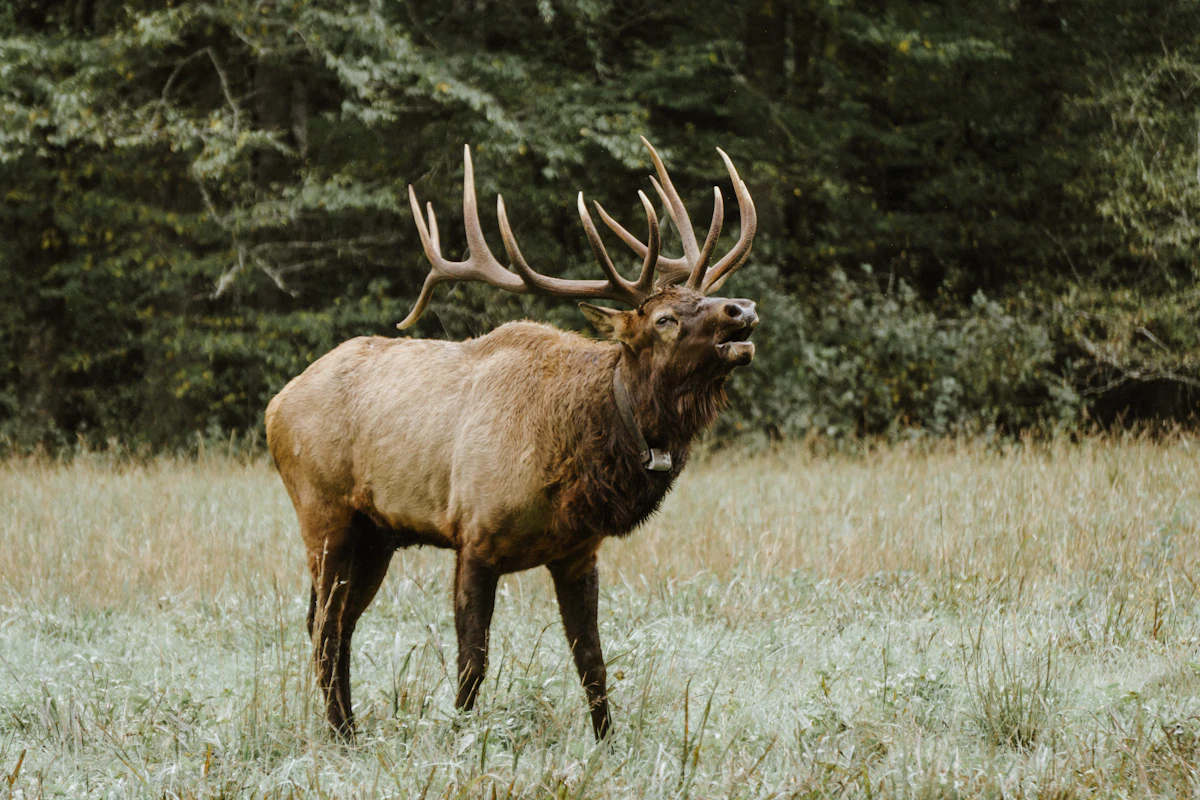
You hiked in before dawn, set up on the ridge where bulls were screaming three days ago, and now you're hearing nothing but wind and ravens. The rut should be peaking. Where did every bull go?
They didn't leave. They just stopped talking.
Silent periods during the elk rut frustrate hunters every September, but they're predictable once you understand what drives vocal behavior in the first place. Bulls bugle for specific reasons, and when those reasons change, the forest goes quiet.
The Real Purpose of Bugling
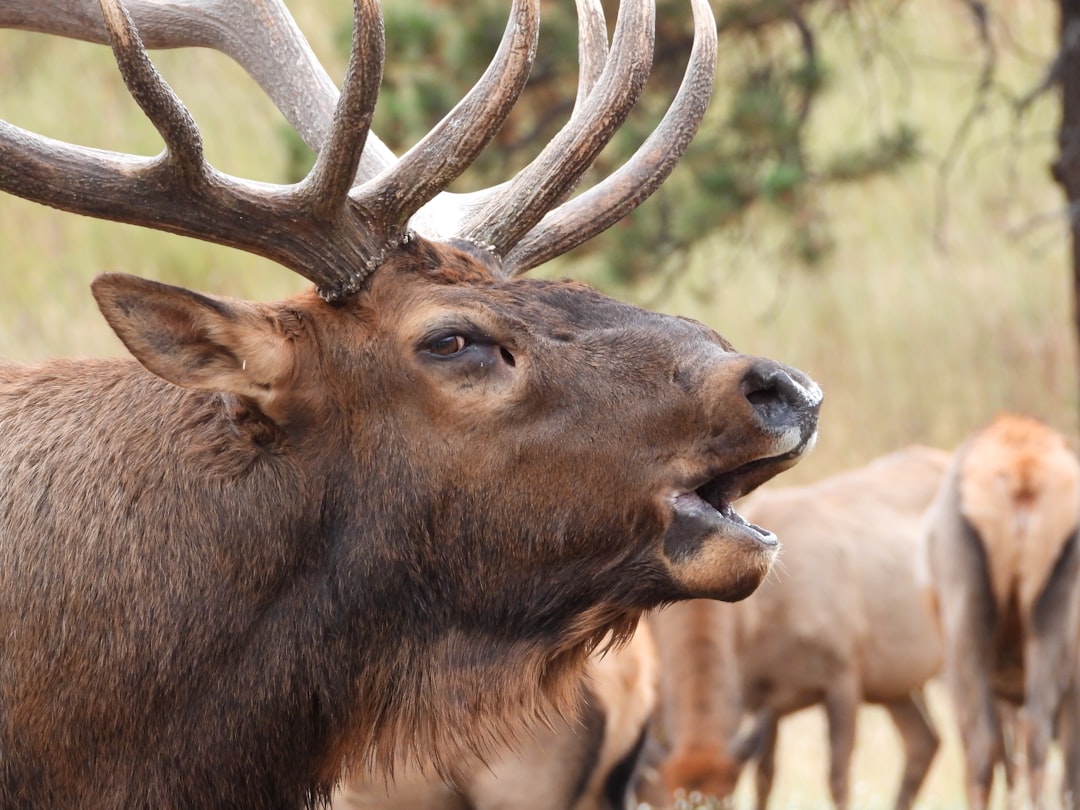
Bugling isn't random noise. It serves two functions: advertising dominance to other bulls and locating receptive cows. A herd bull screams to warn satellite bulls away from his cows. A satellite bull bugles to challenge a herd bull or to locate cows he might steal. Cows vocalize to stay in contact with the herd and to signal estrus.
When any of these social dynamics shift, vocal behavior shifts with it. A bull who has already established dominance over his herd and faces no challengers has less reason to advertise. A satellite bull who got thrashed yesterday may go silent to avoid another fight. Understanding this helps explain why the same basin can sound like a war zone one morning and a library the next.
Breeding Phase Changes Everything
The rut isn't a single event. It moves through phases, and vocal intensity tracks those phases closely.
During the pre-rut, bulls are actively seeking cows and advertising heavily. Competition is high, territories are unsettled, and bugling peaks. This is the chaos most hunters imagine when they think of elk season.
Once the peak breeding window hits, everything changes. Dominant bulls have assembled harems and are actively breeding. Their focus shifts from advertising to guarding and mating. A bull locked onto an estrus cow often goes nearly silent because he's busy, not because he's gone. Satellite bulls may also quiet down, waiting for opportunities rather than announcing their presence.
The post-rut brings another shift. Cows are bred, bulls are exhausted, and vocal activity drops to a fraction of peak levels. Some hunters mistake this natural decline for something they did wrong.
Hunting Pressure Shuts Bulls Down Fast
Elk learn. A bull that got called into range and nearly killed last week isn't going to charge every bugle he hears this week. Heavy hunting pressure, especially aggressive calling pressure, conditions bulls to associate bugles with danger.
Public land bulls in popular units often go silent within days of the season opener. They relocate to thicker cover, move primarily at night, and stop responding to calls. This isn't speculation. Studies tracking collared bulls show dramatic shifts in movement patterns and vocalization rates once rifle hunters enter the woods.
If you're hunting pressured elk, you need to accept that calling may not be your primary tactic. Ambush hunting, waterhole setups, and old-fashioned glassing become more effective when bulls have learned to shut up.
Weather and Thermals Play a Role
Bulls often reduce vocalization during warm, still conditions. High temperatures make aggressive activity costly, and stable air can carry scent unpredictably, making bulls cautious about revealing their position.
Cool mornings with light thermals rising tend to produce the best vocal activity. A cold front pushing through can restart bugling in basins that were silent for days. Pay attention to weather patterns, not just the calendar, when planning your hunt timing.
How to Hunt Silent Bulls
When bugles stop, most hunters assume the elk moved out. Often, they're still there, just quiet.
Shift to a spot-and-stalk approach. Glass feeding areas at first and last light. Look for cows. Where you find cows during the rut, bulls are nearby, even if you can't hear them.
Cow calling can still work when bugling doesn't. A soft mew or estrus whine is less threatening than a bugle and can pull a silent bull into range without triggering his wariness. Some hunters have success with light contact calls that sound like elk just moving through, rather than direct challenges.
Use your TAGZ Insights resources to research unit-specific pressure levels. High-draw-odds units often correlate with higher hunter density and quicker shutdowns in vocal activity. If you're applying for units using TAGZ draw odds tools, factor in hunter numbers, not just success rates.
Timing Your Hunt Around Vocal Windows
If you have flexible dates, target the pre-rut window when vocal activity is highest. This typically falls in the first two weeks of September in most Western states, though elevation and latitude shift the timing slightly.
For archery hunters especially, early September often produces better calling action than the calendar "peak" of mid-September, when many cows are already bred and bulls are locked down.
Check state-specific season structures before you apply. The TAGZ pricing page breaks down what's included with a membership, including tools for comparing season dates and unit characteristics across states.
FAQ — Silent Bull Elk Behavior
Why do bull elk stop bugling during the rut?
Bulls reduce vocalization when they've secured a harem and are actively breeding, when they've been pressured by hunters, or when weather conditions make bugling risky. A silent bull often means a successful or cautious bull, not an absent one.
Do elk leave the area when they go silent?
Usually no. Bulls and cows often stay in the same drainage but shift to thicker cover and reduce movement during daylight. Glassing and cow calling can still locate them.
Is it worth calling to elk that aren't responding?
Sometimes. Soft cow calls are less threatening than bugles and can work on silent bulls. Aggressive bugling to a bull that won't respond typically pushes him away rather than pulling him in.
How long do silent periods last during the rut?
It varies. Weather changes, reduced pressure, or shifts in breeding phase can restart vocal activity within hours or days. A cold front often triggers renewed bugling.
Should I hunt a different unit if bulls go silent?
Not necessarily. Silent bulls are still huntable with spot-and-stalk tactics, waterhole ambushes, and cow calling. Moving to a new unit may put you in unfamiliar terrain without solving the underlying issue.
Does moon phase affect elk bugling?
Some hunters believe full moons reduce daytime activity, but research is mixed. Weather and breeding phase have far more documented impact on vocalization than lunar cycles.
Silent bulls test your patience and your adaptability. The hunters who fill tags during quiet periods are the ones who switch tactics instead of switching drainages. Glass harder, call softer, and trust that the elk are still there, even when the mountains go quiet. For more strategies on planning your elk hunt and comparing unit options, visit the TAGZ homepage and start building a smarter application strategy.
Was this article helpful?
Previous
Hidden Meadows Most Hunters Miss — Where Elk Actually Bed During Rifle Season
Most hunters glass parks and burn boot leather on obvious meadows while elk bed in hidden pockets 200 yards away. Learning to identify tucked-away benches, saddle meadows, and timbered openings changes everything.
Next
Calling Satellite Bull Elk: How to Target Second-Tier Bulls During the Rut
Satellite bulls circle the edges of herd bull territories during the rut, offering bowhunters accessible opportunities without the pressure of competing with dominant bulls. Learn how to identify, locate, and call in these overlooked elk for consistent September success.