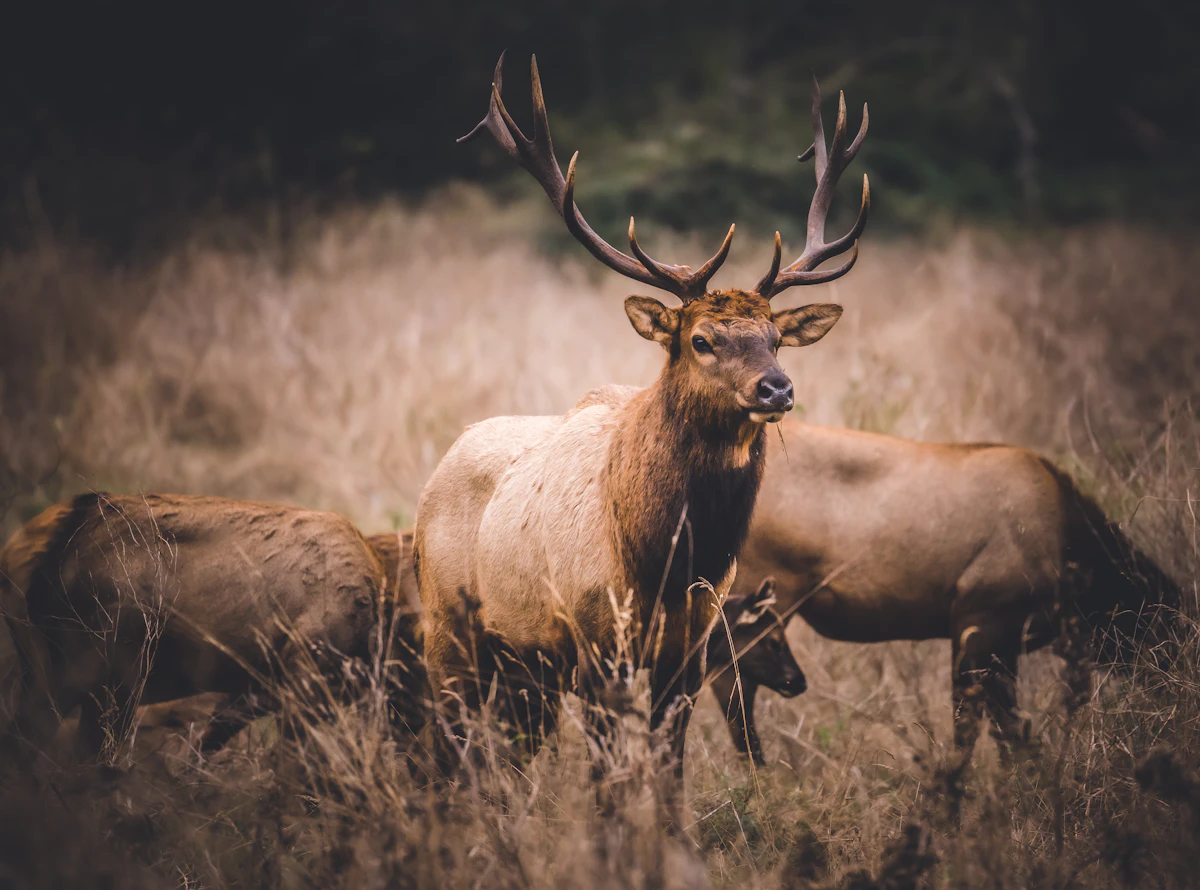
Cow Elk Calling During Archery Season: When, Why, and How to Use Cow Calls Effectively
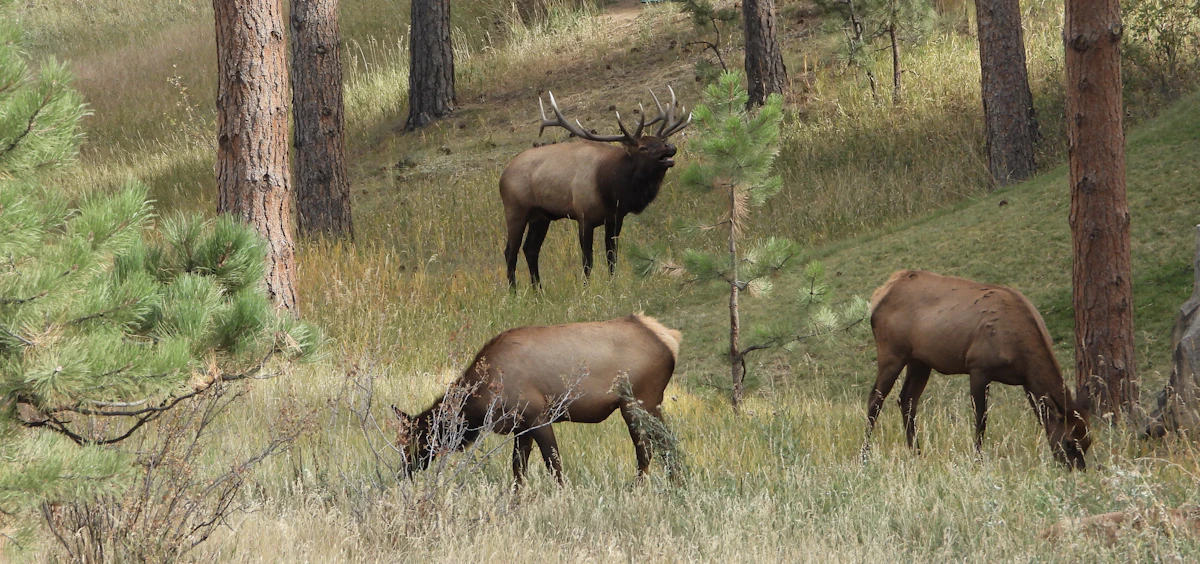
Many archery elk hunters reach for a bugle tube first, but experienced callers know that cow sounds often produce better results. Bulls respond to cow calls throughout September, and in heavily hunted units, a soft mew can pull in a herd bull that ignores every bugle he hears. Understanding when and how to use cow elk vocalizations gives bowhunters a significant advantage during the rut.
Why Cow Calls Work Better Than Bugles in Many Situations
Bulls hear bugles from other hunters all season. By mid-September in popular units, mature bulls often go silent or avoid bugle challenges altogether. Cow calls, by contrast, represent what bulls are actually seeking — receptive cows. A bull that won't respond to a bugle will often close the distance to investigate cow sounds, especially if he's already with a small herd or traveling alone.
Cow calls also create less pressure. A bugle announces your presence to every elk and hunter within a half mile. Soft cow sounds keep your setup subtle and allow you to work bulls at close range without alerting the entire drainage. This matters most in units with high hunter density or later in the season when elk have been called to repeatedly.
The Three Core Cow Elk Sounds Every Bowhunter Should Know
Cow elk use three primary vocalizations during September, and each serves a different purpose in your calling strategy.
Mews
Mews are soft, nasal sounds that cows use for casual communication within the herd. They signal contentment and proximity. For hunters, mews work best when a bull is already aware of your position and you want to reassure him that cows are nearby. Use mews sparingly — two or three notes every few minutes. Overmewing sounds unnatural and can spook cautious bulls.
Chirps
Chirps are higher-pitched, more urgent sounds that cows make when they're looking for the herd or responding to a bull. Chirps suggest interest and movement. Use chirps when you need to stop a bull that's walking away or when you're trying to pull a distant bull closer. String together three to five chirps in quick succession, then go silent and listen.
Barks (Alarm Barks vs. Estrous Barks)
Cows bark for two reasons — alarm and estrous excitement. Alarm barks are sharp, single notes that warn the herd of danger. Avoid these unless you're trying to stop a bull for a shot at close range. Estrous barks are rapid, aggressive strings of barks that cows make when they're ready to breed and frustrated with a bull's lack of attention. These can trigger a bull's competitive instinct, especially if he's with other cows. Use estrous barks sparingly and only when a bull is already engaged but hesitant to commit.
When to Use Cow Calls During the Archery Season Timeline
The rut phases dictate which cow sounds work best and when.
Early September — Pre-Rut and Early Rut
Bulls are starting to bugle and round up small groups, but they aren't fully locked down yet. Soft mews and occasional chirps work well during this period. Bulls are still mobile and investigating every sound. Pair cow calls with light bugling to simulate competition — a bull hears a bugle, then cow sounds, and assumes another bull is already with receptive cows.
Mid-September — Peak Rut
This is when herd bulls are most aggressive and vocal. Cow calls shine here because bulls are actively seeking cows and responding to anything that sounds like a breeding opportunity. Use chirps to locate bulls, then switch to mews once a bull is closing the distance. If a bull hangs up just out of range, estrous barks can push him over the edge. Watch for satellite bulls trailing behind the herd — they often respond faster to cow calls than the herd bull.
Late September — Post-Rut Transition
Bulls are exhausted, many cows are bred, and bugles drop off sharply. Cow calls remain effective because bulls are still listening for late-cycling cows. Focus on soft mews and occasional chirps. Avoid aggressive calling. Bulls are wary by now, and subtle sounds work better than loud, insistent sequences.
How to Set Up for Success When Cow Calling
Calling location and setup determine whether a bull comes within bow range or hangs up at 60 yards.
Position Downwind of Where You Expect the Bull
Bulls circle downwind before committing. Set up so that your shooting lane sits between your position and the bull's likely downwind approach. If the terrain forces you to call from an exposed ridge, move immediately after calling to create separation between your scent and the sound source.
Use Terrain to Funnel Bulls Into Bow Range
Call from behind cover — a rise, a dense timber patch, or a bench — that forces the bull to close distance to see the source. Bulls often stop just before cresting a rise or entering thick cover. Position yourself so that stopping point is within 40 yards.
Call Less Than You Think You Should
Real cow elk don't call constantly. After an initial sequence, go silent for five to ten minutes. Let the bull commit to closing the distance on his own. If he stops and waits, give him a single soft mew. If he starts to leave, hit him with chirps. Overcalling is the most common mistake bowhunters make with cow sounds.
Reading Bull Responses and Adjusting Your Strategy
Bulls telegraph their intentions through body language and vocalizations. Recognizing these cues helps you decide when to call again, when to stay silent, and when to move.
If a bull bugles back immediately and starts closing distance, he's committed. Stop calling and prepare for the shot. If he bugles but doesn't move, he wants the cows to come to him. Try moving 50 to 100 yards toward him, then call again. If he goes silent after your first sequence, wait. Silent bulls are often the most cautious and will circle downwind without making a sound. Stay ready.
If a bull bugles repeatedly but won't close the final distance, he likely has cows with him and won't leave them. Your best option is to reposition closer or wait for a satellite bull to investigate instead.
Common Mistakes Bowhunters Make With Cow Calls
Even experienced hunters fall into predictable calling errors that cost them opportunities.
Calling Too Loudly
Cow elk are not loud animals most of the time. Soft, close-range cow sounds are more convincing than loud calls that carry across the mountain. Save volume for locating distant bulls with bugles — once a bull responds, tone it down.
Using the Same Cadence Repeatedly
Robotic calling patterns sound fake. Vary the number of notes, the pauses between sequences, and the tone. Real cows don't mew in perfect three-note intervals every two minutes.
Staying in One Spot After the Bull Stops Responding
If a bull goes silent, he's either lost interest or is circling downwind. Sitting still and calling louder rarely works. Move to cut him off or reposition to intercept his travel route.
Ignoring Herd Dynamics
If you hear cow calls from an actual herd, don't try to out-call them. Bulls with cows are hard to pull away. Focus on satellite bulls or wait for the herd to move on.
How TAGZ Helps You Find Units Where Cow Calling Works Best
Cow calling success depends on elk density, bull-to-cow ratios, and hunting pressure. Units with moderate hunter pressure and healthy populations produce the best results because bulls are vocal but not call-shy.
TAGZ lets you filter archery elk hunts by draw odds, success rates, and harvest data to identify units where bulls are accessible and responsive during September. You can compare terrain breakdowns to find units with timbered benches, creek bottoms, and ridge systems that favor calling setups. Public land boundaries and access points show you where to stage ambushes without bumping into road hunters or getting pinched by private ground.
Preference point tracking helps you target units that fit your point total, and deadline reminders ensure you don't miss application windows. Whether you're planning a DIY Colorado OTC hunt or banking points for a limited-entry Idaho tag, TAGZ gives you the data to make smarter decisions.
Refining Your Cow Calling Skills Before the Season
Practice makes the difference between sounding like a cow and sounding like a hunter blowing into a tube.
Spend time with your calls in the off-season. Record yourself and compare your sounds to actual elk vocalizations. YouTube has dozens of high-quality recordings of real cow elk in different scenarios — use these as benchmarks. Pay attention to pitch, rhythm, and tone. Cow calls are nasal and breathy, not sharp or shrill.
Practice calling while wearing your bow and pack. You need to be able to call, set the call down, and grab your bow in one smooth motion. Fumbling with a mouth call or dropping a tube while a bull steps into the opening costs opportunities.
FAQ — Cow Elk Calling During Archery Season
Should I use cow calls or bugles during early archery season?
Cow calls often work better, especially in pressured units. Early September bulls respond to both, but cow sounds create less competition and keep your setup subtle.
How often should I call when using cow elk sounds?
Call sparingly — one sequence every five to ten minutes. Real cows don't call constantly. Overcalling makes bulls suspicious and cautious.
Can cow calls work on bulls that are already with a herd?
Rarely. Herd bulls usually won't leave their cows. Focus on satellite bulls trailing the herd or reposition to intercept the group's travel route instead.
What's the difference between a mew and a chirp?
Mews are soft, casual sounds cows use for short-range communication. Chirps are higher-pitched and more urgent, used to locate other elk or show interest in a bull.
Do I need an expensive call to be effective?
No. A basic diaphragm mouth call or open-reed tube works fine. Focus on learning proper technique and reading bull responses rather than collecting gear.
When should I use estrous barks?
Use them sparingly when a bull is engaged but hesitant to commit. Estrous barks signal breeding readiness and can trigger a bull's competitive instinct, but overuse sounds unnatural.
Continue Planning Your Hunt
Cow calling is one piece of a successful archery elk strategy, but choosing the right unit and understanding draw odds matter just as much. TAGZ helps you research units, track preference points, and plan multi-state applications so you're hunting the best possible ground when September arrives. Explore the platform at getmytagz.com to start building your strategy.
For more elk hunting insights, check out the TAGZ Insights blog for unit breakdowns, tactics, and draw updates. If you're ready to simplify your application process and hunt smarter, visit the pricing page to see how TAGZ fits your planning needs.
Was this article helpful?
Previous
Why Bulls Hang Up: The Science and Strategy Behind Unresponsive Elk
Mature bulls often refuse to commit to calling setups due to learned behavior, herd dynamics, and environmental factors. Understanding why bulls hang up transforms frustration into opportunity.
Next
Best Beginner Elk Calling Setup: Essential Gear for Your First Hunt
Learn which elk calls every beginner needs, how to build a complete calling setup for under $150, and which techniques to master before your first September hunt.