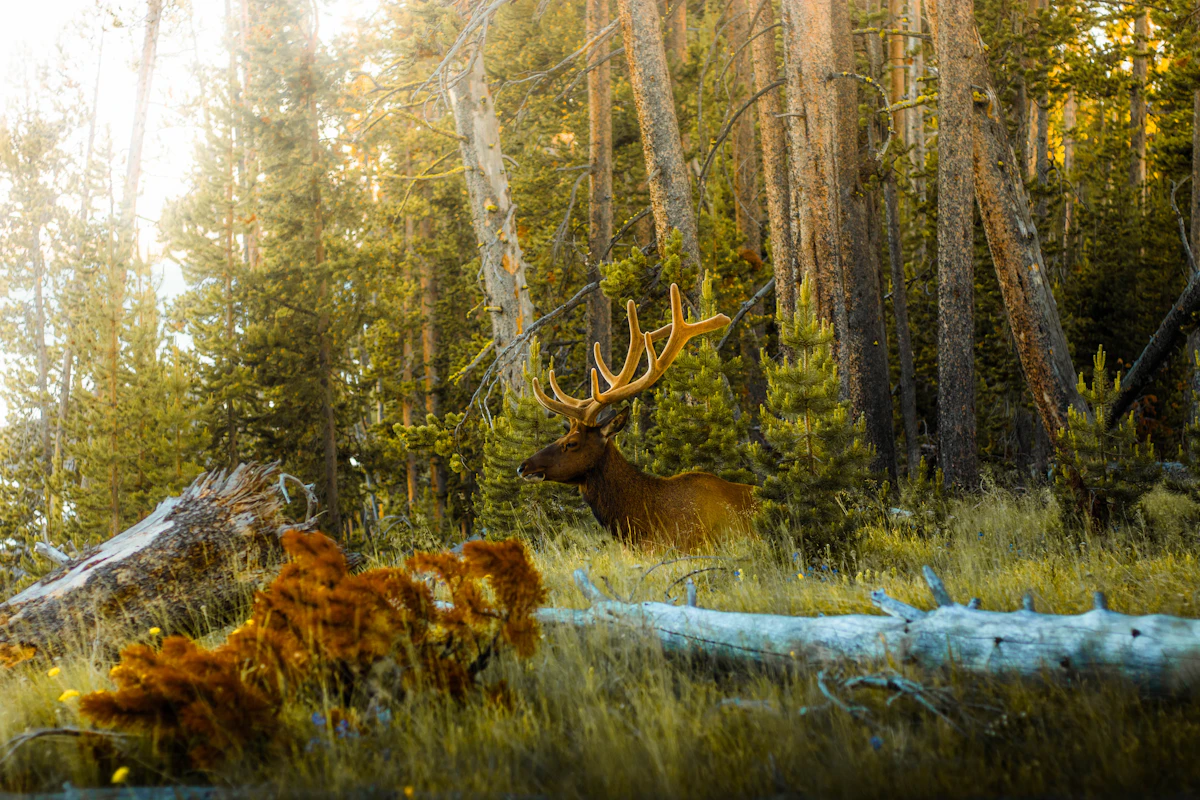
Best States for DIY California Bighorn Sheep Hunting
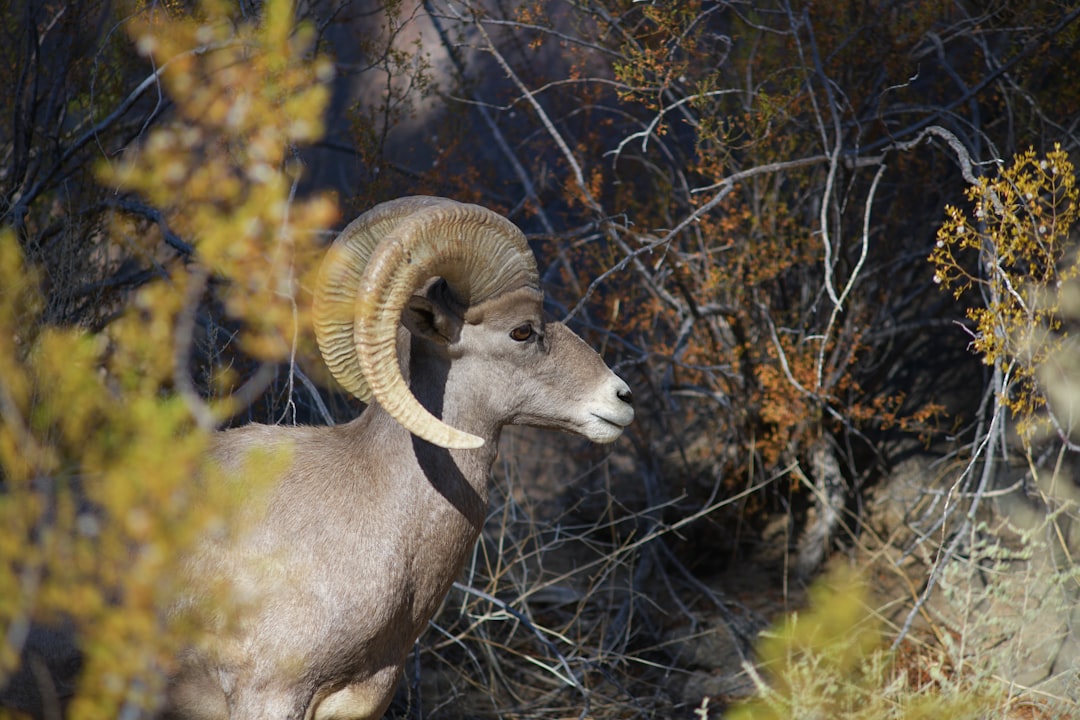
California bighorn sheep represent the pinnacle of DIY Western hunting. These desert-adapted animals live in some of the most rugged, remote terrain on the continent, and drawing a tag requires either extraordinary luck or decades of dedication. But not all states are created equal when it comes to your odds of actually punching a California bighorn tag in your lifetime.
Nevada, Oregon, Idaho, and Washington all offer California bighorn opportunities, each with distinct draw systems, tag quotas, and terrain challenges. If you're serious about chasing one of these rams on a DIY budget, understanding the differences between these states is the first step toward building a realistic application strategy.
Nevada: The Best Odds for Nonresidents
Nevada consistently offers the most California bighorn tags and the friendliest nonresident draw system in the West. The state issues around 100 California bighorn tags annually across multiple units, and nonresidents compete in the same pool as residents with no quota split.
The Nevada bonus point system means your odds improve over time, though not as dramatically as a pure preference point system. With roughly 15,000 applicants competing for those tags each year, your odds start somewhere around 0.5% and climb slowly as you accumulate points. A hunter with maximum points still faces single-digit odds in most units, but Nevada gives you the best mathematical chance of drawing a California bighorn tag during your hunting career.
Application costs run around $154 for nonresidents (license plus application fee), and you can apply for multiple sheep species in the same year. The TAGZ Nevada sheep draw odds page breaks down unit-by-unit statistics so you can target specific hunt codes.
Nevada's California bighorn units span from the northwest corner near the Oregon border down through central Nevada. Terrain varies from juniper-studded mountains to classic Great Basin desert ranges. Most units are accessible via public roads, though the final push to sheep country almost always involves steep, trailless hiking.
Oregon: Preference Points Mean Predictable Waits
Oregon runs a true preference point system for bighorn sheep, which means your place in line is guaranteed rather than probabilistic. The bad news: that line is very, very long.
With only 15-20 California bighorn tags issued annually and thousands of applicants in the queue, maximum preference points currently exceed 25 years in some units. If you're starting from zero today, you're looking at a multi-decade wait for most Oregon California bighorn units.
The upside is predictability. Unlike Nevada's bonus system where luck plays a significant role, Oregon lets you calculate almost exactly when you'll draw. Serious sheep hunters often apply in Oregon as a guaranteed eventual payoff while playing the lottery in other states.
Oregon's California bighorn units are concentrated in the southeastern corner of the state and along the John Day River drainage. The terrain tends toward steep, rocky canyons with excellent glassing opportunities. Access is generally good via BLM and state lands, making Oregon a strong DIY option once you finally draw.
Application fees are reasonable at around $50 for nonresidents, making it easy to build points while focusing your lottery luck elsewhere.
Idaho: Controlled Hunts With Solid Ram Quality
Idaho offers California bighorn opportunities in several units along the Salmon River corridor and in the Owyhee country near the Nevada border. The state uses a hybrid system with preference points, though sheep tags heavily favor accumulated points.
Idaho issues roughly 30-40 California bighorn tags annually, with nonresidents capped at around 10% of the total. This quota split significantly impacts your odds compared to Nevada's open pool. Expect to apply for 15-20 years before drawing a California bighorn tag in Idaho, even with consistent point accumulation.
The terrain in Idaho sheep country is notoriously rugged. The Salmon River canyon units feature some of the steepest, most technical sheep hunting in North America. These aren't casual DIY hunts—they demand serious physical conditioning and backcountry experience. The Owyhee units offer slightly more forgiving terrain but still require extensive scouting and glassing skills.
Idaho's nonresident application fee runs around $186, which adds up over a decades-long point accumulation strategy. Factor this into your budget when deciding how many states to include in your sheep portfolio.
Washington: Limited Tags, Heavy Competition
Washington offers California bighorn hunting in several units east of the Cascades, but the state's tag allocation is minimal. With fewer than 10 California bighorn tags most years and a preference point system, Washington represents the longest wait of any state covered here.
The advantage is that Washington sheep hunting pressure is relatively light once you draw. Smaller herds and fewer tags mean less competition in the field, and the state's rams consistently reach mature ages. If you live in the Pacific Northwest and want a somewhat local sheep hunt, Washington makes sense as a long-term investment.
For nonresidents, Washington's application and license fees are moderate, but the decades-long point accumulation makes this a commitment measured in generations rather than years.
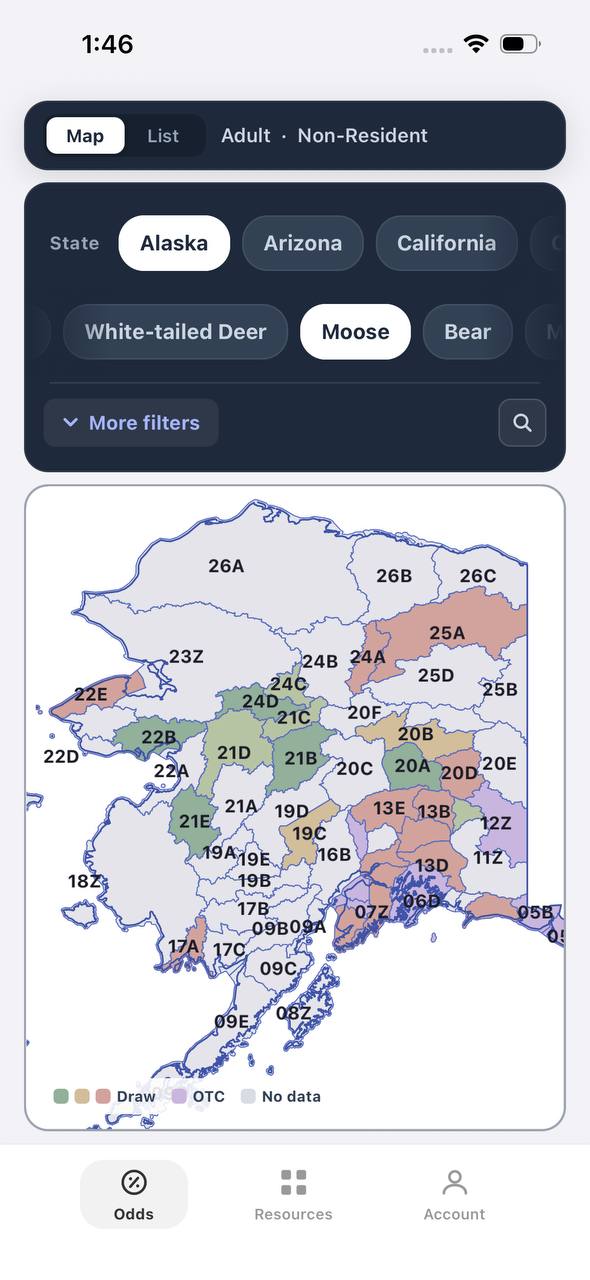
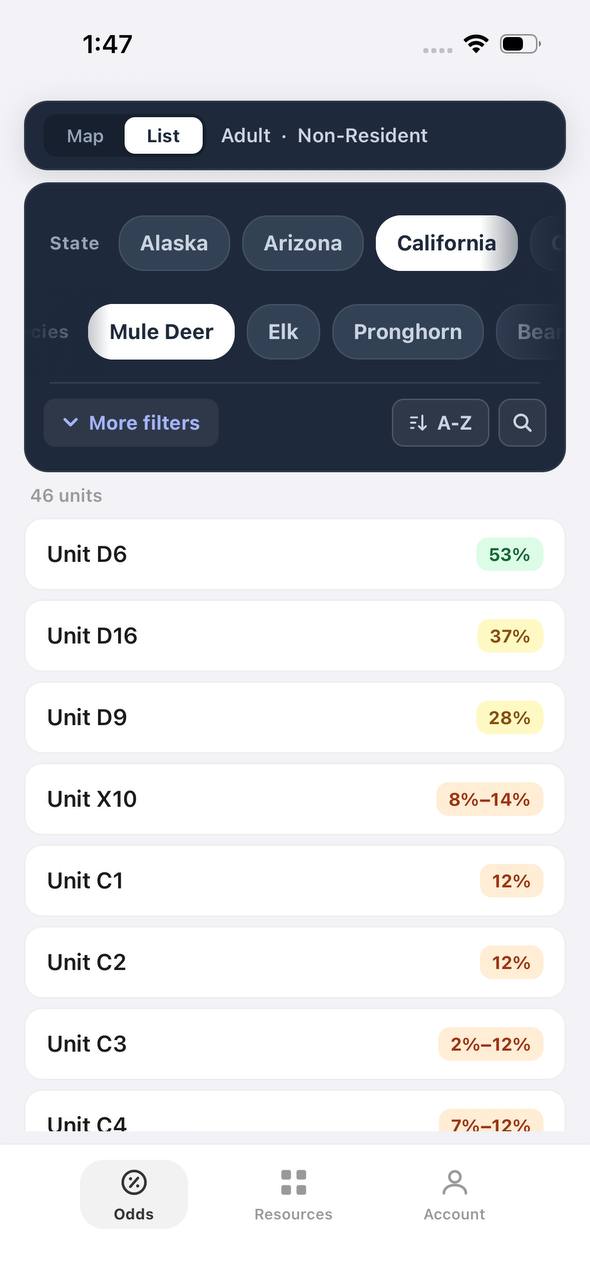
Free to join
Download mobile app
- Detailed draw odds
- Point tracking
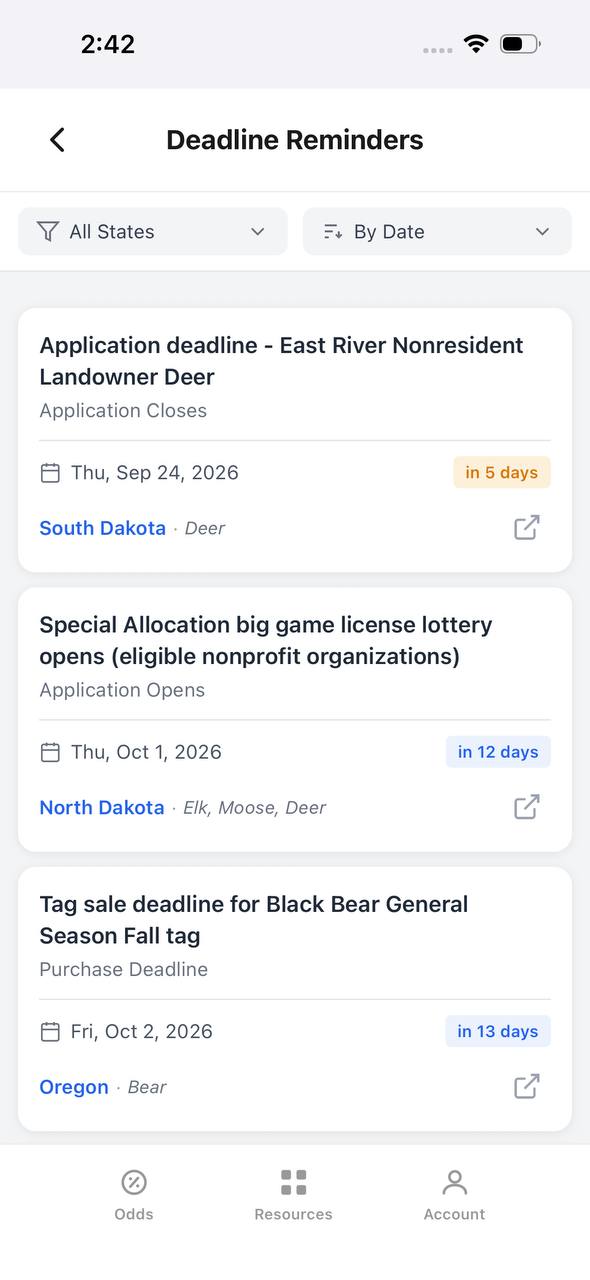
- Deadline reminders
- 18 states covered

Free to join
Download mobile app
- Detailed draw odds
- Point tracking
- Deadline reminders
- 18 states covered
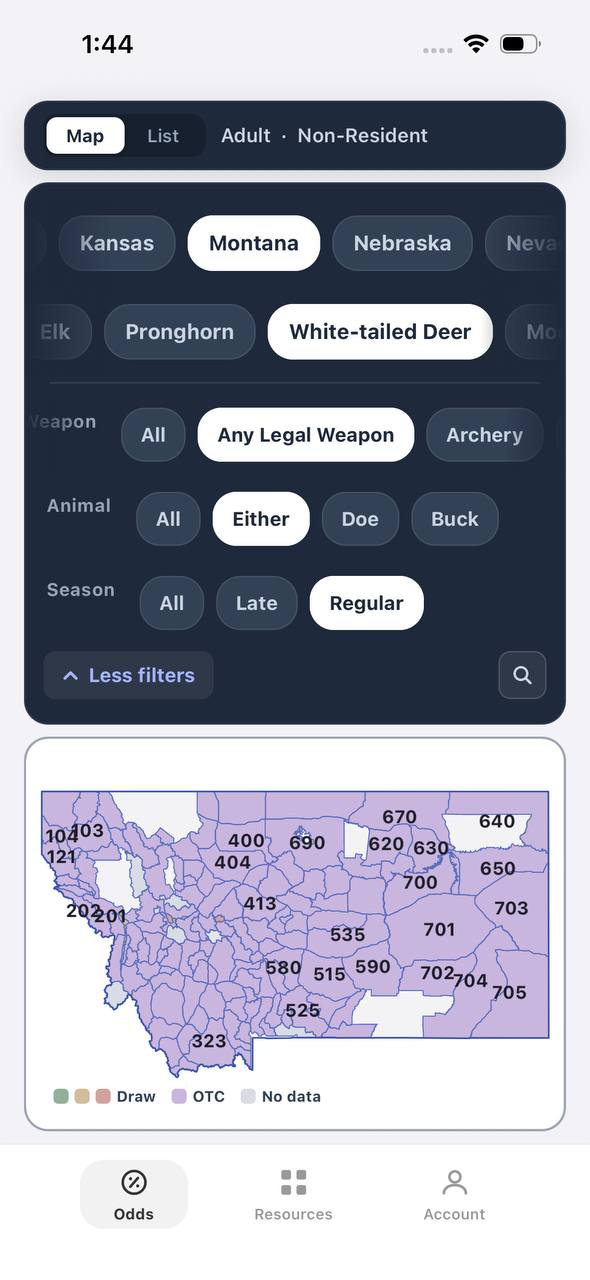
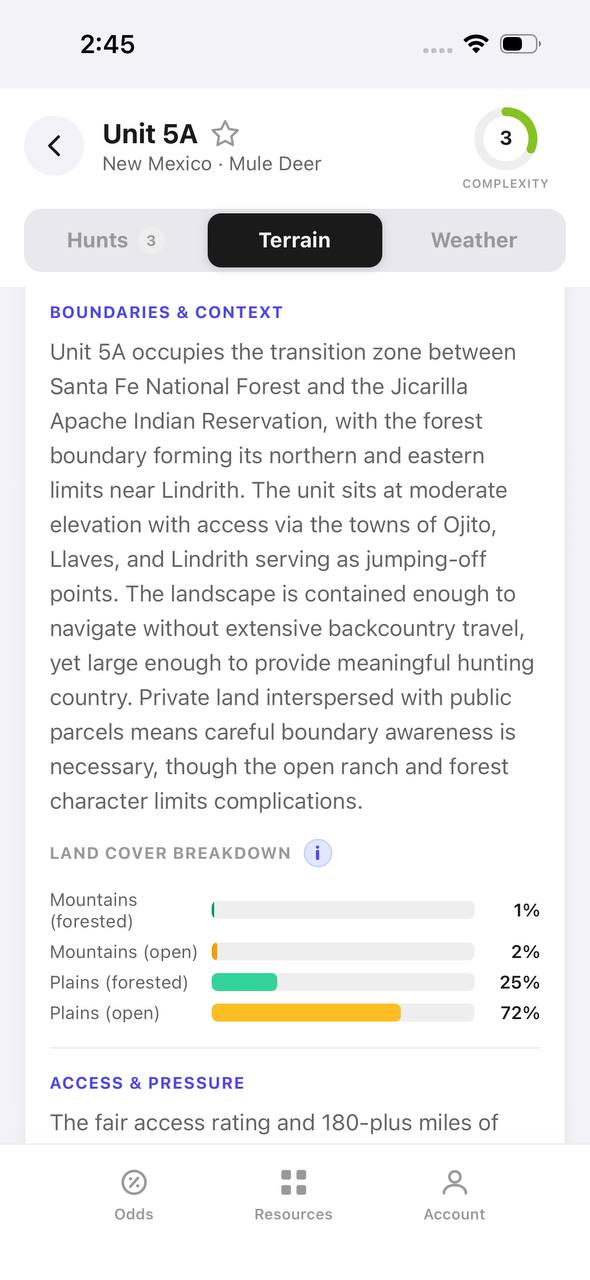
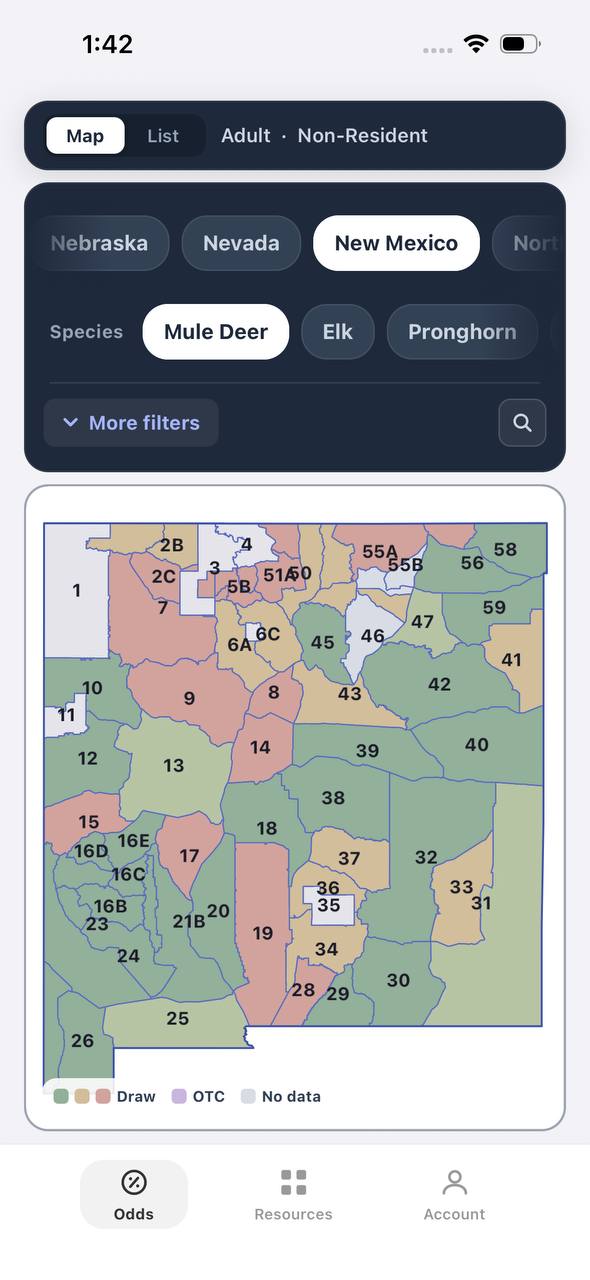
Free to join
Download mobile app
- Detailed draw odds
- Point tracking
- Deadline reminders
- 18 states covered
Building a Multi-State Sheep Strategy
Serious DIY sheep hunters don't rely on a single state. The most effective approach spreads applications across multiple states to maximize your cumulative odds of drawing a tag during your hunting lifetime.
A typical portfolio might look like this:
- Nevada: Primary lottery state. Apply every year for the best random-draw odds.
- Oregon: Guaranteed eventual payoff. Start building points early and wait.
- Idaho: Middle-ground option with decent tag quotas and quality rams.
- Washington: Optional if you're a Pacific Northwest resident or have extra application budget.
The combined annual cost of maintaining applications in all four states runs around $400-500, which adds up over decades. But spreading your bets dramatically increases your chances of actually hunting a California bighorn sheep instead of just collecting points forever.
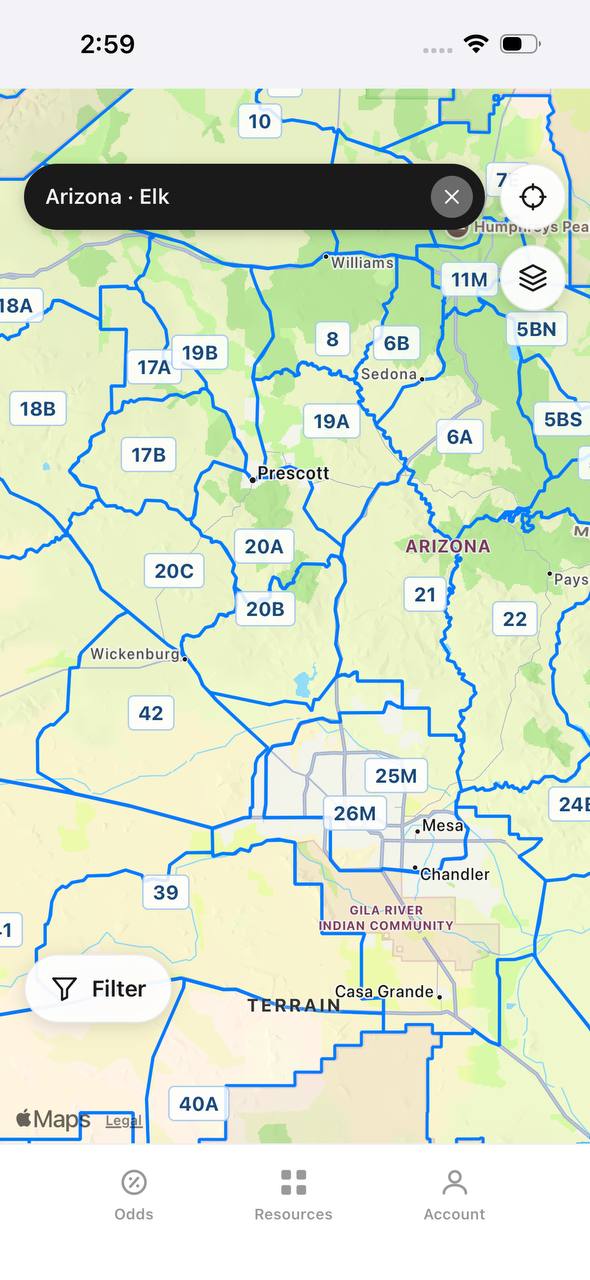
For detailed draw statistics and unit comparisons, the California Game Units | TAGZlet you analyze historical odds and plan your applications strategically.
What to Expect When You Finally Draw
DIY California bighorn hunting is a different animal than most Western big-game pursuits. These sheep live in small, scattered bands across terrain that punishes mistakes. Expect to spend more time behind glass than behind the rifle, covering miles of ridgeline each day looking for legal rams.
Physical preparation is non-negotiable. Most successful DIY sheep hunters can comfortably hike 8-12 miles per day over steep, rocky terrain while carrying 40+ pounds of gear. You'll need quality optics, a reliable backcountry shelter system, and the patience to pass on young rams while waiting for a mature animal to show himself.
Scouting trips before your hunt are valuable but not always practical given the remote locations. Many hunters rely on e-scouting via satellite imagery and OnX maps, combined with phone calls to local biologists, to identify sheep concentrations before arrival.
Is DIY California Bighorn Hunting Realistic?
Absolutely—but only with realistic expectations. You will apply for years or decades before drawing a tag. The hunt itself will challenge you physically and mentally. And there's no guarantee of success even with perfect preparation.
But for hunters who value the experience over the outcome, California bighorn hunting offers something irreplaceable: the chance to pursue one of North America's most iconic animals in true wilderness conditions without a guide calling the shots.
Start applying now, build points in multiple states, and stay in shape. When your number finally comes up, you'll be ready.
FAQ — California Bighorn Sheep Hunting
Which state has the best odds for nonresident California bighorn tags?
Nevada offers the best nonresident odds due to its larger tag allocation and lack of resident/nonresident quota splits. Expect initial odds around 0.5% that slowly improve with bonus points.
How long does it take to draw a California bighorn tag?
It depends on the state. Oregon's preference system means 20-30 year waits in most units. Nevada's bonus system is less predictable but offers a chance at drawing sooner through luck. Budget for at least 15-20 years of applications regardless of state.
Can I apply for California bighorn in multiple states the same year?
Yes. There are no restrictions against holding applications in multiple states simultaneously, and serious sheep hunters typically maintain active applications in 2-4 states to maximize their lifetime draw odds.
Is a guided hunt necessary for California bighorn sheep?
No. California bighorn habitat is generally accessible via public land, and the hunts are DIY-friendly for experienced backcountry hunters. However, the remote terrain and long waits between tags lead many hunters to book guides for their once-in-a-lifetime opportunity.
What's the success rate on DIY California bighorn hunts?
Success rates vary by unit but typically range from 50-80% for California bighorn hunts. The limiting factor is usually hunter effort and physical conditioning rather than animal availability. Hunters who put in the miles and glassing time generally find legal rams.
How much does a California bighorn sheep hunt cost total?
DIY costs include tag and license fees ($500-1,500 depending on state), years of application fees ($50-200 annually), travel, and gear. Budget $3,000-5,000 total for a DIY California bighorn hunt after accounting for accumulated application costs.
Was this article helpful?
Previous
How Professional Guides Find Bulls Fast — Proven Tactics From the Field
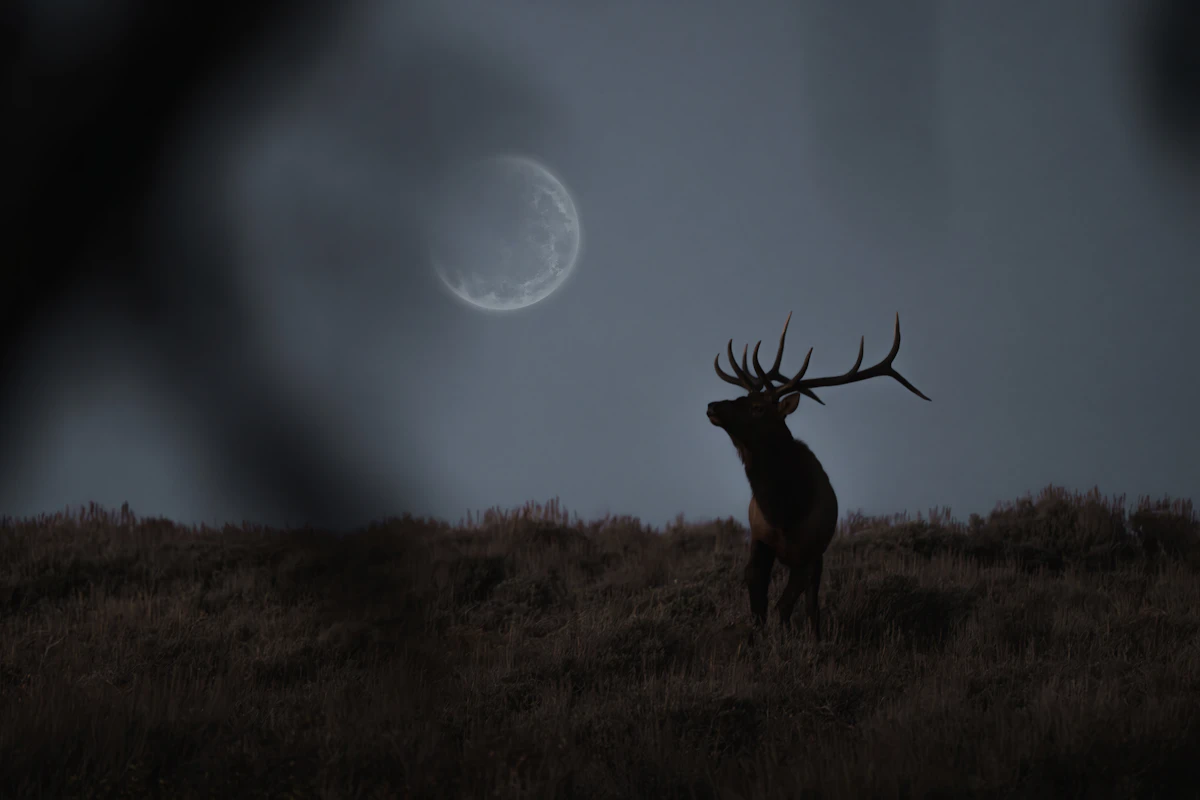
Professional elk guides don't spend days wandering blindly. They use systematic glassing strategies, terrain reading, and pattern recognition to locate bulls quickly and consistently.
Related
Why Most Hunters Walk Past Elk (And How to Stop)
Most elk hunters never realize they've walked past bedded bulls or cows hiding in plain sight. Understanding elk behavior, terrain use, and where to look will dramatically increase your success rate.
Next
Why I Rarely Hunt the First Ridge — Lessons from 20 Years in Elk Country
Most hunters glass from the first ridge they reach, but that's exactly why it rarely holds mature animals. Learn why pushing deeper pays off and how to identify pressure zones before you ever leave the truck.