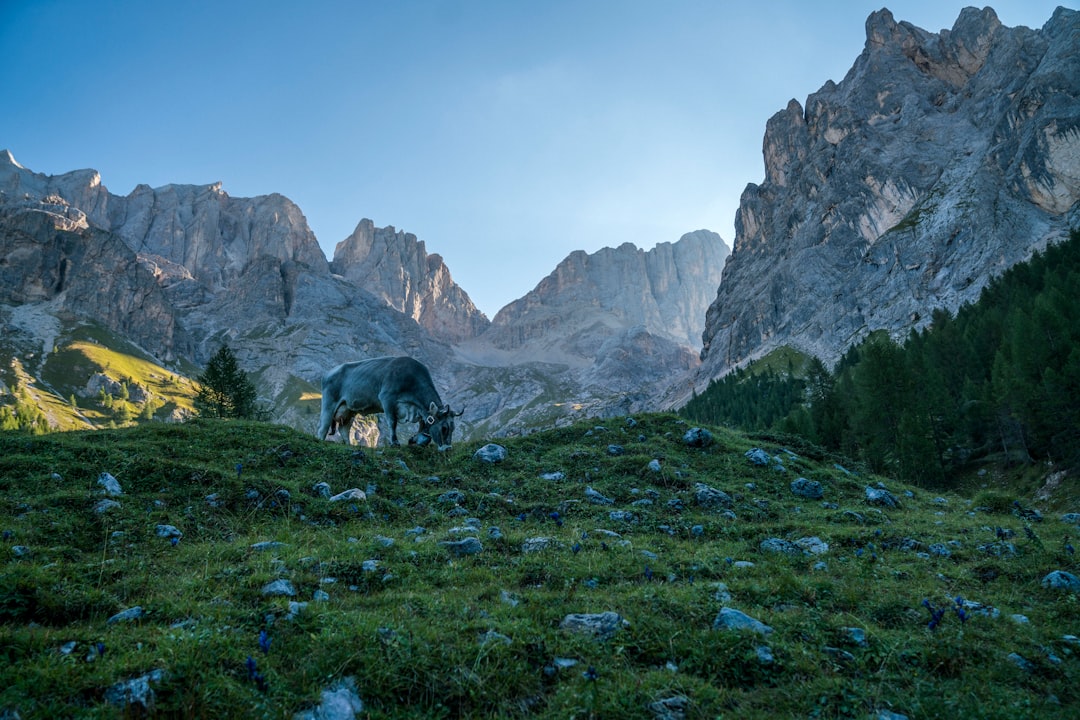
How Colorado Preference Points Work — Complete Draw Guide
Few topics trip up western hunters more than preference points, and Colorado's system is one you'll deal with whether you chase elk, mule deer, pronghorn, or bear. The short version is simple: Colorado ranks applicants by how many points they hold and hands out tags to the highest point-holders first, working down the line until that hunt's tags run out. Understanding that one rule, and learning how to play it, is the difference between hunting on a schedule and stacking up points for a decade with nothing to show for it.
How the draw actually works
Think of a preference point as your place in line. Every year you don't draw a tag, or apply specifically for a point, you bank one, and the more you hold, the earlier you're considered. Picture a hunt with 100 tags. The draw starts with the highest point-holders and works down, everyone at fifteen points, then fourteen, then thirteen, until the tags are gone. If the quota fills somewhere in the thirteen-point group, applicants sitting at twelve or fewer simply don't draw that year. That's the whole engine.
A couple of details matter. Points are tracked separately for each species, so your elk points and your deer points never mix, and you generally need to buy a qualifying license before you can apply or bank a point at all. None of it is free, which is part of why a real plan pays off.
What's realistic by species
Colorado is one of the most accessible elk states in the West. Plenty of solid tags go to hunters holding zero, one, or two points, while the marquee trophy units climb far higher. That mix is exactly why Colorado is such a good place for newer western hunters to start, you can actually get in the field while you learn.
Mule deer is a different animal. Demand keeps rising, and the best units can take many years, sometimes decades, for a nonresident to draw. Pronghorn has grown more competitive too, with the top units seeing real point creep, while bear remains one of the easier species to pull with few points and short waits. Knowing where your target species falls on that spectrum shapes everything else.
Point creep, and why your number lies to you
The trap most hunters fall into is watching their own point total climb and assuming they're getting closer. The problem is the bar is moving at the same time. As more applicants enter the system and stay in it, a hunt that took five points a few years ago might take seven or eight today. You can gain a point every single year and still lose ground. That's point creep, and it's the main reason chasing one famous unit forever is so risky.
Don't hoard points
Points only have value when you use them. The hunters who get stuck are usually the ones holding out for a perfect tag, watching seasons slip by while their points pile up. A smarter play for most people is to target mid-tier units, the ones that take a modest number of points but still produce great animals with far better odds. You give up a little top-end potential and get years of actual hunting in return.
It comes down to being honest about your goal. If you want to hunt often, build a strategy around tags you can realistically draw and burn points when the odds line up. If you're truly after one trophy of a lifetime, commit to the long game with eyes open. What gets people in trouble is doing neither, drifting along buying points with no plan behind them.
A simple long-term approach
Pick a realistic target unit or two, track your points each year, and stay flexible enough to drop down to a mid-tier hunt when it lines up. Pay attention to hunt codes, since each one ties together a species, unit, season, and weapon, and learn how first-choice selections affect your points, because that's where people most often burn points they meant to keep. Played that way, Colorado lets you hunt regularly and still build toward something special down the road.
This is also where a tool like TAGZ earns its keep, pulling current draw odds, tracking your points, and comparing hunt codes so you're applying with a plan instead of a guess.
Was this article helpful?
Previous
Understanding Migration Corridors: The Key to Western Big-Game Success
Learn how migration corridors shape your 2026 western hunt, influence animal movement, and how you can use this knowledge for better tag choices and strategies.
Next
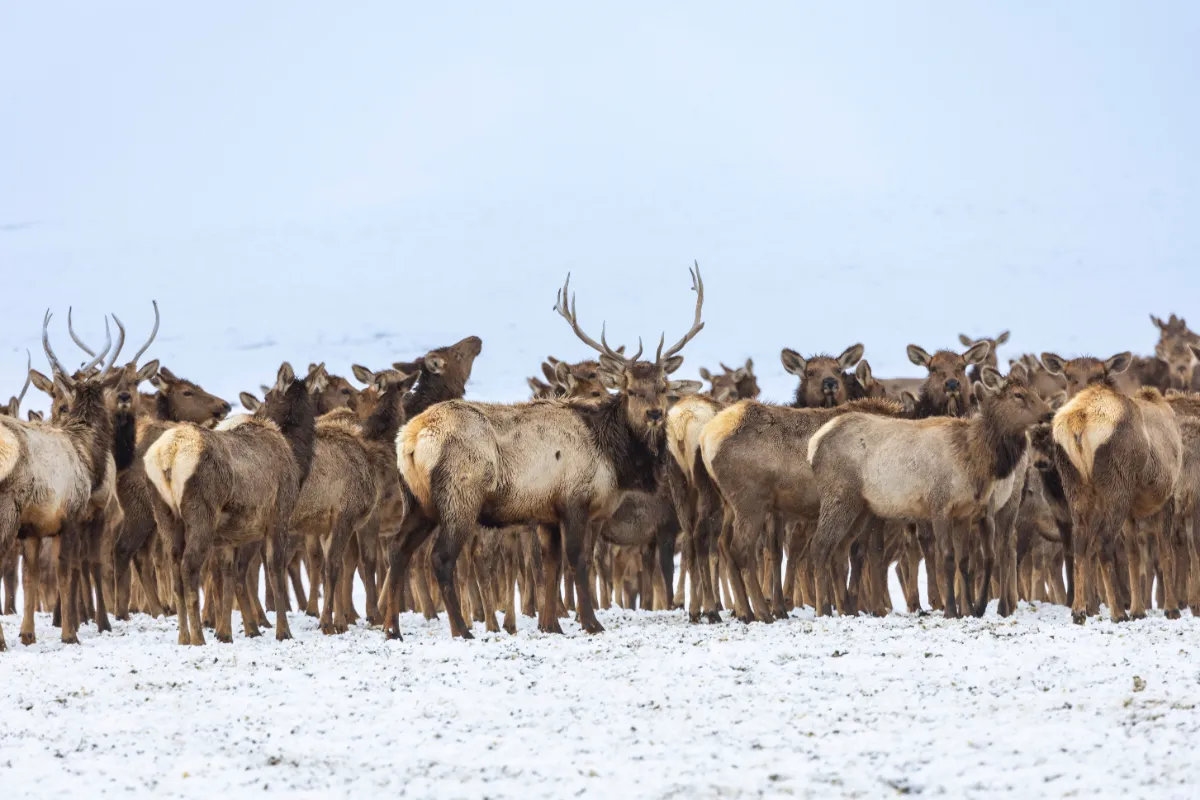
Best Elk Hunt Basecamp Locations
Best Elk Hunt Basecamp Locations breaks down realistic elk planning around terrain, access, pressure, scouting, and hunter behavior so TAGZ readers can build a practical western hunt plan instead of chasing hype.