How Montana's Preference & Bonus Point Systems Work | Complete Draw Guide
Montana runs two separate point systems at the same time, which is exactly why its draw trips up so many applicants. Preference points get nonresidents their deer and elk combination licenses, while squared bonus points improve your odds on limited-entry permits like trophy elk, mule deer, antelope, moose, sheep, and mountain goat. Most hunters need a little of both — and mixing the two up is the single most common Montana application mistake.
Montana is one of the most complete hunting states in the West, and that's exactly why its draw trips people up. You've got everything here — elk in the northwest mountains, mule deer and pronghorn out in the Missouri River Breaks and eastern prairie, whitetails, moose, both subspecies of bighorn, mountain goats, and black bears. The opportunity is enormous. The application system that stands between you and all of it just takes a little untangling, because unlike most western states, Montana doesn't use one point system. It uses two, and they do completely different jobs.
Montana uses two point systems, and they aren't the same
This is the part worth slowing down on. A lot of hunters assume preference points and bonus points are two names for the same thing. They aren't, and treating them interchangeably is how people end up buying the wrong point for years.
Preference points move you up a line. They're used almost exclusively to secure the nonresident combination licenses that let you hunt Montana's general units in the first place. Whoever holds the most preference points gets those licenses first, in order, until they run out.
Bonus points don't move you up a line — they buy you extra tickets in a random draw. They're used for the limited-entry permits: the trophy elk and mule deer areas, antelope, moose, both bighorn subspecies, and mountain goat. More bonus points mean more chances in the hat, but never a guaranteed spot.
Keep that distinction straight and the rest of Montana's system falls into place.
The combination license comes first
Here's the wrinkle that catches nonresidents off guard: before you can hunt deer or elk in most of Montana's general units, you generally need a combination license, and there are a few flavors to choose from.
The General Elk Combination covers elk in general units. The General Deer Combination covers general deer units. And the Big Game Combination bundles both general deer and general elk together. For most out-of-state hunters chasing a flexible, boots-on-the-ground season, the Big Game Combination is the one worth looking at first — it keeps the most doors open.
Preference points apply to these combination licenses, and the good news is you usually don't need many. Plenty of nonresidents draw a combination license with zero or one point, depending on how much demand shows up in a given year. Building a point or two smooths out the odds, but it's a far cry from the decade-long point chases you'll find in other states.
How bonus points actually work in Montana
Once you're past the combination license, the limited-entry permits are a different game entirely — and this is where bonus points come in. Every year you apply for a limited-entry permit and don't draw, you pick up a bonus point. Unlike Colorado's straight preference line, those points never march you to the front. Instead, they add chances to the random draw.
What makes Montana distinctive is that it squares your bonus points. Your number of chances is your point total multiplied by itself, so the reward for sticking with it compounds fast:
- 0 points → 1 chance
- 5 points → 36 chances
- 10 points → 121 chances
- 20 points → 441 chances
A hunter with ten years in has roughly 121 times the pull of a first-year applicant on that same tag — but a zero-point applicant still has a live ticket in the drum every single year. That combination of "loyalty is rewarded" and "nobody is ever locked out" is what makes Montana worth playing long-term.
The two-step tags: general license plus a permit
Some of Montana's best units add a second step that surprises people. Drawing a general combination license doesn't automatically unlock every elk or deer unit. The premier limited-entry elk areas require your general combination license and a separate limited-entry permit on top of it. The same goes for the top mule deer units — a general deer license gets you in the state, but the trophy areas need that extra permit, and they draw plenty of pressure.
It's worth understanding this before you apply so you don't assume a general license is a golden ticket to the marquee units. For a lot of hunters, it isn't — and that's fine, because Montana's general hunting is excellent on its own.
Free to join
Download mobile app
- Detailed draw odds
- Point tracking
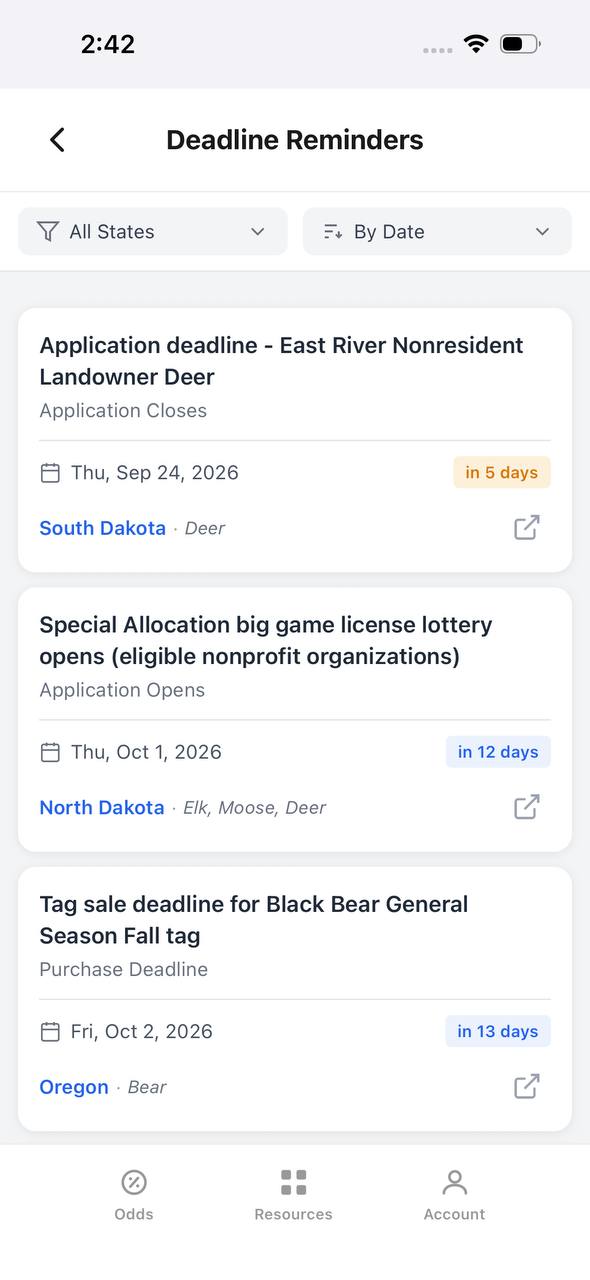
- Deadline reminders
- 18 states covered

Free to join
Download mobile app
- Detailed draw odds
- Point tracking
- Deadline reminders
- 18 states covered
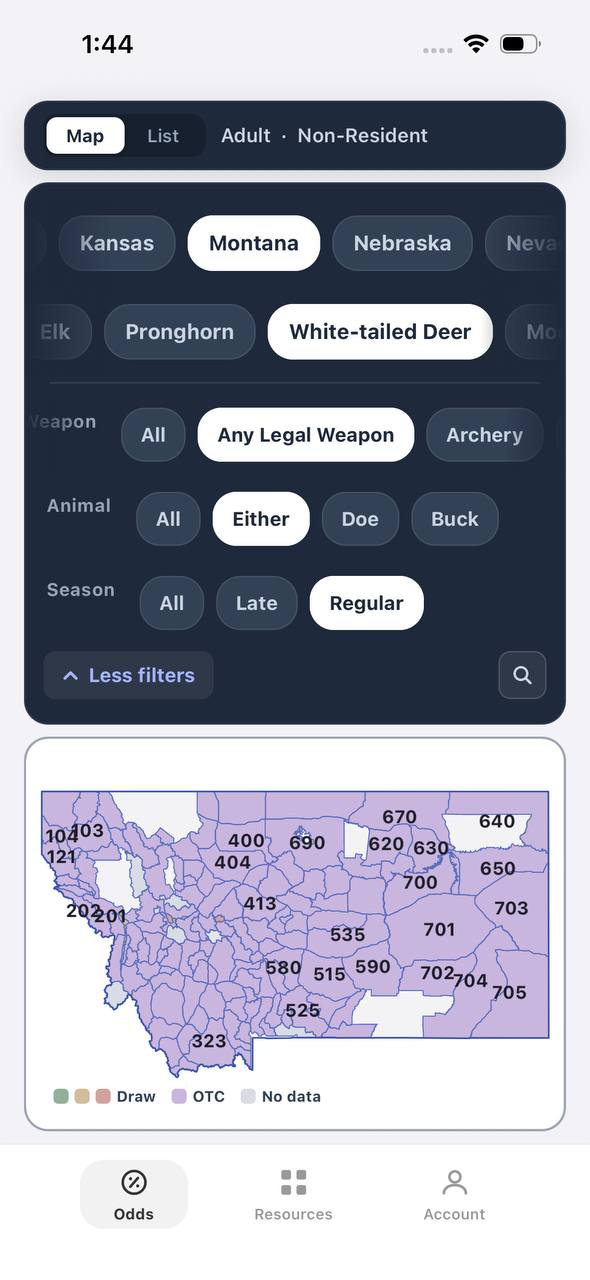
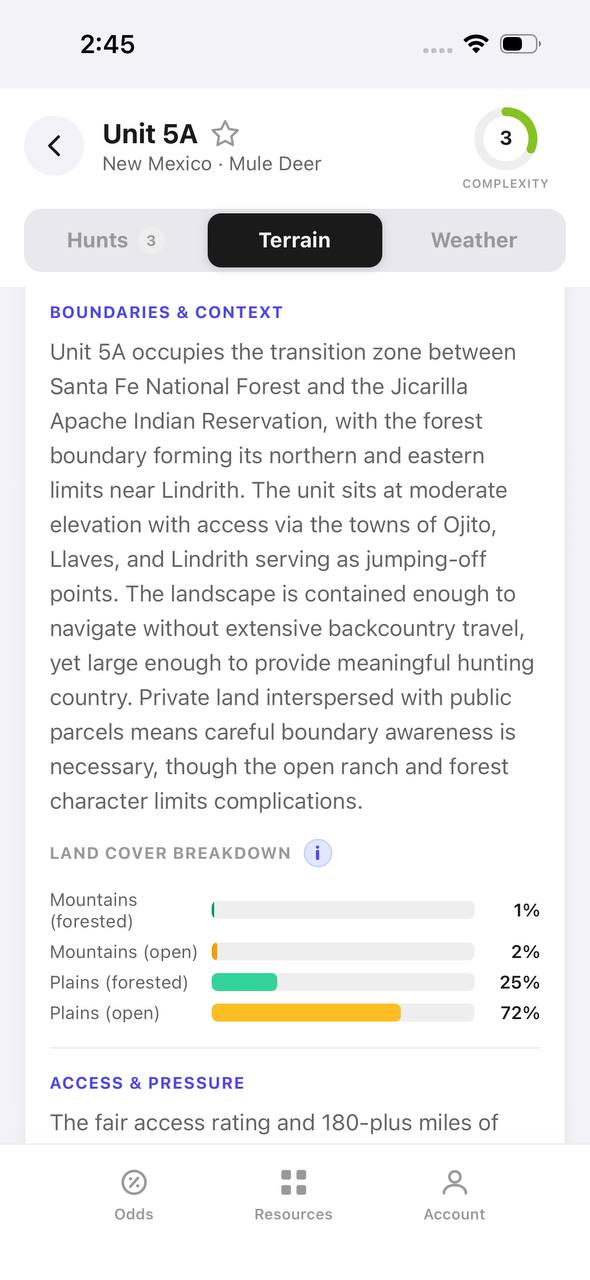
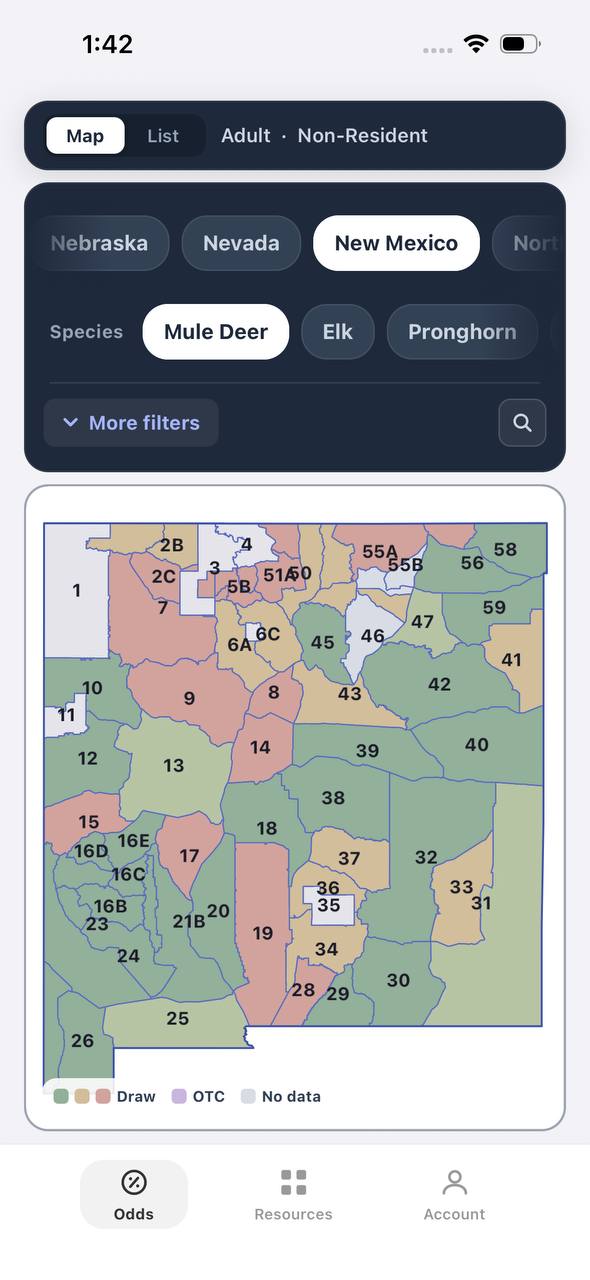
Free to join
Download mobile app
- Detailed draw odds
- Point tracking
- Deadline reminders
- 18 states covered
What you can actually hunt
General elk is the backbone of Montana for many nonresidents. The general units offer annual opportunity, huge public-land access, real DIY hunting, and genuinely good bull potential. A lot of hunters never bother with limited permits and still tag good bulls year after year.
Limited-entry mule deer is where the mature bucks live. Expect the best units to need a general license plus a permit, and expect company — these areas produce, and applicants know it.
Antelope runs through limited-entry permits, and the draw odds swing widely by unit. Do the homework before you apply; some units are far easier than their reputations suggest.
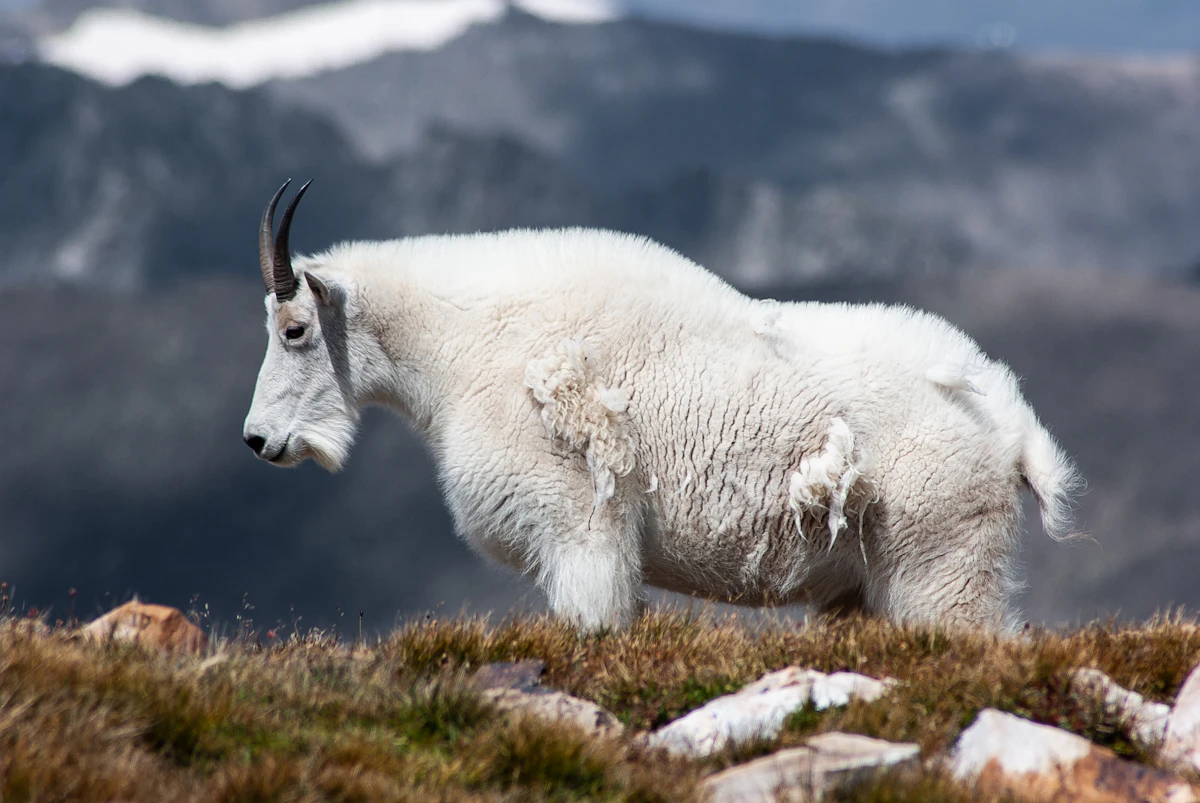
Shiras moose, both bighorn subspecies, and mountain goat are the once-in-a-lifetime tier. Every applicant goes into the bonus-point draw, the odds stay low, and patience is the whole strategy. Drawing any of them is a career highlight.
Black bear rounds things out with quality general-season opportunity across much of the state.
Public land and Block Management
Montana is a public-land powerhouse — millions of acres of National Forest, BLM, and state land are open to hunters. But its real ace is the Block Management Program, which pays private landowners to open their ground to public hunting. It effectively adds millions more acres of walk-in access to deer, elk, and antelope country every season. Learn the Block Management rules for the areas you're eyeing before your hunt; it's one of the best access tools in the West and it rewards hunters who plan around it.
Common Montana mistakes to avoid
Most Montana missteps come down to a handful of repeat offenders: confusing preference and bonus points, forgetting the combination license has to come first, overlooking the general hunts while fixating on famous units, and skipping the research on which units actually need a second permit. None of these are complicated once you know the system — they just cost people tags when they don't.
How TAGZ fits into your Montana plan
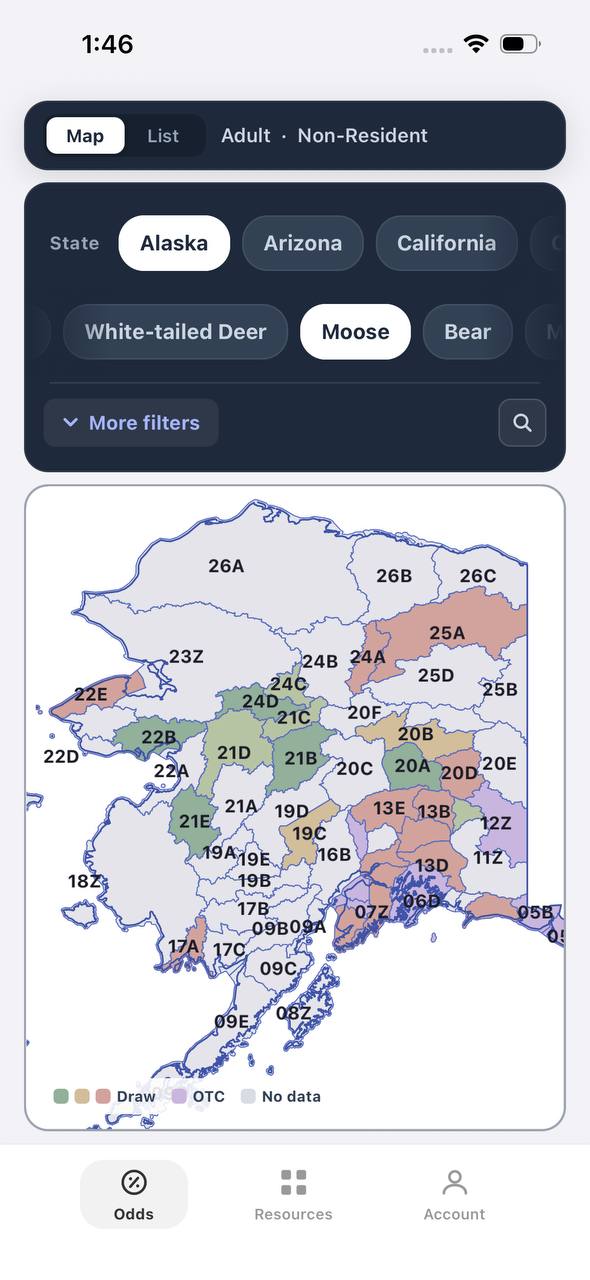
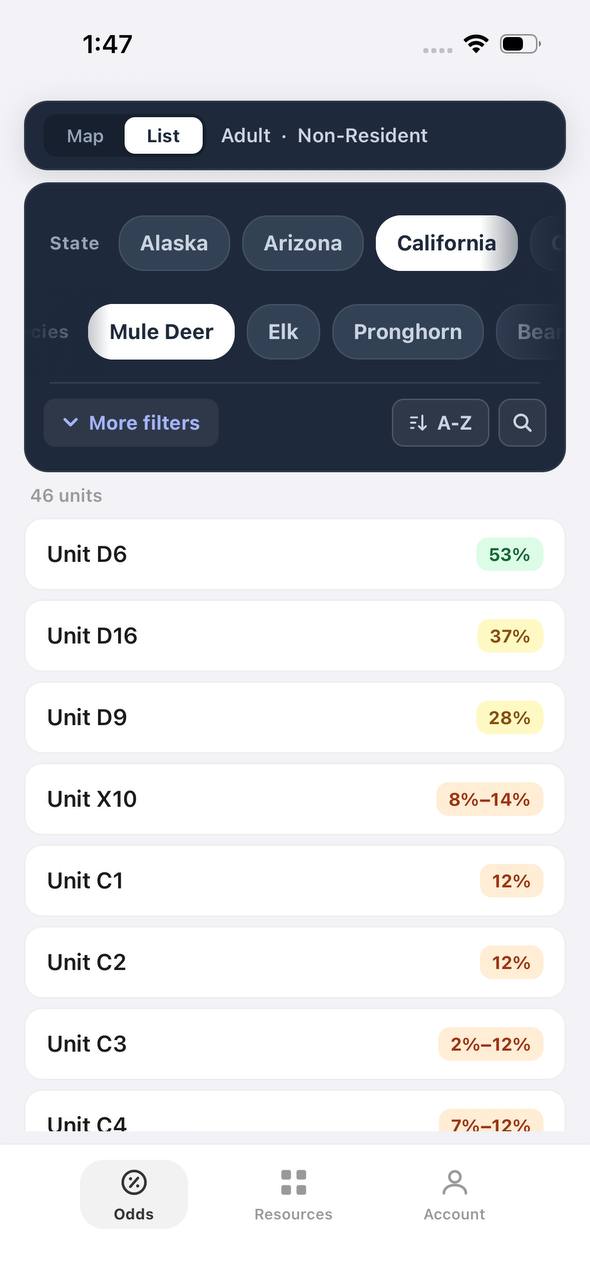
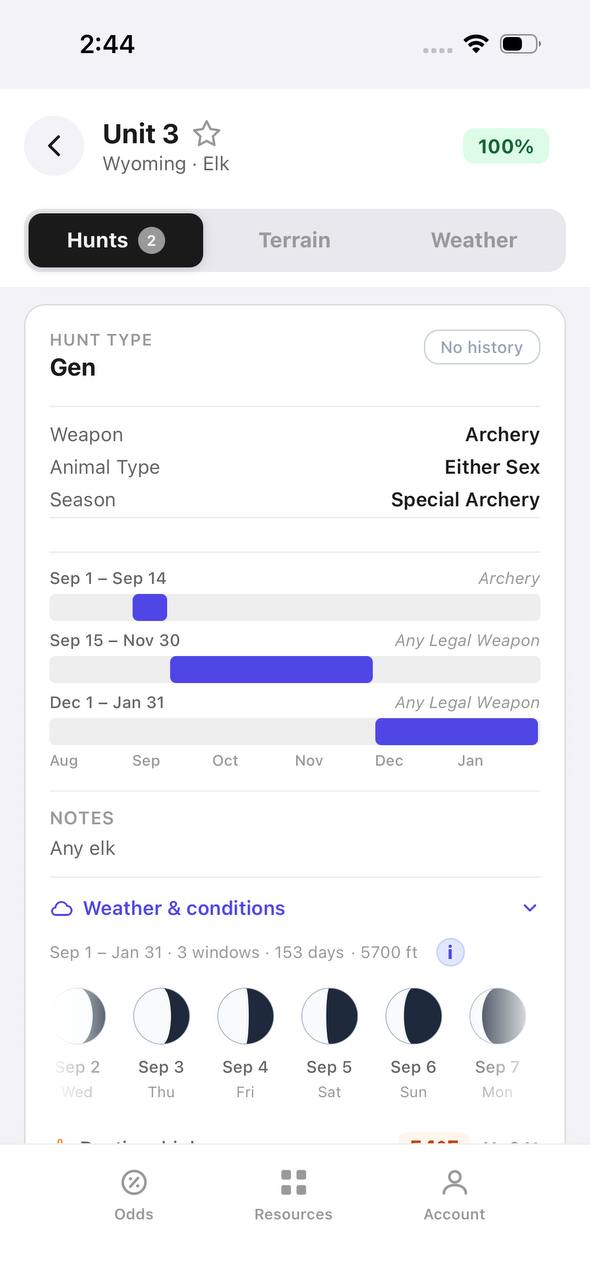
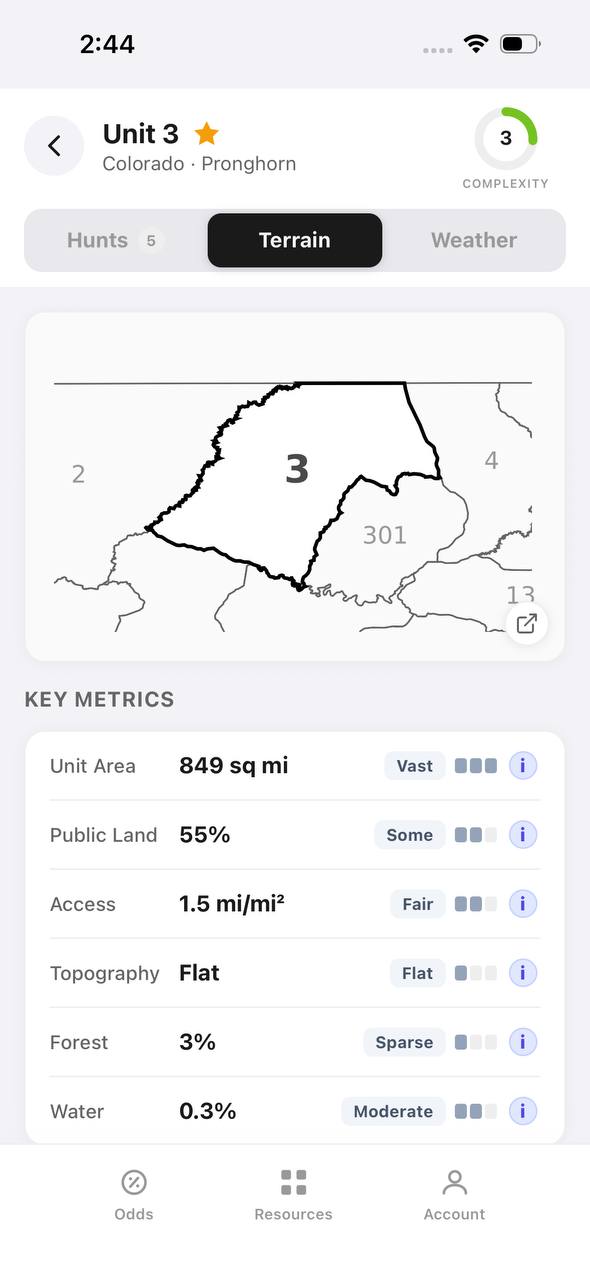
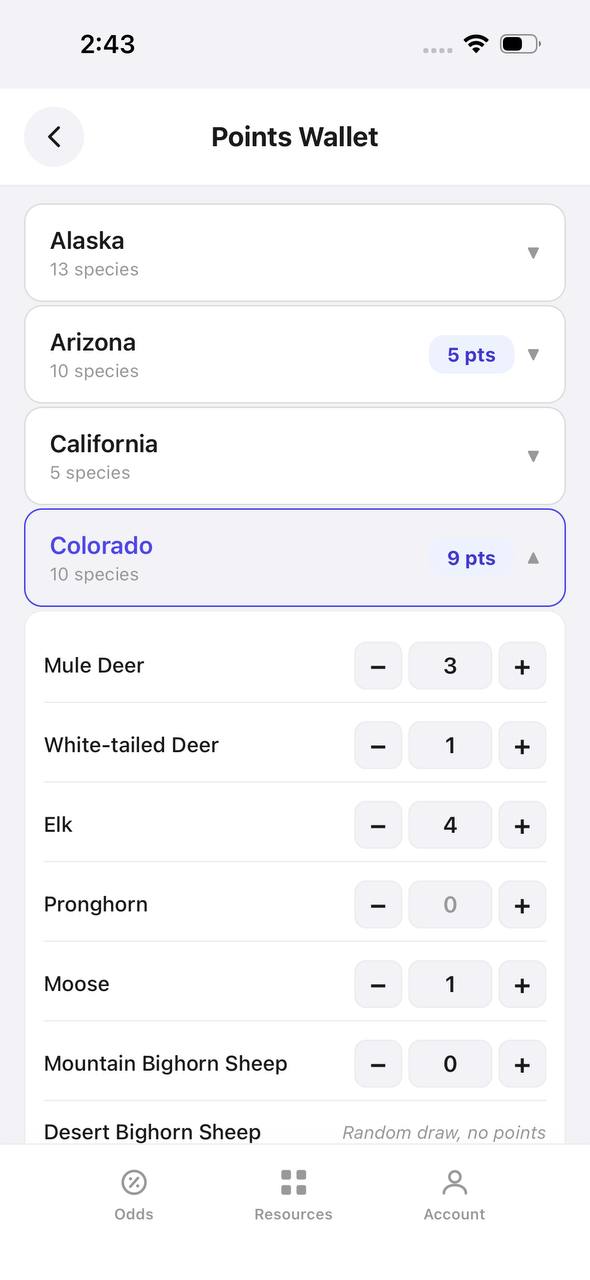
Montana's two-track system is exactly the kind of thing that's easy to get wrong on paper. TAGZ helps you compare general and limited-entry hunts side by side, read the draw odds honestly, keep your preference and bonus points tracked separately, and slot Montana into a smart multi-state application plan — whether you're booking your first general elk hunt or grinding bonus points toward a sheep tag.
For more on how the neighboring systems compare, see How Wyoming Preference Points Work, How New Mexico's Draw Works, and How Idaho's Hunting Draw Works. When you're ready to pick units, start with Best Montana Elk Units.
FAQ — Montana Hunting Draw System
Does Montana have preference points?
Yes. Preference points are used for the nonresident combination licenses that let you hunt general deer and elk units.
Does Montana have bonus points?
Yes. Bonus points apply to limited-entry permits — trophy elk and deer, antelope, moose, both bighorn subspecies, and mountain goat — and Montana squares them, so long-term applicants gain chances quickly.
Can I hunt elk with just a combination license?
In many general units, yes. But some trophy elk units require your general combination license plus a separate limited-entry permit.
What is Montana's Block Management Program?
It's a state program that pays landowners to open private ground to public hunting, adding millions of acres of walk-in access each year.
Is Montana worth applying for?
Absolutely. Between annual general opportunity, massive public land, and world-class trophy potential, Montana belongs in almost any western application strategy.
Was this article helpful?
Previous
How New Mexico's Draw Works | Complete Hunting Draw Guide
New Mexico's fully random draw makes it one of the most attractive western states for residents and nonresidents alike. With no preference or bonus points, every applicant has the same odds every year — so hunt selection is everything.
Related
Best States for DIY Mountain Goat Hunting: Where to Apply and What to Expect
Mountain goat tags are among the hardest to draw in North America, but a handful of Western states offer realistic DIY opportunities. Here's where to focus your applications and how to build a strategy that actually results in a tag.
Next
How Idaho's Hunting Draw Works | Complete Draw Guide
Idaho is one of the last true opportunity states in the West. With no preference or bonus points, controlled hunts are a straight random draw and many general tags sell first-come, first-served — ideal for hunters who want to hunt often instead of waiting years.