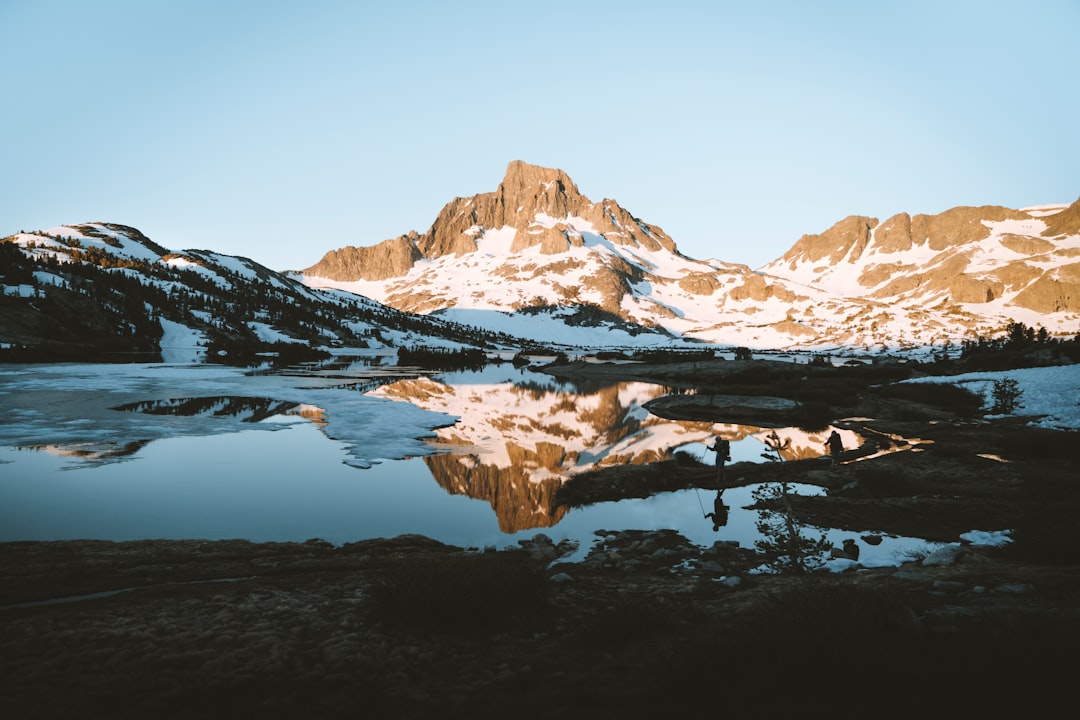
Best Idaho Elk Units
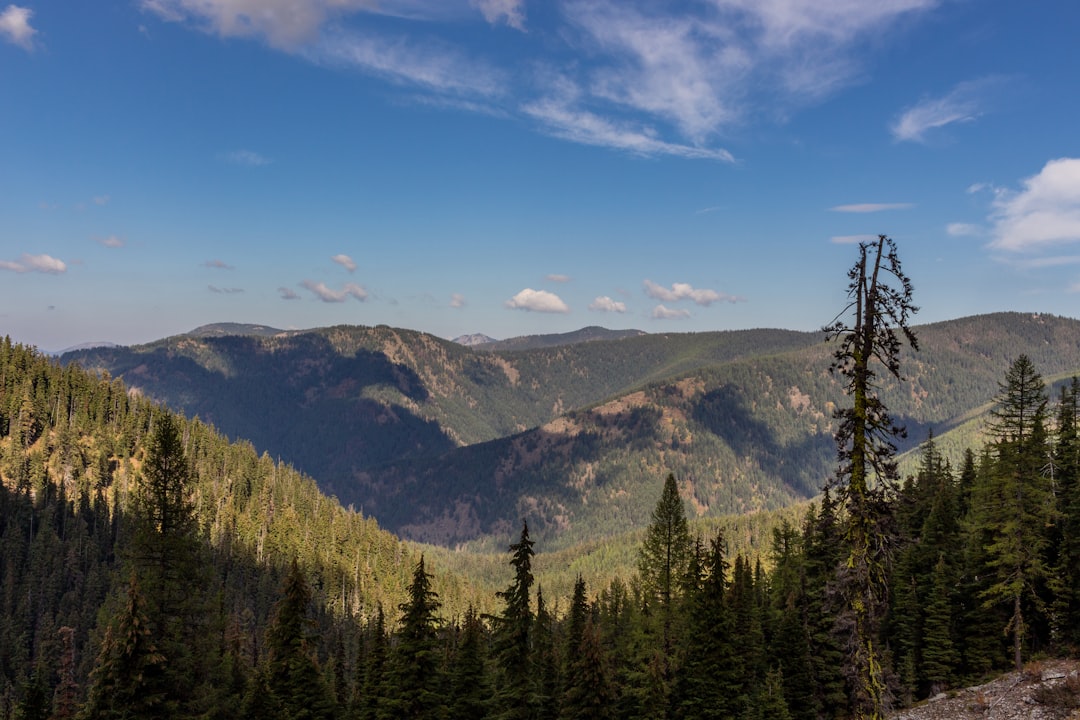
Idaho's elk hunting is shrouded in mystery, much like the thick, dark timber that characterizes its landscapes. In these shadowy expanses, elk find both refuge and concealment, challenging hunters to adjust their strategies. Success in Idaho demands a shift from laziness to patience, where the ability to hear more than you see becomes crucial.
In the palisades of dense forests, where visibility is often a luxury, it's not the sight lines that lead to elk but rather the sounds of the forest—twig snaps, distant bugles, and the rustle of foliage. As an experienced hunter, you know that these clues can guide you to your quarry, provided you have the discipline to move slowly and interpret the natural conversation around you.
Isolating your senses from visual distractions and trusting the subtle whispers of the wilderness is the path to mastering elk hunting here. Idaho rewards those willing to adhere to its enigmatic rhythm, merging patience with experience in a hunt that's as much about strategy as it is about instinct.
Why Best Idaho Elk Units Matters
Best Idaho Elk Units matters because hunters are dealing with a different western hunting landscape than they were even a decade ago. Tags are harder to draw, easy public access is more crowded, OTC opportunity is shrinking, and more hunters are using digital tools to identify the same obvious country.
That does not mean opportunity is gone. It means the lazy version of opportunity is gone. The hunters who keep doing well are the ones who understand how terrain, access, pressure, and timing fit together. They are not just asking where animals live in July. They are asking where animals go after the first weekend, where pressure comes from, and where a hunter can make a clean approach without blowing up the country.
If this topic fits into your draw plan, pair it with bonus points vs preference points and how to read draw odds. A good hunt plan starts long before the application deadline.
Terrain And Habitat To Prioritize
The right terrain depends on the species and season, but the same basic rule keeps showing up: animals need feed, cover, water, and security. Hunters tend to over-focus on the first three and underestimate the fourth.
For elk, security often means country that is inconvenient. It may be steep, brushy, broken, timbered, roadless, or simply overlooked. Mature animals do not need a massive wilderness area to avoid hunters. Sometimes they only need a nasty bench, a shaded draw, or a pocket of cover that most people walk past because it does not look dramatic.
Look for:
- Feed close to bedding cover
- Terrain breaks that hide movement
- Benches below ridgelines
- North-facing timber or shade in warm seasons
- South-facing openings during cold weather
- Drainages that connect public access to secure country
For map work, use how to use maps for hunting as a companion. The goal is not to collect pins. The goal is to understand how animals can move through a place without being seen.
Access Is The First Filter
Access decides more hunts than most people admit. A unit can have strong animal numbers and still be a poor choice if the public ground is fragmented, trailheads are overloaded, or the best habitat sits behind private boundaries.
Before choosing a destination, study legal access carefully. Look at roads, trails, seasonal closures, landownership, camping options, and pack-out distance. Then ask a harder question: what will every other hunter do with the same information?
If everyone enters from the same road, glasses the same basin, and camps at the same pullout, animals will adapt quickly. The better plan is often one ridge farther, one drainage deeper, or one awkward access point away from the easy crowd.
This is where public land hunting strategy matters. Public land is not just about acreage. It is about usable acreage.
Hunting Pressure And Animal Behavior
Pressure is not just a problem. Pressure is information.
When hunters enter a unit, animals start responding to patterns. Trucks stop in predictable places. Headlamps climb predictable trails. Calling starts from predictable ridges. Shots, scent, and movement all teach animals where danger is coming from.
The hunters who adapt fastest usually do better. If pressure stacks near roads, look for security cover nearby. If glassing points are crowded, look for a lower-profile vantage. If every hunter pushes into the same basin at daylight, ask where animals can slide out without crossing the open.
For elk, mule deer, and other western big game, the best country after pressure is often not the prettiest country. It is the country that gives animals options. Learn that mindset with how to hunt elk pressure, even if the article is elk-focused. The pressure lesson applies broadly.
Scouting Strategy Before The Hunt
Good scouting starts broad and gets narrow. Do not try to learn an entire state, region, or unit at once. Pick a few areas that match your hunt style, then study them hard.
A practical scouting workflow:
- Identify likely habitat from home
- Confirm access and landownership
- Mark glassing points and approach routes
- Note backup areas in case pressure changes the plan
- Ground-check the country if possible
- Keep notes organized by season and hunt type
For best idaho elk units, the best scouting question is simple: where will animals be when the hunt is actually happening, not when the map looks good in May?
Pair this with how to scout a western hunt so your research turns into a hunt plan instead of a pile of random pins.
Season Timing And Realistic Expectations
Season timing changes everything. Early seasons can be about feed, water, shade, rut behavior, or high-country patterns. Later seasons may be about snow, migration, rifle pressure, and access. A place that looks mediocre in September may become valuable in November, and a summer hotspot may be empty by rifle season.
Hunters should also be realistic about draw timelines. Some opportunities require years of planning. Others are lower-point, OTC, or general options that let you hunt more often but demand more work once you arrive.
If you are comparing opportunity against wait time, read how long it takes to draw elk tags and best remaining OTC and general elk units across the West. Even when the species changes, the planning logic still helps.
Common Mistakes Hunters Make
The same mistakes show up over and over:
- Choosing a destination only because it sounds famous
- Ignoring access until after drawing or buying a tag
- Scouting summer animals and assuming they will be there during season
- Hunting too close to roads because the country feels big
- Having no backup plan when pressure shows up
- Underestimating weather, elevation, or pack-out distance
The fix is not complicated. Build a plan that includes terrain, access, pressure, timing, and realistic expectations from the start. If one piece is missing, the hunt gets fragile.
How TAGZ Fits Into This
TAGZ helps simplify the planning side of western hunting by keeping unit research, draw context, and hunt planning in one place. For best idaho elk units, that means comparing options before you commit points, money, scouting time, or vacation days.
No platform replaces walking ridges, glassing basins, or learning how animals use terrain. But better planning helps you spend that effort in the right places. TAGZ gives hunters a cleaner way to organize the decision before the hunt starts.
FAQ — Best Idaho Elk Units
What makes best idaho elk units worth researching?
It helps hunters avoid guessing. The more you understand terrain, access, pressure, and timing, the better your odds of choosing a hunt that fits your real situation.
Should I choose the most famous unit or destination?
Not automatically. Famous places can be good, but they often come with tougher draw odds, heavier expectations, and more pressure. Fit matters more than reputation.
How many internal backup areas should I have?
At least three. One primary plan, one pressure plan, and one weather or access backup keeps the hunt from falling apart early.
Is this better for beginners or experienced hunters?
It depends on the specific topic, but beginners should usually prioritize access, manageable terrain, and hunt frequency over chasing elite names.
How should I use TAGZ for this kind of planning?
Use TAGZ to compare units, organize notes, check draw context, and keep your research tied to real hunt options instead of scattered screenshots and old forum posts.
What is the biggest mistake to avoid?
Do not confuse information with a plan. A plan includes where you start, where you move, how you handle pressure, and what you do when conditions change.
Was this article helpful?
Previous
Best Montana Elk Units
Best Montana Elk Units breaks down realistic elk planning around terrain, access, pressure, scouting, and hunter behavior so TAGZ readers can build a practical western hunt plan instead of chasing hype.
Next
Best Wyoming Elk Units
Best Wyoming Elk Units breaks down realistic elk planning around terrain, access, pressure, scouting, and hunter behavior so TAGZ readers can build a practical western hunt plan instead of chasing hype.