How to Scout a Western Hunt: Finding Elk Before the Season Starts
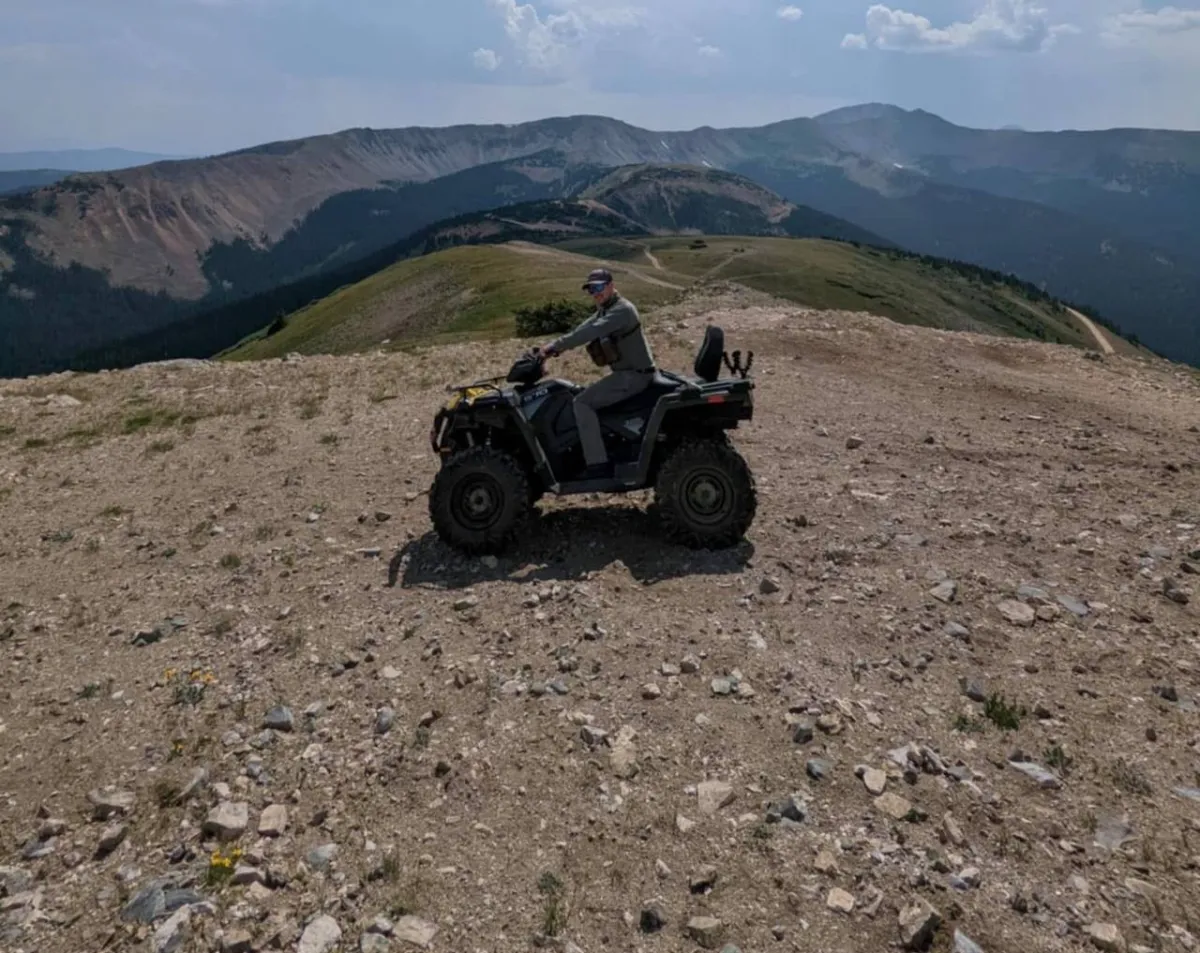
Scouting isn’t about finding animals, it’s about finding where they’ll be when you show up
Most hunters think scouting is about locating elk or deer before the season. That’s part of it, but it’s not the goal. The goal is understanding how animals use terrain, how pressure changes movement, and where they’ll be when conditions shift. If you only scout for where animals are today, you’ll be behind by the time season opens.
The First Step — Planning Before You Even Pick a Unit
Every good scouting plan starts before you ever look at a map. You need to know what kind of hunt you’re building. Are you trying to hunt every year or are you building toward a long-term tag? That decision shapes everything from unit choice to how much time you invest in scouting.
How to Plan a DIY Western Hunt: Stop Overthinking and Just Build It | TAGZ Insights How to Plan a Western Hunt Step-by-Step
If you’re hunting OTC units, scouting becomes even more important because pressure will change everything once season starts.
E-Scouting — Where the Real Work Happens
Most of your scouting should happen before you ever leave home. E-scouting is where you build your plan, identify zones, and narrow down where to focus once you arrive.
Digital Scouting: Why the Hunt Starts Before You Ever Show Up | TAGZ Insights Complete E-Scouting Guide for Western Hunting
Start with three things: terrain, access, and pressure. Those three factors matter more than anything else.
Driving Roads and Learning the Unit Early
One of the biggest advantages you can give yourself is learning the unit before season ever starts. If you have the ability, get into the unit during the summer and start covering ground with your truck. Drive the main roads, secondary roads, and as many access points as possible.
This does two things. First, it shows you how hunters are going to move once season opens. You’ll quickly see where pressure will stack up—trailheads, easy pull-offs, and obvious glassing points. Second, it helps you understand how the unit actually lays out. Maps don’t always show how rough a road is, how long it takes to get somewhere, or how accessible an area really is.
Pay attention to:
- Where vehicles can realistically go
- Where roads dead-end or limit access
- How far certain areas are from pressure points
A lot of elk in pressured units don’t go miles—they go just far enough to avoid people. Knowing road systems ahead of time helps you predict exactly where that happens.
Breaking Down Terrain the Right Way
Forget trying to memorize entire units. Focus on identifying key features that consistently hold animals. Look for north-facing slopes, broken ridges, benches, and transition zones between feeding and bedding areas. Animals don’t move randomly—they use terrain to conserve energy and stay hidden.
When you’re scouting, you’re not just marking spots. You’re building a system of movement. Where do animals feed? Where do they bed? How do they travel between the two? If you can answer that, you’re already ahead.
Access — The Most Overlooked Factor
A unit can look perfect on a map and still hunt terrible if access is too easy. Roads, trailheads, and obvious entry points concentrate hunters. When pressure hits, animals shift away from those areas.
Instead of asking “where are the elk,” ask:
- Where are hunters going?
- Where will elk go to avoid them?
That’s where real opportunity starts to show up.
Pressure Changes Everything
Scouting without factoring in pressure is a waste of time. The areas that look best on a map are usually the first to get hit. By the time you arrive, animals have already adjusted.
How to Hunt Pressure and Find Elk When Others Can’t How to Hunt Elk Pressure: Why Most Hunters Fall Behind When It Gets Tough | TAGZ Insights
You need to identify primary pressure zones, secondary escape terrain, and overlooked pockets. That becomes your actual hunt plan.
Boots-on-the-Ground Scouting
Once you get into the unit, your goal is not to cover miles—it’s to confirm your e-scouting. Focus on fresh sign like tracks, scat, and beds, along with water sources and travel corridors.
Don’t waste time wandering. Move with purpose and verify what you already identified.
Scouting for OTC Units vs Limited Entry Units
Scouting changes depending on what type of tag you have.
OTC units require you to focus heavily on pressure, expect animals to move fast, and prioritize overlooked terrain. Limited entry units allow you to focus more on animal patterns, with less pressure and more predictability.
For OTC units, revisit Best OTC Elk Units Best Remaining OTC and General Elk Units Across the West (2026) | TAGZ Insights
Matching Your Weapon to Your Scouting Plan
Your weapon choice changes how you scout and how you hunt.
Rifle hunters can scout larger areas, focus more on glassing, and prioritize long-range visibility. Archery hunters need tighter terrain, more focus on travel corridors and bedding areas, and a stronger emphasis on wind.
Choosing the Right Gear for Western Hunting
Hunting Gear That Actually Matters: Stop Overthinking It | TAGZ Insights
Building a Hunt Plan From Your Scouting
By the time you finish scouting, you should not have one spot—you should have multiple zones. Your plan should include a primary area, backup areas, and pressure adjustment locations.
Conditions change fast. If you only have one plan, your hunt ends when that plan fails.
The Biggest Scouting Mistakes
Most hunters don’t fail because they don’t scout—they fail because they scout wrong. Common mistakes include scouting for current animal location instead of future movement, ignoring pressure, marking too many spots without a plan, and overvaluing “perfect looking” terrain.
Scouting isn’t about finding the best-looking place—it’s about finding the most huntable situation.
The Real Advantage — Confidence Before the Hunt
When you scout correctly, you don’t show up guessing. You show up with a plan. You know where to go, when to move, and how to adjust. That confidence is what separates hunters who consistently find animals from those who spend their hunts trying to figure things out.
How TAGZ Fits Into This
Scouting across multiple states and units gets overwhelming fast. TAGZ helps organize everything—units, draw strategy, and planning—so you’re not piecing it together manually. Instead of guessing, you’re building a system that carries from scouting to application to the hunt itself.
FAQ — Scouting a Western Hunt
Should I scout in the summer?
Yes. Summer scouting helps you learn roads, access, terrain, and how the unit lays out before pressure changes everything.
Why is driving roads important?
It shows you how hunters will move and where pressure will concentrate once season starts.
How far in advance should I scout?
E-scout months ahead, then get boots on the ground as close to season as possible.
What should I look for first?
Terrain, access, and pressure—not animals.
How many areas should I have?
At least 3–5 solid zones within a unit.
Was this article helpful?
Previous
Easiest Western Hunts to Draw: Why Most Hunters Miss Them
The easiest western hunts to draw are found in mid-tier units, late seasons, and opportunity states like Colorado, Idaho, and New Mexico—not the high-profile units everyone talks about.
Next
Colorado GMU 3 Elk Hunting: Breaking Down Big Sage Country and Finding Elk in Subtle Terrain
Unit 3 is lower elevation elk country where terrain is subtle but effective. Success comes from understanding drainages, water, and pressure.