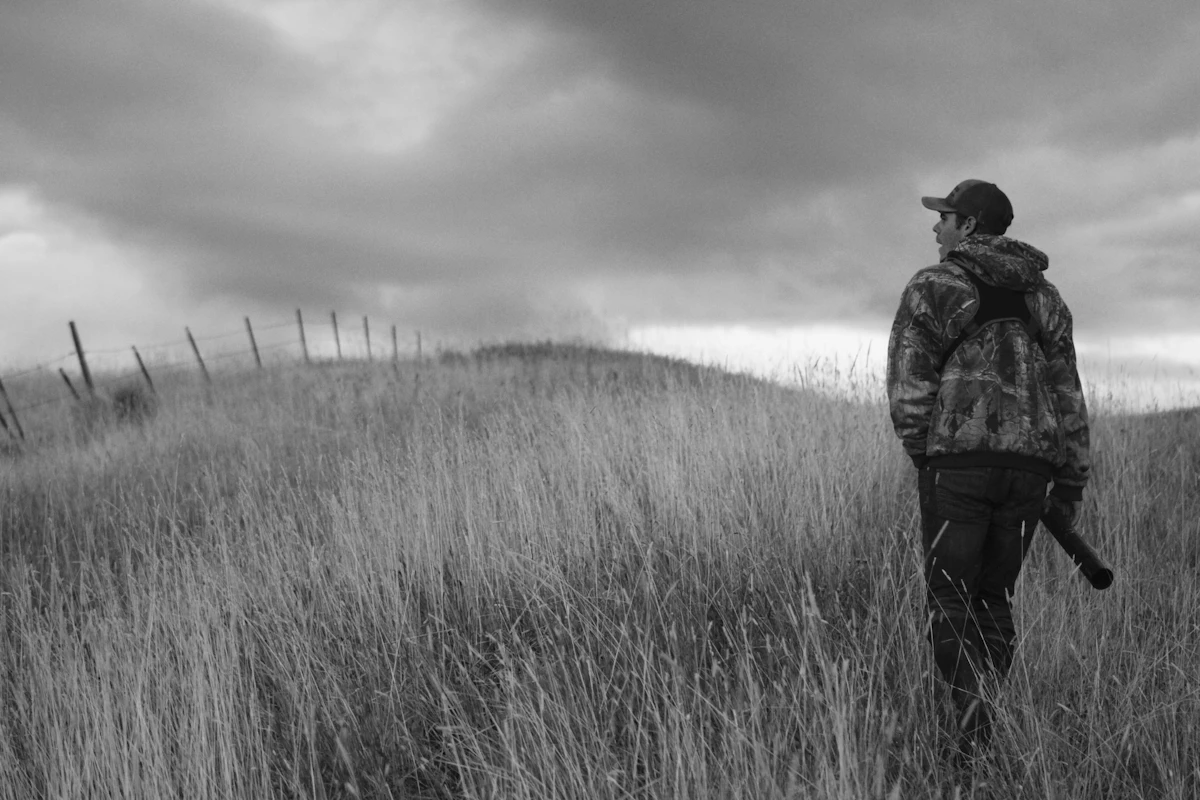
How Long It Takes to Draw an Elk Tag: Why It’s Not What You Think
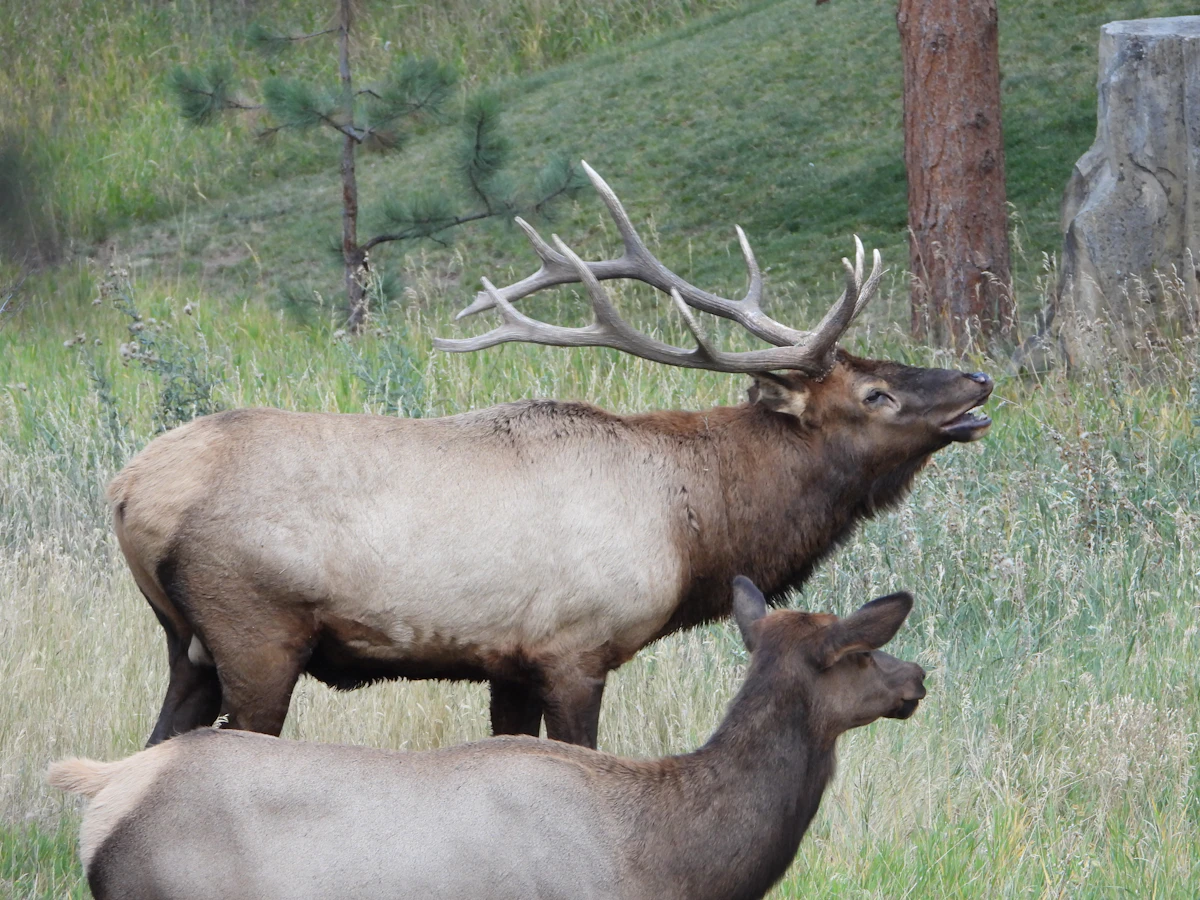
Most hunters want a clean answer. “How long will it take?” One year, five years, ten years.
That’s not how this works.
You could draw your first year, or you could spend the next decade chasing the same tag and never get it. Both happen every season. The difference isn’t luck—it’s how you’re playing the system and what you’re aiming for.
That’s what sets your timeline.
The biggest factors are simple. What state you’re in, how many tags exist, and how many people are applying. That’s it at the core. Everything else just layers on top of that.
If you’re in a preference point state, you’re basically standing in line. The people with the most points go first. That gives you a rough idea of how long it might take, but it also means you’re competing against everyone ahead of you—and that line keeps growing.
If you’re in a bonus or random system, it’s a different game. You’re not in line—you’re in a drawing. That means you always have a chance, but there’s no guarantee when it hits.
That’s why timelines are all over the place.
If your goal is to hunt sooner rather than later, there are still paths to do it. Colorado, Idaho, New Mexico—those are the kinds of places where you can get into the field without waiting forever. You’re not chasing the best units in the state, but you’re hunting.
And that matters more than most people admit.
A lot of hunters overlook those options because they’re not flashy. But they’re where experience comes from. And experience is what makes everything else easier down the road.
If you’re aiming a little higher—better units, better conditions—you’re usually looking at a few years. Somewhere in that 2–6 year range, depending on where you’re applying and how things shift.
That’s the middle ground most people should be living in.
Good hunts, realistic timelines, and a system that actually turns into time in the field instead of just building points.
Then there’s the top end. The units everyone talks about. Big bulls, limited tags, long history of quality. That’s where timelines stretch out fast.
Ten years. Fifteen. Twenty in some cases.
And even that’s not locked in.
Point creep keeps pushing things further out. What looked like a 10-year plan when you started might turn into 15 by the time you get there. That’s where a lot of guys get stuck—chasing something that keeps moving.
Random states throw another layer into this. No points, no line, just odds. You could draw your first year, or you could go years without hitting. There’s no predictable timeline.
That’s frustrating for some people, but it’s also opportunity. You’re never out of the game.
That’s why those states matter.
The biggest reason timelines keep stretching is simple—more hunters. Every year, more people enter the system, and most of them don’t leave. They keep building points, keep applying, and keep adding pressure.
Tag numbers don’t increase to match that.
So everything shifts. Wait times get longer. Odds get worse. And the system tightens up.
If you’re not adjusting, you feel that pretty quickly.
The mistake most hunters make is focusing on one path. One state, one unit, one plan. They wait, and wait, and wait, thinking that’s just how it has to be.
It doesn’t.
The guys who hunt consistently don’t rely on one timeline. They build multiple. They hunt opportunity states now. They build points where it makes sense. They jump on mid-tier units when they line up.
They’re not waiting—they’re moving.
That’s how you stay in the field while still working toward something better.
Where people get stuck is predictable. They chase top-tier units only. They underestimate how long things actually take. Or they rely on one state and put everything into it.
When that doesn’t hit, the season’s gone.
At the end of the day, how long it takes to draw an elk tag depends on what you’re willing to adjust. If you stay flexible, you can hunt often. If you chase the very top, you’re signing up for a long wait.
There’s nothing wrong with either—but you need to know what you’re choosing.
Was this article helpful?
Previous
Best Mule Deer Units in Arizona (2026) — Where the Big Bucks Actually Come From
The best Arizona mule deer units are the Strip (13A, 13B) and Kaibab (12A West/East), with 3A/3C and 27 as strong secondary options. Residents have better odds, while non-residents face a longer wait.
Next
How to Plan a DIY Western Hunt: Stop Overthinking and Just Build It
Pick a state you can draw, choose a realistic unit, plan your access, and keep your gear simple. A successful DIY hunt is built on execution, not perfection