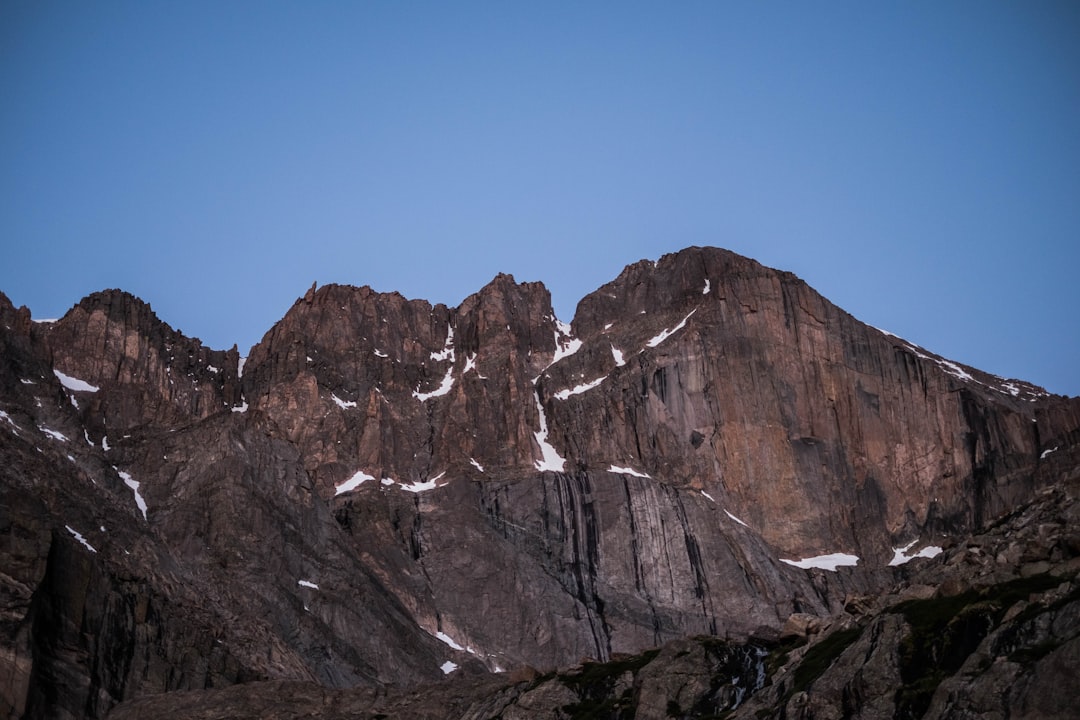
Best Colorado OTC Elk Units
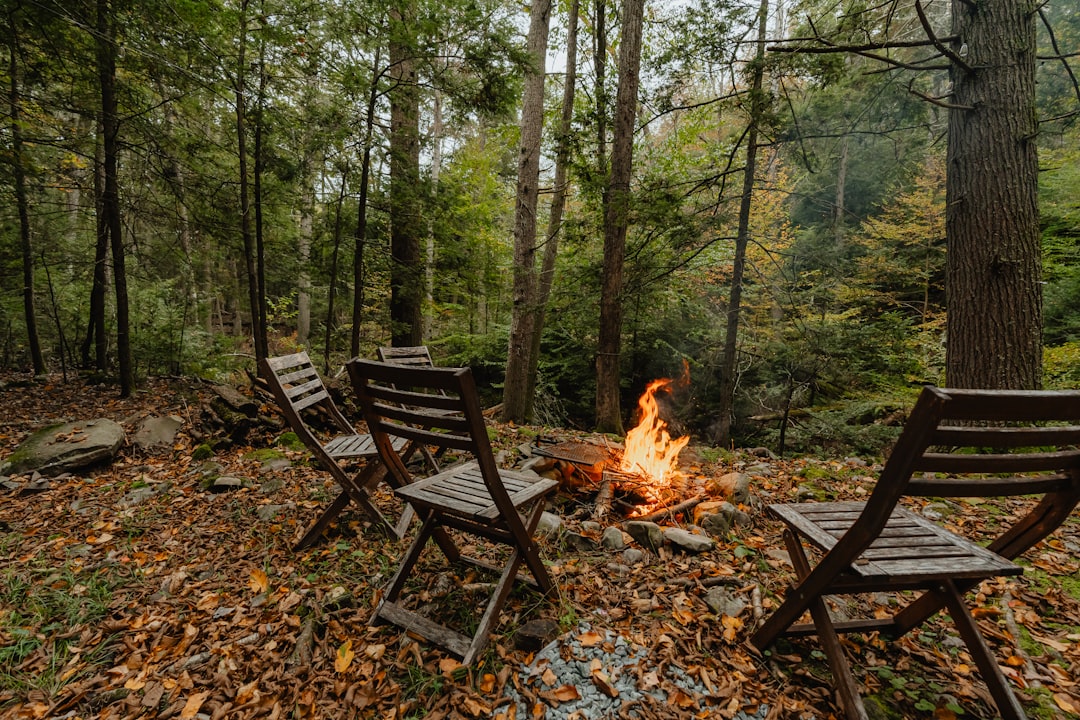
The uncomfortable truth about Colorado's OTC elk hunting is that change has become the only constant, and many hunters haven't adjusted. The romantic notion of returning to that same old spot for the umpteenth time, hoping for familiar success, is now more myth than reality. Those who stubbornly hold onto past strategies find themselves outmaneuvered by not just the elk, but also the evolving dynamics of hunting pressure and landscape.
For the savvy hunter, this shift isn’t a setback but an opportunity. Success hinges on your ability to observe, interpret, and react. Elk haven’t disappeared — they’ve adapted, and you must do the same. Understanding the nuances of each specific unit, from shifting migration patterns to the latest access changes, is your lifeline. Stay agile and open to redefining your tactics as you read the signs the wilderness offers.
Being out in the field now demands a refined awareness and a willingness to explore the less trodden paths. The elusiveness of elk in modern times is not a barrier but a challenge to innovate and pivot. In every misstep is the lesson that adaptability, not nostalgia, now defines the skilled OTC hunter’s journey in Colorado’s vast landscapes.
What Makes A Colorado OTC Elk Unit Worth Hunting
A good OTC elk unit is not just a unit with elk. Most Colorado units have elk somewhere. The real question is whether you can build a realistic hunt around the tag.
Look for a mix of:
- Enough public access to spread hunters out
- Multiple drainages or backup areas
- Terrain that gives elk security cover
- Road systems you can use without being trapped by them
- Seasonal movement that makes sense for your hunt dates
The best unit for one hunter may be a terrible fit for another. A backpack hunter, a new elk hunter, and a weekend rifle hunter are not solving the same problem.
For broader context, read best remaining OTC and general elk units across the West.
Pressure Is The OTC Reality
OTC elk hunting means pressure. That is not a complaint, it is the baseline.
Most hunters lose the hunt before daylight because they choose the same access as everyone else. They park at the obvious trailhead, hike the obvious trail, glass the obvious park, then call the unit bad when elk do exactly what elk do under pressure.
Pressure can help if you read it correctly. Elk often move away from roads, loud camps, ridge-top hikers, and popular glassing spots. They do not always move miles. Sometimes they slide into thicker timber, steeper faces, or drainages that look less attractive from a map.
If OTC is your plan, study how to hunt elk pressure before you start ranking units.
Terrain Features That Matter
The best Colorado OTC elk units usually have enough rough country to filter hunters. That does not always mean wilderness. It can mean steep oakbrush, broken benches, dark timber, nasty deadfall, or awkward access that keeps casual pressure lower.
Look for:
- North-facing bedding slopes
- Timber close to feed
- Benches below ridgelines
- Creek drainages with escape cover
- Aspen and oakbrush transitions
- Roadless pockets inside roaded units
Do not overrate big open meadows. Elk may feed there at night, but during season they need security. The better question is where they go after the first truck door slams.
Colorado Units Worth Comparing
Instead of claiming one "best" OTC unit, compare unit types.
Some hunters like northwest Colorado units such as GMU 4, 13, and 23 because they offer practical access and enough elk country to build a hunt. Others look toward more mountain-style units where terrain creates separation from road pressure. Some hunters want easier logistics. Others would rather deal with a brutal pack-out if it means fewer people.
Use unit pages and map layers to compare realistic access. For example, you might review GMU 4 on TAGZ, GMU 13 on TAGZ, and GMU 23 on TAGZ, then decide which one fits your hunt style.
How To Pick An OTC Unit Without Chasing Hype
Start with your constraints:
- How many days can you hunt?
- How far can you pack meat?
- Are you camping from a truck or backpacking?
- Can you scout before season?
- Are you hunting archery, muzzleloader, or rifle?
- How comfortable are you with steep country?
Once you answer those, the unit list gets smaller. A good OTC plan is usually less exciting on paper and better in real life. The unit that gives you multiple backup areas often beats the unit with the best internet reputation.
Pair that process with how to scout a western hunt and how to use maps for hunting.
Common OTC Elk Mistakes
Most OTC mistakes are predictable:
- Choosing a unit only because someone mentioned it online
- Arriving with one trailhead plan
- Calling too much in pressured country
- Hiking without a glassing strategy
- Ignoring private boundaries
- Quitting after elk move out of visible openings
The cure is simple, but not easy. Build three plans before the hunt. Know where you start, where you go when pressure shows up, and where elk are likely to escape.
How TAGZ Fits Into Colorado OTC Planning
TAGZ helps you compare units, organize research, and keep your OTC plan tied to real map and unit context instead of random notes. For Colorado OTC hunts, that means comparing access, draw alternatives, unit pages, and backup options before you burn vacation days.
OTC hunting rewards hunters who plan like the tag matters. TAGZ gives you a cleaner way to do that without bouncing between spreadsheets, old forum threads, and state pages.
FAQ — Best Colorado OTC Elk Units
Are there still good OTC elk units in Colorado?
Yes, but "good" now means realistic opportunity, not easy elk. Hunters need to verify current regulations and build plans around access and pressure.
What is the biggest factor in choosing a Colorado OTC elk unit?
Access and pressure. Elk can be present, but if every hunter enters the same way, the hunt gets hard fast.
Should beginners hunt OTC elk in Colorado?
They can, but beginners should keep expectations realistic and start with beginner elk hunt across the West before choosing a unit.
Are OTC rifle hunts harder than archery hunts?
Often, yes, because rifle pressure can be concentrated and highly visible. Archery has pressure too, but elk behavior and hunter behavior differ by season.
Should I pick the unit with the highest elk numbers?
Not by itself. Elk numbers, access, pressure, terrain, and your ability to hunt the country all matter.
How many backup areas should I have?
At least three. OTC pressure can wreck Plan A quickly, and a good backup is usually what saves the hunt.
Was this article helpful?
Previous
Understanding Elk Bedding Areas: Real-World Tactics for Finding and Hunting Bedding Zones
Get the facts on elk bedding areas—how to find them, what makes a good bed, and how pressure, terrain, and hunter behavior play into your success.
Next
Colorado GMU 1 Elk Hunting Guide
Colorado GMU 1 is a premium, limited-entry elk unit where the tag is usually the hard part and the hunt still demands patience. This guide breaks down terrain, access, pressure, scouting, and practical elk strategy so hunters can build a realistic plan before committing time or points.