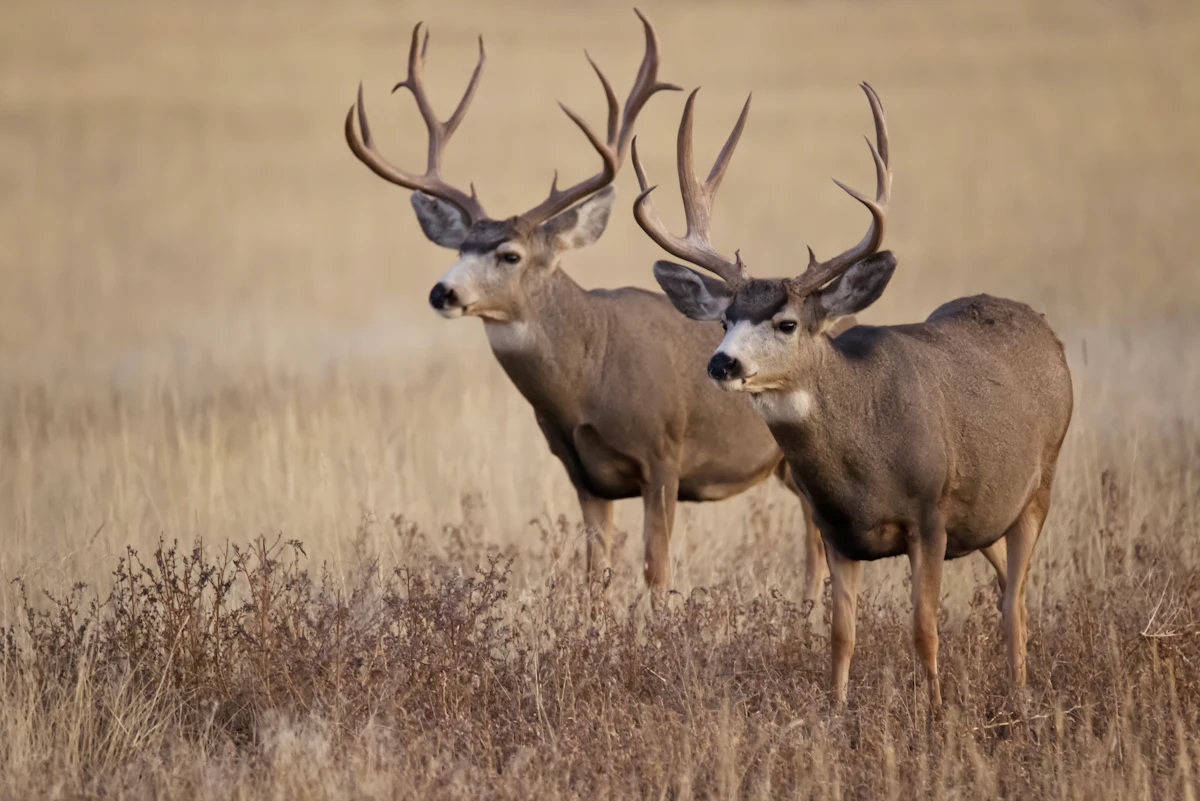
Best Colorado Mule Deer Units
Many hunters set out with the wrong goal in mind, asking, "Where can I find the biggest bucks?" However, the more important question should be, "Which unit aligns with my experience and the tags I can realistically draw?" Focusing solely on trophy potential overlooks the rich diversity Colorado has to offer across varied landscapes and challenges. The real hunt begins when you consider how these elements match your skills and resources.
Finding the right unit isn't about chasing legends—it's about understanding the nuances of each area's terrain and wildlife behavior. Smart hunters research units that match their style and physical abilities. Whether it’s navigating steep alpine areas or stalking through dense oakbrush, adapting to the landscape is crucial. Success lies in knowing how to work with what each unit uniquely offers rather than dreaming about what it doesn’t.
In Colorado, mule deer behave according to their environment and pressures. Each unit has bucks that adapt quickly to hunting pressure and seasonal changes. The astute hunter learns how these subtle shifts affect deer movement and cover usage, often preferring areas others might overlook. This knowledge, combined with realistic expectations, yields more opportunities and experiences that are the true essence of hunting in this diverse state.
What Makes A Colorado Mule Deer Unit Good
A good mule deer unit needs more than deer. It needs age structure, habitat, seasonal movement, access, and a season structure that gives hunters a realistic way to find bucks before pressure and weather change the game.
Colorado has units with alpine basins, oakbrush winter range, sage country, mountain timber, canyon country, and migration corridors. Each one requires a different strategy.
Good units usually share a few traits:
- Quality summer range or migration habitat
- Enough security cover for older bucks
- Manageable access
- Season timing that matches deer movement
- Terrain that allows glassing or careful still-hunting
If you are building a long-term plan, pair unit research with bonus points vs preference points and Colorado draw strategy.
High-Country Mule Deer Units
High-country mule deer hunts get a lot of attention because they feel like the classic western hunt. Bucks summer in alpine basins, feed in open pockets, and bed where they can see danger coming.
These hunts reward hunters who can glass, hike, and stay patient. The country is beautiful, but it is not easy. Weather can roll in fast. Bucks can vanish into small folds of terrain. A basin that looks empty at noon may hold a deer you missed at first light.
The mistake is treating high country like a photo shoot. You need glassing positions, wind-safe stalk routes, and enough discipline to watch one basin long enough to learn it.
Oakbrush And Transition Units
Some of Colorado's best mule deer hunting happens outside the postcard alpine country. Oakbrush, sage edges, and transition zones can hold mature bucks, especially when hunting pressure or weather starts moving deer.
These units often frustrate hunters because visibility is limited. You may not glass a buck from two miles away. Instead, you pick apart pockets, watch openings at first light, and understand how bucks move from feed to bedding cover.
Oakbrush bucks are not easy. They can live in small, ugly, overlooked patches. That is exactly why older deer survive there.
Access And Private Land Matter
Mule deer units can look excellent until you realize the best-looking habitat is private, landlocked, or reachable only through a pressured trailhead. Access is not a side issue. It is the hunt.
Before applying or committing points, study:
- Public-private boundaries
- Seasonal road closures
- Trailhead pressure
- Wilderness access
- Migration corridors
- Pack-out distance
Use public land hunting strategy thinking even when a unit has a famous reputation. The best unit on paper is not useful if you cannot hunt it effectively.
Pressure And Mature Buck Behavior
Mature mule deer do not need much pressure to change routines. Opening weekend can push bucks from visible feed into thicker cover, steeper slopes, or private ground. Some bucks move. Others simply become harder to see.
Good mule deer hunters do not just glass where deer feed. They study where deer go when the easy country gets noisy.
Look for:
- Bedding cover above feed
- Shade near escape routes
- Saddles and benches that connect basins
- Thick cover close to open feeding pockets
- Low-traffic vantage points
The same pressure principles from elk hunting apply here, so how to hunt pressure is still worth reading.
Units Hunters Commonly Compare
Colorado mule deer hunters often compare western slope, Gunnison Basin, high-country, and northwest units. The better question is not which unit is best overall, but which one fits your point level and hunt style.
A hunter with limited points may be better off learning a mid-tier unit well than waiting forever for a famous tag. A hunter with high points may want late-season migration potential. A backpack hunter may prioritize alpine access. A glassing-focused hunter may want open basins and long sight lines.
Use TAGZ unit pages to compare options, then narrow the list based on terrain and access. Start with the Colorado unit hub: Colorado units on TAGZ.
How To Scout Colorado Mule Deer Units
Scout mule deer by season, not just by unit.
Summer scouting helps locate bucks and learn country, but it does not always predict rifle-season location. Weather, rut timing, pressure, and migration all matter. A buck seen in August may be miles away later, or he may still be close but using completely different cover.
Build your scouting around:
- Glassing basins at first and last light
- Tracking escape routes
- Identifying bedding cover
- Understanding access pressure
- Learning where deer move when snow hits
Use how to scout a western hunt and how to use maps for hunting to structure the work.
How TAGZ Fits Into Colorado Mule Deer Planning
TAGZ helps organize the draw and unit research side of mule deer hunting. Instead of guessing from scattered notes, you can compare units, track options, and build a plan around points, access, and season timing.
That matters because Colorado mule deer hunting is a long game. The better your research is before you apply, the better your hunt feels when the tag finally shows up.
FAQ — Best Colorado Mule Deer Units
What is the best Colorado mule deer unit?
There is no single best unit for every hunter. The best unit depends on points, weapon, season, access, terrain preference, and how much scouting time you have.
Are high-country mule deer hunts worth it?
Yes, if you can glass, hike, and handle weather. High-country hunts are rewarding, but they are not easy and should not be chosen only for scenery.
Do mule deer units require preference points in Colorado?
Many quality hunts do, but point needs vary by unit, season, residency, and year. Always verify current draw information before applying.
Is public land mule deer hunting good in Colorado?
It can be, but public pressure is real. Success often depends on access planning and finding deer away from predictable hunter movement.
When should I scout Colorado mule deer?
Summer is useful for learning country and locating bucks. Late summer, early fall, and pre-season map work help connect summer patterns to hunt timing.
Should beginners chase famous mule deer units?
Usually not at first. Beginners often learn more by hunting realistic units more often instead of waiting years for a tag they are not ready to maximize.
Was this article helpful?
Previous
Fixed vs Mechanical Broadheads for Elk Hunting — Which Is Better?
Both fixed and mechanical broadheads can kill elk effectively, but most experienced western hunters continue to trust fixed blades because of their penetration, durability, and reliability on large-bodied animals.
Next
How to Scout Mule Deer Like a Western Hunter
Get practical, boots-on-the-ground advice for scouting mule deer in the West, from e-scouting and glassing to pressure, access, and realistic expectations.