If you’re still thinking about Colorado draws one season at a time, you’re already behind. The way tags are trending, especially heading into 2027 and 2028, you don’t just need a plan for this year—you need a timeline. The hunters who stay ahead are the ones who think in windows, not single seasons.
Colorado still has opportunity across elk, deer, pronghorn, bear, moose, sheep, and goat. But the way you access that opportunity is changing fast. Point creep, pressure shifts, and structural changes, like OTC disappearing in places like Gunnison, are forcing hunters to be more intentional. This isn’t about chasing “the best unit” anymore. It’s about knowing when to apply, when to hunt, and when to wait.
Understanding Colorado's Evolving Draw System
The biggest mistake most hunters make is assuming the system is stable. It’s not. Draw odds are changing every year. Units that were reasonable a few years ago are now out of reach, and areas that used to be overlooked are getting discovered faster than ever.
Going into 2028, expect:
- More pressure in remaining OTC areas
- More mid-tier units creeping upward in points
- More hunters entering the system
- Less forgiveness for bad decisions
Colorado isn’t getting worse; it’s just getting more competitive.
Elk Strategy: Balancing Short-Term and Long-Term Goals
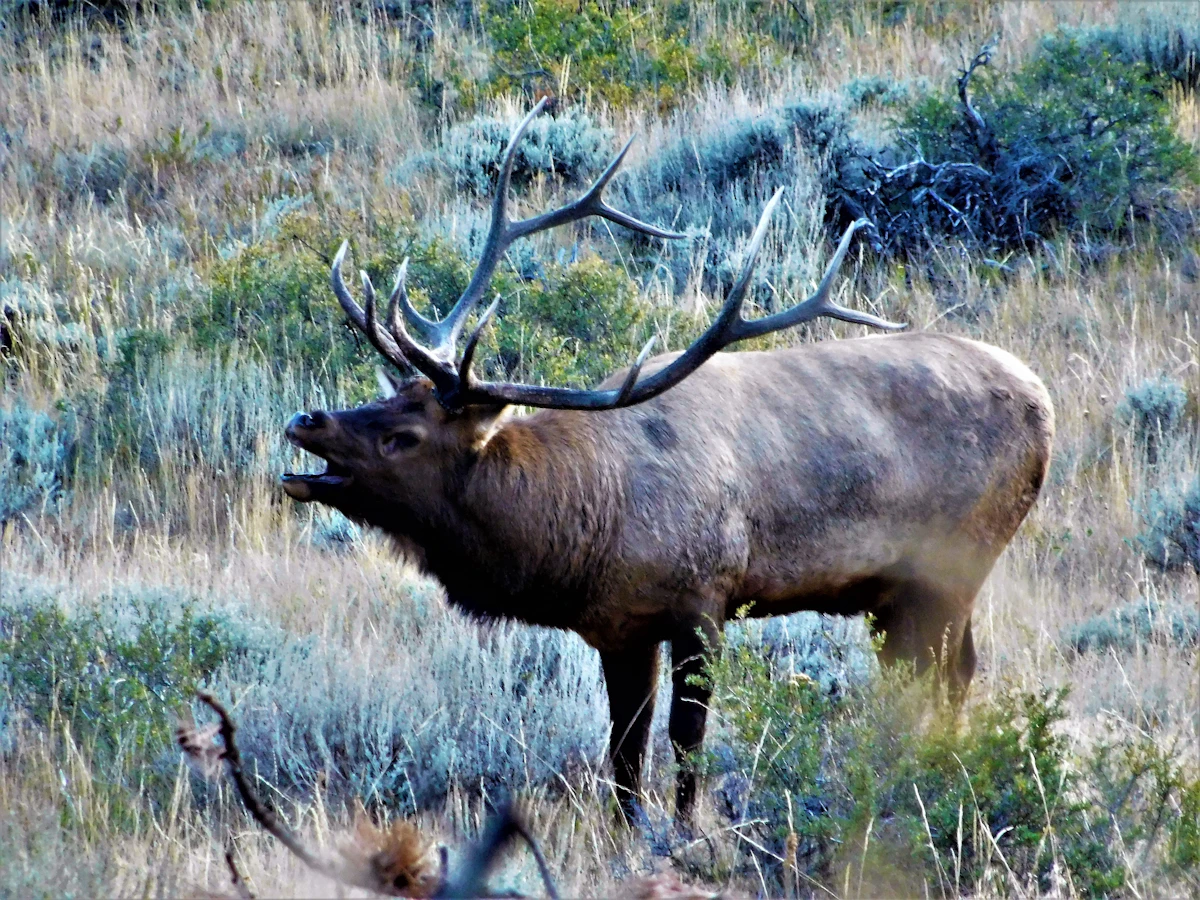
Elk hunting is where most hunters start, and it’s also where most people get stuck. Residents still have flexibility. You can hunt more often, adjust plans, and avoid getting trapped waiting forever on one unit. A strong resident strategy going into 2028 involves mixing opportunity hunts with occasional point building. Hunt more, learn more, and don’t burn points blindly.
Nonresidents need to be more selective. Travel cost, time off, and limited chances mean each hunt matters more. If you’re a nonresident, you should be asking whether a unit actually fits your hunt style—not just whether you can draw it. The biggest shift for elk is pressure. As OTC options shrink, hunters are packing into fewer areas. That makes understanding access and terrain more important than just picking a unit with good elk numbers.
Mule Deer Strategy: Timing Is Everything
Mule deer is where a lot of hunters get caught chasing the wrong goal. Instead of chasing the highest point unit possible, think about timing. Early-season alpine hunts, mid-season hunts, and late-season migration hunts all offer completely different experiences.
Residents can afford to hunt more often and learn over time. Nonresidents should focus on matching the hunt to their expectations. A unit that looks great on paper can fall apart if it doesn’t line up with how you hunt or when you can be there. Going into 2028, mule deer is going to reward hunters who understand movement and timing, not just reputation.
Whitetail Strategy: The Underrated Play
Whitetails don’t get much attention in Colorado, and that’s exactly why they matter. As pressure builds in mule deer and elk units, more hunters are starting to look at alternatives. Whitetails offer a different style of hunt—more focused on habitat, access, and movement than big country glassing.
Residents who put time into learning local areas can build consistent success. Nonresidents who are willing to hunt differently can find opportunities that most people ignore. This is one of the few areas where pressure hasn’t fully caught up yet.
Free to join
Download mobile app
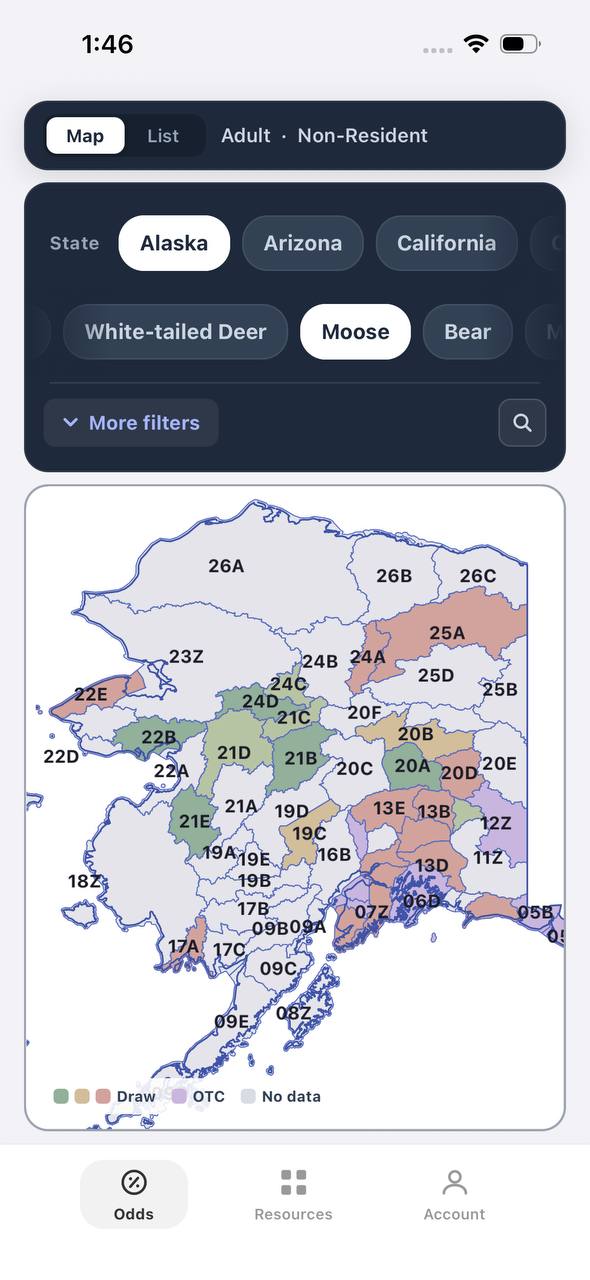
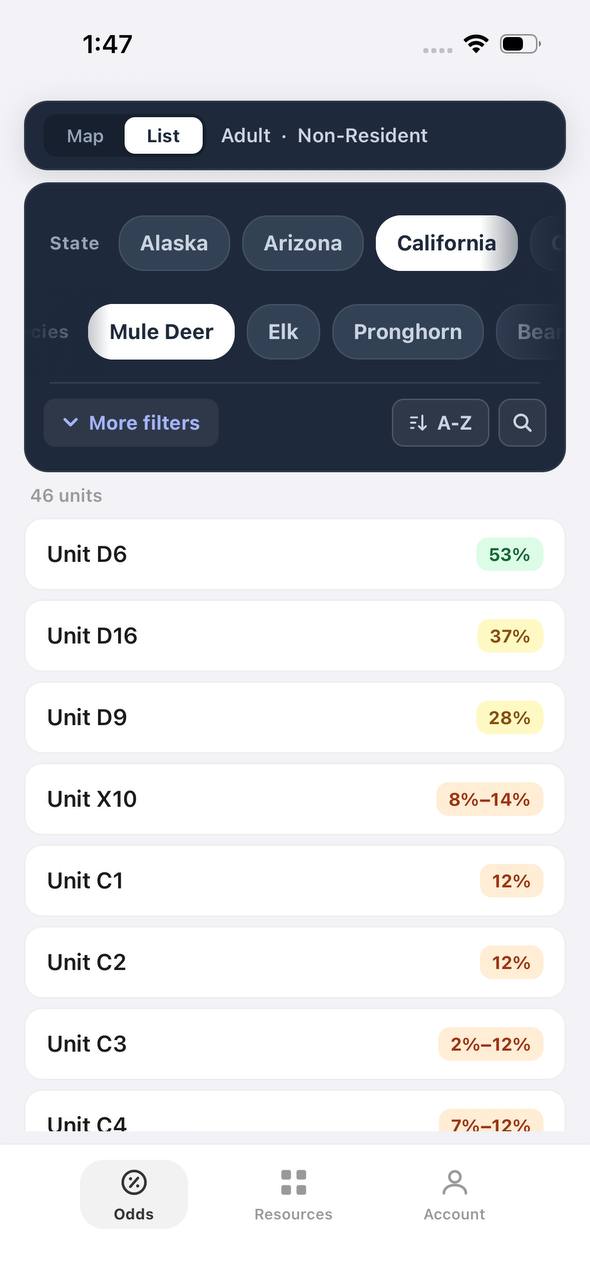
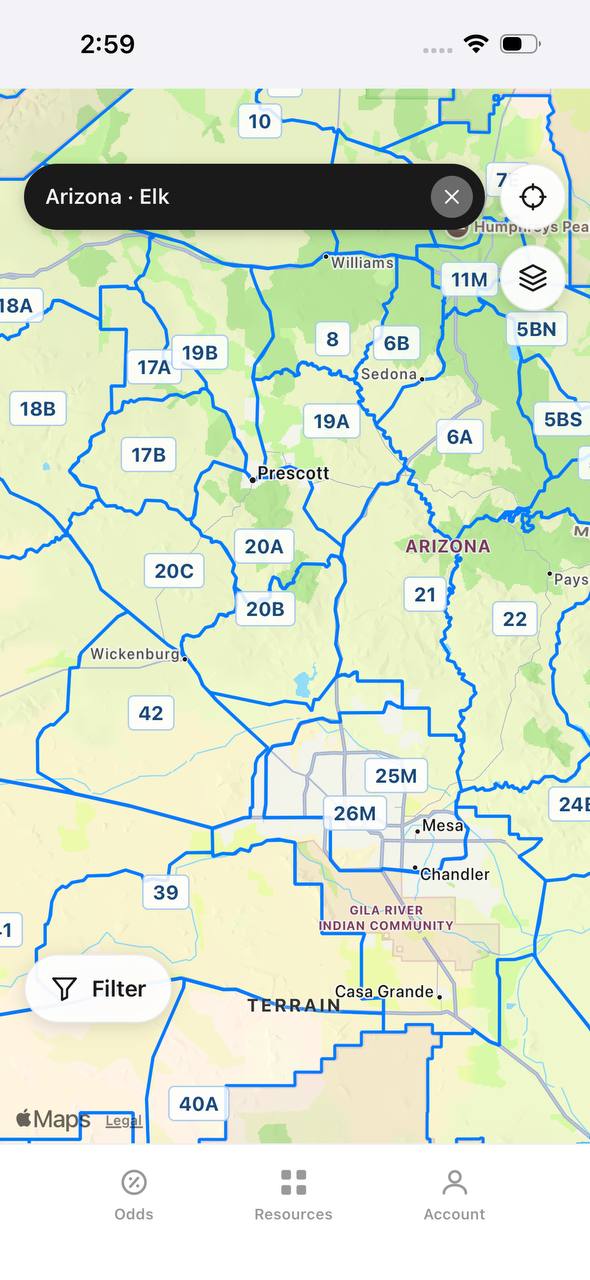
- Detailed draw odds
- Point tracking
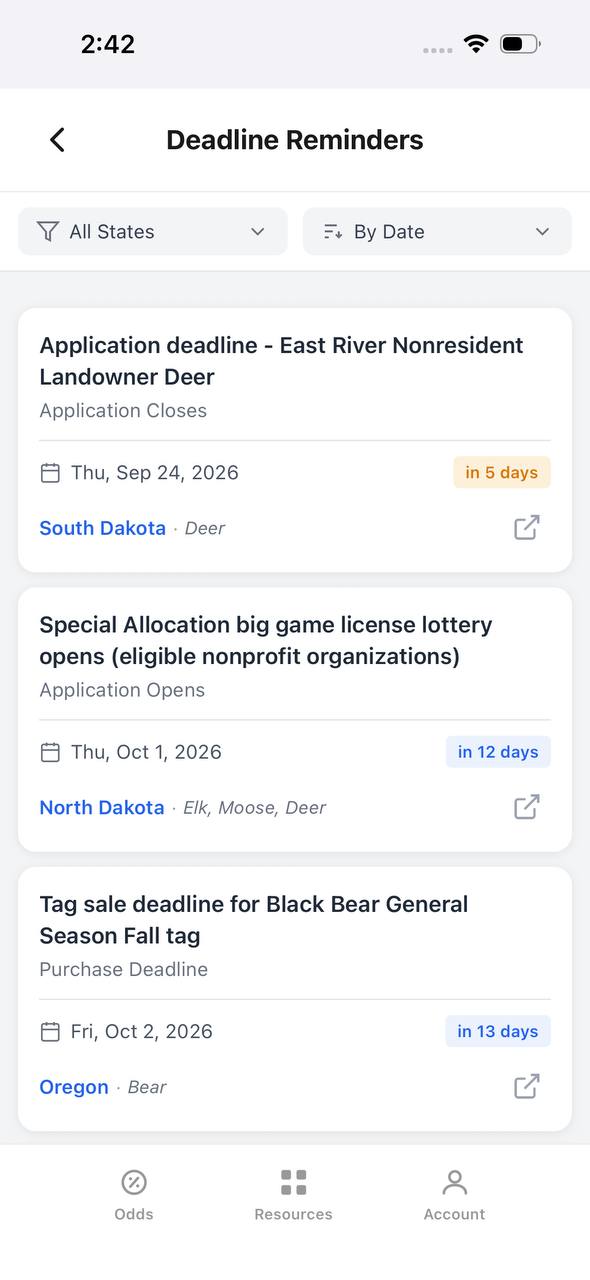
- Deadline reminders
- 18 states covered

Free to join
Download mobile app
- Detailed draw odds
- Point tracking
- Deadline reminders
- 18 states covered
Free to join
Download mobile app
- Detailed draw odds
- Point tracking
- Deadline reminders
- 18 states covered
Pronghorn Strategy: Efficiency and Access
Pronghorn is still one of the best ways to get a western hunt on the ground, but it’s not automatic. Draw strategy matters, and access matters even more. Residents can stay flexible and adapt quickly, which is a big advantage. Nonresidents need to focus on units that actually have usable public land or realistic access.
Going into 2028, expect more hunters to start targeting pronghorn as other species become harder. That means the gap between “good” and “huntable” units is going to matter more.
Bear Strategy: Opportunity Most People Ignore
Bear is one of those species that most hunters overlook, and that’s a mistake. As elk and deer pressure increases, bear becomes more valuable. But it’s not a casual add-on. Success comes from understanding food sources, timing, and movement.
Residents can take advantage of repeat exposure and learning. Nonresidents should only add bear to a hunt if they’re willing to approach it with a real plan. This is one of the few areas where effort can still separate you quickly from other hunters.
Moose, Sheep, and Goat: Long Game Only
There’s no shortcut here. Moose, sheep, and goat are long-term plays, and they’re not getting easier. Residents benefit from lower costs and consistency. Nonresidents need to be realistic about both cost and odds. These are not tags you plan your season around—they’re tags you stay ready for.
What matters most going into 2028 is consistency. Apply every year, understand the rules, and be prepared if your number ever comes up.
The Biggest Edge Going Forward
If there’s one thing that matters most over the next few years, it’s this: Opportunity isn’t disappearing—it’s shifting. Leftover tags, reissued licenses, and second-choice strategies are becoming more important than ever. A lot of hunters still treat the draw as the only opportunity. That’s where they fall behind.
The hunters who stay engaged after the draw, who adjust quickly, and who understand how tags move through the system are the ones who find success.
Final Take
Colorado through 2028 is going to reward awareness. Not luck. Not tradition. Not what worked five years ago. Awareness.
The hunters who win are going to be the ones who:
- Pay attention to change
- Adjust before everyone else does
- Match their plan to how the system actually works
Because right now, more than ever, if you’re guessing, you’re behind.
Was this article helpful?
Previous
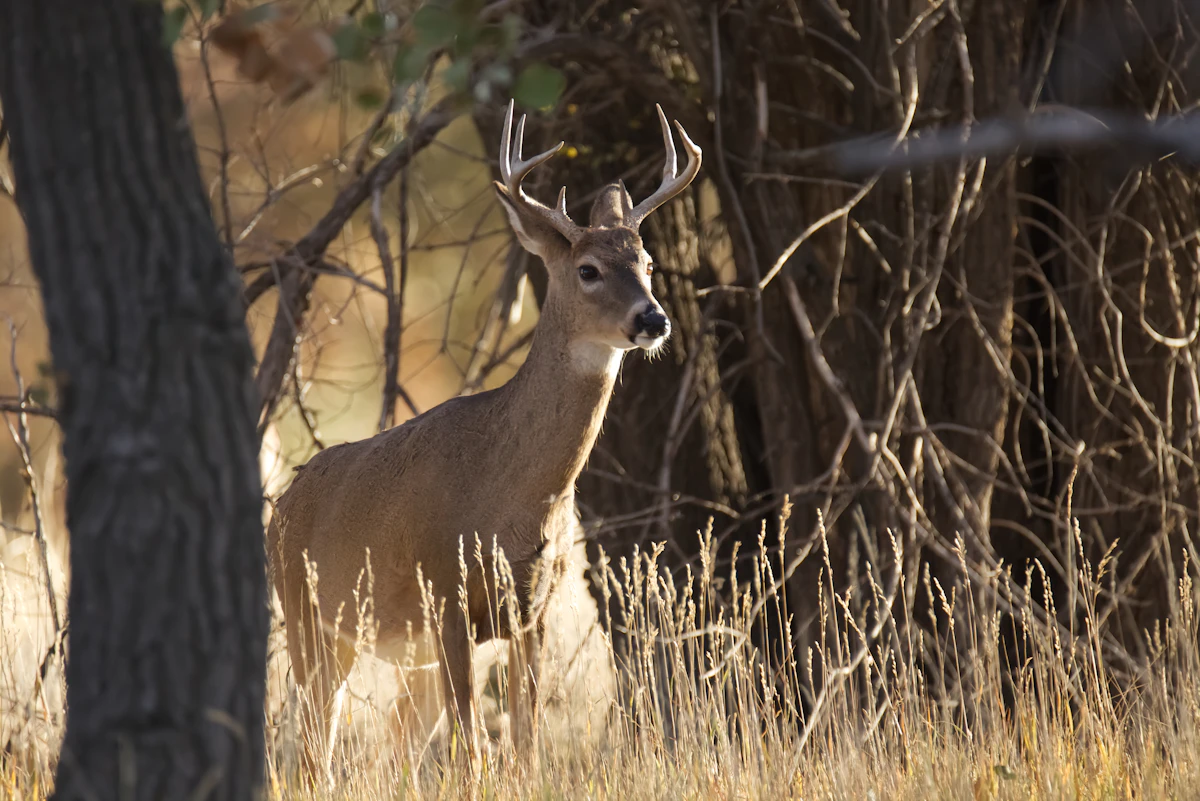
Colorado Whitetail Deer Hunting 2026: Units, Tags, and Strategy
Explore the opportunities for whitetail deer hunting in Colorado, including prime hunting units, tag availability, and effective strategies for the 2026 season.
Related
Colorado Group Applications Are Changing in 2028… And Most Hunters Aren’t Ready
Starting in 2028, Colorado is revamping its group application process for big-game hunts, emphasizing randomness and altering point strategies. Hunters need to reconsider their traditional group approaches to adapt to these changes.
Next
How Colorado's 2026 Big Game Season Shifts the Hunting Landscape
Colorado's 2026 big game season brings significant changes, especially for elk hunters relying on OTC opportunities. Hunters must adapt to new regulations and shifting opportunities to succeed.