Utah Nonresident Elk Draw Odds 2027: Tags, Bonus Points, Units & Application Strategy
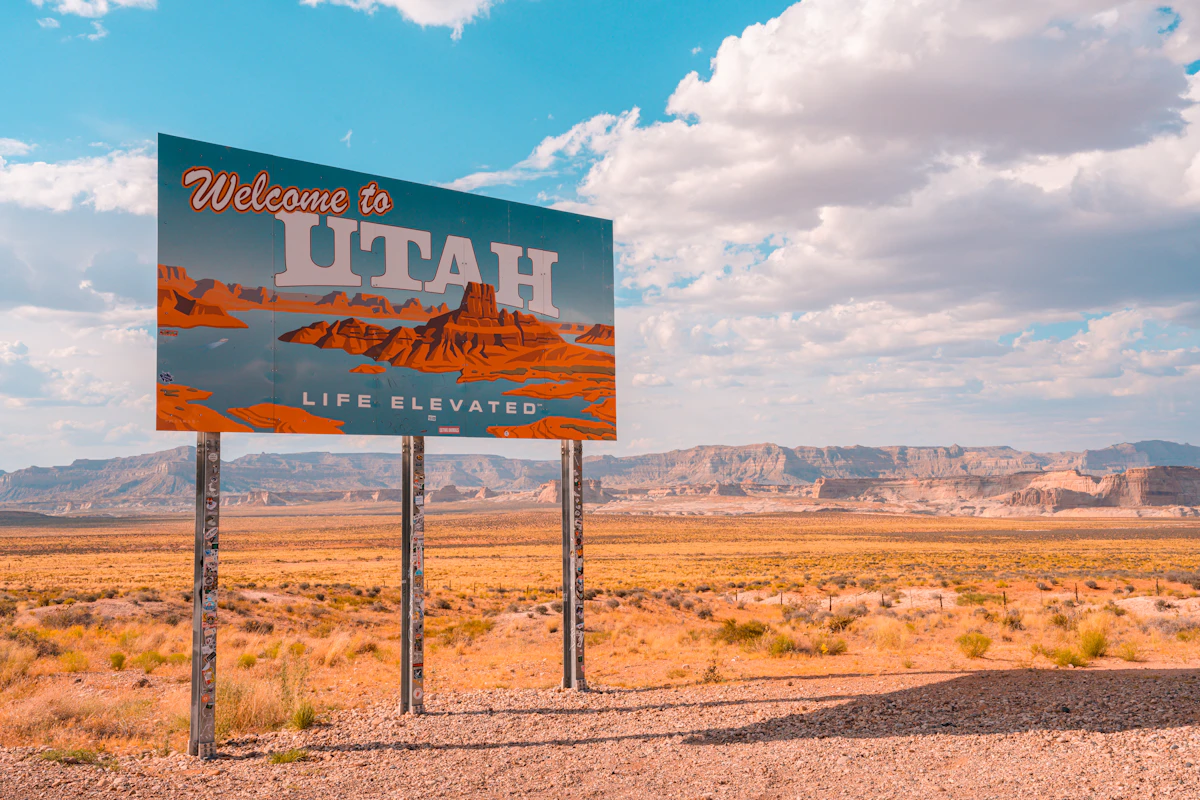
Utah's 2027 nonresident elk draw remains competitive, especially for limited-entry hunts. The state uses a hybrid bonus-point and random system that allocates roughly half of permits by highest point totals and half through random draws weighted by points. This means you can technically draw with zero points through the random portion, but ultra-competitive hunts like San Juan, Pahvant, and Book Cliffs often have so few nonresident permits that zero-point draws become statistically rare. General-season permits provide an alternative, though availability varies. Strategic weapon choice, realistic unit selection, and monitoring actual permit quotas matter more than chasing unit reputations.
Understanding Utah's Two-Tier Elk Drawing System
Utah separates limited-entry and general-season elk hunts into distinct permit categories with different drawing rules. Limited-entry bull elk permits use bonus points and apply to hunts in managed units with controlled harvest. General-season elk permits follow separate allocation procedures—some go through preference-point drawings, others through sales or remaining-permit releases. Confusing the two can wreck your application strategy. For example, assuming a premier limited-entry hunt works like a general-season over-the-counter permit will leave you skunked.
Limited-entry hunts attract the strongest competition. Units like San Juan and Pahvant regularly pull applicants willing to wait years for a mature bull. General-season hunts may offer faster access to elk country but often come with different season dates, weapon restrictions, or harvest rules. Neither is automatically "better"—just different trade-offs between waiting for a trophy opportunity and getting boots on the ground sooner.
Bonus Points vs Preference Points: Why the Difference Matters
Utah uses bonus points for limited-entry elk and preference points for certain general-season draws. Bonus points improve your odds in the random portion and get you priority in the preference portion of limited-entry hunts. Preference points work differently, essentially creating a waiting list where hunters with the most points draw first. Mixing up these systems is one of the fastest ways to blow your application.
For limited-entry elk, approximately half of permits go to the highest-point applicants (preference portion), while the rest are awarded randomly with odds weighted by accumulated points. That means a hunter with ten points has ten times the random drawing opportunities of someone with one point, but neither is guaranteed a permit. The random portion preserves hope for newer applicants, but ultra-competitive hunts often see very few permits fall into the random bucket for nonresidents.
Bonus points accumulate when you apply for a permit and don't draw. You can also apply for a point instead of a hunt in most years, though that varies by category and year. Points are not transferable between species, so elk bonus points only help you draw elk permits. Drawing or obtaining a limited-entry permit forfeits your accumulated points in that category, which resets the clock if you later want to chase another premium tag.
Why Nonresident Elk Draw Odds Are Tougher Than They Look
The root problem is small nonresident allocations colliding with heavy demand. Utah's limited-entry elk hunts are famous for producing mature bulls, which pulls applicants from across the country. Meanwhile, the actual number of permits set aside for nonresidents can be one, two, or only a handful even in well-known units. When a hunt has one nonresident permit and fifty nonresident applicants, the math is brutal no matter how many points you hold.
Point creep compounds the issue. As more hunters accumulate points without drawing, the point totals needed to reach the preference threshold creep upward. A hunter sitting three points below the historical threshold may find that gap holds steady or widens rather than closing. This is especially true in premium units where applicants stockpile points for years. The result is that even hunters with substantial point totals may not be guaranteed a permit.
Statewide averages or unit-wide claims about odds are almost useless for nonresidents. The correct analysis compares exact hunt codes, weapon seasons, and nonresident permit quotas at your current point level. A unit famous for trophy bulls may have terrible odds for archery but slightly better odds for muzzleloader, or vice versa. Treating all hunts in a unit as equal ignores the details that actually determine drawing probability.
Where to Find Real 2027 Utah Elk Draw Odds
As of October 2026, finalized 2027 drawing results are not published. Historical data from previous years provides the best starting point. Utah publishes drawing results through its Big-Game Drawing Odds and Points Reports, which show applicant numbers, permits issued, and point distributions by hunt code. The state's online drawing system also includes an interactive odds tool where you can filter by species, hunt number, and point level.
Official sources include Utah's Big-Game Drawing Odds and Points Reports, the Utah Online Drawing System, and the Big-Game Application Guidebooks. The state cautions that historical reports reflect first-choice applications only and do not capture later-choice outcomes. They also warn that past results do not guarantee future odds, which is especially true when permit quotas or applicant demand shift.
An accurate 2027 projection should combine historical trends with the latest available permit quotas, nonresident allocations, and your existing bonus points. Do not confuse previous-year results with confirmed 2027 odds. Permit numbers can change, applicant demand can spike, and point distributions shift. The best you can do before the drawing closes is estimate based on recent patterns and adjust expectations as new information surfaces.


Free to join
Download mobile app
- Detailed draw odds
- Point tracking
- Deadline reminders
- 19 states covered





Free to join
Download mobile app
- Detailed draw odds
- Point tracking
- Deadline reminders
- 19 states covered






Free to join
Download mobile app
- Detailed draw odds
- Point tracking
- Deadline reminders
- 19 states covered

Best Utah Elk Units for Nonresident Hunters
The "best" unit depends entirely on whether you prioritize trophy quality, realistic drawing probability, terrain preferences, or season dates. San Juan, Pahvant, and Book Cliffs are legendary for mature bulls but typically require years of point accumulation or extreme luck in the random draw. Wasatch Mountains and Manti offer diverse terrain and multiple hunt options, but competition varies widely by weapon type and season.
San Juan attracts hunters chasing record-book bulls and a limited-entry experience. For nonresidents, competition is fierce, and the exact hunt code and weapon season make all the difference. This is a long-term investment rather than an annual realistic application. Pahvant similarly draws hunters willing to wait for a mature bull in managed habitat. Book Cliffs provide remote country and extensive elk range, but the unit should not be treated as a single odds category—different boundaries, weapons, and seasons produce different applicant demand.
Wasatch Mountains hunts cover a wide landscape with varying public access, terrain, and seasonal elk behavior. Manti adds another option for hunters researching limited-entry opportunities. As with other units, drawing competition depends on the specific hunt and permit quota. Hunters willing to consider different seasons or weapons may find a better balance between hunting preferences and drawing probability. There is no universal "best odds" unit because a unit with more permits can still have worse odds if it attracts proportionally more applicants.
Archery, Rifle, and Muzzleloader: Which Weapon Has Better Odds?
Weapon choice is one of the most important variables in Utah elk applications. Archery, rifle, and muzzleloader hunts may have different season dates, permit quotas, and applicant demand. An archery hunt is not automatically easier to draw—in some desirable units, archery permits attract substantial competition from hunters who prefer hunting during late summer and early fall when elk activity is increasing.
Rifle hunts appeal to hunters seeking mature bulls without the added challenge of archery equipment. Season timing, access, weather, and hunting pressure all influence the experience. Premium rifle hunts may be extremely difficult for nonresidents to draw, especially when the nonresident allocation is only one or two permits. Muzzleloader opportunities provide another option for hunters willing to use a different weapon, but they should not automatically be assumed to have better odds than rifle or archery hunts.
The correct comparison is between actual hunt codes at the same bonus-point level. A hunter flexible on weapon type should research all three options for their target unit and season. In some years, archery may offer a better opportunity; in others, muzzleloader or rifle may be the smarter play. Chasing a specific weapon without comparing the alternatives leaves odds on the table.
How Many Bonus Points Do You Actually Need?
There is no universal number because point requirements vary by hunt, nonresident allocation, and applicant competition. Utah's hybrid system means some hunters draw with few points while others accumulate points for many years without receiving a permit. Hunters should understand that bonus points are awarded for unsuccessful permit applications and are not transferable between species.
With zero bonus points, you can technically draw through the random portion if a permit is available in that portion for your allocation. However, very small nonresident permit quotas can make zero-point draws statistically improbable. A hunt with one nonresident permit and fifty applicants leaves little room for random hope. Point creep also means the threshold for preference-portion permits can rise faster than you accumulate points, especially in premium units.
For hunters with one to five bonus points, compare random opportunities across multiple hunt types. At this level, premium units may remain long shots, and applicants who value hunting sooner should research a broader range of units and seasons. Hunters with six to ten points should evaluate whether their accumulated points provide meaningful drawing advantages for particular hunts. Even with several points, some hunts may still have significant point competition. Hunters with more than ten bonus points should examine historical preference allocations and point distributions carefully—even substantial point totals do not guarantee a premium permit.
Free to join
Download mobile app
- Detailed draw odds
- Point tracking
- Deadline reminders
- 19 states covered
Free to join
Download mobile app
- Detailed draw odds
- Point tracking
- Deadline reminders
- 19 states covered
Free to join
Download mobile app
- Detailed draw odds
- Point tracking
- Deadline reminders
- 19 states covered
Can Nonresidents Apply as a Group?
Utah permits qualifying group applications for certain hunts, but group applications can become complicated when nonresident permits are scarce. When group members have different bonus-point totals, the group's points are averaged and rounded down to the nearest whole number. The group must also be eligible to receive enough permits. For example, a group containing two nonresidents may be unable to draw a hunt that has only one available nonresident permit.
This makes group applications particularly restrictive for highly competitive limited-entry elk hunts. Utah specifically warns applicants to consider nonresident permit availability when forming groups. Hunters planning to apply with friends or family should review the Utah DWR group application rules before submitting their applications. A poorly planned group application can waste everyone's points if the group size exceeds the available nonresident allocation.
General-Season Elk Tags: A Different Path to Elk Country
Not every Utah elk hunt requires a premium limited-entry permit. General-season elk opportunities can provide an alternative for hunters whose primary goal is to get into the field. These opportunities may involve different permit types, hunting areas, season dates, and availability rules. Some permits are subject to caps or sales procedures, while other specialized opportunities use drawings.
General-season elk permits are not always over-the-counter. Some Utah general-season elk permits may be available through public sales rather than the main limited-entry drawing, but availability varies by permit type and current regulations. Certain permits can sell out, and others may have restrictions or specific eligibility requirements. For 2027, verify the official sale dates, permit caps, and hunt boundaries before making travel arrangements. Assuming every general-season permit is unlimited or available at any time is a fast way to miss your window.
Free to join
Download mobile app
- Detailed draw odds
- Point tracking
- Deadline reminders
- 19 states covered
Free to join
Download mobile app
- Detailed draw odds
- Point tracking
- Deadline reminders
- 19 states covered
Free to join
Download mobile app
- Detailed draw odds
- Point tracking
- Deadline reminders
- 19 states covered
Application Deadlines and Costs for 2027
Utah's final 2027 main big-game application schedule should be confirmed through the state wildlife agency. For reference, Utah opened its 2026 big-game application period on March 19 with an April 23 deadline. Those dates are historical references, not confirmed 2027 deadlines. Utah also introduced a new drawing application system in 2026, making it particularly important to use the current official application portal rather than relying on older instructions.
Hunters should monitor the Utah DWR guidebook page and official drawing portal for the 2027 schedule. The total cost of applying and hunting can include a qualifying Utah hunting license, application fees, and the applicable elk permit fee. Actual costs depend on the permit type and the rules in effect for the application year. Hunters should also budget for travel, fuel, lodging, camping equipment, meat processing, and other expenses. Those pursuing guided hunts should account for outfitter fees and contract terms. Because 2027 permit prices and applicable fees must be verified against the published fee schedule, hunters should not rely on older prices as guaranteed 2027 costs.
How to Build a Smarter Utah Elk Draw Strategy
A good Utah elk strategy starts with defining what success means to the individual hunter. For one hunter, success may mean eventually drawing a premier limited-entry bull elk hunt. For another, it may mean hunting elk as often as possible. Those goals require different approaches. Hunters focused on premium limited-entry hunts should evaluate long-term point accumulation, historical drawing competition, and the random portion of the draw. Hunters focused on getting into the field should compare general-season permits and more accessible opportunities.
Weapon flexibility can expand the range of hunts worth researching. An archery hunter willing to consider muzzleloader or rifle seasons, where eligible and practical, may find additional options. The most important principle is to research the exact hunt rather than relying on a unit's reputation. A famous elk unit is not automatically the best choice. Likewise, a less publicized opportunity can still provide a worthwhile elk hunt for someone who understands the country and is prepared to put in the work.
Reading Utah elk draw odds correctly requires understanding the published historical information and its limitations. Suppose a hypothetical hunt had 200 applicants competing for two nonresident permits. Dividing two permits by 200 applicants would produce a simple overall ratio of 1 percent. However, that calculation would not necessarily represent every applicant's true drawing probability under Utah's bonus-point system. Some permits may be distributed through the preference portion, while others may be awarded randomly. Applicants also have different bonus-point totals, so two hunters applying for the same hunt may have different drawing probabilities.
A proper analysis should account for the available permit allocation, point distributions, and the drawing rules. It should also distinguish historical first-choice application results from the probability of obtaining a permit through all possible hunt choices. Utah's official historical reports explain that they reflect first-choice selections and do not represent every later-choice outcome. The biggest mistakes nonresident elk applicants make include assuming that a famous elk unit is automatically the best choice, confusing bonus points with preference points, and failing to account for group application rules. A strong application strategy considers both the probability of drawing and the quality of the actual hunting opportunity.
For additional perspective on related draws, see our guides on Colorado elk application strategy, Montana elk permit draw odds, and Nevada mule deer draw odds with five points.
TAGZ Perspective: Draw Odds Are Only Part of the Hunt
TAGZ was founded by hunters, guides, and outfitters, with its origins rooted in firsthand guiding experience in Idaho. That experience reinforces an important lesson: drawing a tag and planning a successful hunt are two different challenges. A hunter may spend years researching a premium unit, but understanding the terrain, access, season timing, and regulations remains essential after drawing. For Utah nonresident elk applicants, a good plan should balance drawing probability with realistic expectations about the hunt itself.
TAGZ helps hunters research supported hunting opportunities, compare available draw information, track applications, and plan future seasons. Whether you're building points for a premium Utah elk hunt or researching a more accessible opportunity, understanding the regulations and drawing process is the first step. Explore TAGZ Hunting Draw Planning, browse additional guides in TAGZ Insights, and learn more about the hunters and guides behind the platform on the About TAGZ page.
FAQ — Utah Nonresident Elk Draw
Can a nonresident draw a Utah elk tag with zero points?
Yes, through the random portion of the limited-entry drawing, but only if permits are available in that portion for nonresidents. Ultra-competitive hunts with very small nonresident allocations may offer little or no practical zero-point opportunity.
Does Utah use bonus points or preference points for elk?
Utah uses bonus points for limited-entry bull elk permits. Preference points apply to certain other permit categories. The two systems work differently and are not interchangeable.
How many bonus points do I need for a premium Utah elk unit?
There is no single number because requirements depend on the hunt, permit quota, and applicant competition. Even hunters with substantial points may not be guaranteed a permit due to point creep and limited nonresident allocations.
Can nonresidents apply for Utah elk as a group?
Yes, for eligible hunts, but group size and available nonresident permits can substantially affect eligibility and drawing chances. Groups averaging points and exceeding the permit quota may not be eligible to draw.
Are Utah general-season elk tags over-the-counter?
Some general-season permits may be available through sales procedures, but availability varies by permit type and current regulations. Certain permits can sell out or have restrictions. Verify the exact 2027 permit type before planning a hunt.
What is the 2027 Utah elk application deadline?
The final 2027 main big-game application deadline should be confirmed when Utah publishes its official schedule. For reference, Utah's 2026 application opened March 19 with an April 23 deadline, but 2027 dates may differ.
Was this article helpful?
Previous
Planning a Whitetail Hunt Around the Rut 2027: Best Dates, States & Strategies
The whitetail rut varies significantly across the United States, with northern states peaking in November while southern populations may breed in December, January, or February, requiring hunters to research local timing and regulations.
Related
California Big Game Draw Guide 2027: Deer, Elk, Antelope & Sheep Tags
California's big game draw awards most premium tags through accumulated preference points while preserving random draw opportunities, covering deer, three elk subspecies, pronghorn, and bighorn sheep with applications typically opening April 15 and closing June 2.
Next
How Wolves Affect Wisconsin Whitetail Deer Populations in 2027: Predation, Hunting & Management
Wolves are a major prey predator of whitetail deer in Wisconsin, particularly in northern forests, with predation impacts varying by location, winter severity, and habitat conditions, while black bears and coyotes are also significant fawn predators.