California's big-game draw uses a modified preference-point system that awards most premium tags through accumulated points while preserving random-draw opportunities for hunters without maximum points. Residents and nonresidents can compete for deer, elk (Tule, Roosevelt, and Rocky Mountain), pronghorn, and bighorn sheep, but nonresidents face strict single-tag-per-species limits for elk, pronghorn, and sheep. Applications typically open April 15 and close June 2, with results published mid-June.
California supports a remarkable diversity of big-game species. Blacktail deer thrive along coastal forests, mule deer roam the Sierra Nevada and eastern deserts, three elk subspecies occupy distinct habitats across the state, pronghorn persist in northeastern sagebrush country, and desert bighorn sheep occupy remote mountain ranges. Drawing a premium tag for any of these animals requires understanding the state's point system, quota allocations, and residency restrictions.
Which Species Require Drawing Applications?
California's big-game drawing covers four primary categories. Premium deer hunts require applications for specific zones and special hunts, though some general deer tags remain available through direct purchase depending on zone quotas and demand. Elk hunting opportunities are extremely limited and almost entirely controlled through the draw, covering Tule elk in central and coastal regions, Roosevelt elk in northern coastal forests, and Rocky Mountain elk in northeastern mountains. Pronghorn tags are highly competitive and concentrated in the northeastern portions of the state. Bighorn sheep licenses are among the most difficult to draw, with extremely small annual quotas.
Black bear and wild pig are also classified as big game in California but operate outside the annual preference-point drawing. Hunters pursuing those species should research their separate tag, validation, season, and reporting requirements.
How the Preference Point System Works
California uses a modified preference-point structure that differs from the completely random systems used in New Mexico. Hunters earn points for unsuccessful qualifying applications or through designated preference-point-only codes. Points are tracked separately by species, so a deer point cannot be applied to elk and an elk point cannot transfer to bighorn sheep.
Hunters earn one preference point per species per year. For deer, a point is earned when unsuccessful in drawing the first-choice premium tag. A hunter who draws a second- or third-choice tag may still earn a point because the first choice was unsuccessful. For elk, pronghorn, and sheep, points are earned when unsuccessful in drawing that species' tag. Hunters may also submit preference-point-only applications to maintain their long-term strategy without competing for a particular hunt.
Points are generally lost when a hunter draws and purchases their first-choice premium deer tag or when awarded and purchasing an elk, pronghorn, or sheep tag, subject to applicable return and reinstatement rules. Points are also lost for a species after failing to participate in that species' drawing for five consecutive years. This five-year rule creates a significant trap for hunters who assume points will remain indefinitely.
Premium Deer Draw Structure
California's premium deer drawing uses a different allocation structure from elk, pronghorn, and sheep. For most premium deer hunts, 90% of the quota is awarded through preference points and 10% through random drawing. For hunts with fewer than ten tags, one tag is awarded through the random draw. This structure rewards hunters who have accumulated points while preserving an opportunity for newer applicants.
Consider a hunt with 100 licenses under the standard allocation. Ninety licenses would be awarded through preference-point ranking, with hunters holding the highest point totals considered first. The remaining ten licenses would be awarded through random drawing. Applicants who do not draw during the preference-point stage may still compete for the random allocation. This means hunters with zero preference points can draw premium tags, though the probability may be extremely low for highly competitive hunts.
If a hunter does not draw their first-choice premium deer tag but receives a second- or third-choice tag, they generally still earn a preference point. This creates an important strategic opportunity. Hunters can apply for a desirable first-choice hunt while considering other available opportunities as backup choices. However, second- and third-choice tags are awarded only if licenses remain after earlier drawing stages.
Best California Deer Zones to Research
California offers a wide variety of deer hunting environments. The best choice depends on goals, preference points, available time, and desired hunting experience. The X zones in the eastern Sierra and northeastern California are among the state's most recognizable mule deer destinations, featuring mountainous and high-desert terrain. These zones attract substantial applicant demand because of limited license quotas and established hunting reputations. Hunters should consider preference-point requirements, migration timing, weather, public-land access, terrain, hunting pressure, and historical harvest success when researching X-zone hunts.
The D zones include a wide range of habitats and hunting conditions. Some provide more accessible deer hunting opportunities than premium X-zone hunts, but hunters should compare individual zones rather than assuming all D-zone hunts are similar. The A Zone provides opportunities to hunt blacktail deer in coastal and interior coastal-range habitat, requiring preparation for warm-weather conditions, thick vegetation, and variable access. The B zones include northern California deer hunting opportunities in forested and mountainous terrain, attractive to hunters interested in blacktail deer and northern California hunting landscapes.
California also offers special hunts with different seasons, weapon restrictions, or eligibility requirements. These may include archery-only hunts, muzzleloader hunts, apprentice hunts, limited-entry opportunities, and special management hunts. Hunters should review the official 2027 digest before selecting a hunt code.
Free to join
Download mobile app
- Detailed draw odds
- Point tracking
- Deadline reminders
- 19 states covered

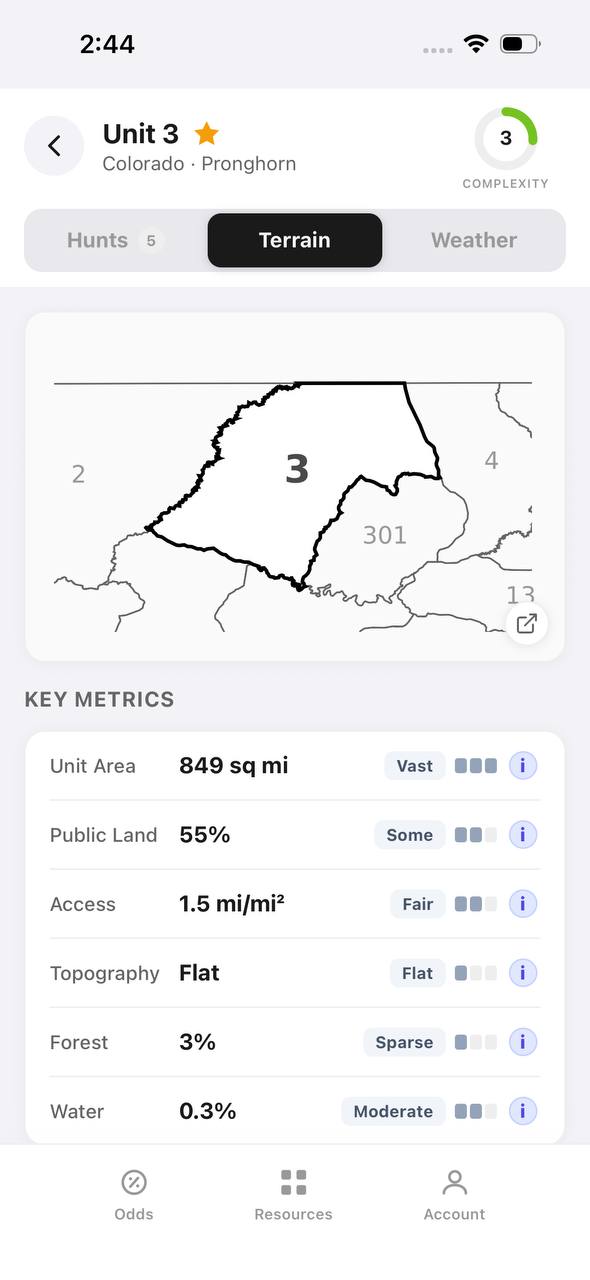
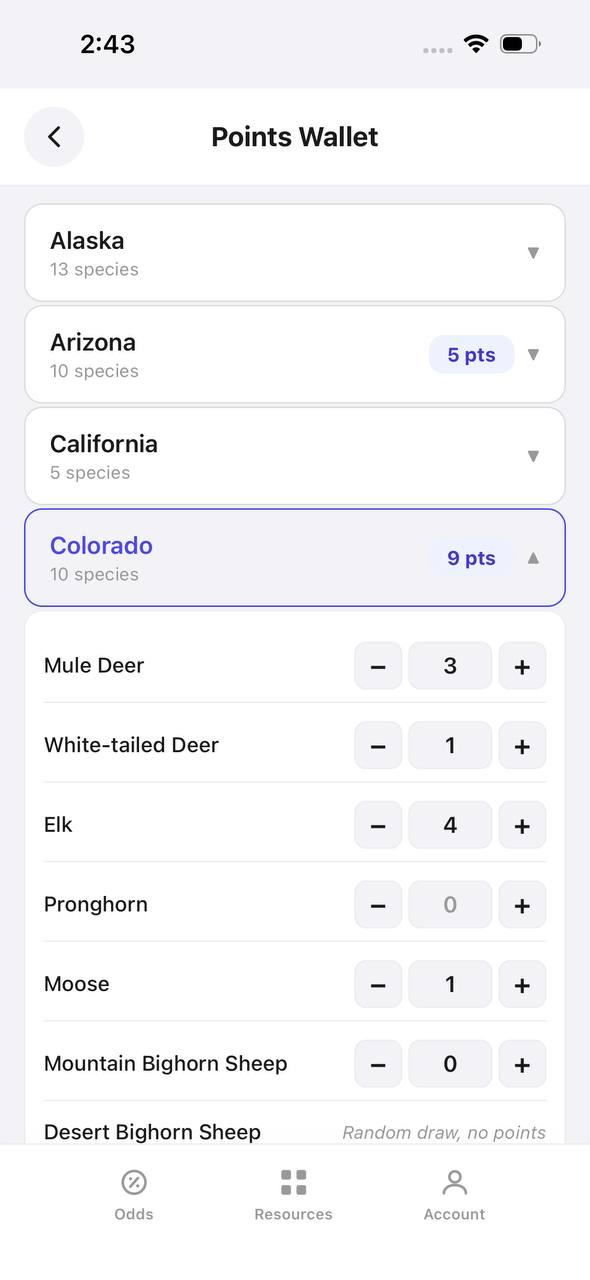
Free to join
Download mobile app
- Detailed draw odds
- Point tracking
- Deadline reminders
- 19 states covered
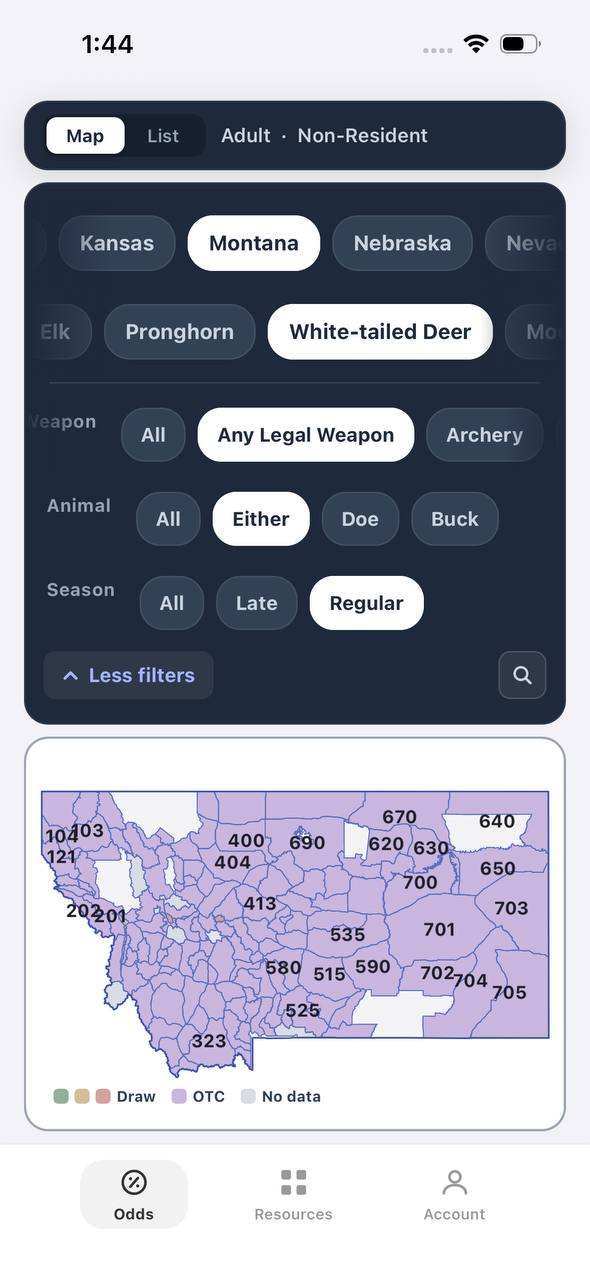
Free to join
Download mobile app
- Detailed draw odds
- Point tracking
- Deadline reminders
- 19 states covered
California Elk Draw Allocation
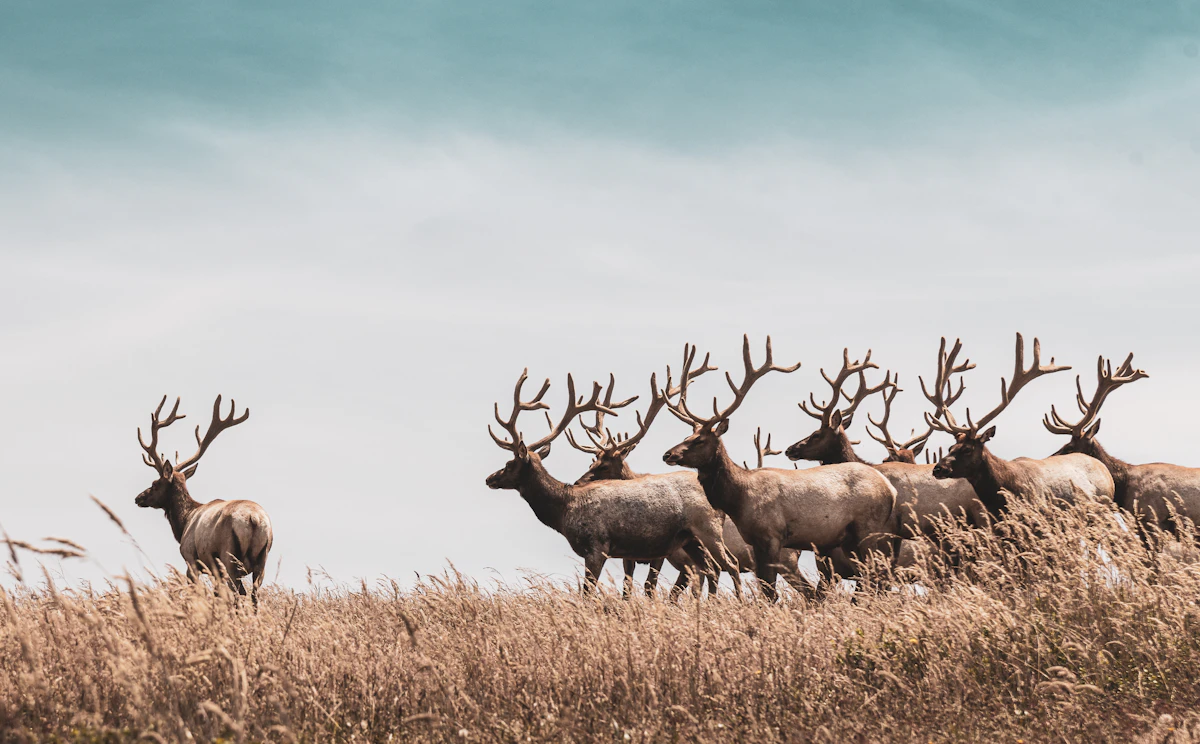
California provides opportunities to hunt three elk subspecies, each offering a different hunting experience. Tule elk are native to California and found primarily in portions of the state's central and coastal regions. Their limited geographic distribution makes them particularly desirable among hunters pursuing North American elk subspecies, and Tule elk tags can be exceptionally difficult to draw. Roosevelt elk inhabit portions of northern coastal California and are generally associated with forested landscapes, coastal environments, and dense vegetation. Roosevelt elk hunts can involve challenging visibility and access conditions. Rocky Mountain elk inhabit portions of northeastern and other suitable California mountain habitats, offering terrain and behavior familiar to hunters experienced with elk hunting elsewhere in the West.
For elk hunts with four or more licenses, California generally awards 75% through the preference-point drawing and the remaining allocation through random drawing. Special rules apply when fewer than four tags are available. One-tag hunts are awarded through random drawing. Two-tag hunts allocate one tag through preference points and one through random drawing. Three-tag hunts allocate two tags through preference points and one through random drawing. This structure means hunters with relatively few points can still have a chance to draw an elk license, but the number of available tags is often extremely small.
Nonresident Elk Restrictions
Nonresidents may apply for California elk tags, but the state limits the number of nonresidents who may draw elk licenses to one statewide per license year. That makes California elk hunting especially competitive for nonresident applicants. A nonresident hunter should not assume that the standard random allocation translates into a large number of available nonresident tags. The single-tag restriction applies statewide across all elk hunts and subspecies.
Pronghorn Antelope Draw
California offers limited pronghorn hunting opportunities in northeastern parts of the state. Pronghorn tags are highly sought after, particularly because of the limited number of available licenses. The drawing uses the same general modified preference-point structure as elk and bighorn sheep. For hunts with four or more licenses, approximately 75% are awarded through preference points, with the remaining allocation available through random drawing.
Nonresidents may apply for California pronghorn tags, but only one nonresident may draw a pronghorn tag statewide per license year. That creates extremely limited opportunity. For residents building preference points, California may be a logical part of a long-term hunting strategy. For nonresidents, the extremely limited allocation should be considered carefully against the cost of maintaining an annual California hunting license and application.
Bighorn Sheep Draw
California offers some of the most challenging bighorn sheep hunting opportunities in North America. The state manages limited-entry sheep hunts in desert mountain ranges where access, heat, water availability, and rugged terrain can create demanding conditions. Drawing a sheep tag can be a once-in-a-lifetime opportunity for many hunters.
California uses a modified preference-point drawing for sheep. For hunts with four or more tags, the standard allocation is approximately 75% preference-point and 25% random. Smaller quotas follow special rules, with a one-tag hunt awarded through random drawing. Nonresidents may apply, but only one nonresident may draw a bighorn sheep tag statewide per license year. Hunters must also be at least 16 years old as of July 1 of the license year. For deer, elk, and pronghorn, the general minimum age is 12.
Nonresident Big Game Draw Rules
California allows nonresidents to participate in its big-game drawing, but applicants should understand the limitations. Nonresidents may apply for eligible premium deer tags and compete under the applicable drawing rules and preference-point system. For elk, pronghorn, and bighorn sheep, only one nonresident may draw a tag statewide per license year for each species.
California does not permit nonresident party applications for elk or pronghorn because of the one-nonresident-per-species limitation. For hunters living outside California, the decision to apply should account for the cost of the annual hunting license, drawing fees, and the low probability of drawing certain species.
Free to join
Download mobile app
- Detailed draw odds
- Point tracking
- Deadline reminders
- 19 states covered
Free to join
Download mobile app
- Detailed draw odds
- Point tracking
- Deadline reminders
- 19 states covered
Free to join
Download mobile app
- Detailed draw odds
- Point tracking
- Deadline reminders
- 19 states covered
California Big Game Draw Odds and Statistics
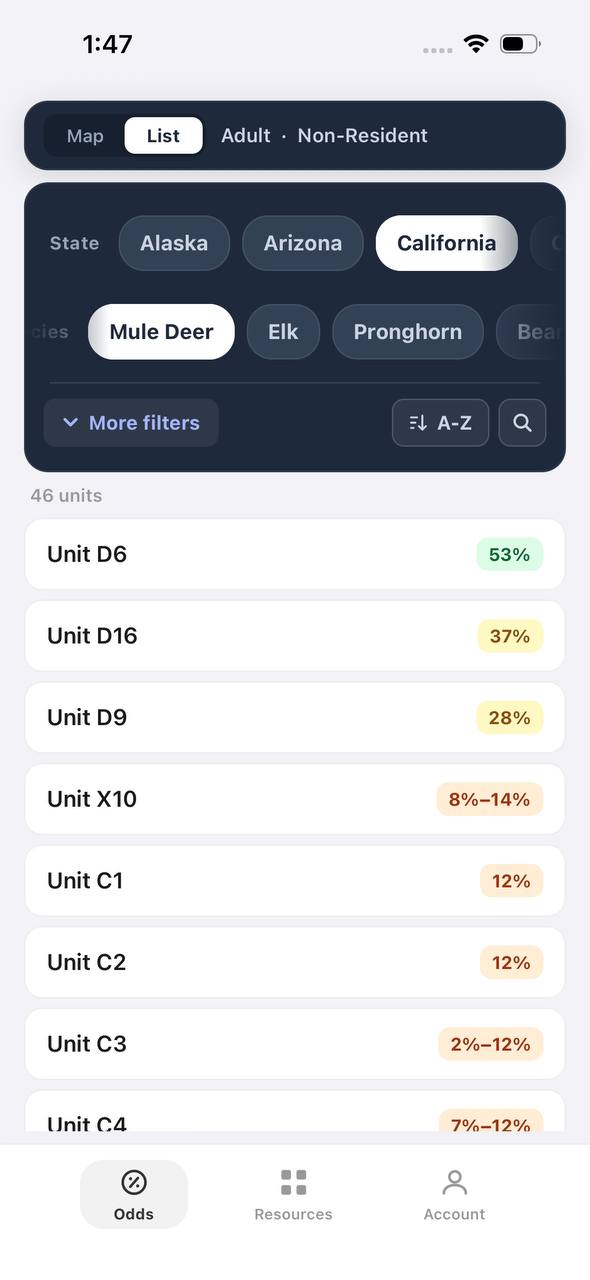
California publishes detailed drawing statistics that allow hunters to research previous drawing outcomes by species, hunt, and preference-point level. These reports help hunters evaluate the number of applicants, available tags, preference-point totals, drawing results, historical competition, random drawing opportunities, and hunt-specific demand. The most important distinction is between the preference-point allocation and the random allocation.
A hunter with fewer points than the historical preference-point cutoff may have little or no chance through the preference drawing. However, that hunter may still have an opportunity through the random allocation. The probability of success depends on the number of applicants and the number of available random tags. Some hunters choose highly competitive hunts because they are willing to accept very low random drawing odds. Others prefer hunts that offer a more realistic path through accumulated preference points. Neither strategy is universally correct. The best approach depends on the hunter's desired species, budget, timeline, and willingness to wait.
For more on Western hunting draw strategies, see how to navigate Western big-game draws and point systems.
Draw Strategy for Hunters With Zero Points
Starting with zero preference points does not mean a hunter should ignore California, but expectations need to be realistic. For deer, research premium hunts with random drawing allocations while also evaluating accessible general deer hunting opportunities. For elk, understand that tags are limited and highly competitive, though a zero-point applicant may still have a chance through the random allocation. For pronghorn, treat the application as a long-term opportunity rather than an annual expectation. For bighorn sheep, understand the extremely low drawing probability and evaluate the annual cost of participation.
Hunters interested in elk, deer, pronghorn, and sheep may benefit from maintaining applications across several Western states. California can be one component of a broader hunting plan. For information on other Western states, see Idaho controlled hunt structure and draw system.
Draw Strategy for Hunters With Preference Points
Hunters who have accumulated points should approach applications differently. Review previous drawing results to identify how many points were required for particular hunts. Compare similar hunts, as a less publicized opportunity may require fewer points than a famous destination. Consider the value of waiting, but understand the opportunity cost. Holding points for a premium hunt can be worthwhile, but avoid losing points through inactivity. California removes accumulated preference points after five consecutive years without participating in the species drawing.
Understand when points are reset. A successful first-choice premium deer application generally resets deer points. Receiving and purchasing an elk, pronghorn, or sheep tag generally resets points for that species, subject to applicable return rules. For perspective on how different Western states approach point systems, see California preference point strategy and draw odds.
How Party Applications Work
California allows certain party applications, but rules differ by species and residency. For eligible party applications, the preference-point value is calculated by averaging the points held by party members. The average is not rounded. For example, two hunters with 12 and 4 deer preference points would enter the drawing with an average of 8 points.
Party applications can make it easier for hunters to plan a shared trip, but they can also reduce the effective point total of a hunter with substantially more points. In addition, parties may be bypassed when the remaining tag quota cannot accommodate all members. Hunters should carefully evaluate party size and point totals before applying.
Free to join
Download mobile app
- Detailed draw odds
- Point tracking
- Deadline reminders
- 19 states covered
Free to join
Download mobile app
- Detailed draw odds
- Point tracking
- Deadline reminders
- 19 states covered
Free to join
Download mobile app
- Detailed draw odds
- Point tracking
- Deadline reminders
- 19 states covered
Cost of the California Big Game Draw
California requires an annual hunting license to participate in the big-game drawing. Hunters must also purchase the appropriate drawing applications. Successful applicants may owe additional tag fees depending on the species and residency. For reference, California's published 2026 fee schedule lists the elk drawing application at $8.38, the resident elk tag at $610.20, and the nonresident elk tag at $1,871.80. These are 2026 reference amounts, not confirmed 2027 prices. Deer, pronghorn, bighorn sheep, and hunting license costs differ. Hunters should verify the complete 2027 fee schedule before purchasing applications.
Step-by-Step Application Process
Purchase a California hunting license. Hunters must have a valid annual California hunting license. New applicants should confirm hunter education and identification requirements. Create or access your CDFW account using California's online licensing system. Returning applicants should use their existing GO ID to preserve accurate preference-point records. Select the species by choosing the appropriate drawing application for deer, elk, pronghorn, or bighorn sheep.
Research hunt codes by reviewing the official hunting digest and drawing statistics. Pay attention to season dates, weapon restrictions, tag quotas, and eligibility. Enter your hunt choices. Deer applicants may select up to three hunt choices. Other species follow their applicable application rules. Review preference points to confirm that your accumulated points are correctly reflected in the system. Complete the transaction. The application is not complete until the purchase transaction has been finalized. Save your receipt as confirmation of the application and hunt selections.
Check drawing results, which are generally available approximately ten business days after the drawing deadline. Complete any required tag purchases. Successful applicants should follow all tag payment, reporting, and licensing requirements.
Tag Returns and Preference Point Reinstatement
California has provisions for returning certain big-game tags and requesting preference-point reinstatement. The rules differ by species. For premium deer tags, hunters may be able to return the tag before the season and request reinstatement of their accumulated points. For elk, pronghorn, and bighorn sheep, eligible hunters may also request tag returns and preference-point reinstatement under applicable conditions. Deadlines, processing fees, and documentation requirements apply. Hunters should contact CDFW and review the official return rules before making assumptions about refunds or restored points.
Common Drawing Mistakes
Do not confuse preference points with bonus points. California's system gives priority to higher point totals for designated allocations, not simply a system where every point adds another random drawing entry. Do not assume all tags go to maximum-point holders. Random allocations preserve opportunities for hunters with fewer points. Do not forget the five-year rule. Preference points can be lost after five consecutive years without participating in the species drawing. Do not ignore nonresident limits. California's one-nonresident-per-species restriction for elk, pronghorn, and sheep significantly limits opportunity.
Do not apply for hunts without checking access. A premium tag does not guarantee easy access to public land. Do not overlook application deadlines. Late drawing applications are not accepted. Do not assume all deer zones require a draw. Some deer tags may be available through general sales, depending on the zone and quota. Do not ignore party point averaging. Applying with hunters who have fewer points can reduce the party's effective preference-point total. Do not fail to verify fees. Application fees and tag costs can change between license years. Do not treat historical odds as guarantees. Applicant demand and available quotas can change annually.
For more information on evaluating Western hunting opportunities, see Arizona best units for residents vs nonresidents.
How TAGZ Fits Into California Big Game Planning
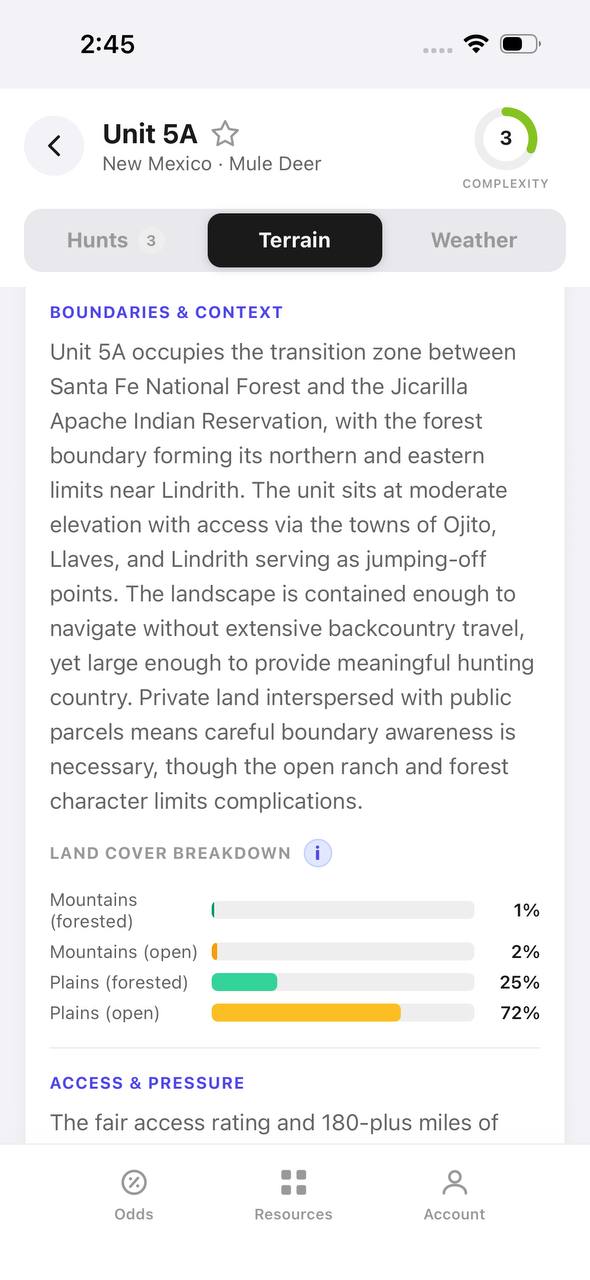
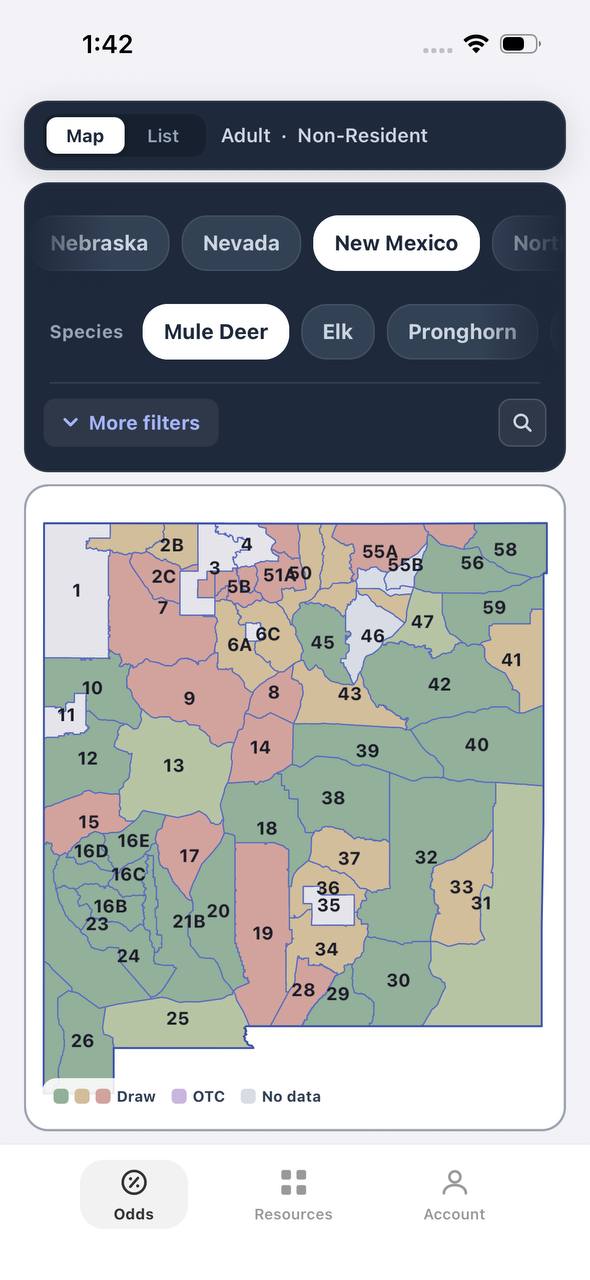
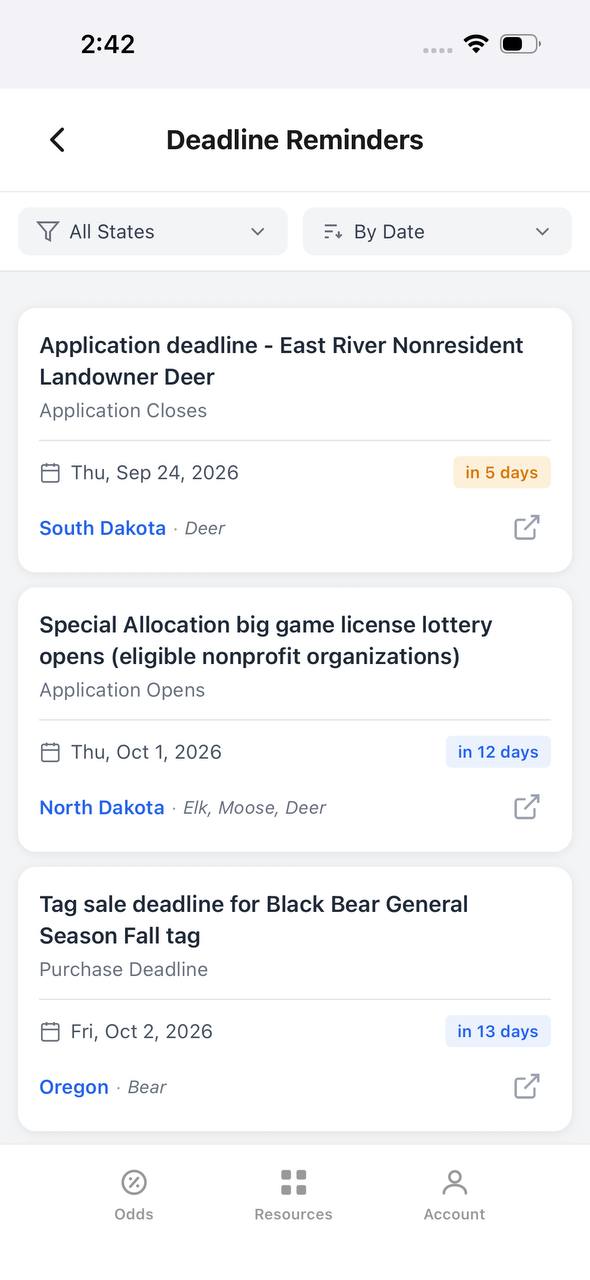
TAGZ was created by hunters, guides, and outfitters who understand how complicated Western hunting applications can become. The platform originated from firsthand guiding experience in Idaho, where researching hunting regulations, drawing systems, and available opportunities inspired a more practical approach to hunting planning. TAGZ helps hunters research supported states and species, compare available drawing information, track preference points, and organize applications across multiple states. Whether you're building points for a premium California mule deer hunt, applying for Tule elk, or researching sheep and pronghorn opportunities, TAGZ can help simplify your planning.
FAQ — California Big Game Draw
When is the California big-game draw deadline in 2027? California's established annual deadline is June 2, with applications traditionally opening April 15. Hunters should verify the official 2027 application announcement before applying.
Can you draw a California deer tag with zero points? Yes. A portion of premium deer tags is awarded through random drawing, so hunters with zero preference points can draw, though the probability may be extremely low for highly competitive hunts.
How many California deer tags are awarded through preference points? Generally, 90% of premium deer tags are awarded through preference points and 10% through random drawing, subject to small-quota rules. For hunts with fewer than ten tags, one tag is awarded through the random draw.
Can nonresidents apply for California Tule elk? Yes, but only one nonresident may draw an elk tag statewide per license year. The single-tag restriction applies across all elk hunts and subspecies.
Do California preference points expire? Yes. Points are lost after five consecutive years without participating in the drawing for that species. This five-year rule creates a significant trap for hunters who assume points will remain indefinitely.
Do you lose deer points if you draw your second choice? Generally, no. If you are unsuccessful for your first-choice premium deer tag, you earn a preference point even if awarded a second- or third-choice tag, creating an important strategic opportunity.
Was this article helpful?
Previous
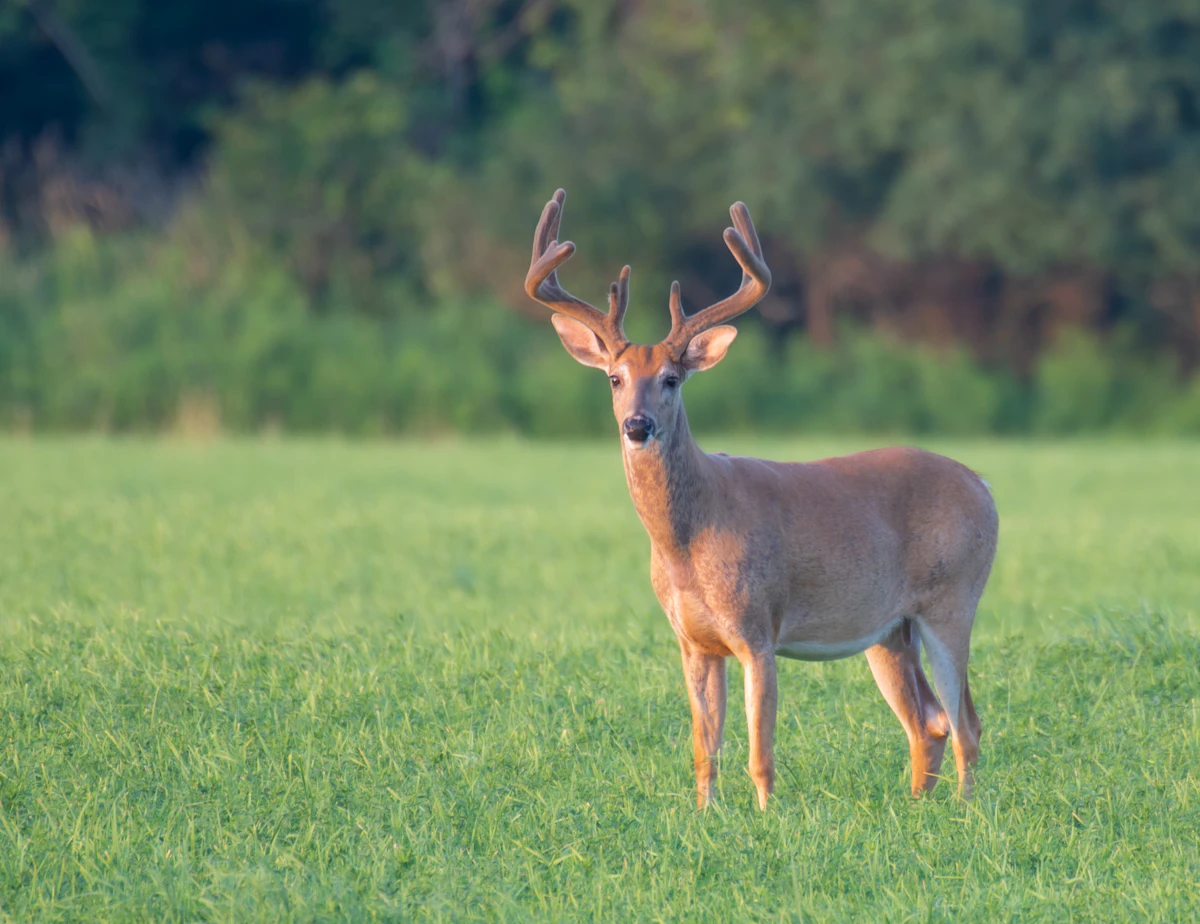
Planning a Whitetail Hunt Around the Rut 2027: Best Dates, States & Strategies
The whitetail rut varies significantly across the United States, with northern states peaking in November while southern populations may breed in December, January, or February, requiring hunters to research local timing and regulations.
Related
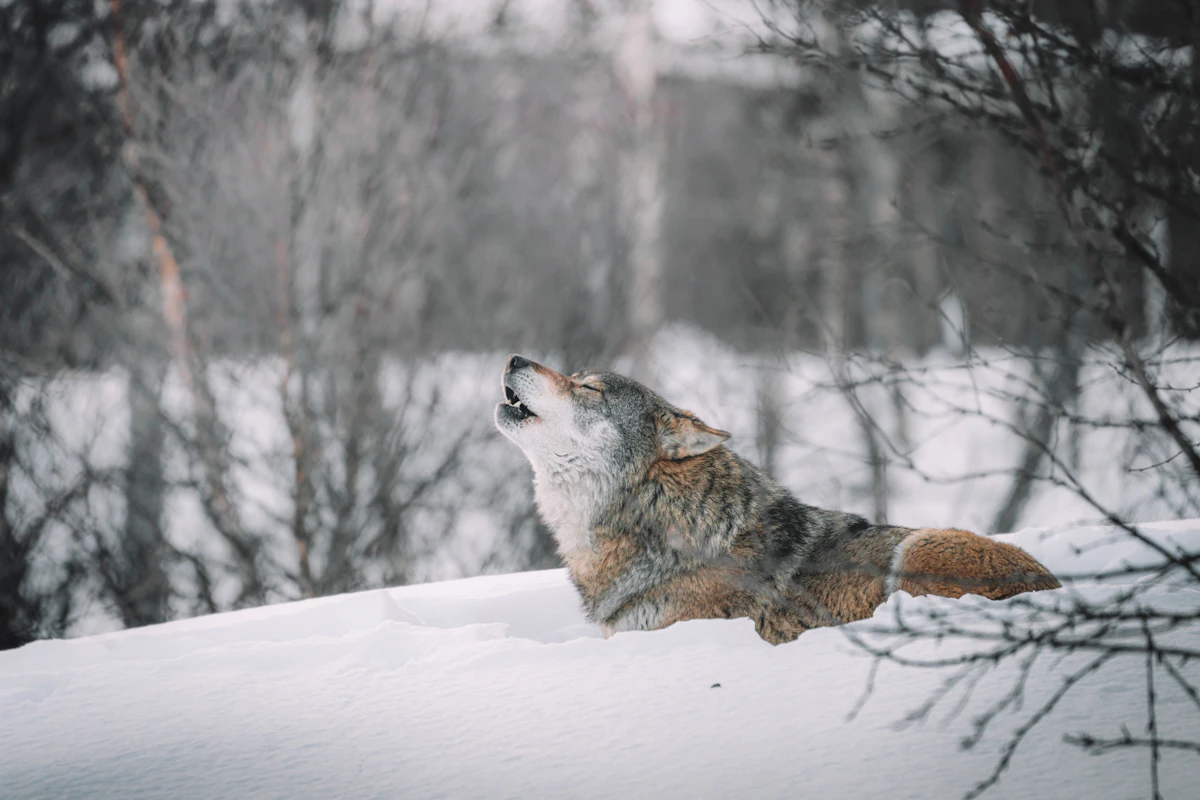
How Wolves Affect Wisconsin Whitetail Deer Populations in 2027: Predation, Hunting & Management
Wolves are a major prey predator of whitetail deer in Wisconsin, particularly in northern forests, with predation impacts varying by location, winter severity, and habitat conditions, while black bears and coyotes are also significant fawn predators.
Next
New Mexico Attorney General Rules Outfitter Tag Set-Aside Unconstitutional: 2027 Hunting Impact
New Mexico's Attorney General ruled in October 2026 that the state's 10 percent outfitter hunting license allocation violates the constitution by reserving public licenses for applicants who hire private outfitters, though the opinion does not automatically change the current system.