How Wolves Affect Wisconsin Whitetail Deer Populations in 2027: Predation, Hunting & Management
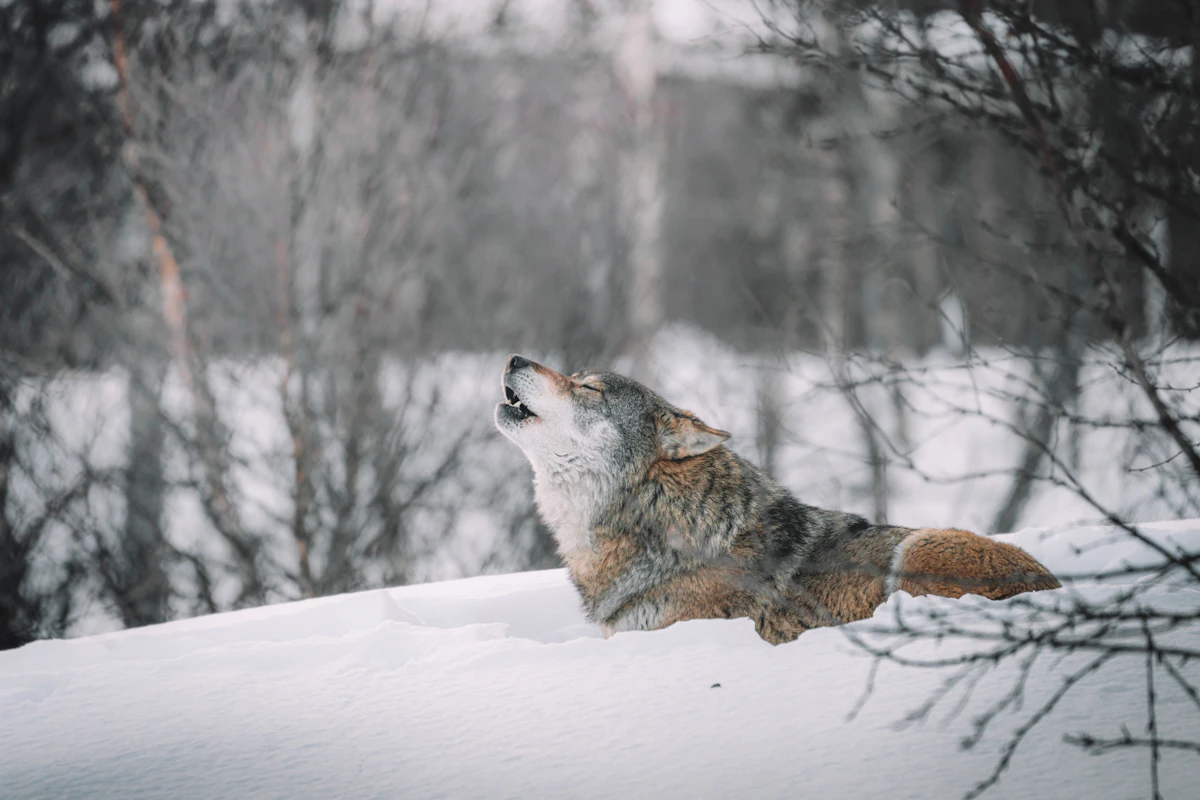
Wolves and whitetail deer have shared Wisconsin's northern forests for generations, but as gray wolf populations recovered and expanded across the state, their influence on deer numbers became one of the most debated wildlife management issues. For deer hunters heading into the 2027 season, the central question is whether wolves are meaningfully reducing Wisconsin's whitetail population. The answer depends on location, winter severity, habitat conditions, and how wolf predation interacts with other sources of deer mortality. Understanding these relationships is essential for anyone planning to hunt Wisconsin's northern forests.
Do Wolves Kill Whitetail Deer in Wisconsin?
Yes. Whitetail deer are a major prey species for gray wolves in Wisconsin. Wolves are capable of killing adult deer, including mature bucks and does, as well as younger animals. Their hunting success depends on conditions such as snow depth, terrain, deer vulnerability, and pack behavior. Wolves can pursue healthy deer, but they may also take advantage of animals weakened by winter, injury, or disease.
During periods of deep snow or prolonged winter stress, deer can become more vulnerable to predation. That makes wolf predation particularly important to examine alongside winter severity. Wolves commonly hunt by locating, pursuing, and attempting to isolate vulnerable prey. A wolf pack may travel through large areas of forest while searching for deer. Snow conditions can influence how easily wolves and deer move through the landscape. In some situations, deep or crusted snow can give wolves an advantage, particularly when deer have difficulty escaping.
However, hunting success is not guaranteed. Deer have evolved alongside predators and possess strong senses, speed, and the ability to navigate familiar terrain. The relationship between wolves and deer is dynamic rather than a simple process in which every wolf kills a fixed number of deer each year.
How Many Deer Does a Wolf Kill Per Year in Wisconsin?
There is no single scientifically reliable annual kill number that applies to every Wisconsin wolf. A wolf's deer consumption depends on pack size, prey availability, season, body size of prey, scavenging, and access to alternative food sources. Wolves also consume deer killed by vehicles, hunters, winter conditions, and other causes. A wolf feeding on a deer carcass does not necessarily mean that wolf killed the animal. Likewise, a single deer may feed several wolves.
This makes simple calculations such as multiplying the statewide wolf population by a fixed number of deer per wolf misleading. Suppose a hypothetical estimate assumes that each wolf kills 20 deer annually. Multiplying that assumption by 1,200 wolves produces 24,000 deer. But that result is not a measured Wisconsin deer kill total. It assumes that every wolf has the same hunting success, consumes the same amount of deer, and obtains no meaningful food from scavenging or alternative prey. Real predator-prey systems do not operate that way.
To estimate wolf predation accurately, researchers must consider prey consumption, carcass investigations, pack behavior, seasonal diets, and local deer populations. Hunters should be cautious of statewide wolf kill figures that do not explain their methodology.
Are Wolves Causing Deer Population Declines in Northern Wisconsin?
Wolves can contribute to declining deer populations, but determining whether they are the primary cause requires examining local conditions. Northern Wisconsin differs substantially from the state's southern agricultural regions. The northern forest contains large areas of public land, extensive timber habitat, and more severe winter conditions. Deer populations in these areas can experience substantial fluctuations.
In some northern forest landscapes, limited winter food and severe weather can reduce adult survival and fawn recruitment. When wolves are present, predation can add another source of mortality. The combined effect may be more significant than either factor considered separately. Northern forest deer populations can be limited by habitat quality and winter conditions. Young forests with abundant browse may support different deer densities than older forest stands with limited understory vegetation.
Long winters increase the energy deer need to survive. Deep snow can restrict movement and access to food. When deer enter late winter in poor condition, their ability to survive additional stress declines. Wolf predation can compound these challenges. However, an observed decline in deer numbers does not automatically prove that wolves caused it. Researchers must evaluate whether predation increased total mortality or partly replaced deaths that would otherwise have occurred.
What Does Wisconsin Research Say About Wolf Predation on Deer?
Wisconsin has a substantial history of research on wolves, deer, and predator-prey relationships. Research involving radio-collared deer, mortality investigations, and wildlife population monitoring has helped identify major sources of deer mortality in different parts of the state. Studies have shown that wolf predation can be a significant source of adult deer mortality in northern Wisconsin. However, the proportion of deer killed by wolves varies across landscapes and study periods.
The research also demonstrates why it is important to distinguish adult deer survival from fawn survival. Adult deer can be killed by hunters, wolves, vehicles, disease, and winter-related causes. In areas with established wolf packs, wolves can account for a meaningful share of adult mortality. However, the magnitude of that share depends on the study area and monitoring period. It should not be generalized to every Wisconsin county.
Newborn fawns are vulnerable to several predators. Black bears, coyotes, bobcats, and wolves may all prey on fawns, depending on local conditions. Research in Wisconsin has identified black bears and coyotes as important sources of fawn predation in some study areas. This means wolves should not automatically be blamed for all poor fawn recruitment in wolf country.
A single year of deer mortality data may reflect unusual winter conditions, changes in predator abundance, or local habitat problems. Long-term research helps wildlife managers distinguish temporary fluctuations from sustained population changes. The Wisconsin DNR's deer research and population monitoring programs provide important context for interpreting those patterns.
Free to join
Download mobile app
- Detailed draw odds
- Point tracking
- Deadline reminders
- 19 states covered

Free to join
Download mobile app
- Detailed draw odds
- Point tracking
- Deadline reminders
- 19 states covered
Free to join
Download mobile app
- Detailed draw odds
- Point tracking
- Deadline reminders
- 19 states covered
How Does Wolf Predation Compare With Black Bears, Coyotes, and Bobcats?
Wolves are not the only predators affecting Wisconsin whitetail deer. The importance of each predator varies by the age of the deer, habitat, season, and location. In Wisconsin's northern forests, wolves are an important predator of adult deer. However, other predators can be especially significant during the first months of a fawn's life.
Research summarized by the Wisconsin DNR found that 35–60% of monitored fawns in a northern forest study died before September 1, with predation (primarily by black bears, bobcats, and coyotes) being the most common cause. In an eastern farmland study area, approximately 29–35% of fawns died before September 1, primarily from causes such as starvation rather than predation. These findings demonstrate why predator impacts must be evaluated by species and life stage, not simply by counting wolves.
Black bears can be important predators of newborn whitetail fawns. The first weeks after birth are especially vulnerable because fawns have limited mobility and depend heavily on concealment. Bear predation can influence recruitment in forested habitats where bears and deer overlap. Coyotes are another important source of fawn mortality. In Wisconsin's Southwest CWD, Deer and Predator Study, coyote predation was the leading identified source of fawn mortality. However, that study was conducted in southwestern Wisconsin, not the northern wolf range, so its findings should not be treated as a direct measurement of wolf impacts.
Bobcats also prey on young deer. Their impact varies with habitat, predator abundance, and fawn vulnerability. Wisconsin research has identified bobcats as one contributor to fawn mortality in northern forest environments. Predators do not operate independently. Wolves can influence the distribution or behavior of other predators, and changes in one predator population may affect another. However, those interactions are complex and should not be assumed to produce a predictable increase or decrease in deer numbers.
Do Wolves Change Whitetail Deer Behavior?
Yes. Wolves can affect deer behavior, movement, and habitat use even when they do not kill a deer. The Wisconsin DNR recognizes that deer may change their movements and habitat use in response to wolves. Deer may respond to predator activity by changing where they feed, rest, or travel. These changes can influence how hunters encounter deer.
However, an area with fewer deer sightings does not necessarily have fewer deer. Weather, food availability, hunting pressure, and seasonal movement can also change deer visibility. Wolves may temporarily influence deer movement or habitat selection, but their presence does not automatically cause deer to abandon an entire region. Deer continue occupying landscapes where wolves are established. The extent of behavioral changes depends on local conditions and predator activity.
There is no reliable basis for assuming that wolf presence alone causes Wisconsin deer to become predominantly nocturnal. Deer activity patterns are affected by several factors, including hunting pressure, temperature, food availability, breeding behavior, and human disturbance. Wolf activity may be one influence, but it should not be treated as the sole explanation.
How Do Wisconsin Winters Affect Wolf Predation?
Winter severity is a major factor influencing deer survival in northern Wisconsin. Deep snow, prolonged cold, and limited access to food can increase deer energy demands. Severe winters can also leave deer in poorer physical condition, potentially increasing vulnerability to predators. This creates an important relationship between weather and predation.
In some situations, wolves may kill deer already weakened by winter conditions. In others, wolf predation may remove animals that would otherwise have survived. Distinguishing those outcomes requires research into individual deer survival and causes of mortality. The conditions during winter 2026–2027 could influence the deer population entering the following hunting season. A relatively mild winter may improve survival, while severe conditions could reduce survival and recruitment.
However, the actual effect will depend on snow conditions, habitat, deer condition, and other factors. Hunters should monitor official winter severity information rather than assuming a particular outcome before the winter is complete.
Are Wisconsin's Wolf Numbers Too High for the Deer Population?
There is no single scientifically established wolf-to-deer ratio that determines whether Wisconsin has too many wolves. Predator-prey relationships depend on habitat, prey availability, predator territories, seasonal conditions, and other mortality sources. Wisconsin's 2023 Wolf Management Plan uses an adaptive approach rather than a fixed statewide wolf population target. The plan considers population sustainability, distribution, conflicts, and ecological conditions.
That does not mean wolf abundance is irrelevant. In areas where deer densities are low, habitat is limited, and winters are severe, predator impacts may deserve particular attention. However, statewide wolf numbers alone cannot establish whether predation is excessive within an individual deer management unit.
Free to join
Download mobile app
- Detailed draw odds
- Point tracking
- Deadline reminders
- 19 states covered
Free to join
Download mobile app
- Detailed draw odds
- Point tracking
- Deadline reminders
- 19 states covered
Free to join
Download mobile app
- Detailed draw odds
- Point tracking
- Deadline reminders
- 19 states covered
Would Reducing Wisconsin's Wolf Population Increase Deer Numbers?
Reducing wolf abundance could reduce wolf predation pressure in some areas, but the resulting deer population response is not guaranteed. If wolf predation is an important additive source of deer mortality, reducing that predation could improve survival. However, if winter conditions, poor habitat, disease, or other predators are the primary limiting factors, a reduction in wolves may produce a smaller effect than expected.
Changes in wolf abundance may also influence the behavior or abundance of other predators. For these reasons, the impact of predator management should be evaluated using measurable outcomes such as deer survival, fawn recruitment, and population trends. Simply reducing predator numbers does not guarantee a proportional increase in deer abundance.
What Does Wisconsin's Wolf Population Mean for Deer Hunters in 2027?
For hunters preparing for the 2027 season, local conditions matter more than statewide averages. Wisconsin manages deer through individual Deer Management Units (DMUs). These units are grouped into the Northern Forest, Central Forest, Central Farmland, and Southern Farmland management zones. The DNR uses population estimates, harvest information, fawn recruitment, and other indicators when evaluating deer management decisions.
The agency revised several forest-zone management unit boundaries beginning in 2025. That creates an important challenge when comparing historical deer data. A large change in a unit's reported harvest or population estimate may reflect a boundary adjustment rather than an actual biological change. The DNR's online deer statistics specifically warn hunters about these comparisons.
Hunters in northern Wisconsin should pay particular attention to winter severity, local deer abundance, fawn recruitment, and established wolf territories. A low deer harvest does not necessarily mean wolves are the primary cause. However, wolf predation should be considered as one component of the local deer mortality picture. Central Wisconsin contains a mixture of forested habitat, agricultural land, and developed areas. Deer populations and predator interactions can differ substantially from those in the northern forest. Hunters should evaluate the exact management unit rather than applying statewide assumptions.
In agricultural regions, deer abundance may be influenced more heavily by habitat, hunting harvest, disease, and local land use. Wolf impacts are generally less central to deer management in areas without established wolf packs. However, other predators and mortality sources remain relevant. Understanding where deer hunting pressure is concentrated can help hunters evaluate local conditions; see Best Wisconsin Counties for Whitetail Deer Hunting in 2027.
How to Evaluate Deer Numbers in Your Wisconsin Hunting Area
Hunters can improve their understanding of local deer conditions by comparing several sources of information. The most useful indicators include post-hunt deer population estimates (estimates of the herd remaining after the hunting season), fawn-to-doe ratios (an indicator of reproduction and fawn recruitment), antlerless harvest trends (information about hunting pressure and deer management), winter severity (a major factor affecting northern forest deer survival), habitat conditions (food availability, forest age, and winter cover), and predator information (established wolf pack distribution and other local predator activity).
No single indicator provides a complete picture. For example, a decline in registered deer harvest may result from fewer hunters, reduced antlerless authorizations, changes in weather, or a smaller deer population. Similarly, a lower fawn-to-doe ratio can reflect predation, nutrition, or other causes. Hunters can explore Best Wisconsin Public Land Deer Hunting 2027: Counties, Locations, Maps for additional location-specific information.
Free to join
Download mobile app
- Detailed draw odds
- Point tracking
- Deadline reminders
- 19 states covered
Free to join
Download mobile app
- Detailed draw odds
- Point tracking
- Deadline reminders
- 19 states covered
Free to join
Download mobile app
- Detailed draw odds
- Point tracking
- Deadline reminders
- 19 states covered
Wisconsin Deer Population Management in 2027
Wisconsin's deer management system is designed to account for differences among regions. The DNR uses deer management units, antlerless harvest recommendations, population estimates, and input from local advisory processes to inform decisions. The state's Citizen Deer Advisory Councils have historically provided local recommendations, while the DNR and Natural Resources Board operate within the applicable regulatory process.
For 2027, hunters should monitor updated deer population estimates, unit boundaries, harvest authorizations, and official season regulations. Predation is one consideration, but wildlife managers must also account for habitat, winter survival, disease, and hunter harvest. Before planning a hunt, review Wisconsin Deer Hunting 2027: Season Dates, Licenses, Tags, Regulations.
What Does Chronic Wasting Disease Have to Do With Wolf Predation?
Chronic wasting disease (CWD) is an important deer management issue in Wisconsin. Although CWD and wolf predation are separate sources of deer mortality, understanding both is necessary when evaluating deer population changes. The Wisconsin DNR's Southwest CWD, Deer and Predator Study found that CWD substantially reduced adult deer survival. Annual survival among uninfected females was estimated at 83%, compared with 41% among CWD-infected females. For males, the corresponding figures were 69% and 17%. These results demonstrate that disease can have a substantial population-level effect.
However, those findings came from a southwestern Wisconsin study area and should not be interpreted as direct evidence about wolves in northern Wisconsin. They illustrate why deer management must consider multiple mortality sources rather than assigning every population change to predation. For more on CWD-related hunting regulations, see Wisconsin CWD Regulations 2027: Deer Hunting Rules, Testing Guide.
What Can Hunters Do to Support Healthy Wisconsin Deer Populations?
Hunters contribute to deer management through regulated harvest, wildlife observations, habitat work, and participation in local management discussions. Responsible antlerless harvest decisions are particularly important because adult doe survival directly influences future reproduction. Habitat improvement can also benefit deer by increasing available food and cover.
In northern forest environments, forest management practices that encourage suitable browse and winter habitat can influence deer carrying capacity. Hunters can also report wildlife observations, participate in DNR surveys, and review local management data before making claims about population trends. These efforts help support management decisions based on measurable conditions. Nonresident hunters should be aware of tag requirements; consult Wisconsin Nonresident Deer Hunting 2027: Tags, Costs, Seasons, Rules for details.
TAGZ Perspective: Biology-Based Predator and Prey Management
TAGZ was founded by hunters, guides, and outfitters, with its roots in firsthand guiding experience in Idaho. That experience has reinforced the importance of understanding how predators, prey, habitat, and hunting pressure interact. Wolves are native predators and part of Wisconsin's wildlife ecosystem. Their recovery represents an important conservation achievement. At the same time, deer hunters, livestock producers, and rural communities have legitimate concerns about how wolf populations are managed.
Recognizing the ecological role of wolves does not require dismissing their impacts on deer or livestock. Likewise, recognizing those impacts does not mean every deer population decline can be attributed to wolves. Effective management should be guided by biological research, transparent population monitoring, and an understanding of local conditions. TAGZ supports biology-based wildlife management that considers healthy predator populations, sustainable deer herds, hunting traditions, and the communities directly affected by management decisions.
TAGZ was built by hunters, guides, and outfitters to simplify hunting research and multistate planning. Hunters can use TAGZ to research supported hunting opportunities, review available drawing information, track applications, and prepare for upcoming seasons. Explore TAGZ Hunting Draw Planning at getmytagz.com, browse additional hunting and wildlife management articles through TAGZ Insights, and learn more about the team on the About TAGZ page.
FAQ — Wolves and Wisconsin Deer
Do wolves reduce Wisconsin whitetail deer populations? Wolves kill deer and can affect survival and abundance, particularly in northern forest areas. However, the magnitude of their effect varies by location and must be evaluated alongside winter severity, habitat, hunting harvest, and other mortality sources.
How many deer does a wolf kill in Wisconsin each year? There is no single verified statewide number that applies to every wolf. Annual deer consumption and kill rates vary by pack, season, prey availability, and other conditions.
Are wolves responsible for low deer numbers in northern Wisconsin? Wolves can contribute to local deer mortality, but they are not the only factor. Winter severity, habitat conditions, hunting harvest, and other predators also influence northern Wisconsin deer populations.
Do wolves kill mature bucks? Yes. Wolves can kill mature bucks, although vulnerability varies with physical condition, season, and environmental conditions.
Do wolves kill newborn fawns? Yes, wolves can prey on fawns. However, Wisconsin research has also identified black bears, coyotes, and bobcats as important fawn predators.
Would removing wolves increase deer populations? Reducing wolf predation could improve deer survival in some areas, but the effect would depend on whether predation is a major limiting factor and how other mortality sources respond.
Was this article helpful?
Previous
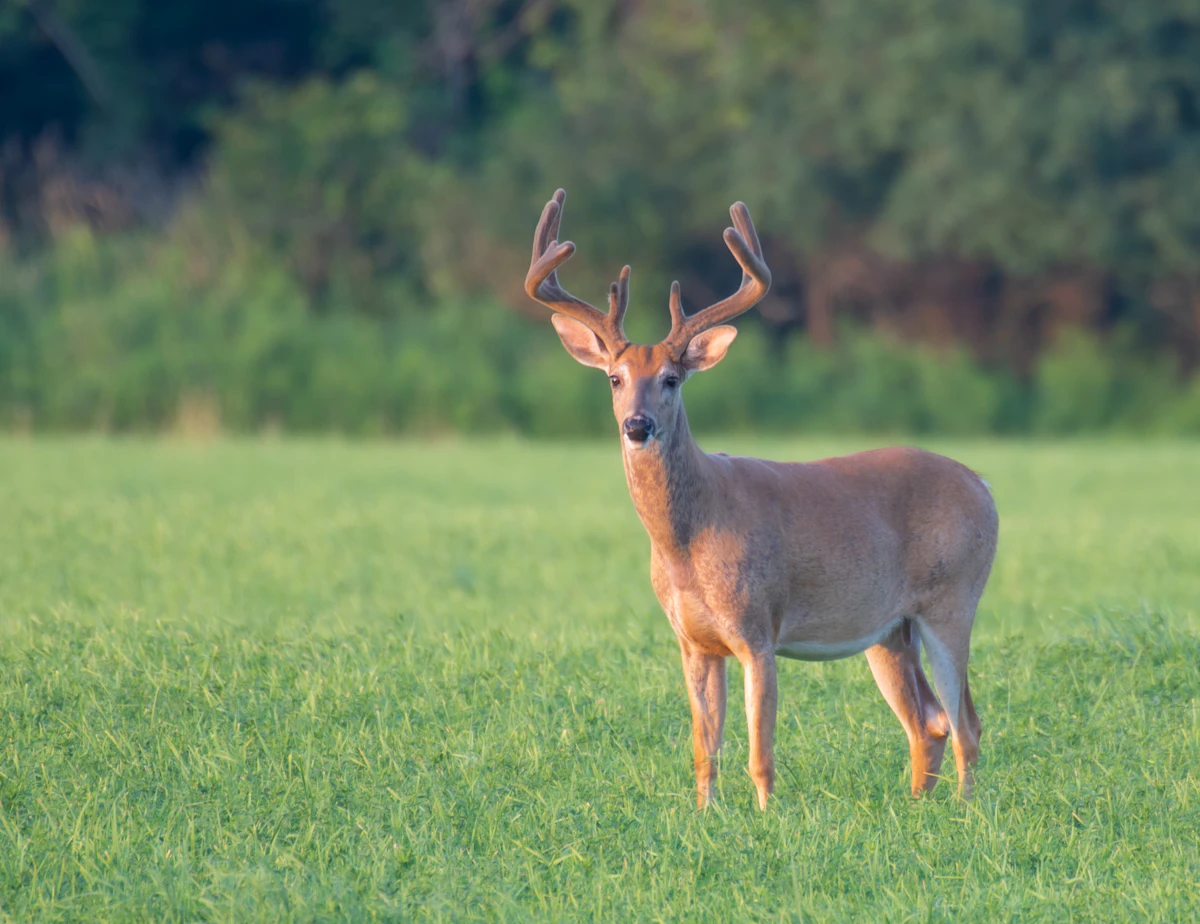
Planning a Whitetail Hunt Around the Rut 2027: Best Dates, States & Strategies
The whitetail rut varies significantly across the United States, with northern states peaking in November while southern populations may breed in December, January, or February, requiring hunters to research local timing and regulations.
Related
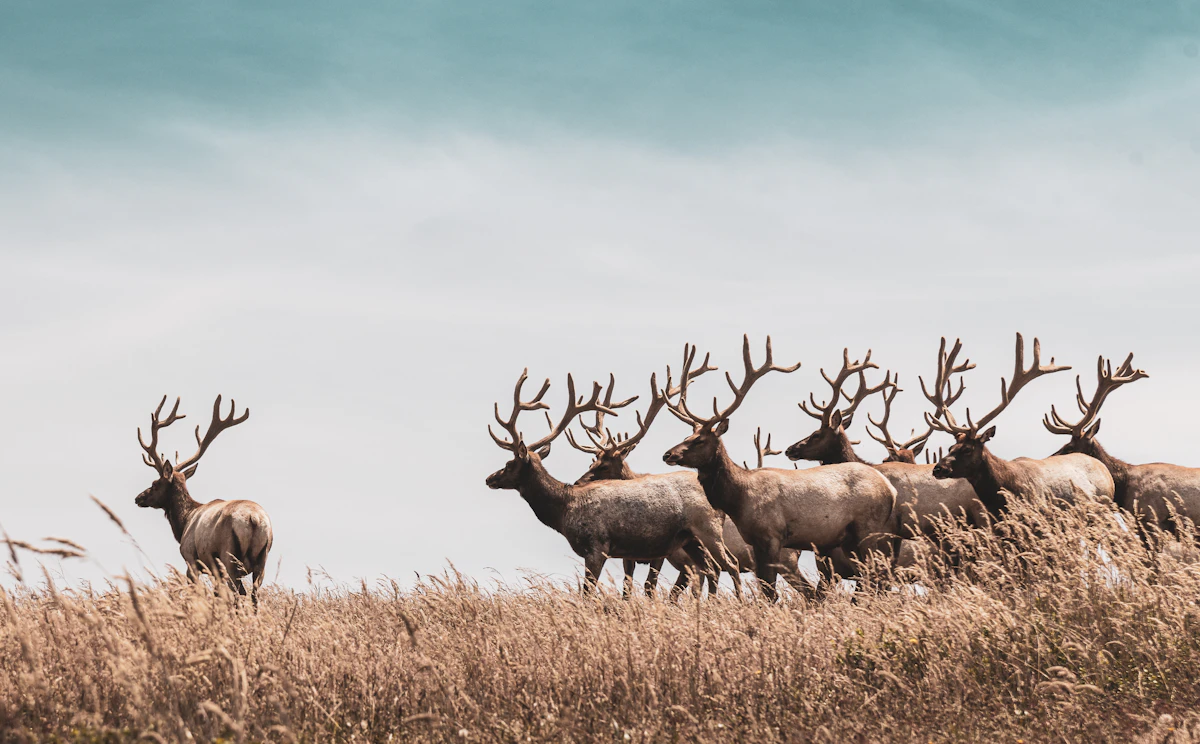
California Big Game Draw Guide 2027: Deer, Elk, Antelope & Sheep Tags
California's big game draw awards most premium tags through accumulated preference points while preserving random draw opportunities, covering deer, three elk subspecies, pronghorn, and bighorn sheep with applications typically opening April 15 and closing June 2.
Next
New Mexico Attorney General Rules Outfitter Tag Set-Aside Unconstitutional: 2027 Hunting Impact
New Mexico's Attorney General ruled in October 2026 that the state's 10 percent outfitter hunting license allocation violates the constitution by reserving public licenses for applicants who hire private outfitters, though the opinion does not automatically change the current system.