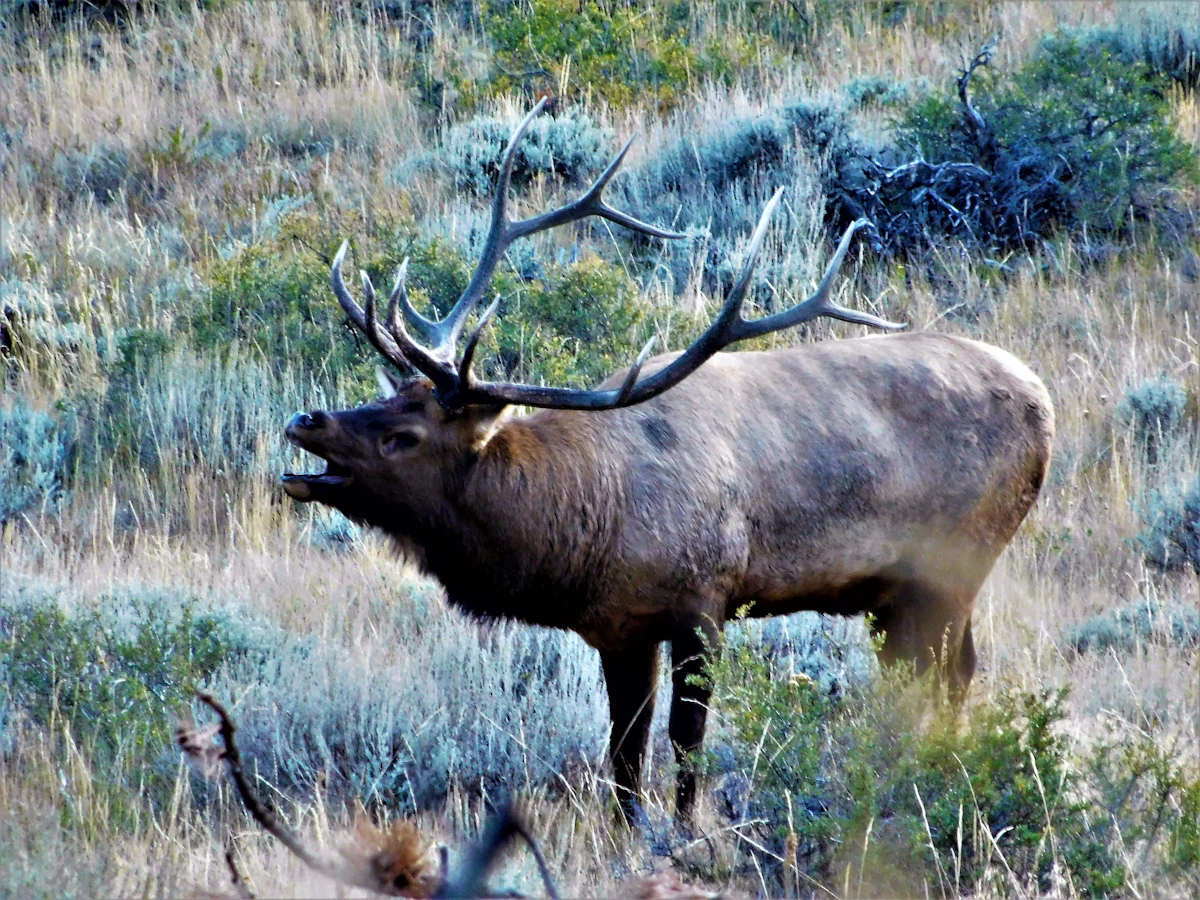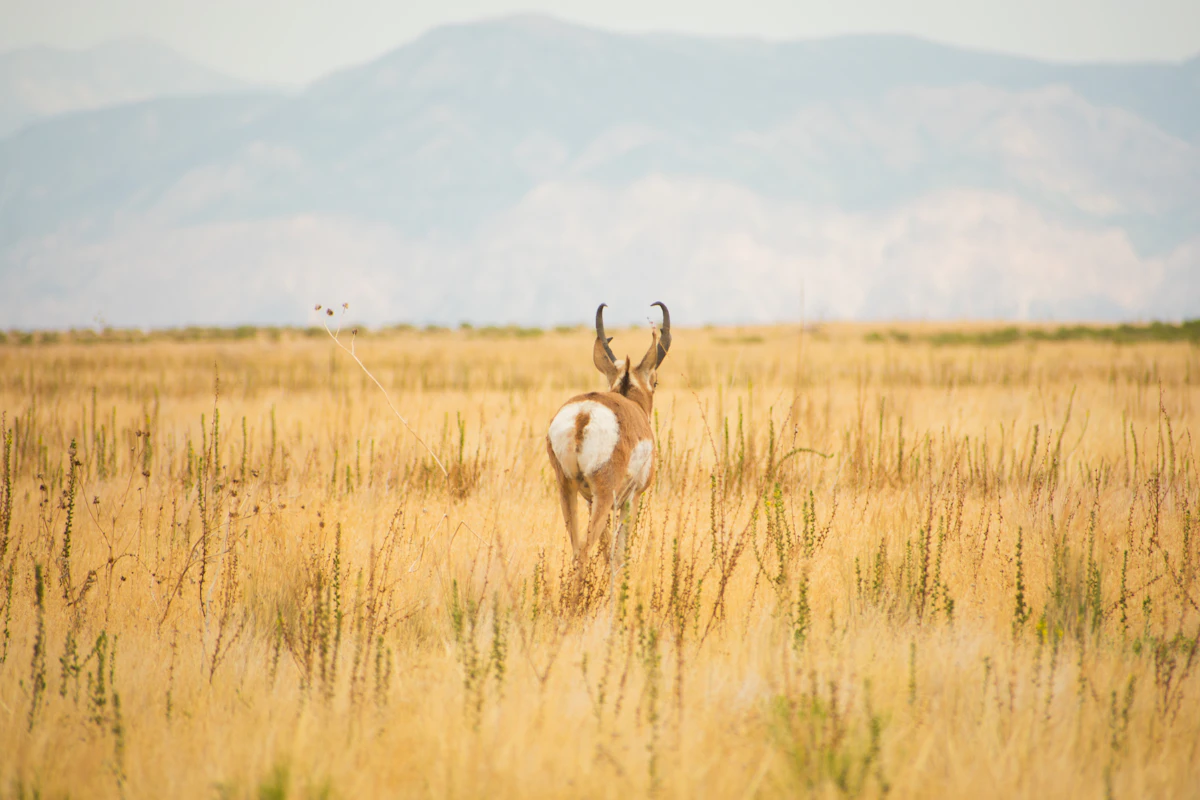
Utah's general-season buck deer draw operates on a preference point system where every unsuccessful applicant earns one point that carries forward, and many units remain accessible at zero points while the most sought-after zones require several years of building equity. In the 2026 draw, the state issued 86,625 general-season buck deer permits across 29 units, up from 80,200 in 2025, and nonresidents pulled permits in multiple units without any points while tougher hunts like Pine Valley and Panguitch Lake needed 6-8 points to clear the board.
How does Utah's general deer draw work?
Utah evaluates applications in a strict order: lifetime license holders draw first, then Dedicated Hunter participants (who receive up to 15% of each unit's quota), then youth hunters under 18 (who get 20% of permits reserved), and finally general applicants ranked by preference points starting with first-choice selections. Resident and nonresident applicant pools are evaluated separately, though leftover permits can cross over if one pool doesn't fill its share.
Drawing any general-season buck deer permit on your first through fifth choice resets your points to zero. Buying a remaining permit after the draw also forfeits your accumulated points. You must choose one general-season species when applying; nonresidents can stack one general-season application with limited-entry or once-in-a-lifetime hunts but cannot apply for CWMU permits in the main draw.
What are the costs and application timeline?
For 2026, a general buck deer permit cost $46 for residents and $599 for nonresidents. Youth permits (hunters 17 or younger on July 31) ran $40 resident and $499 nonresident. The application fee was $10 resident or $21 nonresident per species or point purchase, charged regardless of draw outcome, plus a 2.2% credit card transaction fee. You must hold a valid hunting or combination license before applying.
The 2026 application window opened March 19 at 8 a.m. MDT and closed April 23 at 11 p.m. MDT, with results published by roughly May 31. A second point-only purchase period ran June 9-23. Remaining general-season buck deer permits (if any) went on sale July 7, 2026; buying one of these leftovers forfeits your points. For 2027, the Utah Wildlife Board's schedule shows Regional Advisory Council meetings April 13-21, 2027 and a Board meeting April 29, 2027 to set permit numbers, but application dates and fees are not yet confirmed.
Which units drew at zero points in 2026?
Nonresidents drew at zero points in several units during the 2026 any-legal-weapon (rifle) draw. Box Elder (hunt DB1531) issued 148 nonresident permits from 150 applicants, with successful zero-point applicants drawing in that pool. Nebo (DB1534) ran 127 nonresident applicants for 126 permits, where zero-point hunters succeeded. Oquirrh/Tintic (DB1622) cleared zero-point nonresidents and issued 48 total permits from 52 applicants.
These accessible units contrast sharply with the toughest draws. Pine Valley (DB1547) needed 8+ points to guarantee a tag. Panguitch Lake (DB1546) cleared at 6+ points. Southwest Desert (DB1554) needed 8 points to guarantee drawing from applicants competing for limited permits.
What weapon and season options exist?
General-season buck deer in Utah runs across multiple weapon types with separate hunt codes. The 2026 seasons were archery August 15-September 11, extended archery (dates vary by area; some zones run through January 31 while others close December 15), muzzleloader and restricted muzzleloader September 23-October 1, early any-legal-weapon October 7-11 (available on select units), and any-legal-weapon (rifle) October 17-25.
Archery hunts were substantially easier to draw than rifle. The statewide extended-archery-only permit (DB0008) issued 35 nonresident permits from 36 applicants in 2026. Early any-legal-weapon hunts (October 7-11) exist on units like Box Elder, Chalk Creek, Fillmore, Fishlake, Panguitch Lake, and Pine Valley with separate hunt codes, though 2026 odds for these early rifle seasons were not extracted and should be verified against the official draw results.


Free to join
Download mobile app
- Detailed draw odds
- Point tracking
- Deadline reminders
- 19 states covered





Free to join
Download mobile app
- Detailed draw odds
- Point tracking
- Deadline reminders
- 19 states covered






Free to join
Download mobile app
- Detailed draw odds
- Point tracking
- Deadline reminders
- 19 states covered

How do resident and nonresident odds compare?
Resident odds often run tighter than nonresident, especially on high-demand units. Montana's combo system bundles general deer and elk into a combination license with a hard nonresident cap, creating a single-choice application where you either draw the combo or go without tags for both species. Utah separates general deer from elk and other species, allowing nonresidents to apply for general deer and stack a limited-entry or once-in-a-lifetime application in the same year.
For hunters comparing Idaho's controlled deer hunts, Utah offers clearer point-based predictability. Idaho uses a bonus point system where each point adds one entry to the random draw, meaning a 10-point Idaho hunter has better odds than a zero-point applicant but no guarantee of drawing. Utah's preference system guarantees higher point holders draw first, making it easier to plan multi-year strategies around specific units. Wyoming's general elk draw operates similarly to Utah's preference system, while Oklahoma's mule deer program offers limited controlled-hunt opportunities with different draw mechanics.
What should hunters know about point forfeiture?
Drawing any general-season buck deer permit on your first through fifth choice resets your preference points to zero, and you earn no point that year even if you don't fill the tag. Buying a remaining permit after the draw (sold starting July 7 in 2026) also forfeits all accumulated points. If you draw but cannot hunt, surrendering the permit at least 30 days before the season start preserves your points; surrendering fewer than 30 days out costs you all points.
Point-only applications let you build equity without committing to a hunt. In 2026, residents and nonresidents purchased points without selecting a unit, paying the application fee to stay in the preference queue. This strategy makes sense for hunters saving points for a future trophy unit or those uncertain about their fall schedule.
What 2027 changes should hunters watch for?
The 2027 permit numbers will be set by the Utah Wildlife Board at their April 29, 2027 meeting, following Regional Advisory Council input in mid-April. Whether total general deer permits increase from 2026's 86,625 is unknown and depends on herd surveys, winter survival, and harvest data compiled through early 2027. Application dates, season dates, fees, and unit boundaries are also unverified until the 2027 Big Game Application Guidebook publishes (likely February or March 2027).
Point levels will shift based on 2027 applicant behavior and permit allocations. If the Board cuts permits in high-demand units, point creep accelerates; if they increase quotas or hunter interest drops, previously tough units may become easier. Hunters relying on zero-point draws in units like Box Elder or Nebo should verify 2027 permit numbers before assuming the same accessibility.
Plan Your Utah General Deer 2027 Hunt With TAGZ
Research Utah's 29 general-season deer units and track your preference points across multiple western states in one platform. TAGZ consolidates draw odds, permit allocations, point balances, and application deadlines so you can compare units without switching between state agency sites. Filter by weapon type, season dates, and historical success rates to build a multi-state application strategy that matches your available points and hunting schedule. Stop guessing. Start planning with TAGZ.
Official Utah Hunting Sources
- Utah DWR Big Game Draw Odds Hub: https://wildlife.utah.gov/biggame/odds
- 2026 Big Game Application Guidebook: https://wildlife.utah.gov/guidebooks/biggameapp.pdf
- DWR Permits Explainer: https://wildlife.utah.gov/licenses/permits
- Rule R657-62 (Big Game Draw): https://wildlife.utah.gov/rules/r657-62
- 2026 Permit Numbers Announcement: https://wildlife.utah.gov/news/2026/05/01/utah-wildlife-board-approves-2026-big-game-hunting-permits
Last verified: October 22, 2026. Data above reflect the completed 2026 draw (applications March 19 to April 23, 2026; results published by May 31, 2026). Total statewide 2026 permits (86,625) are confirmed from official DWR news release. Per-unit nonresident odds and point-level breakdowns are derived from utahdraw.com's 2026 analysis of DWR draw results; hunters should verify unit-specific figures against official DWR draw-odds PDFs before applying. 2027 permit numbers, application dates, fees, season dates, and point thresholds are unverified until the Utah Wildlife Board meeting April 29, 2027 and publication of the 2027 guidebook. Verify all requirements and deadlines with the Division of Wildlife Resources.
Was this article helpful?
Previous
Arizona Elk Draw Odds and Tag Guide 2027
Arizona elk draw uses a bonus-point system with three passes and a 10% nonresident cap. February 2027 deadline applies for fall hunts, with early-season bull tags highly competitive and late-season hunts drawing faster with 7-13 points.
Related
Colorado Mule Deer Draw Odds With One Point 2027
Colorado's 2026 draw gave nonresident mule deer hunters with one point dozens of rifle, muzzleloader and archery codes with draw-out levels at one point or zero, including second-rifle units 48, 51 and 41 and plains rifle unit 16.
Next
Nevada Nonresident Elk Draw Odds 2027
Nevada's nonresident elk draw uses squared bonus points, with 2025 data showing top units requiring 10-25+ points while some tags went to 1-5 point holders. Learn how the system works, which hunts offer the best odds, and how to build points strategically.