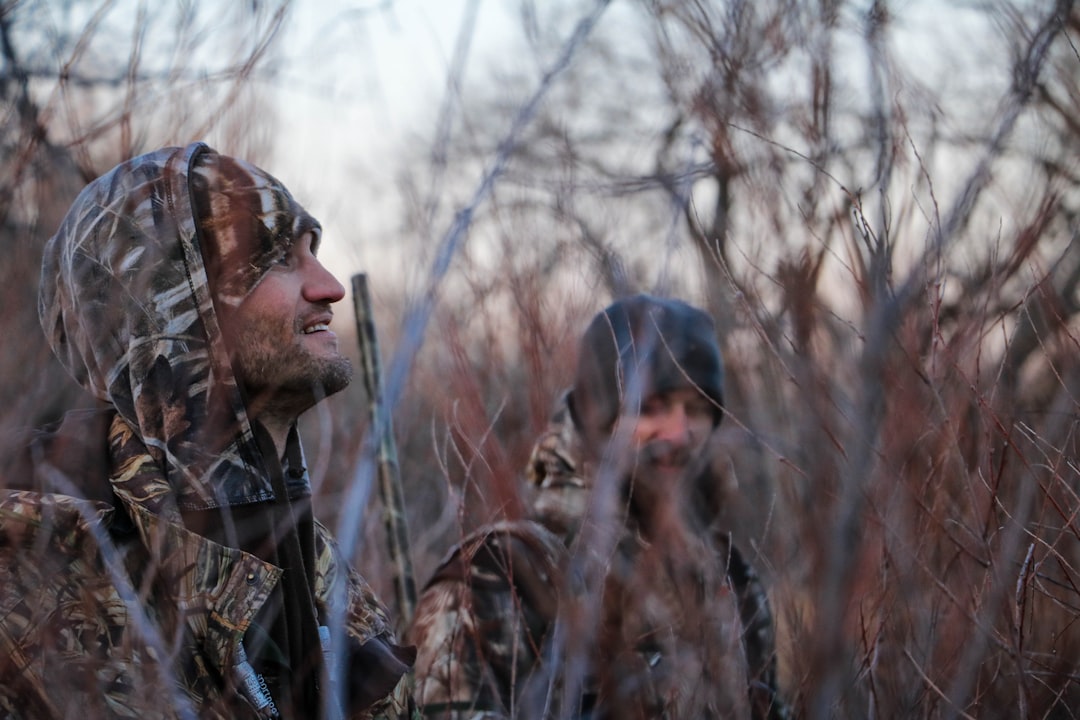
Oklahoma Mule Deer Draw Odds and Tag Guide 2027
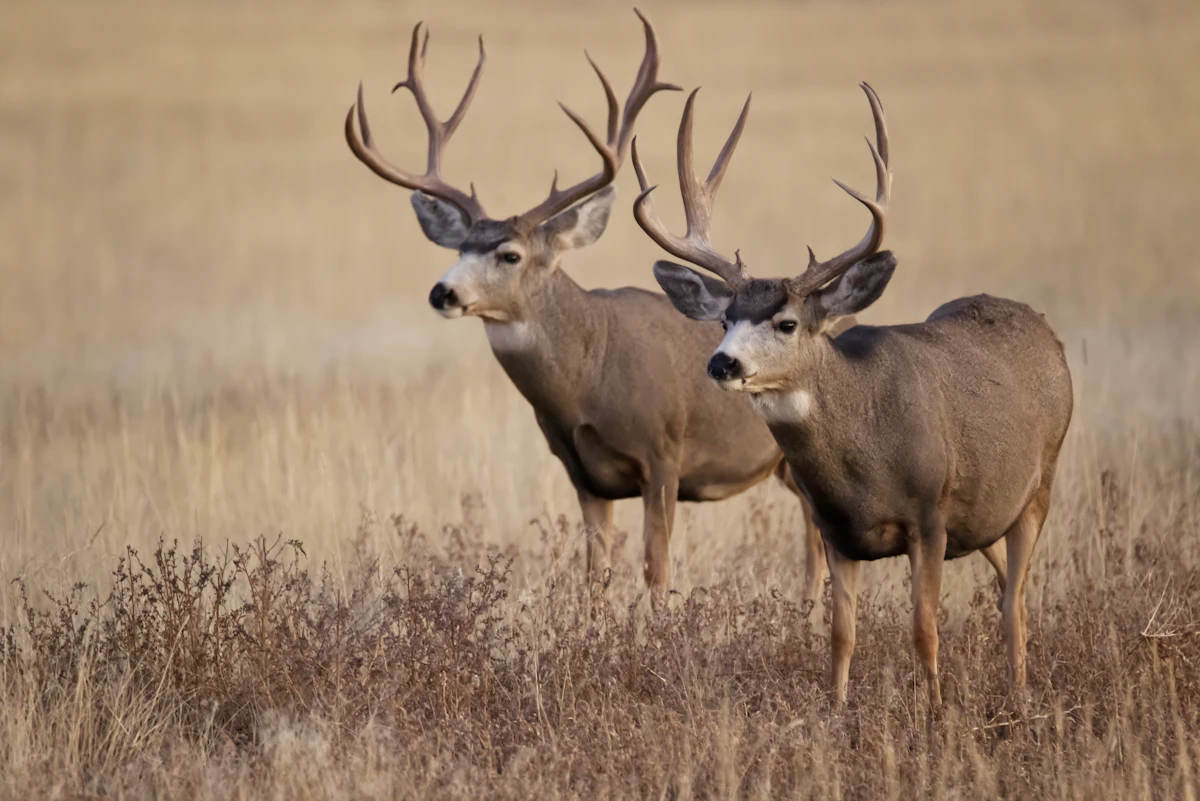
Oklahoma mule deer hunting centers on the state's western Panhandle, where Cimarron, Texas, and Beaver counties hold the only established populations. Unlike neighboring states with sprawling mule deer ranges, Oklahoma's opportunities are tightly controlled through a limited-entry draw system. For 2027, understanding these draw odds and application strategies will determine whether you fill a tag or wait another year.
Oklahoma Mule Deer Units and Habitat
Mule deer in Oklahoma occupy roughly 4,500 square miles across the three Panhandle counties. Cimarron County holds the highest concentration, particularly in the northwestern corner where the Black Mesa region provides rugged breaks, shortgrass prairie, and scattered juniper. Texas County offers agricultural edges mixed with CRP grasslands, while Beaver County sits on the eastern edge of viable mule deer range with lower densities.
Public land is limited. Black Mesa State Park and Nature Preserve covers 1,600 acres in Cimarron County, but the vast majority of huntable ground requires private access or landowner permission. This scarcity of walk-in opportunities keeps application numbers lower than Colorado or Wyoming, but it also means successful hunters often spend months securing access before the draw results even post.
2027 Draw Structure and Licensing
Oklahoma's mule deer draw operates through the Oklahoma Department of Wildlife Conservation's online licensing system. Applications open in mid-May and close in mid-June. Residents pay a $38 application fee plus the $75 mule deer license if drawn. Nonresidents pay $50 to apply and $425 for the license. There are no preference points or bonus points—every draw is random, so a first-time applicant has the same statistical shot as someone who has applied for a decade.
The state offers separate draws for rifle, muzzleloader, and archery seasons. Rifle tags are the most competitive. Muzzleloader odds improve slightly, and archery hunters face the best draw odds across all weapons. Youth hunters receive a small allocation of tags with marginally better odds, though competition remains significant even in the youth pool.
2027 Draw Odds by Weapon Type
Rifle mule deer tags in Oklahoma typically draw in the 5–8% range for residents and 2–4% for nonresidents. The 2026 rifle draw saw approximately 1,200 resident applicants competing for 75 tags, yielding a 6.3% draw rate. Nonresidents faced 320 applicants for 10 tags, a 3.1% success rate. These numbers fluctuate slightly year to year based on harvest quotas and herd monitoring, but Oklahoma's rifle mule deer hunt remains one of the tougher draws in the region.
Muzzleloader odds improve to 12–18% for residents and 5–9% for nonresidents. The 2026 muzzleloader draw issued 50 resident tags from 410 applications (12.2%) and 8 nonresident tags from 110 applications (7.3%). Season timing overlaps with early November rut activity, making this weapon choice attractive for hunters who can handle the access challenge.
Archery hunters see the best odds: 25–35% for residents, 15–22% for nonresidents. The 2026 archery draw distributed 60 resident tags from 220 applications (27.3%) and 12 nonresident tags from 65 applications (18.5%). The archery season runs from early October through mid-November, covering pre-rut and rut phases. Public land is still scarce, but the longer season window provides more flexibility for scouting and multiple sit locations.
Application Strategy for 2027
Oklahoma's random draw means there is no point-building strategy. Apply every year if you want to hunt mule deer in the state. Residents hunting their home state should consider archery first to maximize odds, then decide if they want to gamble on rifle for a shorter, potentially more productive weapon season. Nonresidents face a tougher cost-benefit calculation—$425 for a 3% rifle draw is a steep investment without point accumulation, but the lack of a point system means you could draw on your first try.
Because Oklahoma does not restrict you from applying in other states during the same year, many hunters treat the Oklahoma mule deer draw as a supplemental application. If you are already applying in Colorado, Wyoming, or Montana, adding Oklahoma costs relatively little and opens a potential hunt window in a less crowded state. Just understand that drawing means securing private land access on short notice, as public ground will not carry you through a full hunt.
TAGZ helps you compare Oklahoma mule deer draw odds alongside other western states using historical draw data and multi-state deadline tracking. Track your applications across multiple states so you never miss a draw deadline. Whether you are chasing OTC tags in Colorado or planning a limited-entry hunt in New Mexico, TAGZ gives you the tools to make smarter decisions before you ever step into the field.
Season Dates and Regulations
The 2027 rifle season is expected to run from mid-November to late November, a 10-day window that typically coincides with peak rut. Muzzleloader season will likely open in early November for 9 days, overlapping the rut's initial phase. Archery season should span early October through mid-November, giving bowhunters 6 weeks to work.
Bag limits are one buck per license. Any legal buck is fair game—Oklahoma does not enforce point restrictions or antler minimums for mule deer. However, the state strongly encourages selective harvest to maintain age structure and trophy potential. Most mature bucks in the Panhandle score in the 140–160 inch range, with occasional 170+ deer coming off private ranches with quality management programs.
Public Land vs. Private Access
Public land for mule deer in Oklahoma is functionally nonexistent beyond Black Mesa State Park. The park's 1,600 acres see heavy hunting pressure during rifle season, and success rates hover around 10–15%. Most hunters who draw tags spend the spring and summer calling landowners, knocking on doors, or working through outfitters and land-access services.
Private land lease prices in Cimarron County range from $1,000 to $3,000 for a mule deer hunt, depending on property size, management quality, and exclusivity. Some ranchers offer day access for $200–500. Texas and Beaver counties tend to run slightly cheaper, but access is even harder to secure because landowners prioritize whitetail hunters over mule deer.
If you draw and do not have access lined up, start immediately. Contact the Oklahoma Department of Wildlife Conservation for their landowner contact list, join local Facebook hunting groups, and consider hiring a booking agent who specializes in Panhandle access. Waiting until September or October will leave you scrambling.
Success Rates and Trophy Potential
Oklahoma mule deer success rates vary by weapon. Rifle hunters harvest roughly 60–70% of drawn tags. Muzzleloader hunters sit around 50–60%, and archery hunters see 30–40% success. These numbers reflect both the difficulty of securing quality hunting ground and the skill required to locate mature bucks in a landscape where deer densities remain lower than Colorado or Wyoming.
Trophy potential is solid but not exceptional. Most harvested bucks score between 130–150 inches, with 160+ deer making up roughly 10–15% of the total take. A 170-inch buck is a legitimate trophy in Oklahoma, and anything pushing 180 inches is a once-in-a-decade animal. The Panhandle does not produce the 190+ giants you might find in parts of Montana or Utah, but for hunters targeting a respectable mule deer without burning years of preference points, Oklahoma offers a realistic path.
Comparing Oklahoma to Neighboring States
Oklahoma's draw odds are worse than New Mexico's general mule deer hunts but better than premium Colorado units. New Mexico offers easier-to-draw rifle tags in some units, but Oklahoma's lower hunter density can mean less pressure on the limited ground you do access. Colorado's OTC archery tags provide instant access, but you will share the mountains with hundreds of other hunters. Oklahoma trades convenience for exclusivity—if you draw and secure private land, you may hunt alone for a week.
For nonresidents, Oklahoma's $425 license is cheaper than Wyoming's $576 or Montana's $637, but the lack of preference points means you cannot bank progress toward future hunts. If you are willing to gamble on a random draw and can handle the access challenge, Oklahoma fits as a secondary application state. If you want guaranteed hunting or point accumulation, focus on Colorado, Wyoming, or Idaho instead.
How to Improve Your Odds
You cannot improve your statistical draw odds in Oklahoma—every application is random. However, you can improve your chances of a successful hunt by planning ahead. Secure land access before you apply. If you know a landowner or have connections in the Panhandle, line up permission contingent on drawing. This lets you hit the ground running if your name gets pulled.
Consider archery. The 25–35% resident draw odds mean you have a realistic shot at a tag within 3–4 years, and the longer season gives you more time to scout and adjust. If you are a confident bowhunter, archery may offer a better return on your application investment than gambling on rifle at 6% odds.
Apply every year. Random draws mean you could pull a tag on your first attempt or go a decade without success. Consistent applications maximize your cumulative odds over time. Pair Oklahoma with other states in your annual application strategy—TAGZ tracks multi-state deadlines and preference points so you never miss a draw window.
2027 Application Timeline
Applications open in mid-May 2027. The exact date will be announced by the Oklahoma Department of Wildlife Conservation in late April. Applications close in mid-June, typically around June 15. Draw results post in early July, giving successful applicants 3–4 months to finalize land access and plan logistics before the October archery opener.
Resident and nonresident applications follow the same timeline. There is no separate draw for youth hunters—youth tags are allocated within the same draw pools but with slightly higher quotas to improve odds. If you miss the June deadline, you are locked out until 2028.
FAQ — Oklahoma Mule Deer Draw
Does Oklahoma use preference points for mule deer? No. Oklahoma's mule deer draw is entirely random. A first-time applicant has the same odds as someone who has applied for 20 years.
Can nonresidents apply for Oklahoma mule deer tags? Yes. Nonresidents can apply for rifle, muzzleloader, and archery mule deer tags. The application fee is $50, and the license costs $425 if drawn.
What are the best units for mule deer in Oklahoma? Cimarron County in the western Panhandle holds the highest mule deer densities, particularly near Black Mesa. Texas and Beaver counties have lower populations but less competition.
Is there public land for mule deer hunting in Oklahoma? Very little. Black Mesa State Park offers 1,600 acres, but most successful hunts occur on private land. Securing landowner permission is essential.
How long is the mule deer rifle season in Oklahoma? The rifle season typically runs 10 days in mid-to-late November, coinciding with the peak rut. Exact dates are announced in the spring.
Should I apply for rifle or archery if I want better draw odds? Archery offers the best odds (25–35% for residents, 15–22% for nonresidents). Rifle odds sit around 5–8% for residents and 2–4% for nonresidents.
Continue Planning Your Hunt
Oklahoma's mule deer draw may not offer the trophy potential of Arizona or the public land access of Colorado, but it provides a legitimate opportunity to hunt quality bucks without burning years of preference points. Whether you are a resident looking to hunt close to home or a nonresident adding a supplemental application to your annual strategy, understanding draw odds and access realities will separate successful hunts from wasted tags.
For more western big-game draw strategy and unit breakdowns, explore the full library of hunting insights at TAGZ Insights. Compare draw odds across multiple states, track application deadlines, and research unit terrain using TAGZ's hunt planning tools. Ready to simplify your application strategy? Check out TAGZ pricing and start planning your next hunt today at getmytagz.com.
Was this article helpful?
Previous
Trump's 2026 Wolf Executive Order: What It Means for Wolf Hunting, Ranchers, and Western Wildlife Management
President Trump's January 2025 executive order could reshape gray wolf management across the West by accelerating delisting timelines and expanding state control. Here's what hunters, ranchers, and wildlife advocates need to know about the potential impacts on wolf populations, hunting seasons, and predator management strategies in key Western states.
Next
Best Puffy Jackets for Hunting — Warmth Without the Bulk
The right puffy jacket keeps you warm during long sits and glassing sessions without weighing you down on the hike in. We break down the best insulated jackets for Western hunters, from budget-friendly synthetic fills to ultralight down options built for backcountry hunts.