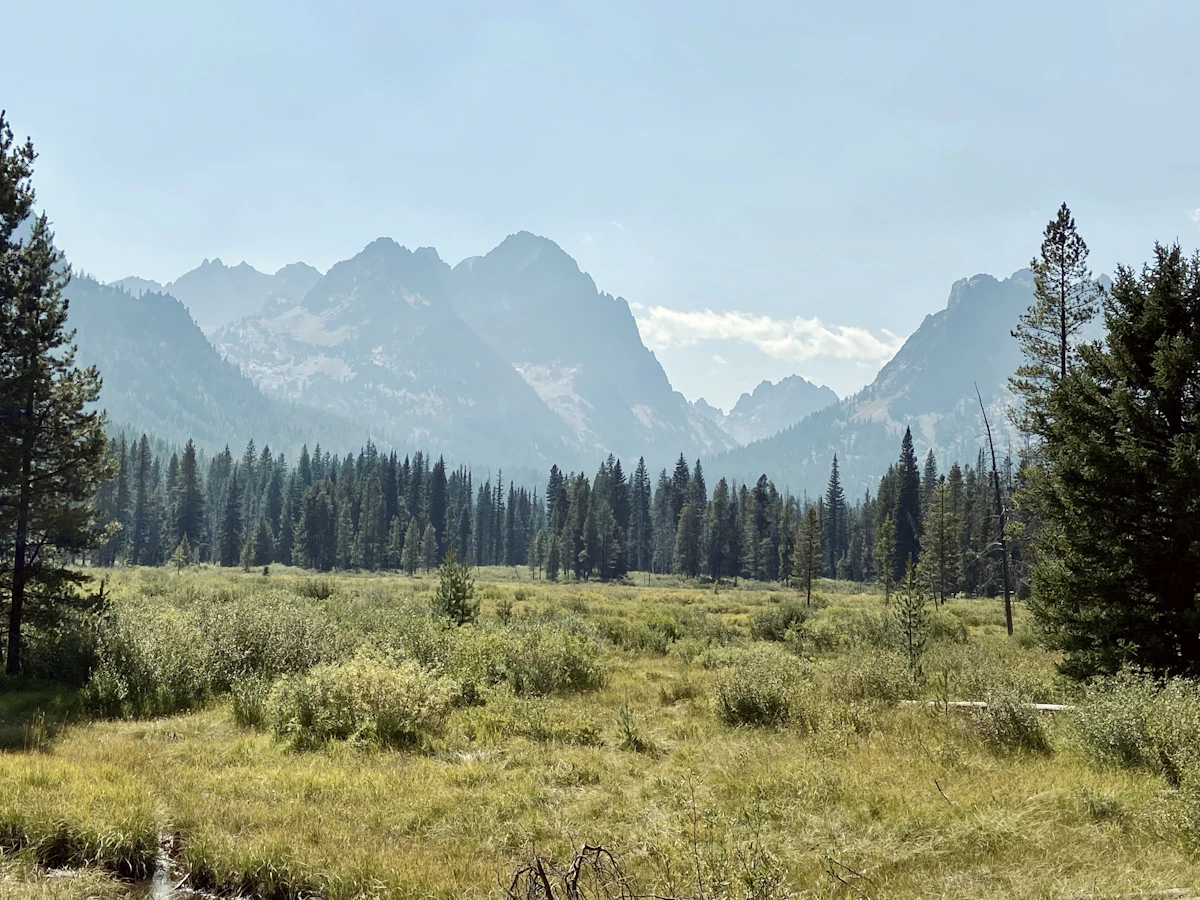
Idaho Controlled Mule Deer Draw Odds 2027: Unit-by-Unit Analysis
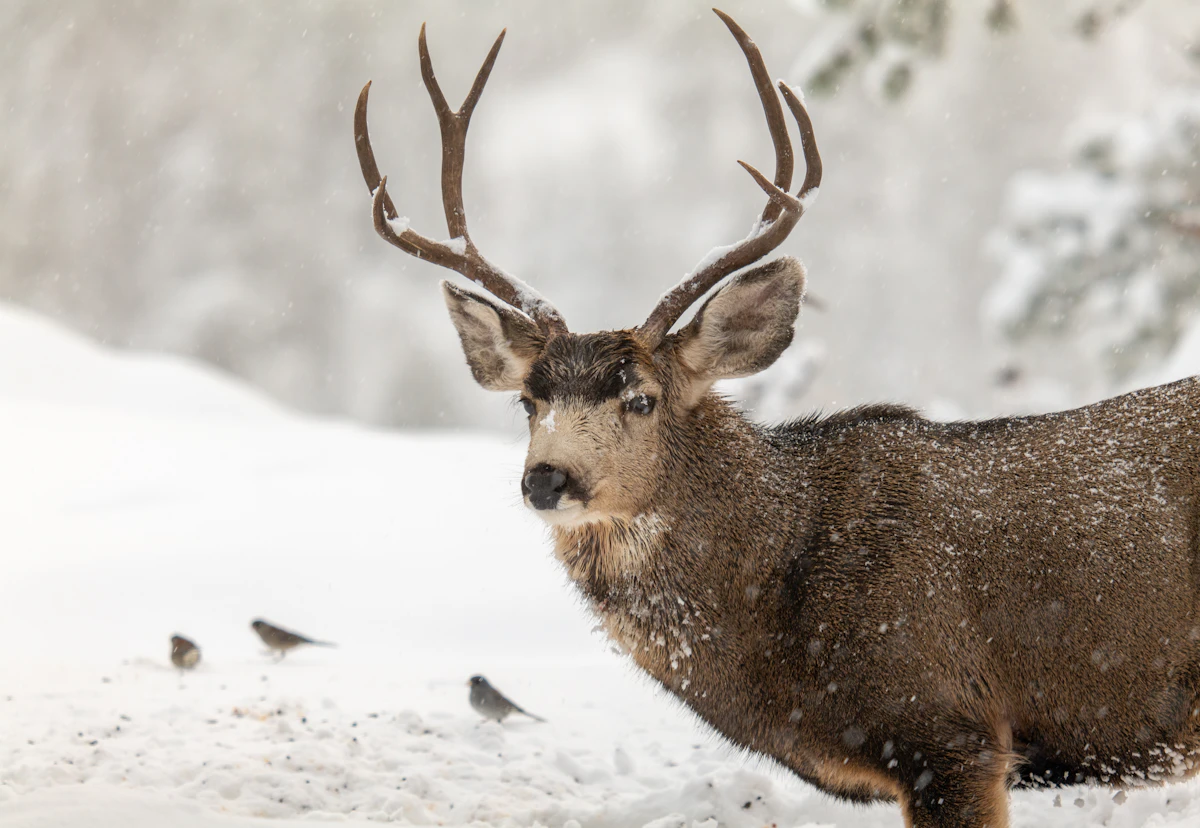
Idaho's controlled hunt system separates casual hunters from serious tag chasers. While general-season mule deer tags remain over-the-counter across most of the state, controlled hunts unlock premium units with better buck-to-doe ratios, limited pressure, and genuine trophy potential. The 2027 drawing saw familiar patterns hold: rifle tags in top-tier units remain competitive, archery hunts offer better odds for similar country, and muzzleloader tags split the difference. Understanding where you fit in Idaho's preference point ladder determines whether you hunt this fall or keep building.
How Idaho's Controlled Hunt System Works
Idaho uses a bonus point system for controlled hunts, not preference points. Each point you hold becomes an additional entry in the draw. A hunter with three bonus points gets four chances to draw (their application plus three bonus entries). This structure favors veterans but still allows first-time applicants to draw quality tags—you are never mathematically eliminated.
Controlled mule deer hunts appear in the application as specific unit and season combinations. Units 66, 69, 73, and 77 consistently draw the most attention for mature bucks. Southern desert units like 54 and 60 produce heavy-horned deer but face habitat challenges during drought years. Northern transition zones in units 10 and 10A offer timber-edge hunting with less applicant pressure.
Bonus points accumulate when you apply but do not draw, or when you purchase a point without applying ($5.75 for residents, $16.75 for nonresidents). Points persist across years and species. Hunt codes differentiate weapon types: archery, muzzleloader, and rifle hunts occur in the same units but draw separately. Most serious applicants build points strategically, applying for archery tags in prime units while banking rifle points for later.
2027 Draw Results: What Actually Happened
Unit 66 rifle hunts required six to eight bonus points for nonresidents to draw with any consistency. Residents saw slightly better odds—four to six points positioned you well for most rifle seasons. Archery tags in the same unit drew with zero to two points for residents, two to four for nonresidents. The gap between weapon types represents real opportunity for bowhunters willing to accept shorter effective range and more physical hunting.
Unit 77 showed similar stratification. The late rifle hunt demanded the highest point totals—seven-plus for nonresidents, five-plus for residents. Early archery seasons drew with one to three points. Muzzleloader hunts split the middle at three to five points depending on residency. Southern desert units like 54 saw lower point creep but also lower application numbers, a function of access challenges and summer heat reducing deer visibility during early archery seasons.
First-time applicants (zero points) drew tags in several controlled hunts. Units 32A, 39, 43, and 49 rifle hunts issued tags to zero-point applicants in 2027, though not in high percentages. Archery hunters drew across more units at zero points, including portions of Units 10, 19, 28, 32, 36, 44, and 66A. The system rewards persistence but does not require it—you can hunt controlled units your first year if you choose strategically.
Weapon Choice and Draw Strategy
Archery tags consistently draw at half the point requirement of rifle tags in the same unit. Unit 69 rifle hunts required five to seven points for consistent draws in 2027. Archery hunts in 69 drew with one to three points. The trade-off involves effective range, success rates, and season timing. September archery seasons catch bucks transitioning from summer range to fall patterns. Velvet bucks are visible, but they have not yet concentrated around water or doe groups the way October and November rifle hunters find them.
Muzzleloader seasons occupy a middle ground. Modern inline muzzleloaders extend effective range to 200-plus yards with accurate projectile selection and practice. Idaho defines legal muzzleloaders broadly—scopes are allowed, multiple projectiles can be carried, and 209 primers are legal. This makes muzzleloader hunts functionally similar to rifle hunts for hunters willing to manage powder and ignition systems. Draw odds reflect this: muzzleloader tags require fewer points than rifle but more than archery in most units.
Weapon choice also affects hunt timing. Archery seasons open in late August across most units, overlapping the tail end of velvet and early rut activity. Rifle seasons vary by unit—some open in early October, others run through November. Late-season rifle hunts coincide with rut behavior and migration patterns, concentrating bucks in predictable terrain. Early-season hunts require more e-scouting and physical exploration to locate summer bachelor groups before they disperse.
Unit-Specific Breakdown: Where to Apply
Unit 66 remains Idaho's flagship mule deer destination. High desert plateaus, rimrock country, and consistent mature buck sightings justify the point investment. The unit sprawls across Owyhee County with vast public land access. Successful hunters here plan multi-day backcountry trips, glassing ridge systems at dawn and dusk. Water sources concentrate deer during dry years. Rifle hunters with six-plus points should apply; archery hunters can draw sooner and still access the same country.
Unit 77 offers similar quality in a more condensed footprint. The unit sits in the Boise foothills and Owyhee front, blending sagebrush flats with timbered north slopes. Public land access is excellent via BLM holdings and state sections. Archery hunters succeed by working thermal-driven movement patterns—bucks bed high and feed low, reversing flow based on wind and temperature. Rifle hunters glass big country, covering miles to locate shooter bucks before closing distance. Three to five points position you well for rifle draws; archery tags come easier.
Unit 54 produces heavy, wide-framed bucks when conditions align. The unit occupies Idaho's southwest corner, running into Nevada. Desert habitat means water dictates deer distribution. Wet springs produce explosive forage growth and healthy fawns; drought years push deer onto private irrigated ground. Draw odds remain lower than northern units, but success rates fluctuate. Nonresidents with two to four points draw rifle tags most years. Archery hunters draw with one to two points. Late-season hunts capitalize on migration out of high country, funneling bucks through predictable corridors.
Units 32A, 39, and 49 occupy Idaho's Panhandle and Clearwater regions. These units blend mule deer and whitetail habitat, with mule deer occupying timbered ridges and clearcuts. Controlled hunts here draw fewer applicants than southern desert units, creating opportunity for point-light hunters. Zero-point draws happen occasionally in rifle seasons; archery tags go to nearly all applicants. Success depends on covering ground—densely timbered country hides deer until you put boots on ridgelines and glass openings. Mule deer here are smaller-bodied than southern Idaho bucks but still produce respectable antlers.
Unit 69 sits in the South Hills and Albion Range, offering a mix of high-elevation sagebrush parks and aspen groves. The unit draws consistent pressure but produces mature bucks for patient hunters. Archery hunters targeting velvet bucks scout high basins where bachelor groups summer. Rifle hunters time hunts to early rut activity in October, when bucks start shadowing doe groups. Five to seven points position residents for rifle draws; archery tags come with two to three points. TAGZ helps you compare terrain maps and unit boundaries between 66, 69, and 77 side by side, overlaying historical draw odds so you can decide where your points go farthest.
Preference Point Strategy: Build or Burn
Idaho's bonus point system rewards long-term planning but does not lock you into multi-year waits. The decision to build or burn points depends on where you sit relative to recent draw odds and how many other applicants are banking points ahead of you. A hunter with four bonus points applying for Unit 66 rifle sits near the threshold—statistically likely to draw but not guaranteed. A hunter with one point faces longer odds. The question becomes whether you burn your point application on a lower-tier tag you will definitely draw or save it for the premium hunt.
Point creep complicates this decision. Popular units see average point totals rise each year as more applicants accumulate points. Unit 77 rifle hunts required five points for consistent draws a decade ago; now seven points barely cracks 50 percent odds for nonresidents. This creep affects all western states but hits bonus point systems hardest—there is no cap, so point totals can theoretically climb forever. Idaho Fish and Game does not publish applicant point distributions, making it harder to predict future draw odds without historical modeling.
Building points without applying costs minimal money but foregoes a year of hunting. Buying a point each spring for five years positions you well for premium rifle tags, but you sacrifice five seasons of controlled hunts. Applying for an archery tag in a top unit every year gives you annual draw chances while still banking points when you do not draw. Most hunters split the difference: apply for archery or muzzleloader tags in quality units, building rifle points passively until you hit the threshold for premier rifle hunts.
Another consideration: Idaho allows you to apply for multiple species in the same year. You can build elk points, hunt controlled antelope, and apply for mule deer simultaneously. Spreading applications across species diversifies your tag portfolio, ensuring you hunt something each year rather than waiting for a single dream tag. TAGZ tracks your bonus points across states and species so you never lose track of where you stand. You can filter hunts by weapon, season, and current point total to see exactly which tags you are positioned to draw this year versus next.
Nonresident vs. Resident Draw Odds
Idaho allocates controlled hunt tags without a statutory nonresident cap for most deer units. This contrasts with Montana and Wyoming, where 10 to 25 percent of limited-entry tags go to nonresidents by law. Idaho determines allocations by demand—if nonresidents apply in high numbers, they compete directly against each other within the bonus point system. Resident draws remain separate. This structure benefits residents significantly, particularly in high-demand units where nonresident point creep outpaces resident accumulation.
Nonresidents applying for Unit 66 rifle hunts needed six to eight points in 2027 for better than 50 percent draw odds. Residents drew the same tags with four to six points on average. The gap widens in lower-demand units where resident odds approach 100 percent at two or three points while nonresidents still face meaningful competition. Nonresident archery hunters see less disparity—first-draw odds in many units sit within one point of residents, making archery a strong nonresident strategy.
Nonresident license fees add up. A nonresident deer tag costs $418.75 before adding controlled hunt application fees and bonus point purchases. Residents pay $32.75 for a deer tag. Nonresidents applying across multiple years accumulate point costs and application fees even when they do not draw. Over five years, a nonresident might spend $100-plus in point fees and applications before finally drawing a tag, then paying the full license cost. This financial reality pushes many nonresident hunters toward OTC general tags in other states, reserving Idaho applications for serious trophy pursuits where the cost justifies the quality.
Residents benefit from both lower costs and better draw odds, but they still face point creep. A resident hunter with zero points in 2027 drew tags in several controlled hunts, but not in Units 66, 69, 73, or 77. Building three to five resident points opens the majority of Idaho's controlled deer hunts. Residents applying annually with low odds still hunt—they can purchase OTC general-season tags and hunt most of Idaho's public land while building points for controlled hunts later.
Application Deadlines and Process
Idaho's controlled hunt application period opens in early January and closes the first week of June. The deadline falls around June 5 each year, though exact dates shift slightly. Applications submit online through Idaho Fish and Game's licensing portal. You must purchase a hunting or combination license before applying for controlled hunts, which means committing to the license fee even if you do not draw. Bonus points can be purchased without a license up until the application deadline.
The draw occurs in mid-June, with results posted online by late June or early July. Successful applicants receive tags by mail or can print them from the online portal. Unsuccessful applicants automatically receive a bonus point for the species they applied for, provided they had a valid license. If you applied without a license (buying only a bonus point), you still gain the point but were not entered in the draw.
Idaho allows you to apply for up to three different controlled hunts in a single application, listing them as first, second, and third choices. The system evaluates your first choice in the draw. If you do not draw, it evaluates your second choice. If you draw your second or third choice, you still consume your bonus points—they are not refunded. This structure means most hunters list their dream hunt first, a backup hunt second, and a near-guaranteed draw third to ensure they get something. TAGZ tracks draw deadlines across all western states so you never miss an application window. Set reminders for Idaho's early June deadline and compare your odds against Montana, Wyoming, and Nevada draws happening the same spring.
Public Land Access and Unit Research
Idaho's controlled mule deer units contain vast public land acreage managed by BLM, Forest Service, and Idaho Department of Lands. Unit 66 alone exceeds one million acres, most of it public. Access challenges arise not from land ownership but from terrain and road systems. Backcountry units require high-clearance 4WD to reach trailheads, then miles of hiking to reach huntable basins. Roadless areas and wilderness study areas prohibit motorized access entirely, filtering out casual hunters.
BLM land in southern Idaho offers the most accessible public ground. Dirt two-tracks spider across the desert, connecting sagebrush basins and canyon systems. Hunters glass from ridges, spot bucks, and plan stalks across open country. Water sources are marked on USGS maps but dry up by late September in drought years—scouting trips confirm current conditions. Northern units like 10 and 32A rely on Forest Service land, where gated logging roads and overgrown decommissioned routes limit vehicle penetration. Foot access is unlimited, but covering ground requires fitness.
State land parcels complicate access in checkerboard ownership areas. Idaho Department of Lands sections appear on onX and similar mapping apps, but they require annual access permits purchased separately from hunting licenses. These permits cost $28.50 for residents, more for nonresidents. Some state sections are landlocked by private ground, making them legally accessible only by crossing other public land or with landowner permission. TAGZ overlays unit boundaries and terrain maps so you can identify high-probability glassing points, public land basins, and roadless areas before you ever leave home. Filter by elevation, aspect, and vegetation type to narrow your search grids.
Private land access in controlled units varies by unit and landowner attitude. Outfitters lease large private ranches in Units 66 and 77, locking up prime ground. Some landowners grant walk-in access by reservation through Idaho's Access Yes program, which compensates landowners for allowing public hunting. Other private parcels remain closed unless you secure permission directly. Knocking on doors works in some areas—ranchers appreciate polite hunters who close gates and respect infrastructure. Success depends on timing and approach.
Success Rates and Realistic Expectations
Idaho does not publish success rates by unit, but historical hunter reports and harvest data suggest controlled mule deer hunts produce 20 to 40 percent success depending on unit, weapon, and hunter experience. Archery success sits lower—10 to 25 percent in most units—due to effective range limits and early-season deer distribution. Rifle hunters encounter rut-phase bucks and benefit from longer shots, boosting success. Muzzleloader hunters split the difference.
Success in controlled hunts hinges on preparation. Hunters who scout during summer locate bachelor groups and mark water sources. Hunters who study topography identify bedding ridges and thermal-driven movement corridors before season opens. Physical fitness determines how far you penetrate backcountry units, which directly correlates with buck quality. The easiest-access basins see pressure from other tag holders. Bucks pushed into roadless pockets survive because fewer hunters reach them.
Expect to work for mature bucks. A respectable Idaho mule deer scores 160 to 170 inches, with heavy mass and decent width. Bucks pushing 180-plus exist but require luck and dedication to locate. Desert units like 54 and 60 produce wide, heavy-horned deer with shorter tines due to genetics and forage quality. Northern units grow taller-tined bucks with less mass. Most successful hunters take bucks in the 150 to 170 range and consider the hunt a success. Setting realistic expectations prevents disappointment—controlled tags do not guarantee trophies, they guarantee better odds in better country.
Migration Patterns and Season Timing
Idaho's mule deer migrate seasonally between high-elevation summer range and low-elevation winter range, with transition zones in between. Migration timing depends on weather, elevation, and unit-specific geography. Early archery seasons target bucks on summer range—high basins, alpine ridges, and timbered north slopes where forage stays green and water is available. Bucks move in bachelor groups of two to eight animals, feeding mornings and evenings, bedding mid-day on shaded ridges.
By mid-September, bucks start transitioning off summer range. Cooler temperatures and declining forage quality push them lower. Transition zones—mid-elevation sagebrush parks, aspen groves, and pinyon-juniper foothills—hold deer from late September through October. This is prime rifle season timing. Bucks still feed in open country but begin shadowing doe groups as pre-rut hormones rise. Glassing becomes more productive because deer concentrate in smaller geographic areas.
Late-season hunts from November onward target migration corridors and winter range. Bucks follow does toward low-elevation valleys and desert foothills where south-facing slopes remain snow-free and browse is accessible. Migration routes funnel deer through predictable saddles, ridgelines, and creek drainages. Hunters who identify these corridors through e-scouting or local knowledge intercept bucks moving between ranges. Success depends on weather—early snowstorms accelerate migration, while warm Indian summers delay it. Late hunts are high-risk, high-reward: if migration has not started, deer remain scattered across mid-elevation transitional terrain that is harder to glass effectively.
How TAGZ Helps You Draw Idaho Mule Deer Tags
TAGZ simplifies Idaho's controlled hunt planning by tracking your bonus points and comparing draw odds across units, weapons, and years. The platform shows exactly where you stand relative to recent draw results, helping you decide whether to apply for a dream tag or burn points on a backup hunt you will definitely draw. You can filter hunts by species, weapon type, season dates, and unit quality, then overlay terrain maps to visualize public land boundaries, elevation zones, and access points.
Multi-state hunters benefit most. If you are applying for mule deer tags in Idaho, Montana, Nevada, and Wyoming the same year, TAGZ consolidates deadlines and odds projections in one dashboard. You will never miss a June 5 Idaho deadline because it is buried under Wyoming's late-January draw and Montana's April window. Set reminders for each state, track your points, and compare which tags offer the best return on your point investment. If Idaho Unit 66 requires seven points and Wyoming Region G requires eight, but G draws better odds at the same point level, you can make an informed decision before applications open.
TAGZ also helps you build long-term strategy. The platform models point creep trends based on historical data, projecting future draw odds if creep continues at current rates. This allows you to estimate when you will hit threshold point totals for premium tags, and whether waiting five years makes sense or if a mid-tier tag delivers better value now. Hunt filtering by terrain type, elevation, and vegetation cover helps you identify units that match your hunting style—glassing open basins versus still-hunting timber edges.
Internal Links: More Hunt Planning Resources
Idaho offers incredible mule deer hunting beyond controlled draws. Over-the-counter general-season tags let you hunt most of the state with minimal planning. Learn more in our Idaho General Season Mule Deer Guide. If you are debating between Idaho and neighboring states, compare strategies in our Wyoming Region G vs. Idaho Unit 66 Breakdown. First-time western hunters should start with How to Plan Your First Western Mule Deer Hunt, which covers application basics, gear, and unit research strategies.
FAQ — Idaho Controlled Mule Deer Draw Odds
Can a first-time applicant draw an Idaho controlled mule deer tag? Yes. Zero-point applicants drew tags in Units 32A, 39, 43, and 49 during the 2027 rifle draw, and archery tags in several additional units. Odds are low for premium units but not impossible.
How many bonus points do I need for Unit 66? Nonresidents need six to eight bonus points for consistent rifle draws; residents need four to six. Archery tags in Unit 66 draw with zero to two points for residents and two to four for nonresidents.
Do Idaho bonus points expire if I skip a year? No. Bonus points persist indefinitely across years. You can skip applying and your points remain in your account for future draws.
What is the difference between Idaho bonus points and preference points? Bonus points give you additional entries in the random draw—three points means four total chances. Preference points (used in other states) place you ahead of applicants with fewer points in a strict order. Idaho's system still allows luck to factor in.
Should I apply for archery or rifle if I have three bonus points? Three points position you well for archery draws in Units 66, 69, and 77. You can draw rifle tags in mid-tier units like 32A or 49, but premium rifle hunts require more points. Archery gives you immediate access to top units.
How does Idaho allocate controlled tags between residents and nonresidents? Idaho does not use a statutory nonresident cap for most deer units. Residents and nonresidents draw separately, but demand determines allocation. High nonresident demand does not reduce resident tags—it only increases competition within the nonresident pool.
When is Idaho's controlled hunt application deadline? Applications close the first week of June, typically around June 5. The exact date shifts slightly each year, so verify on Idaho Fish and Game's website or set a reminder through TAGZ.
Can I apply for multiple controlled hunts in one year? Yes. Idaho allows you to list up to three hunt choices per application, ranked by preference. If you draw your second or third choice, you still use your bonus points—they are not refunded.
Was this article helpful?
Previous
Idaho Controlled Elk Draw Odds 2027: Hunt Units, Success Rates & Application Strategy
Idaho's 2027 controlled elk hunt draw offers trophy opportunities across premier units like the Frank Church Wilderness and Island Park. Understanding draw odds, preference points, and unit-specific strategies helps nonresidents and residents maximize their chances at Idaho's best elk tags.
Next
Idaho Controlled Hunt Draw Guide 2027: Application Strategy & Success Tips
Idaho's 2027 controlled hunt draw opens in early January with over 12,000 permits across elk, deer, pronghorn, and moose. Learn how to maximize your odds through smart unit selection, bonus point strategy, and multi-species applications.