Questions to Ask Before Booking a Desert Bighorn Sheep Hunt
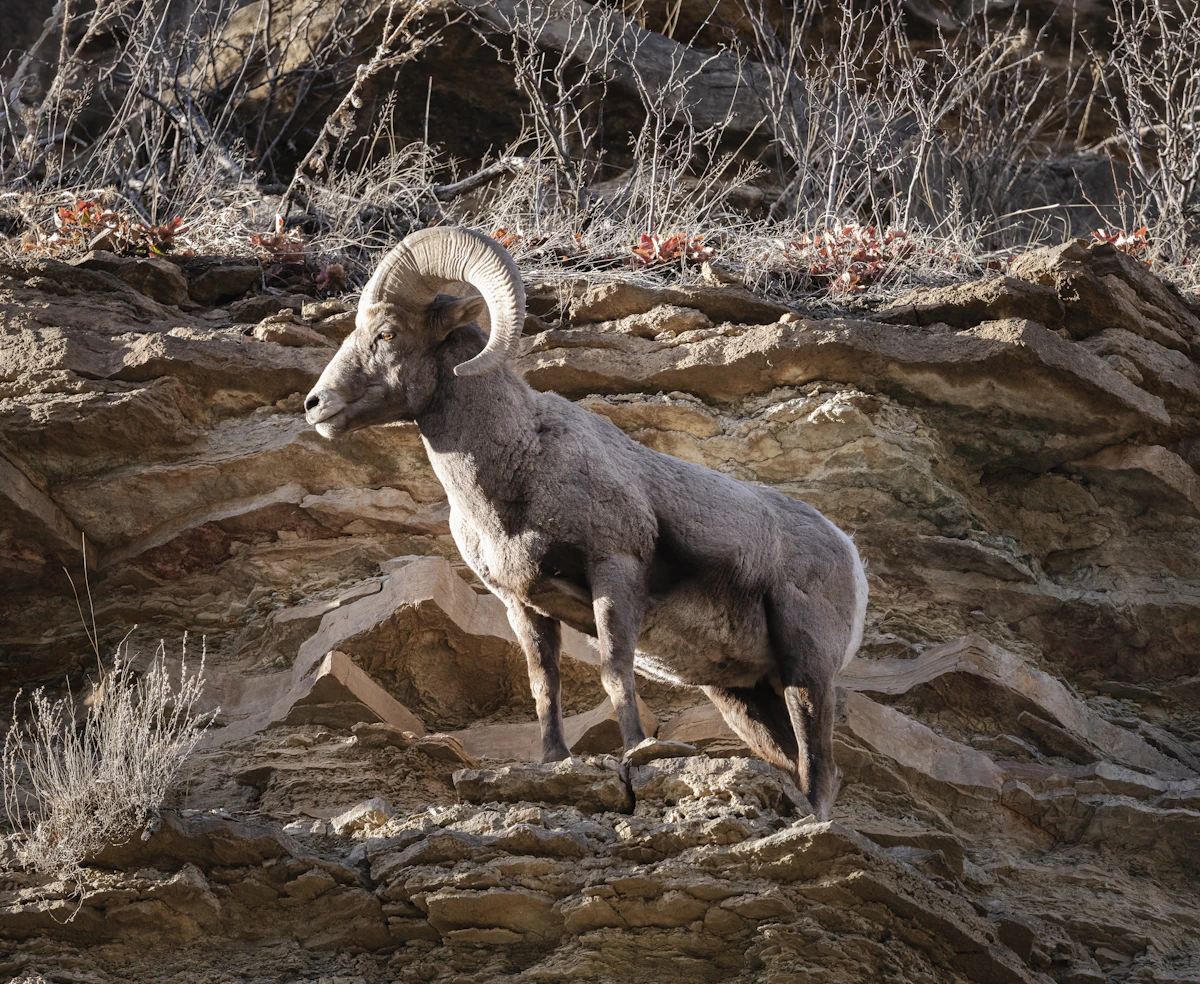
Desert bighorn sheep hunts represent one of North America's most challenging and expensive opportunities, with single-digit to low-double-digit tag quotas in most states and limited nonresident allocations. Before committing to a guided hunt, hunters face critical decisions about outfitter selection, contract terms, physical preparation and state-specific requirements. Drawing a once-in-a-lifetime tag demands thorough preparation, making pre-booking questions essential for protecting both your investment and your hunting opportunity.
Why These Questions Matter for Desert Bighorn Hunts
Desert bighorn tags are scarce. California issued 30 tags for 2026, up from 27 in 2025. Arizona authorized 80 to 100 permits each year historically, with AZGFD reporting 113 permits in 2025. New Mexico allocated desert ram tags for 2026-27 according to secondary sources, though official per-hunt-code numbers remain unverified. Nevada recommended desert bighorn ram tags for the 2026-2027 seasons in Commission regulation materials.
Most states cap nonresident participation: California limits nonresidents to not more than 10% of bighorn tags each year, Nevada follows approximately 10% through Commission policy, and New Mexico's state law mandates 6% to nonresidents without an outfitter plus a share of the 10% outfitter pool. Arizona maintains roughly 10% nonresident allocation according to secondary sources, though official agency citation for this cap was not verified in this pass.
Once-in-a-lifetime consequences apply in Arizona (one desert bighorn in a lifetime and one Rocky Mountain bighorn in a lifetime), California (previous CA bighorn tag bars future applications), Colorado and Utah. A poor guide choice, unclear contract or inadequate physical preparation can permanently cost your only opportunity for this species.
For related planning resources, see our guides on booking a mule deer hunt and booking a pronghorn hunt.
Is a Guide Required for Nonresident Desert Bighorn Hunters?
State agencies do not universally require guides for nonresident bighorn hunters. Requirements vary by state:
Arizona: No guide requirement found in 2026-27 regulations. State guide license lookup was not verified.
Nevada: Licensed master guide required only for the restricted nonresident guided mule deer draw, not for bighorn hunts per sources read. The 2026 Big Game publication advises: "When booking a guided hunt be sure that the master guide you hire is licensed to provide guide services in Nevada and be sure that you are provided with a contract before services are provided." Verify guides through the NDOW 2026 Licensed Master Guide List at wildlife.utah.gov showing name, business, permit number and statewide status.
New Mexico: No guide requirement exists for nonresident hunters in the 6% non-outfitter draw pool. However, the 10% outfitter pool requires a signed written contract with a New Mexico registered outfitter, and that outfitter or registered guide must accompany the hunter during the hunt. State law requires registered outfitters to maintain at least $500,000 commercial liability insurance and provide at least one registered guide or outfitter per four hunters. Verify outfitters through the Active Outfitter List PDF dated February 3, 2026, at NMDOW's website. It is unlawful for guides to book or contract directly with hunters; guides work under outfitters.
Utah: Since July 1, 2025 (SB 149), outfitters and guides compensated $100 or more to assist hunting on public land must hold a DWR Certificate of Registration (COR). For once-in-a-lifetime species including bighorn, no more than three registered guides or outfitters may be assigned to a client. Hunters are not required to use a guide. Public COR lookup was not verified.
California, Colorado and Texas
California: Guide license required for paid guides ($679.75 nonresident guide license plus $1,000 bond for 2026-27). Verify via CDFW Public List Search at licenses.wildlife.ca.gov, though listing is opt-in so absence does not equal unlicensed status. Confirm with CDFW at (916) 928-5846.
Colorado: Hunting guides and outfitters must be registered, bonded and insured and register with DORA's Office of Outfitter Registration. Verify through DORA license lookup using credential type "OUT, Outfitter" at apps2.colorado.gov, which includes disciplinary information.
Texas: Only two or three bighorn hunting permits are offered each year on state land per TPWD, through raffle and auction rather than draw. Winners hunt with TPWD personnel on state wildlife management areas.
Even where not required, most hunters book guided hunts given the terrain difficulty, once-in-a-lifetime stakes and limited scouting opportunity. The questions below apply whether you are legally required to hire a guide or choosing to do so.
Verify State Licensing and Registration First
Question 1: What is your state license or registration number, and can you provide documentation?
Every state with active guided-hunt industries maintains public verification systems. Ask for the number before discussing any other details, then verify independently:
- Nevada: Check the 2026 Licensed Master Guide List showing permit numbers and statewide hunting or fishing authorization status.
- New Mexico: Verify the outfitter appears on the Active Outfitter List dated February 3, 2026. If a person claiming to be registered is not on the list, NMDOW advises not to do business with them and to contact the department.
- California: Search the Public List Search (opt-in, so confirm with CDFW if unclear).
- Colorado: Use DORA's lookup, which includes disciplinary actions.
- Utah: DWR Certificate of Registration required since July 1, 2025, for public-land guides compensated $100 or more; no public lookup page was found.
- Arizona: State guide license lookup was not verified.
In New Mexico, any person who purchases landowner permits or private land licenses for a client is deemed an outfitter under 19.30.8 NMAC. Ask outfitters which category applies to your hunt structure.
Insurance Coverage Requirements
Question 2: Do you carry commercial liability insurance, and what are the coverage limits?
New Mexico law requires at least $500,000 commercial liability insurance for registered outfitters. Utah requires attestation of workers' compensation plus commercial liability insurance for Certificate of Registration holders. Other states recommend or require insurance without publishing minimum amounts. Ask for proof of current coverage and confirm it covers your hunt dates.
Contract and Financial Terms
Question 3: Will you provide a written contract before I pay any deposit, and does it include your registration number?
Nevada advises obtaining a contract before services are provided. New Mexico requires registered outfitters to provide written contracts with the outfitter registration number to each client. Contracts should specify:
- Hunt dates and unit or zone
- Services included (lodging, meals, transportation, pack animals, field care)
- Guide-to-hunter ratio
- Total cost breakdown
- Deposit and balance-due schedule
- Cancellation and refund policies
- Tag responsibility (who buys the license and permit-tag)
What Happens to Your Deposit if You Are Not Drawn?
Most western states charge nonresident bighorn licenses and permit-tags upfront during the draw. If unsuccessful, the license fee refunds but application fees do not. For example:
- Arizona: Nonresident permit-tag (includes nonrefundable application fee) plus Combination Hunt & Fish license. If not drawn, the permit-tag fee refunds but the application fee and license do not (confirm current fee schedule on AZGFD).
- New Mexico: Nonresident bighorn license includes nonrefundable application fee. License fee refunds if unsuccessful, application fee does not. Hunters must also buy a nonrefundable Game Hunting license and HMAV before applying according to secondary sources; confirm these amounts with NMDOW.
- Utah: Nonresident desert bighorn permit (includes 365-day fishing license) plus draw application fee (plus transaction fee). Application fees are nonrefundable per secondary sources.
- Nevada: Nonresident bighorn tag plus application fee (approximately nonrefundable per secondary sources; verify exact amounts in eRegulations).
- California: Nonresident bighorn tag plus drawing application plus nonresident hunting license.
If you book a hunt before the draw, clarify whether your outfitter deposit refunds if you do not draw. Some outfitters hold deposits against a future year; others refund fully or partially. Get this in writing.
Understanding Cancellation Policies and Weather Clauses
Question 5: What is your cancellation policy, and are there weather or hunt-closure clauses?
Cancellation windows should specify:
- How far in advance you can cancel with full, partial or no refund
- Whether deposits transfer to a future hunt or refund
- What happens if the state closes the season (fire, disease outbreak, emergency regulation)
- Whether the outfitter refunds if weather prevents access to the unit
- Your options if you are injured before or during the hunt
Once-in-a-lifetime tags create unique pressure. If you cancel after drawing but before the hunt, you may forfeit both the tag and future eligibility in states like Arizona, California, Colorado and Utah. Understand both the state's tag-use rules and the outfitter's cancellation terms.
When Is Payment Due and What Methods Are Accepted?
Question 6: What payment methods do you accept, and when is the balance due?
Ask whether the outfitter accepts credit cards, checks or wire transfers. Understand processing fees. Balance-due dates typically fall 30 to 90 days before the hunt. If paying by check, confirm mailing deadlines. If paying by card, ask about transaction fees.
Free to join
Download mobile app
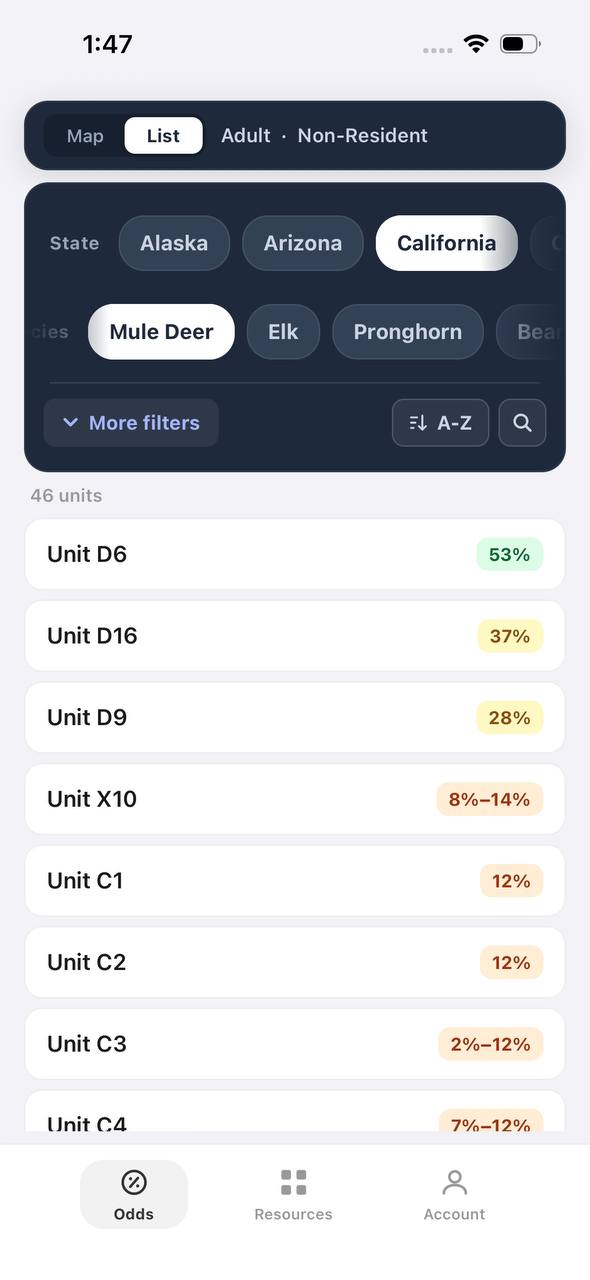
- Detailed draw odds
- Point tracking
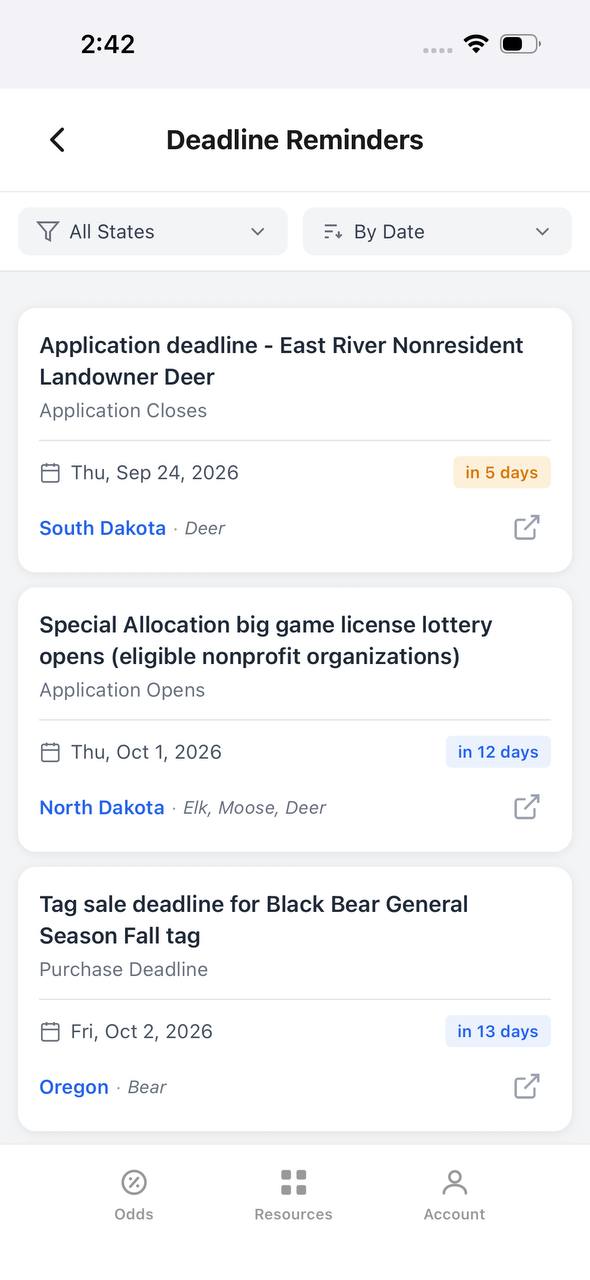
- Deadline reminders
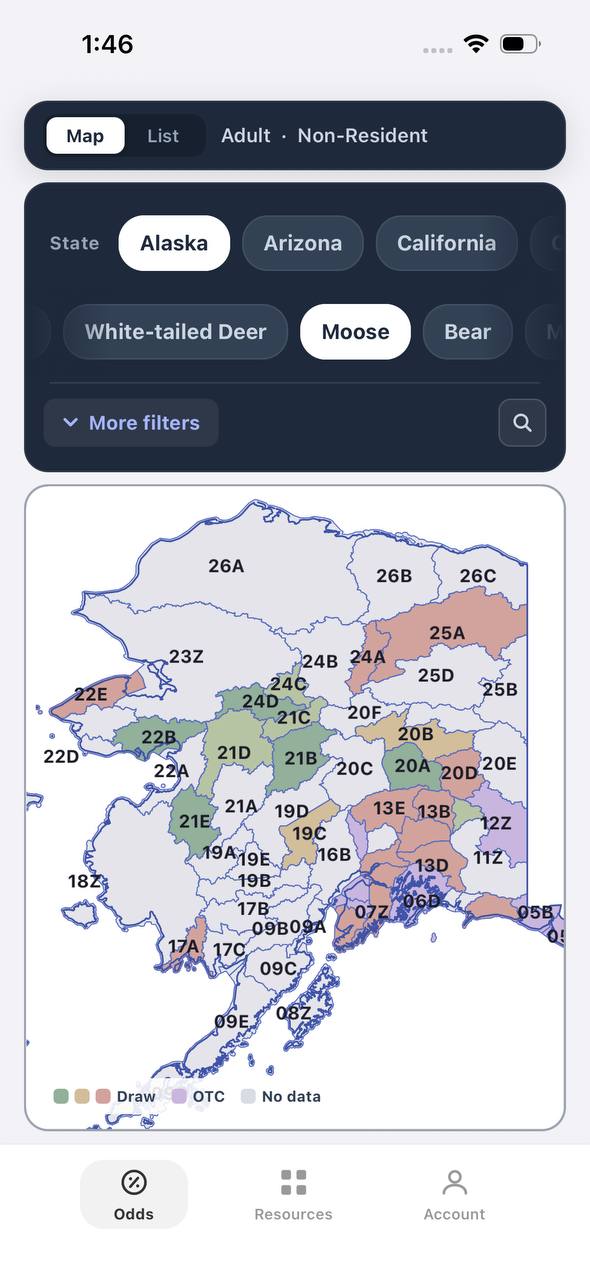
- 19 states covered

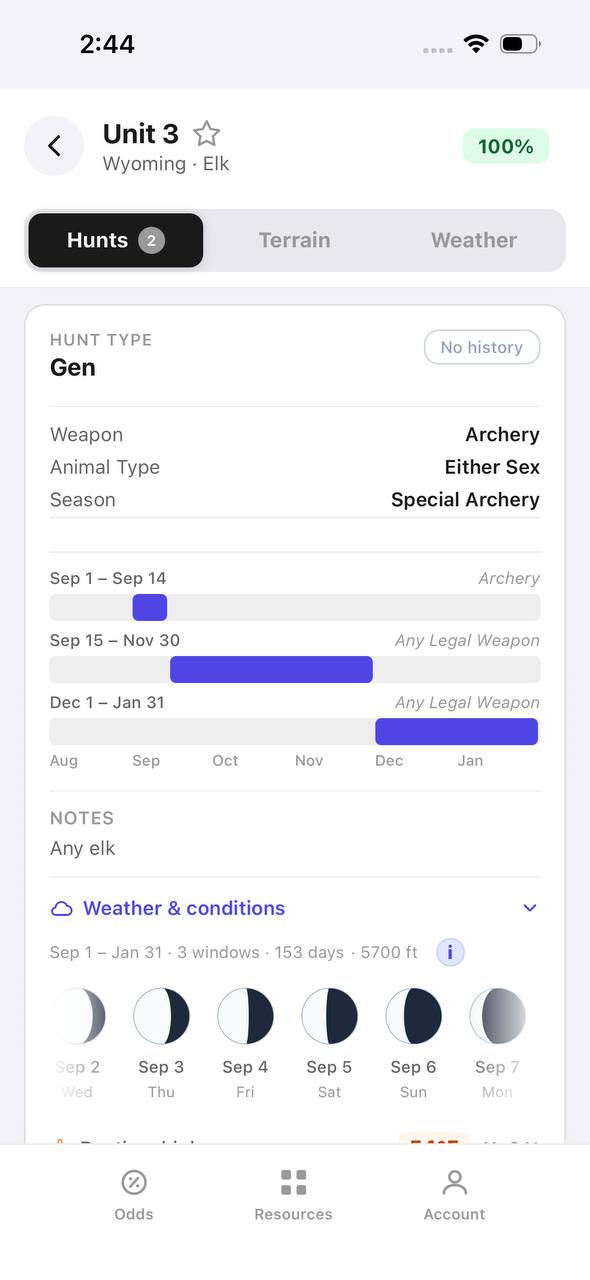
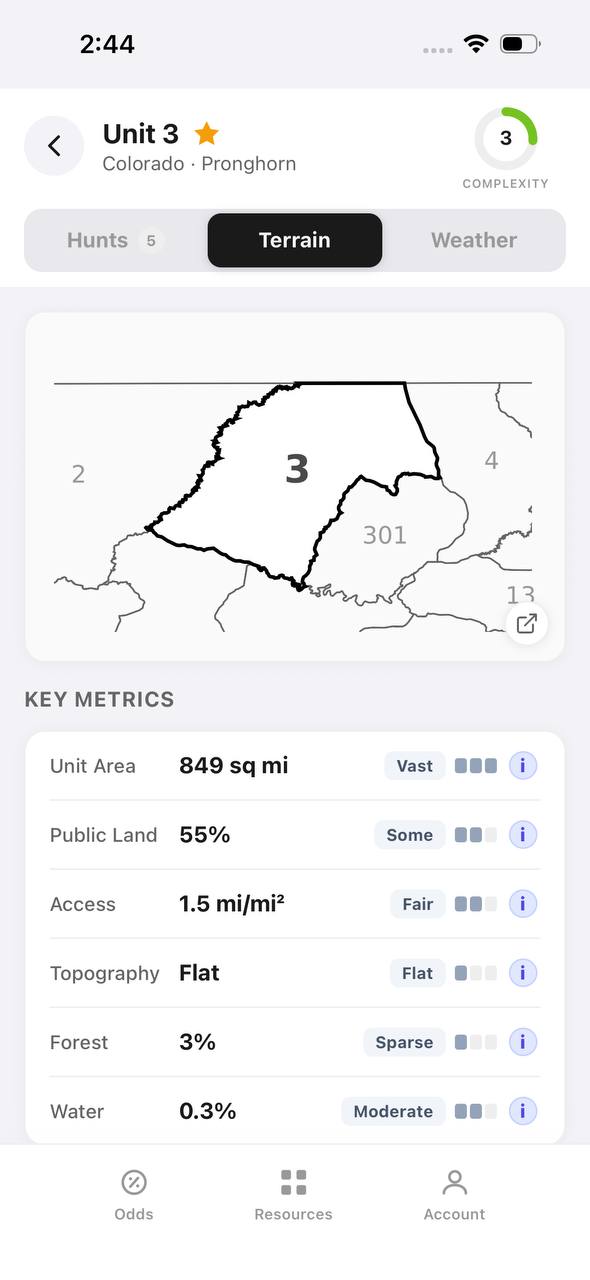
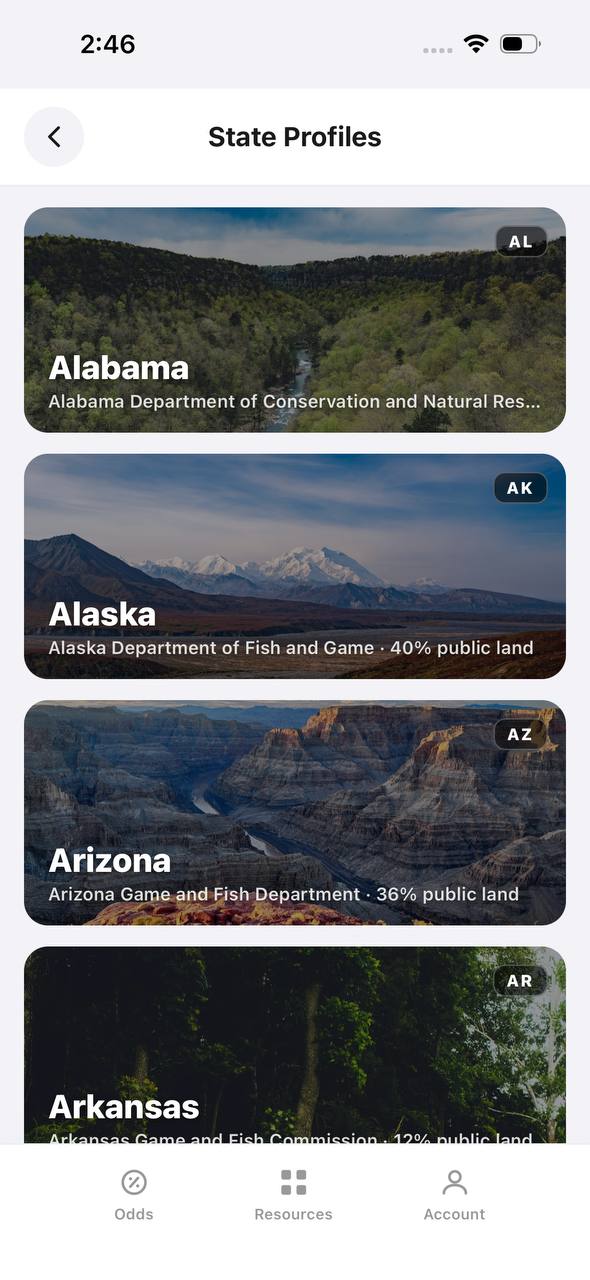
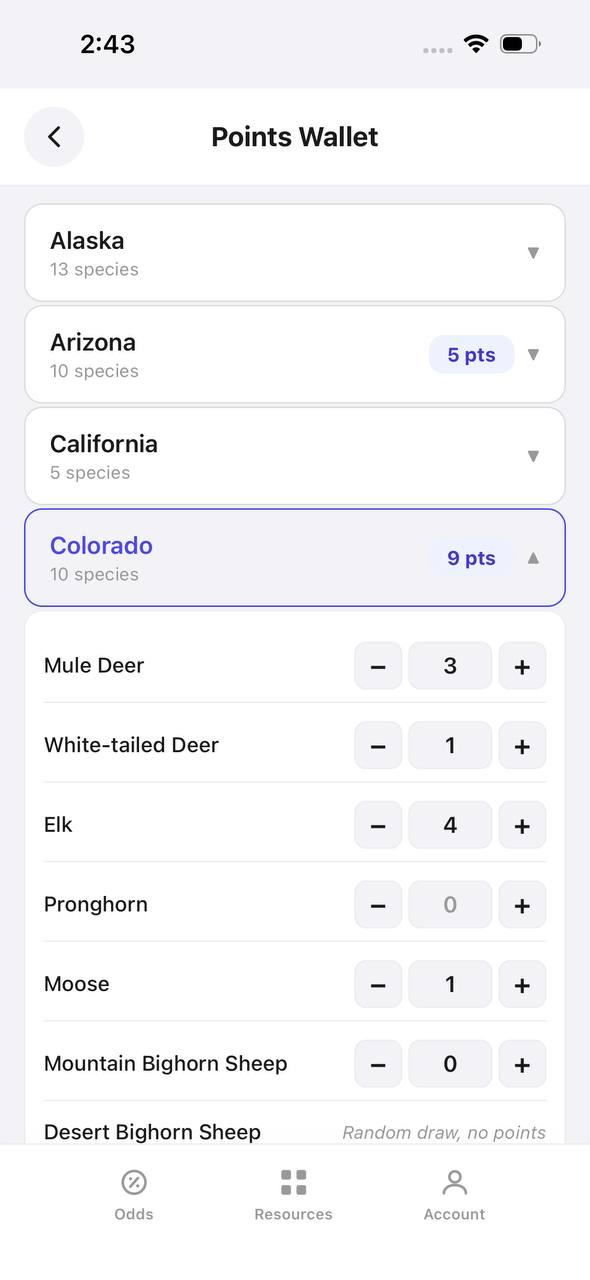
Free to join
Download mobile app
- Detailed draw odds
- Point tracking
- Deadline reminders
- 19 states covered
Free to join
Download mobile app
- Detailed draw odds
- Point tracking
- Deadline reminders
- 19 states covered
Hunt Details and Logistics
Question 7: Which hunt unit and season are you offering, and do you have data on ram quality and harvest success?
Request scouting reports, trail-camera photos and recent harvest data for the specific unit. Ask:
- Typical ram age and horn curl in the unit
- Success rates over the past three to five years
- Whether success data comes from the outfitter's clients or state harvest statistics
- Unit-specific terrain and access challenges
Arizona reports 90 to 95% historical hunt success on desert bighorn statewide. Other states do not publish success figures in sources read for this pass. Verify current harvest summaries with the state agency before booking.
Guide-to-Hunter Ratios and Hunt Staffing
Question 8: How many guides will be assigned to my hunt, and what is the guide-to-hunter ratio?
New Mexico requires at least one registered guide or outfitter per four hunters. Utah limits desert bighorn hunts (once-in-a-lifetime species) to no more than three registered guides or outfitters assigned per client. Other states do not publish maximum ratios in sources read.
Ask whether you will have a dedicated guide or share a guide with other hunters. For high-elevation or steep-terrain hunts, multiple guides may pack gear, scout or assist with field care. Clarify roles before the hunt.
Physical Demands and Terrain Considerations
Understanding the Physical Demands of Desert Bighorn Terrain
Question 9: What physical demands should I expect, and what happens if I cannot complete the hunt due to injury or altitude sickness?
California's desert bighorn units include hunts between 10,000 and 14,000 feet in the White Mountains. CDFW warns that altitude sickness has affected hunters in these zones. Most desert bighorn zones involve steep, rugged terrain with limited vehicle access.
Ask the outfitter:
- Typical daily mileage and elevation gain
- Whether horses, mules or foot access will be used
- Fitness benchmarks they recommend (e.g., ability to hike X miles at Y elevation with a daypack)
- What happens if you are injured mid-hunt (partial refund, hunt continues with reduced effort, or hunt ends)
If you book a high-elevation or physically demanding hunt, train specifically for altitude and steep terrain. The once-in-a-lifetime stakes make physical preparation non-negotiable.
For heat-related concerns, see our guide on preparing for heat on a desert bighorn sheep hunt.
Free to join
Download mobile app
- Detailed draw odds
- Point tracking
- Deadline reminders
- 19 states covered
Free to join
Download mobile app
- Detailed draw odds
- Point tracking
- Deadline reminders
- 19 states covered
Free to join
Download mobile app
- Detailed draw odds
- Point tracking
- Deadline reminders
- 19 states covered
Tag and License Responsibility
Question 10: Am I responsible for buying my own license and tag, or does the outfitter handle it?
In most western states, hunters apply directly through the state agency and receive the permit-tag if drawn. Outfitters do not purchase tags on behalf of clients except in specific private-land or landowner-permit structures.
Nonresident license requirements include:
- Texas: Nonresident General Hunting License required by statute for all nonresident hunters pursuing desert bighorn (only license valid for whitetail, mule deer, pronghorn or bighorn for nonresidents).
- Arizona: Combination Hunt & Fish license required before applying.
- New Mexico: Game Hunting license and Habitat Management and Access Validation (HMAV) required before applying per secondary sources.
- Utah: Nonresident desert bighorn permit includes 365-day fishing license.
- California: Nonresident hunting license required; 16 years or older by July 1.
- Nevada: Nonresident hunting license and application fees apply.
Confirm with the outfitter whether you are expected to apply independently or whether they assist with application logistics. In New Mexico, if the outfitter purchases landowner permits or private-land licenses for you, they are legally deemed an outfitter under state regulation.
Does the Hunt Include Mandatory Inspection Assistance?
Question 11: Does the hunt include assistance with mandatory horn or skull inspections?
Arizona requires mandatory physical inspection of horns and skull within three days after the season closes (R12-4-308 in 2026-27 regulations). Ask whether the outfitter will transport the cape and skull to an inspection station or whether you are responsible. Clarify inspection costs and logistics before booking.
Trophy Handling and Taxidermy
Question 12: What trophy-handling services are included, and do you work with a taxidermist?
Ask whether the outfitter:
- Field-capes the ram and prepares the skull
- Transports the cape and skull to a taxidermist or your vehicle
- Arranges taxidermy or provides referrals
- Handles CITES permits or export documentation if you live outside the United States (this was not researched; verify requirements with your country's wildlife authority and the US Fish and Wildlife Service)
Clarify costs for each service. Some outfitters include basic field care in the hunt price; others charge separately for taxidermy coordination or long-distance transport.
References and Past Client Experiences
Question 13: Can you provide references from past clients, and have you had any complaints or disciplinary actions?
Request contact information for clients who hunted the same unit or season in recent years. Ask references:
- Whether the outfitter met contract terms
- Quality of lodging, meals and guiding
- Physical difficulty compared to the outfitter's description
- Ram quality and success rate
- How the outfitter handled unexpected challenges (weather, injury, access closures)
Check public disciplinary records where available. Colorado's DORA lookup includes complaint history and disciplinary actions for registered outfitters. Nevada's master-guide list does not show disciplinary status, but NDOW can confirm complaints. New Mexico's Active Outfitter List does not include complaint records; contact NMDOW for additional information.
Why Experience in Your Specific State Matters
Outfitters who guide regularly in your target state understand local regulations, terrain challenges and agency inspection requirements. An outfitter experienced in Arizona's mandatory horn inspection process can streamline post-hunt logistics. An outfitter familiar with California's high-elevation White Mountains units knows altitude acclimatization protocols and typical weather patterns during the season.
Ask how many years the outfitter has operated in the state where you drew your tag. Request references from hunters who booked the same unit or zone. Experience in neighboring states does not substitute for knowledge of your hunt area's access points, water sources and typical ram movements.
Understanding the Outfitter's Track Record
Beyond references, ask about the outfitter's overall success rate and years of operation. An outfitter with a decade of experience in a specific unit will have built relationships with landowners, learned seasonal ram patterns and developed efficient logistics for access and field care. New outfitters may offer lower prices but lack the institutional knowledge that improves hunt outcomes.
Free to join
Download mobile app
- Detailed draw odds
- Point tracking
- Deadline reminders
- 19 states covered
Free to join
Download mobile app
- Detailed draw odds
- Point tracking
- Deadline reminders
- 19 states covered
Free to join
Download mobile app
- Detailed draw odds
- Point tracking
- Deadline reminders
- 19 states covered
State-Specific Considerations
Question 14: Do you understand the state's tag-use and eligibility rules, and have you guided hunters under these regulations before?
Once-in-a-lifetime rules vary by state:
- Arizona: Harvesting a desert bighorn bars you from applying for another desert bighorn tag in Arizona for life. Harvesting a Rocky Mountain bighorn separately bars Rocky Mountain applications. These are independent lifetime limits.
- California: Hunters cannot apply if they have previously been drawn for a California bighorn tag (any subspecies).
- Colorado: Desert bighorn harvest bars future desert bighorn draw participation (once-in-a-lifetime rule).
- Utah: Desert bighorn is once-in-a-lifetime; hunters may apply for one once-in-a-lifetime or limited-entry species per year.
If you wound a ram but do not recover it, or if you fill the tag on a younger ram than you hoped for, the tag is still used under most states' regulations. Understand these rules before the hunt. Ask the outfitter how they define "shootable ram" and whether they will help you evaluate horn size and age in the field.
How Outfitters Handle Unexpected Hunt Scenarios
Question 15: What happens if we encounter unexpected circumstances during the hunt?
Discuss contingency plans for scenarios unique to desert bighorn hunts:
- What if no legal rams are located during the hunt window?
- If multiple rams are spotted, who makes the final call on which animal to pursue?
- How does the outfitter handle situations where the ram is wounded but not recovered?
- What support does the outfitter provide if you decide not to shoot and go home with an unfilled tag?
These conversations reveal how the outfitter balances client satisfaction with realistic expectations in once-in-a-lifetime hunts. For additional preparation guidance specific to western sheep hunts, see our guide on choosing an elk outfitter, which covers many contract and logistics questions that apply to all high-stakes guided hunts.
Plan Your Desert Bighorn Sheep 2027 Hunt With TAGZ
TAGZ helps hunters research draw odds, compare unit options and track application deadlines across western states. The platform consolidates state-specific bighorn quotas, fee schedules and regulation changes into a single searchable database, so you can evaluate units and plan applications efficiently before committing to a guided hunt.
Booking a desert bighorn hunt is a multi-year decision. Use TAGZ to research tag availability, understand nonresident allocations and identify high-opportunity hunts while you build preference points or wait for the right draw odds. Stop guessing. Start planning with TAGZ.
Official Desert Bighorn Sheep Hunting Sources
- Arizona Game and Fish Department: https://www.azgfd.com/hunting/hunt-draw-and-licenses/big-game-draw/ (big game draw information)
- Arizona 2026-27 Hunting Regulations: https://azgfd-live-portal-wordpress-pantheon.s3.us-west-2.amazonaws.com/wp-content/uploads/2026/05/20151617/2026-27-Arizona-Hunting-Regulations.pdf
- Nevada Department of Wildlife: https://www.ndow.org/apply-buy/apply-buy-hunting/ (hunting applications and fees)
- Nevada 2026 Big Game Application FAQ: https://www.ndow.org/wp-content/uploads/2026/03/2026-Big-Game-Application-FAQ.pdf
- Nevada 2026 Licensed Master Guide List: https://www.ndow.org/wp-content/uploads/2026/06/2026-Licensed-Masterguides.pdf
- Nevada Master Guide Licensing: https://www.ndow.org/apply-buy/apply-buy-slaps/
- New Mexico Department of Game & Fish: https://wildlife.dgf.nm.gov/hunting/applications-and-draw-information/ (draw information)
- New Mexico Active Outfitter List: https://wildlife.dgf.nm.gov/download/active-outfitters-report/
- New Mexico Guide/Outfitter Information: https://wildlife.dgf.nm.gov/hunting/guide-outfitter-information/
- Utah Division of Wildlife Resources: https://wildlife.utah.gov/guidebooks/biggameapp.pdf (big game application guidebook)
- Utah Hunting Fees: https://wildlife.utah.gov/fees
- Utah Guide/Outfitter Registration: https://wildlife.utah.gov/guides
- California Department of Fish and Wildlife Bighorn Sheep: https://wildlife.ca.gov/Hunting/Bighorn-Sheep
- California 2026 Big Game Hunting Digest: https://svsfyqqhjlyhrfuhwpox.supabase.co/storage/v1/object/public/brochures/CA.big_game_digest.2026/2026_California_Big_Game_Hunting_Digest_2026.pdf
- California License Search: https://www.licenses.wildlife.ca.gov/InternetSales/PublicListSearch/SelectPermitType
- Colorado Parks and Wildlife Sheep & Goat Brochure: https://cpw.widen.net/s/m27g5rnwwq/colorado-sheep-and-goat-brochure
- Colorado DORA Outfitter Lookup: https://apps2.colorado.gov/dora/licensing/lookup/licenselookup.aspx
- Texas Parks and Wildlife Big Time Texas Hunts: https://tpwd.texas.gov/huntwild/hunt/public/btth/grandslam.phtml
Last verified: October 22, 2026. This research used 2026 regulations and fee schedules where available. Many 2027 application deadlines, quotas and fees are not yet published. New Mexico's 2026-27 draw closed March 18, 2026. Arizona's 2026 fall draw closed June 2, 2026. Utah's 2026 application period closed April 23, 2026. California's 2026 draw closed June 2, 2026. Nevada's 2026 big game application period has closed. Texas Big Time Texas Hunts entries reopen May 15, 2027. Verify all hunt codes, fees, deadlines and tag quotas directly with the state agency before applying or booking.
Was this article helpful?
Previous
Kansas Nonresident Deer Draw Guide 2027
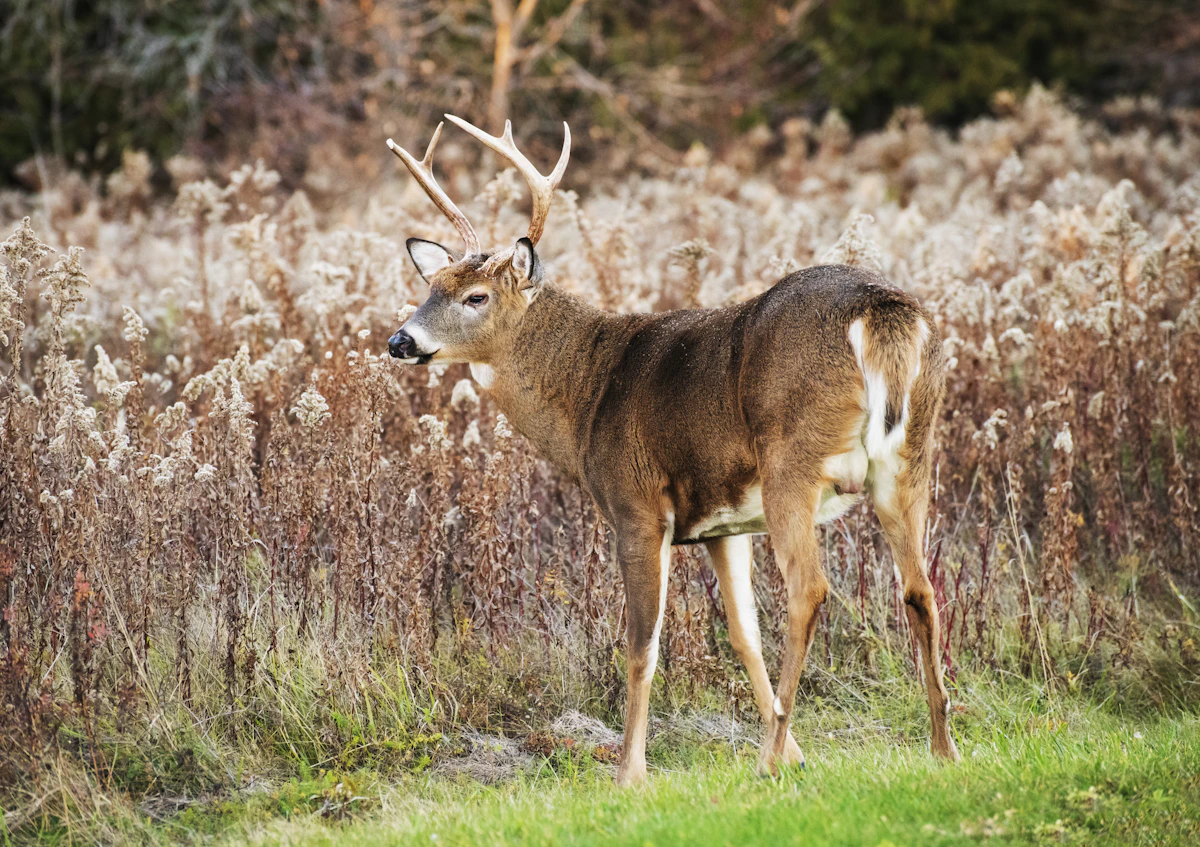
Kansas nonresident whitetail permits are awarded by lottery each April; all units drew at zero points in 2026; quotas varied from 228 to 3,564 either-sex permits across 18 units.
Related
Guided Whitetail Deer Hunts 2027: Outfitters, Hunt Options & Costs
Guided whitetail hunts in 2027 range from OTC states like Missouri and Texas to draw-required systems in Kansas and Iowa. Nonresident permits run $200-$500, guided packages typically $3,000-$5,000, with application deadlines, tag limits, and landowner access varying sharply by state.
Next
Wisconsin Deer Hunting Guide 2027: Seasons, Tags & Regulations
Wisconsin's 2027 deer seasons offer multiple weapon choices and a straightforward tag system. Plan your hunt with this breakdown of season dates, license requirements, and harvest rules.