Desert Bighorn Sheep Hunting 2027: Heat Safety Guide
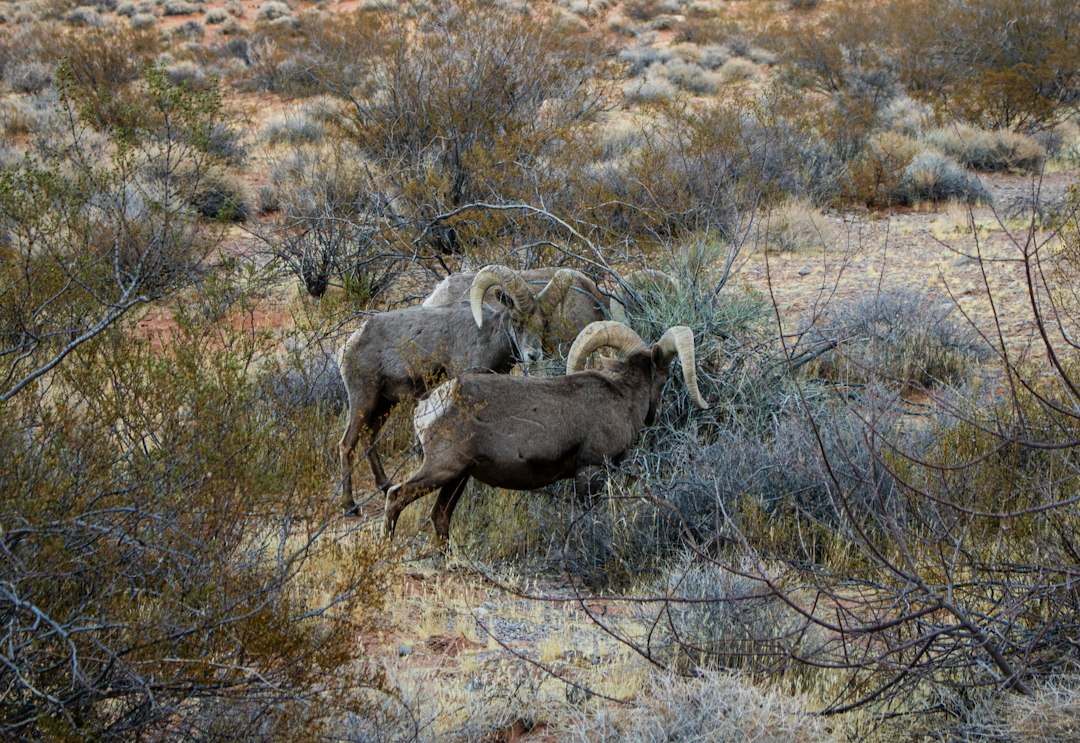
Why Desert Bighorn Sheep Hunting Is Physically Demanding
Desert sheep country can combine:
Heat
Sun
Steep Terrain
Loose Rock
Long Glassing Sessions
Elevation Changes
and:
Limited Water.
The combination can make a hunt considerably harder than:
Temperature Alone
would suggest.
Don't Assume Every Desert Sheep Hunt Will Be 100°F
The original article says desert temperatures:
Often Soar Well Above 100°F During the Day.
That's too broad.
Desert bighorn sheep hunts occur across:
Different States + Elevations + Seasons + Weather Patterns.
Depending on your hunt, you could encounter:
Hot Weather
Cold Mornings
Strong Wind
Rain
or:
Large Day-to-Night Temperature Swings.
Plan for:
Your Actual Hunt Location + Dates.
Check the Forecast Before the Hunt
As the hunt approaches, monitor:
Daytime High
Overnight Low
Wind
Cloud Cover
Humidity
and:
Heat Advisories.
Conditions can change your:
Water Requirements + Route + Clothing + Hunting Schedule.
Understand Heat Stress
Your body needs to:
Dissipate Heat
while you're climbing and carrying equipment.
Exercise itself generates:
Metabolic Heat.
Add:
Sun + Hot Air + Heavy Pack + Steep Terrain
and the heat load can rise quickly.


Free to join
Download mobile app
- Detailed draw odds
- Point tracking
- Deadline reminders
- 18 states covered





Free to join
Download mobile app
- Detailed draw odds
- Point tracking
- Deadline reminders
- 18 states covered






Free to join
Download mobile app
- Detailed draw odds
- Point tracking
- Deadline reminders
- 18 states covered

Dehydration Makes Heat Stress Worse
CDC guidance identifies dehydration as an important contributor to:
Heat-Related Illness.
Dehydration can:
Reduce Exercise Performance
Decrease Time to Exhaustion
and:
Increase Internal Heat Load.
That's why water planning isn't optional on a:
Remote Desert Hunt.
But More Water Isn't Always Better
There's another risk:
Overhydration.
Drinking excessive amounts of fluid during prolonged exertion can contribute to:
Exercise-Associated Hyponatremia.
That's a potentially serious condition involving:
Abnormally Low Blood Sodium.
So don't follow the outdated mentality:
"You Can't Drink Too Much Water."
You can.
Don't Publish a Universal 4–6 Liter Rule
The original article recommends:
At Least 4–6 Liters Per Day.
Remove that as a universal prescription.
Actual fluid requirements vary according to:
Temperature
Sun exposure
Humidity
Wind
Body size
Sweat rate
Pack weight
Exertion
Hunt duration
Elevation
Individual physiology
Your water plan should be based on:
The Actual Conditions You'll Encounter.
A Useful Heat-Hydration Reference
NIOSH currently advises that for:
Moderate Activity in Heat Lasting Less Than Two Hours,
workers commonly need about:
8 Ounces of Water Every 15–20 Minutes.
For:
Several Hours of Sweating,
electrolyte-containing beverages can become useful.
NIOSH also cautions that fluid intake generally shouldn't exceed:
6 Cups Per Hour.
These are occupational heat guidelines—not a personalized prescription for every sheep hunter—but they demonstrate why:
One Fixed Daily Water Number Isn't Appropriate.
Carry More Than Your Optimistic Estimate
In remote sheep country, the bigger planning question is:
What Happens If the Hunt Takes Longer Than Expected?
A stalk can turn:
A Four-Hour Plan
into:
An All-Day Hunt.
Plan water around:
Realistic Worst-Case Field Time.
Don't Depend Blindly on a Spring
A map showing:
Spring
Tank
Seep
or:
Creek
doesn't guarantee usable water will be there.
Water sources can be:
Seasonal
Dry
Contaminated
Inaccessible
or:
Farther Away Than Expected.
Verify water information before relying on it.
Have a Water Contingency Plan
Know:
Where Your Water Is.
Know:
How Much You're Carrying.
Know:
Where Backup Water Is Located.
Know:
When You Need to Turn Around.
A remote desert hunt isn't the place to discover:
Your Only Planned Water Source Is Dry.
Consider Caching Water Where Legal
Depending on:
Land Management + Wilderness Rules + Hunt Location,
pre-positioning water may be useful.
But:
Verify Land-Management Regulations First.
Don't assume caches are legal everywhere.
Electrolytes Have a Role—but Don't Oversell Them
The original article says electrolyte supplements:
"Help Replenish Salts Lost Through Sweating."
That's generally reasonable during:
Prolonged Heavy Sweating.
But electrolytes aren't:
A Magic Shield Against Heat Illness.
CDC notes that for mild-to-moderate exertion:
Plain Water Can Be Adequate.
During prolonged heat exposure and sweating:
Food + Sodium-Containing Fluids
can help replace losses.
Salty Food Can Be Useful
You don't necessarily need:
Specialized Supplements.
During prolonged activity, foods such as:
Trail Mix
Crackers
Pretzels
and:
Normal Meals Containing Salt
can contribute to sodium replacement.
Don't Experiment With Supplements During the Hunt
Test:
Drink Mixes + Foods + Hydration Equipment
during training.
A sheep hunt isn't the time to discover that:
Your Electrolyte Mix Upsets Your Stomach.
Heat Acclimatization Works
One of the strongest preparation tools is:
Gradual Heat Acclimatization.
CDC/NIOSH recommends gradually increasing heat exposure over roughly:
7–14 Days.
Heat acclimatization produces physiological adaptations that can improve:
Sweating Efficiency
Circulatory Stability
and:
Heat Tolerance.
Free to join
Download mobile app
- Detailed draw odds
- Point tracking
- Deadline reminders
- 18 states covered
Free to join
Download mobile app
- Detailed draw odds
- Point tracking
- Deadline reminders
- 18 states covered
Free to join
Download mobile app
- Detailed draw odds
- Point tracking
- Deadline reminders
- 18 states covered
Don't Train for Dehydration
The original draft says:
"Training Your Body to Handle Dehydration."
Remove that completely.
Train your body to handle:
Heat + Terrain + Workload.
Don't intentionally:
Dehydrate Yourself.
Dehydration can increase:
Heart Rate + Internal Heat Load
and reduce:
Exercise Performance.
Acclimatize Gradually
Don't jump from:
Cool-Weather Training
directly into:
Maximum-Effort Desert Workouts.
Gradually increase:
Heat Exposure + Duration.
CDC/NIOSH uses a conservative acclimatization framework for new workers of approximately:
20% Exposure on Day One
followed by increases of no more than:
20% Per Day.
A hunter's training plan doesn't need to copy an occupational schedule exactly, but the principle is valuable:
Build Heat Exposure Gradually.
Fitness and Heat Acclimatization Are Different
Being:
Fit
doesn't mean you're:
Heat Acclimatized.
Strong cardiovascular conditioning helps with the workload.
Heat acclimatization helps your body adapt to:
Working in Heat.
Ideally, prepare for:
Both.
Train for Climbing
Desert sheep country often rewards:
Uphill Capacity.
Train with:
Incline walking
Hill repeats
Stair climbing
Hiking
Loaded pack work
Progress:
Gradually.
Train for Descending Too
Don't train only for:
The Climb.
Steep downhill travel places significant stress on:
Quads + Knees + Ankles + Feet.
Include controlled downhill work when possible.
Train With Your Pack
Progressively train with:
The Pack You'll Actually Hunt With.
That helps identify:
Hot Spots
Fit Problems
Shoulder Pressure
and:
Gear Organization Issues
before opening day.
Don't Jump Straight to Heavy Pack Training
Increase:
Weight + Distance + Vertical Gain
gradually.
The goal is:
Arrive Healthy.
Not:
Win Training Camp.
Clothing for Desert Sheep Hunting
Prioritize clothing that balances:
Sun Protection + Ventilation + Durability.
Useful options can include:
Lightweight Long-Sleeve Shirt
Lightweight Pants
Sun Hat
Sunglasses
Neck/Face Protection
and:
Sunscreen.
Loose and Lightweight Can Help
CDC recommends:
Lightweight + Loose + Light-Colored Clothing
for hot environments.
Loose clothing can improve:
Air Circulation + Evaporative Cooling.
UPF Clothing Can Reduce Sun Exposure
UPF-rated clothing can be useful when you're spending:
Hours Exposed to Direct Sun.
Covering skin can reduce:
UV Exposure
without requiring constant sunscreen application over every covered area.
Wear Sunscreen
Use:
Broad-Spectrum Sun Protection
on exposed skin and reapply according to:
Product Directions.
Sunburn isn't merely uncomfortable.
It can add another physiological burden during:
An Already Demanding Hunt.
Protect Your Eyes
High-quality sunglasses should provide:
UV Protection.
Desert environments can involve prolonged exposure to:
Bright Sun + Reflective Rock + Open Terrain.
Choose Boots for Terrain First
The original article recommends:
Lightweight Ventilated Boots.
That may be appropriate for some hunts.
But don't sacrifice:
Fit + Traction + Support + Durability
simply to get the lightest boot.
Desert sheep terrain can be:
Steep + Rocky + Abrasive.
Your boot needs to match:
Your Terrain.
Free to join
Download mobile app
- Detailed draw odds
- Point tracking
- Deadline reminders
- 18 states covered
Free to join
Download mobile app
- Detailed draw odds
- Point tracking
- Deadline reminders
- 18 states covered
Free to join
Download mobile app
- Detailed draw odds
- Point tracking
- Deadline reminders
- 18 states covered
Test Your Boots Before the Hunt
Your sheep hunt shouldn't be:
Boot Break-In Week.
Train in:
Boots + Socks + Insoles
you plan to hunt in.
Address:
Blisters + Heel Slip + Toe Pressure
before traveling.
Hunt During Cooler Periods When Practical
When conditions are hot, concentrating strenuous activity during:
Early Morning
and:
Later Afternoon
can reduce heat exposure.
CDC recommends limiting strenuous outdoor activity during:
The Hottest Part of the Day
when possible.
But Don't Make a Rigid Clock Rule
The original article says:
Avoid Strenuous Activity From Late Morning Through Mid-Afternoon.
That's a useful concept but shouldn't become:
A Fixed Hunting Rule.
Actual conditions matter.
A:
Cloudy 70°F Afternoon
is different from:
A Sunny 105°F Afternoon.
Adjust to:
Real-Time Conditions.
Use Shade Strategically
When available, use:
Canyon Walls
Vegetation
Rock Shadows
and other safe shaded areas for:
Rest + Glassing + Cooling.
But inspect:
Rock Overhangs + Cliffs
for safety before sitting beneath them.
Glassing Can Save Energy
Efficient glassing can reduce unnecessary:
Miles + Vertical Gain + Heat Exposure.
Before dropping into a canyon because you think you saw:
A Ram,
use:
Binoculars + Spotting Scope
to confirm what you're looking at.
Pick Glassing Locations Intentionally
A good glassing point should provide:
Visibility
without requiring unnecessary:
Exposure + Climbing.
Sometimes moving:
A Few Hundred Yards
to a better angle is smarter than hiking:
Several Miles Blindly.
Don't Assume Sheep Are Only Active Morning and Evening
Hot conditions can influence animal behavior.
But avoid making an absolute claim that desert sheep are:
Only Active Early and Late.
Sheep movement depends on:
Weather + Water + Disturbance + Season + Terrain + Individual Herd Behavior.
Keep glassing.
Know the Signs of Heat Exhaustion
Possible symptoms include:
Weakness
Fatigue
Headache
Dizziness
Nausea
Vomiting
and:
Reduced Ability to Continue Exertion.
If heat illness is suspected:
Stop Exertion + Get to a Cooler/Shaded Location + Begin Cooling.
Heat Stroke Is an Emergency
Severe neurologic symptoms such as:
Confusion
Seizures
or:
Loss of Consciousness
can indicate:
Heat Stroke
or another serious medical emergency.
Treat the situation as:
Life-Threatening.
Activate:
Emergency Response/Evacuation
and begin:
Rapid Cooling
while help is being arranged.
Don't Wait for the Hunter to "Tough It Out"
Mountain hunting rewards:
Persistence.
Heat illness doesn't.
A hunter whose condition is deteriorating should not simply:
Push Through.
Stopping early can prevent:
A Manageable Problem
from becoming:
An Emergency.
Use the Buddy System
When possible:
Watch Each Other.
People experiencing serious heat illness may become:
Confused
and may not recognize how badly they're deteriorating.
Pay attention to changes in:
Behavior + Coordination + Speech + Decision-Making.
Carry Emergency Communication
Remote desert sheep country can have:
Little or No Cell Service.
Consider an appropriate:
Satellite Communicator
or:
Personal Locator Beacon
for the hunt.
Know how to use it:
Before Leaving Home.
Free to join
Download mobile app
- Detailed draw odds
- Point tracking
- Deadline reminders
- 18 states covered
Free to join
Download mobile app
- Detailed draw odds
- Point tracking
- Deadline reminders
- 18 states covered
Free to join
Download mobile app
- Detailed draw odds
- Point tracking
- Deadline reminders
- 18 states covered
Share Your Hunt Plan
Leave someone trustworthy with:
Hunt Area
Trailhead/Access Point
Expected Route
Vehicle Information
Expected Return Time
and:
Emergency Contact Plan.
Tell them what to do if:
You Don't Check In.
Navigation Needs Redundancy
Carry:
Offline Maps
and consider:
Backup Navigation.
Heat, fatigue and dehydration can degrade:
Decision-Making.
Don't make your phone's remaining battery:
Your Only Route Home.
Plan for the Pack-Out Before the Shot
A successful sheep hunt can immediately become:
More Physically Demanding.
Before taking a shot, consider:
Distance From Camp
Water Remaining
Temperature
Daylight
Terrain
and:
Pack-Out Route.
Meat Care Matters in Hot Weather
Warm temperatures can accelerate:
Meat Spoilage.
Have your:
Game Bags + Knife + Pack-Out Plan
ready before the hunt.
After harvest:
Cool Meat Promptly
and follow applicable:
State Salvage + Transport Requirements.
Don't Let the Shot Create a Heat Emergency
A ram down can trigger the instinct to:
Rush.
But the pack-out can involve:
Hours of Heavy Work.
Reassess:
Water + Heat + Route + Daylight + Hunter Condition
before beginning the hardest part of the hunt.
Build a Turnaround Rule
One of the best desert safety rules is deciding:
When to Turn Around Before You Need To.
Examples include:
Water Threshold
Temperature Threshold
Time Threshold
or:
Physical Condition.
Don't wait until:
The Water Is Gone.
Your Water Supply Is Part of Your Range
Think about water like:
Fuel.
Your effective hunting range depends partly on:
How Much Water You Can Carry + Resupply Reliably.
A drainage that looks:
Only Five Miles Away
can become a much larger commitment when it requires:
Thousands of Feet of Vertical Travel.
Desert Bighorn Heat Checklist
Before leaving camp, confirm:
Water
Food/Sodium
Sun Protection
Navigation
Emergency Communication
First-Aid Equipment
Weather Forecast
Route
Backup Route
and:
Turnaround Plan.
How TAGZ Helps With Desert Bighorn Planning
TAGZ helps hunters research:
Units + Draw Opportunities + Terrain + Hunt Planning.
Once you know your:
State + Exact Sheep Hunt + Unit,
research:
Elevation + Terrain + Access + Water Logistics + Season Dates.
Those factors can materially affect:
Heat Exposure + Physical Difficulty.
Browse available states and hunting opportunities through TAGZ Game Units.
Unit-Specific Planning Matters
There isn't one universal:
Desert Sheep Heat Plan.
A hunt in:
Arizona
can have different terrain and weather from one in:
Nevada
California
or:
New Mexico.
Research the exact:
Unit + Season + Access + Expected Weather.
Built by Hunters, Guides and Outfitters
TAGZ was started by hunters, guides and outfitters with firsthand Western hunting experience.
A desert sheep hunt isn't just:
Draw Tag → Find Ram → Shoot.
The real plan includes:
Physical Preparation + Heat Acclimatization + Water + Terrain + Access + Glassing + Emergency Planning + Pack-Out.
Learn more through About TAGZ.
How should I prepare for the heat on a desert sheep hunt?
Build fitness, gradually acclimatize to heat, plan water carefully, protect yourself from the sun, reduce strenuous activity during extreme heat and have an emergency plan.
Should I intentionally train while dehydrated?
No. Dehydration increases heat strain and can reduce exercise performance.
How much water should I carry?
There is no universal number. Requirements vary with temperature, exertion, sweat rate, body size, hunt duration and resupply availability. Plan enough water for your expected route plus a safety margin.
Is 4–6 liters enough for a full day?
It may be too much, too little or appropriate depending on the individual and conditions. Don't use 4–6 liters as a universal desert-hunting prescription.
Do I need electrolytes?
During prolonged heavy sweating, replacing sodium and other electrolytes through appropriate fluids and food can be useful. For shorter or less demanding activity, plain water and normal food may be adequate.
Can you drink too much water?
Yes. Excessive fluid intake during prolonged exercise can contribute to exercise-associated hyponatremia.
How long does heat acclimatization take?
CDC/NIOSH recommends gradual heat exposure over approximately 7–14 days. Many adaptations occur during the first several days, but acclimatization varies between individuals.
Should I hunt only in the morning and evening?
Not necessarily. Cooler periods can reduce heat stress, but hunting schedules should respond to actual weather, terrain and sheep behavior.
What are signs of heat exhaustion?
Possible symptoms include weakness, fatigue, headache, dizziness, nausea and reduced ability to continue exertion.
What are signs of a heat emergency?
Confusion, seizures, loss of consciousness or severe deterioration require urgent medical attention and rapid cooling.
FAQ — Desert Bighorn Sheep Heat Preparation 2027
What clothing works best for desert sheep hunting?
Lightweight, loose clothing that provides sun protection can work well. Choose durable clothing appropriate for the terrain and expected temperatures.
Should I wear long sleeves in hot weather?
Lightweight long sleeves can provide useful sun protection while still allowing ventilation.
Are lightweight boots best?
Not automatically. Choose boots based on fit, terrain, traction, support and durability as well as weight and ventilation.
Should I rely on mapped springs?
No. Verify water sources and carry enough water that a failed source doesn't automatically create an emergency.
Should I rest during peak heat?
When conditions become dangerously hot, reducing strenuous activity and resting in shade can reduce heat stress.
Does being physically fit protect me from heat illness?
Fitness improves work capacity, but it doesn't eliminate heat risk. Heat acclimatization, hydration, pacing and environmental conditions still matter.
Can electrolyte drinks prevent heat stroke?
No. Electrolytes can help replace losses during prolonged sweating, but they don't make someone immune to heat illness.
What should I do if I feel weak or dizzy?
Stop strenuous activity, move to a cooler or shaded location and begin cooling and appropriate hydration. Worsening symptoms or neurologic changes require emergency medical attention.
Should I carry satellite communication?
For remote hunts without reliable cell service, an appropriate satellite communicator or personal locator beacon can add an important emergency communication layer.
What should I check immediately before a 2027 hunt?
Check the current weather forecast, fire restrictions, land/access conditions, water information and applicable state hunting regulations.
Final Desert Sheep Heat Strategy
Your goal isn't to:
Beat the Desert.
It's to manage your exposure intelligently.
Prepare with:
Fitness + Gradual Heat Acclimatization.
Plan:
Water + Food + Sodium + Backup Water.
Protect yourself from:
Sun Exposure.
Use:
Shade + Cooler Parts of the Day
when conditions warrant it.
Know:
Heat-Illness Warning Signs.
Carry:
Emergency Communication.
And always evaluate:
Water + Temperature + Distance + Terrain
before committing to another stalk or a difficult pack-out.
Use TAGZ to research hunt units and plan your 2027 sheep hunt.
Browse TAGZ Game Units.
Explore additional hunting research through TAGZ Insights.
See how TAGZ works through TAGZ Product.
Learn about the hunters, guides and outfitters behind TAGZ through About TAGZ.
For authoritative heat-safety guidance, use the CDC Yellow Book — Heat and Cold Illness.
For heat acclimatization and hydration guidance, use CDC/NIOSH Heat Stress Recommendations.
For outdoor heat-safety guidance, use the National Park Service — Heat Illness.
Heat tolerance, sweat rate and medical risk vary between individuals. Hunters with medical conditions, medications that affect heat tolerance or hydration, or previous heat illness should discuss strenuous heat exposure with an appropriate healthcare professional before the hunt.
Was this article helpful?
Previous
Alaska Draw Odds by Hunt Code 2027: Complete Guide
Alaska's drawing-permit system is a: Random Lottery. Alaska does not use: Preference Points or: Bonus Points for its standard big-game drawing permits. Every drawing hunt is identified by an exact: Hunt Number. Examples of hunt-number prefixes include: DM — Drawing Moose DC — Drawing Caribou DS — Drawing Sheep DG — Drawing Mountain Goat and other species-specific drawing codes. Actual 2027 draw odds can only be calculated after the applicable: 2027 Applicant Pool + Permit Numbers are known. Before then, hunters should use: Historical Draw Results to estimate competition. The most important rule is: Research the Exact Hunt Number—not simply the Game Management Unit.
Related
Alaska Guided Dall Sheep Hunts 2027: Cost & Tags
A U.S. nonresident planning to hunt Dall sheep in Alaska in 2027 does not automatically need to draw a limited-entry permit. Alaska Dall sheep opportunities can include: General Season Hunts and: Drawing Permit Hunts depending on the specific Game Management Unit and hunt area. The critical rule for U.S. nonresidents is the: Guide Requirement. A nonresident hunting Dall sheep must be personally accompanied by either: An Alaska-Licensed Guide or: An Alaska Resident Age 19 or Older Who Qualifies Within the Second Degree of Kindred. For most nonresident hunters without a qualifying Alaska relative, that means: You Need an Alaska-Licensed Guide. Under current Alaska prices, a U.S. nonresident should budget at least: $160 — Annual Hunting License plus: $850 — Nonresident Dall Sheep Locking Tag before guide fees, transportation, lodging, tips, gear, trophy shipping and other hunt expenses. Always verify final: 2027 Prices + Regulations + Hunt Structure through the Alaska Department of Fish and Game before hunting.
Next
Colorado Mule Deer Draw Odds With 0 Points 2027
Yes, it is possible to draw a Colorado mule deer license with zero preference points in 2027. But Colorado's 2027 primary deer draw is not a simple random lottery. Colorado uses: Preference Points for first-choice limited deer licenses. Applicants with more preference points receive priority over applicants with fewer points for their first-choice hunt code, subject to: License Quota + Residency Allocation + Draw Rules. Therefore, a zero-point applicant generally needs to target a hunt where licenses: Reach the Zero-Point Level or: Remain Available After Higher-Point Applicants Are Processed. Some deer licenses can even survive: First Choice and become available to later choices. Actual 2027 draw results don't exist yet. Use: Historical Hunt-Code-Level Data to plan.