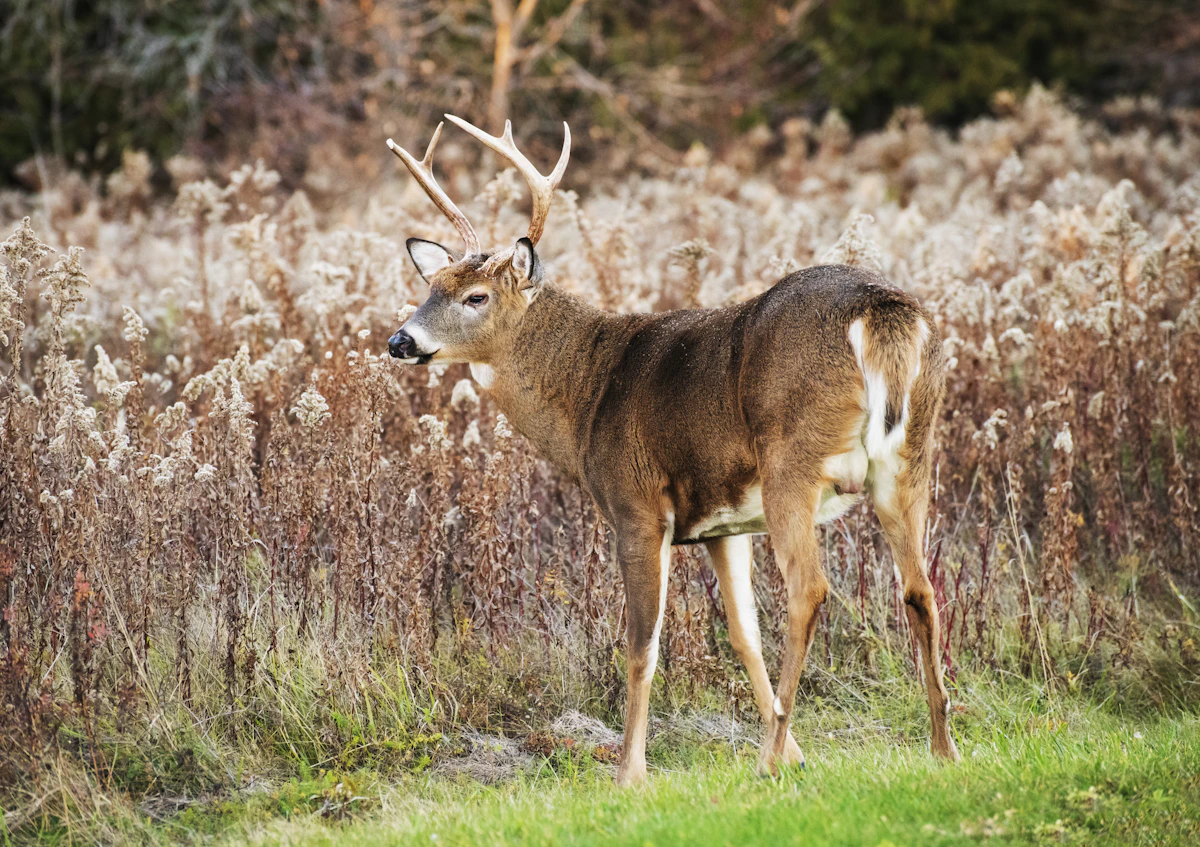
Guided Whitetail Deer Hunts 2027: Outfitters, Hunt Options & Costs
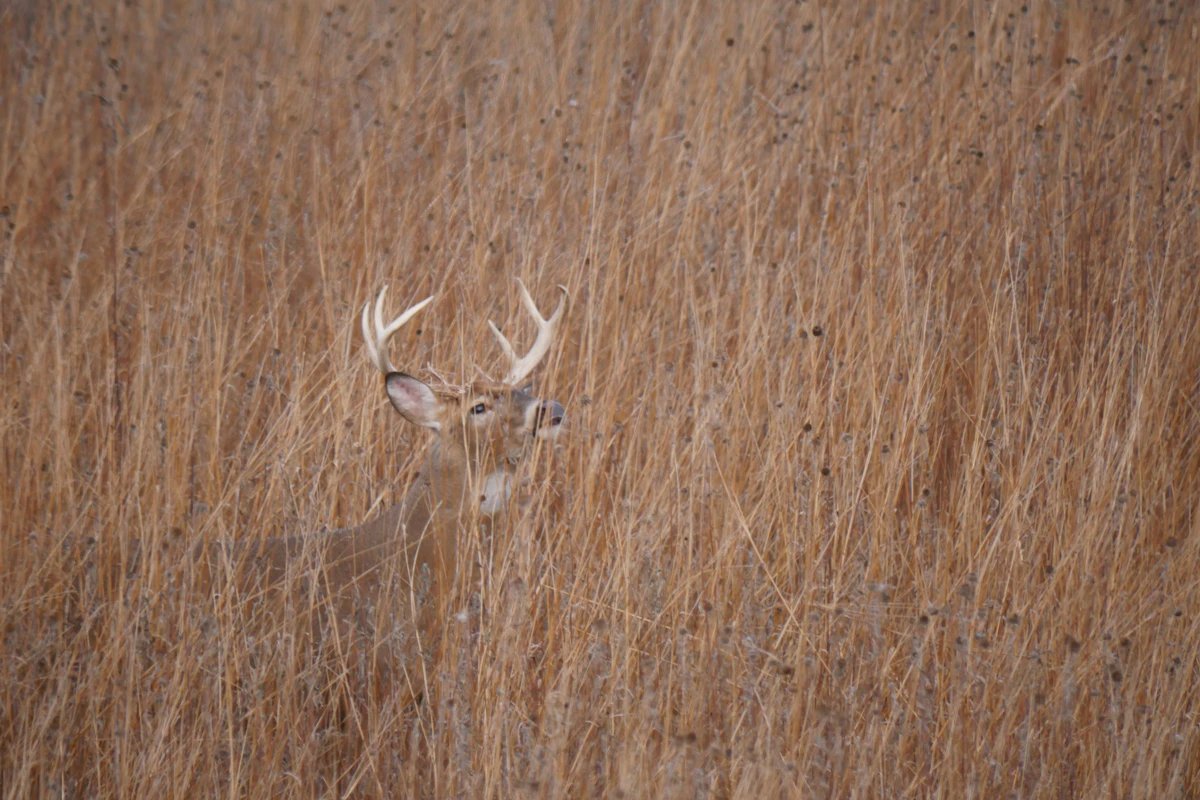
If you're planning a guided whitetail hunt for 2027, you're walking into one of the most regulated and competitive corners of big-game hunting. Eight top whitetail states-Kansas, Iowa, Illinois, Missouri, Kentucky, Wisconsin, Ohio, and Texas-each run different licensing systems, from preference-point draws in Kansas and Iowa to walk-up over-the-counter sales in Missouri and Texas. Nonresident permit fees range from around $200 to nearly $500, guided hunts typically cost $3,000-$5,000, and access to prime ground depends as much on the outfitter's lease portfolio as on your tag luck. This guide breaks down the 2026 season data (the latest confirmed numbers), explains how each state's system works, and lays out what to ask a guide before you book.
Which states require a draw for nonresident whitetail tags, and which sell over-the-counter?
Draw or lottery required: Kansas, Iowa, Illinois (firearm and muzzleloader; archery lottery shifts to OTC if permits remain).
Over-the-counter: Missouri, Kentucky, Wisconsin, Ohio, Texas.
Kansas operates a pure preference-point lottery. Nonresidents apply once a year (April 1-24 in the 2026 cycle) and select a primary unit plus one adjacent unit, ranking up to four weapon choices. Points cost $25 and remain active for five years from your last purchase or application. If you draw, you pay the full permit fee; if not, you keep your points and get a refund minus the nonrefundable application fee.
Iowa's general deer and antlerless-only combo licenses are capped at 6,000 statewide in 2026, divided across ten zones with individual quotas. Applications open the first Saturday in May through the first Sunday in June (May 2-June 7 in 2026). Unsuccessful applicants automatically bank one preference point.
Illinois runs multiple lotteries. Lottery 1 (March 3-April 30 in 2026) is residents only. Lottery 2 (May 11-June 30) opens to residents not drawn in round one plus all nonresidents. Lottery 3 (July 13-August 21) accepts everyone. Leftover firearm or muzzleloader permits go on sale October 20 if any remain. Archery permits work differently: an online lottery runs June 1-30, then in-person sales begin August 3 as availability allows. Nonresidents can buy one archery combination permit per year.
What are the over-the-counter options?
Missouri, Kentucky, Wisconsin, Ohio, and Texas all sell nonresident whitetail permits without a draw. You buy the license online or at a vendor and hunt when the season opens. Missouri's nonresident any-deer firearms permit costs $360 in 2026, the archer's permit another $360, and antlerless permits $34 each after you've purchased one any-deer or archery permit. Kentucky charges $169.12 for a nonresident annual hunting license and $248.40 for a statewide deer permit covering up to four deer (one antlered, three antlerless or all antlerless). Wisconsin's gun, archery, and crossbow licenses each run $200. Ohio's either-sex permit is $218.40 plus the $180.96 annual hunting license. Texas requires only the nonresident general hunting license at $315; your three tags (numbers 8, 9, and 10 on the license) can take buck or doe, but using one on a doe forfeits your buck allowance that season.
What do nonresident whitetail permits cost in 2026, and what else do I need to buy?
All fees below are for the 2026 hunting season. No state has released 2027 numbers yet.
Kansas: Nonresident whitetail permit $475 (includes $25 application fee); nonresident hunting license $125. The April 13, 2026 press release from KDWP lists $477.50 for the permit and $127.50 for the license, slightly higher than the permit page's figures. The difference appears to come from rounding transaction fees. A mule deer stamp adds $150 if you draw a mule deer permit. Bag limit: one whitetail (buck/doe/fawn) plus one antlerless whitetail.
Iowa: General deer/antlerless combo $498; hunting license $131; habitat fee $15. Preference points cost $60.50. Unsuccessful applicants get refunds by check minus the point fee and application charges. The 6,000 total statewide licenses are capped; bow licenses are capped at 35% of each zone's quota.
Illinois: Firearm or muzzleloader either-sex permit $300 each; archery combination permit (one either-sex plus one antlerless-only tag) $411. Antlerless-only permits run $25.50 if you already hold an either-sex permit, or $100.50 standalone. License and habitat stamp costs were not confirmed in the research. Max one nonresident combo archery permit per year.
Missouri: Firearms any-deer $360; archer's hunting permit $360. Antlerless permits $34 each (you must first buy the any-deer or archery permit). Only two antlered deer total across archery and firearms. Landowner permits exist at $225.
Kentucky, Wisconsin, Ohio and Texas
Kentucky: Nonresident annual hunting license $169.12; statewide deer permit (four deer) $248.40; additional deer permit (two deer) $15.86. One antlered statewide limit. Fees are now indexed to CPI; 2026-27 stayed flat from the prior year.
Wisconsin: Gun, archery, or crossbow license $200 each. The gun license includes one buck harvest authorization valid statewide during firearm seasons except antlerless-only hunts. Bonus antlerless authorizations cost $20 each. A nonresident sports combo (fishing, small game, gun deer) is $295.
Ohio: Either-sex deer permit $218.40; nonresident annual hunting license $180.96. Deer management permits (antlerless only) cost $15. One antlered deer per season. The statutory base fee for a nonresident deer permit is $210 under Ohio Revised Code §1533.11 (effective September 30, 2025), but the selling price is $218.40 after transaction fees.
Texas: Nonresident general hunting license $315 (no separate deer permit). Tags 6 and 7 are antlerless-only; tags 8 through 10 can take buck or doe. Using tags 8-10 on antlerless forfeits your buck allowance that season. Effective August 3, 2026, all buyers age 17 and older must appear in person with photo ID or have their ID independently validated if purchasing online.
When are the 2026 application deadlines and season dates?
All dates below are for the 2026 hunting season. 2027 calendars are not published yet.
Kansas: Application period April 1-24, 2026. Preference points can only be purchased during the application window.
Iowa: Application window opens the first Saturday in May and closes the first Sunday in June (May 2-June 7 in 2026). Gun Season 1 runs December 5-9; Gun Season 2 December 12-20. Archery runs October 1-December 4 and December 21-January 10, 2027. Muzzleloader season is December 21-January 10, 2027.
Illinois: Lottery 1 (residents only) March 3-April 30. Lottery 2 (residents not drawn plus nonresidents) May 11-June 30. Lottery 3 (all) July 13-August 21. OTC sales of remaining permits begin October 20. Archery lottery June 1-30; in-person sales from August 3 if permits remain. Firearm season November 20-22 and December 3-6. Archery October 1-November 19, November 23-December 2, December 7-January 17, 2027 in firearm counties.
Missouri: Over-the-counter year-round. Firearms any-deer season November 27-29. Archery September 15-November 13 and November 25-January 15, 2027.
Kentucky: Over-the-counter. Licenses are valid March 1, 2026 through February 28, 2027.
Wisconsin: Over-the-counter. Licenses valid April 1 through March 31.
Ohio: Over-the-counter. Season runs September 26, 2026 through February 7, 2027. Disease surveillance area opens September 12.
Texas: Over-the-counter. Archery season October 3-November 6, 2026. General North zone November 7, 2026-January 3, 2027. General South zone November 7-January 17, 2027. Youth-only October 30-November 1. Special late seasons North January 4-17, South January 18-31. Muzzleloader January 4-17, 2027 in selected counties.


Free to join
Download mobile app
- Detailed draw odds
- Point tracking
- Deadline reminders
- 19 states covered





Free to join
Download mobile app
- Detailed draw odds
- Point tracking
- Deadline reminders
- 19 states covered






Free to join
Download mobile app
- Detailed draw odds
- Point tracking
- Deadline reminders
- 19 states covered

What should I ask a whitetail outfitter before I book?
Guided whitetail hunts vary wildly in structure, land access, and guarantee language. Ask the following questions before you commit a deposit.
Licensing and insurance
Does the outfitter hold a valid state guide or outfitter license? Not all states require one for deer guiding, but some do. Ask for the license number and verify it with the state wildlife agency. Does the operation carry liability insurance? If you'll hunt public land, does the outfitter have the required permits?
Land and pressure
How many total acres does the operation control? Is it owned, leased private, or guided on public? How many hunters per property per season? How many stands or blinds? Are you hunting a managed property with harvest restrictions, or is it walk-in public where anyone can show up?
Tag logistics
Who purchases the nonresident deer permit-you or the outfitter? In draw states like Kansas or Iowa, what happens if you don't draw? Does the outfitter refund your deposit, transfer it to a future season, or offer a replacement hunter slot?
Package details
How many days do you hunt? Is the guide ratio one-to-one, or do you share a guide with other clients? Does the package include lodging, meals, field dressing, meat and cape care, transport to a processor, and delivery to your vehicle? Are trophy fees or score-based surcharges part of the contract? Do rut-timing hunts cost more?
Money terms
What percentage deposit? When is the balance due? What are the cancellation windows and refund terms? Can you transfer your booking to another hunter? Does the contract address force majeure (weather, CWD closures, state regulation changes)? What is the expected gratuity amount?
Harvest rules and wounded-animal policy
Does the property enforce age or antler restrictions beyond state law? If you wound a deer and it crosses onto neighboring land, does the guide help track, or are you on your own? Is there a no-guarantee clause? Most outfitters do not promise a kill; read the language carefully.
Success rates and references
Ask for the past two or three seasons' hunter numbers and harvest percentages. Request contact information for recent clients. State agencies do not publish guided-hunt success data, so client references are your only verification.
How much do guided whitetail hunts cost?
Guided whitetail deer hunts in Midwest U.S. states typically cost $3,000 to $5,000 for a multi-day package. This estimate comes from a secondary source (HuntPay trip-cost guide, undated page accessed October 22, 2026) and is not an official agency figure. The range reflects differences in lodging quality, guide ratio, land exclusivity, and whether the outfitter includes meals, processing, and transport.
Add your nonresident permit and license fees on top. Kansas requires a nonresident hunting license ($125) plus the whitetail permit ($475). Iowa charges $498 for the general deer/antlerless combo, $131 for the hunting license, and $15 for the habitat fee. Missouri's any-deer firearms permit is $360. Texas charges $315 for the general hunting license that includes your tags. Budget at least $200-$500 for the permit side before you pay the outfitter.
How do preference points and draw odds work in Kansas and Iowa?
Kansas: The state operates a pure preference-point system. You apply once a year during the April window, select a primary unit and one adjacent unit, and rank up to four weapon choices (archery, muzzleloader, firearm). Each unsuccessful application earns one preference point. You can also buy a point without applying (costs $25 during the application period). Points remain valid for five years from your last point purchase or application.
Kansas does not publish detailed unit-by-unit draw odds for nonresidents. The system awards permits to the highest point-holders first within each unit and weapon category. If demand exceeds supply, the cutoff point shifts each year depending on how many applicants entered and how many points they held.
Iowa: The state caps nonresident general deer and antlerless-only combo licenses at 6,000 total in 2026, split across ten zones. Bow licenses are capped at 35% of each zone's quota. When applications exceed the quota, Iowa runs a preference-point drawing. Each unsuccessful application adds one point. Points cost $60.50. Applicants are ranked by points, and the highest scorers get permits until the zone quota is met.
Zone-specific demand varies. A popular zone might see intense competition and require multiple points, while a less-hunted zone could draw out at zero or one point. Iowa publishes a nonresident deer draw statistics PDF after each season. Check Iowa DNR's nonresident draw page for the latest odds table.
Free to join
Download mobile app
- Detailed draw odds
- Point tracking
- Deadline reminders
- 19 states covered
Free to join
Download mobile app
- Detailed draw odds
- Point tracking
- Deadline reminders
- 19 states covered
Free to join
Download mobile app
- Detailed draw odds
- Point tracking
- Deadline reminders
- 19 states covered
Do I need to hire a guide, or can I hunt on my own?
You do not legally need a guide in any of the eight states covered here for whitetail deer. All are open to self-guided nonresident hunting if you buy the permit and find legal access. The question is whether you can locate huntable private ground or navigate pressured public land well enough to succeed.
Finding private land access
Most prime whitetail country in Kansas, Iowa, Illinois, Missouri, and Kentucky is privately owned. Knocking on doors (door-knocking or cold-calling landowners) can work, especially if you're willing to help with farm chores, bring references, or offer a small lease payment. Success varies. Some landowners welcome respectful hunters; others have exclusive outfitter contracts or simply prefer not to deal with strangers. Start early (months before season) and be prepared for rejection.
Public land hunting
Every state offers public hunting areas, but quality and pressure levels differ. Iowa's state wildlife management areas and federal refuges see heavy use during gun seasons. Kansas walk-in hunting access (WIHA) properties provide scattered opportunity but are widely known and can be crowded on weekends. Illinois and Missouri have state forests and conservation areas; Ohio and Wisconsin manage state forests, wildlife areas, and national forest parcels. Texas public land is extremely limited; most hunting is private. Public land whitetail hunting demands scouting, early-season reconnaissance, and the ability to tolerate other hunters in the same drainage or timber block.
Why hire a guide?
Outfitters control private leases where you won't see another truck, manage stand placement to intercept rutting bucks, and handle logistics (lodging, meals, meat care). If you live out of state, don't have months to scout, or want higher odds of seeing mature deer, a guide buys you efficiency and access. If you're comfortable with research, e-scouting, landowner negotiation, and sharing the woods with other hunters, self-guided is cheaper and more flexible. For detailed tactics on reading whitetail sign and setting up blinds, see Reading Whitetail Sign: A Complete Field Guide for Deer Hunters and Ground Blind Hunting Tips for Whitetail and Mule Deer.
Are there landowner permits or special draw categories?
Kansas: No separate landowner category found in the 2026 data.
Iowa: No nonresident landowner preference found.
Illinois: A nonresident landowner program exists, but details on eligibility, fees, and application process were not confirmed in this research.
Missouri: Nonresident landowner deer permits cost $225 in 2026, cheaper than the standard $360 any-deer or archery permits. You must own land in Missouri and meet acreage or tax requirements; verify specifics with Missouri Department of Conservation.
Kentucky: Nonresident landowners must buy the standard nonresident hunting license and deer permit. No discount or special category.
Wisconsin, Ohio, Texas: No nonresident landowner preference or special permit category found.
If you own property in one of these states, call the wildlife agency to confirm current landowner rules before you assume you qualify for reduced fees or guaranteed tags.
Free to join
Download mobile app
- Detailed draw odds
- Point tracking
- Deadline reminders
- 19 states covered
Free to join
Download mobile app
- Detailed draw odds
- Point tracking
- Deadline reminders
- 19 states covered
Free to join
Download mobile app
- Detailed draw odds
- Point tracking
- Deadline reminders
- 19 states covered
What scouting and stand placement strategies work best for whitetail deer?
Whether you hire a guide or hunt on your own, understanding whitetail behavior and terrain is critical. Mature bucks move differently than does and yearlings, especially during the rut. E-scouting tools (satellite imagery, topographic maps) help you identify funnels, bedding areas, and travel corridors before you ever step foot on the property. Once you're on the ground, look for fresh rubs, scrapes, and trails that indicate recent deer activity.
Choosing your setup
Stand placement depends on wind direction, entry and exit routes, and the distance you can shoot accurately. Bow hunters need closer setups and absolute concealment. Rifle hunters can cover more ground but still benefit from natural funnels that concentrate deer movement. If you're hunting public land, expect other hunters to push deer unpredictably; a back-up stand in a secondary drainage can save a hunt when pressure moves deer off their primary patterns.
Using cover and terrain
Whitetail deer rely on sight, scent, and sound to detect danger. Position your stand or blind downwind of expected deer travel routes, and use natural screening (cedars, brush piles, terrain breaks) to break up your silhouette. Morning hunts often favor stands near bedding areas, while evening setups target food sources or staging areas between bedding and feeding zones. Adjust your approach based on hunting pressure, rut phase, and recent weather patterns.
Plan Your Whitetail 2027 Hunt With TAGZ
Planning a nonresident whitetail hunt means juggling draw deadlines, point strategies, permit costs, and outfitter contracts across states with different rules. TAGZ helps you track application windows, compare tag fees, and organize your research in one place. Instead of bookmarking eight agency websites and hoping you remember Iowa's June deadline or Kansas's preference-point window, you can filter by state, species, and hunt type, then save the hunts you're targeting.
TAGZ doesn't guarantee you'll draw a Kansas archery tag or book the perfect Iowa rut hunt, but it does let you see all your options side-by-side and set reminders so you don't miss a deadline. If you're comparing OTC Missouri firearms to preference-point Iowa archery, or trying to decide whether Ohio's either-sex permit fits your budget better than Wisconsin's gun license, TAGZ gives you the numbers and the calendar in one dashboard.
Stop guessing. Start planning with TAGZ.
Official Whitetail Hunting Sources
- Kansas: KDWP deer hunting applications and fees, license and permit fees
- Iowa: Nonresident hunting licenses, 2026 nonresident deer draw statistics (PDF)
- Illinois: Deer firearm and muzzleloader hunting, deer archery information, 2026 hunting regulations (PDF)
- Missouri: Firearms any-deer permit, archery permit, deer permits overview
- Kentucky: License fees, deer hunting page, 2026-27 licenses announcement
- Wisconsin: Hunting licenses, nonresident information, deer licensing requirements
- Ohio: Hunting licenses and permits, hunting regulations (PDF), license statute (ORC §1533.11)
- Texas: Hunting licenses and permits, deer tagging instructions, 2026-27 hunting season dates, 2026-27 outdoor annual (PDF)
Last verified: October 22, 2026. All fees, quotas, and application dates are from the 2026 hunting season or 2026-27 license year. 2027 draw calendars, permit fees, and quotas are not yet published. Hunters must confirm 2027 requirements, dates, and costs directly with each state wildlife agency before applying or purchasing a license.
FAQ — Guided Whitetail Hunts 2027
Do I have to apply for a draw in every state for a nonresident whitetail tag? No. Kansas, Iowa, and Illinois require draws or lotteries; Missouri, Kentucky, Wisconsin, Ohio, and Texas sell OTC permits.
How much does a guided whitetail hunt cost in 2027? Guided hunts typically cost $3,000-$5,000 for a multi-day package (secondary-source estimate). Add permit and license fees on top.
What should I ask an outfitter before I book a whitetail hunt? Ask for state guide license number, liability insurance proof, land details, who buys the tag, what happens if you don't draw, cancellation terms, and client references.
Can I hunt whitetail deer on public land without a guide? Yes. All eight states allow nonresident self-guided hunting on public land if you buy the required permit.
When do I need to apply for a 2027 nonresident whitetail permit? 2027 calendars are not published yet. Based on 2026 patterns, expect Kansas applications in April, Iowa in May-June, Illinois lotteries March-August.
Was this article helpful?
Previous
Questions to Ask Before Booking a Desert Bighorn Sheep Hunt
Essential questions to ask before booking a desert bighorn sheep hunt, covering outfitter verification, costs, hunt details, physical demands and state-specific requirements across seven western states.
Related
California Guided Blacktail Deer Hunts 2027: Tags & Costs
California blacktail deer hunts require either a general-season over-the-counter tag or a premium-draw tag; nonresidents pay $602.81 for license and tag, with guided costs set by outfitters.
Next
Kansas Nonresident Deer Draw Guide 2027
Kansas nonresident whitetail permits are awarded by lottery each April; all units drew at zero points in 2026; quotas varied from 228 to 3,564 either-sex permits across 18 units.