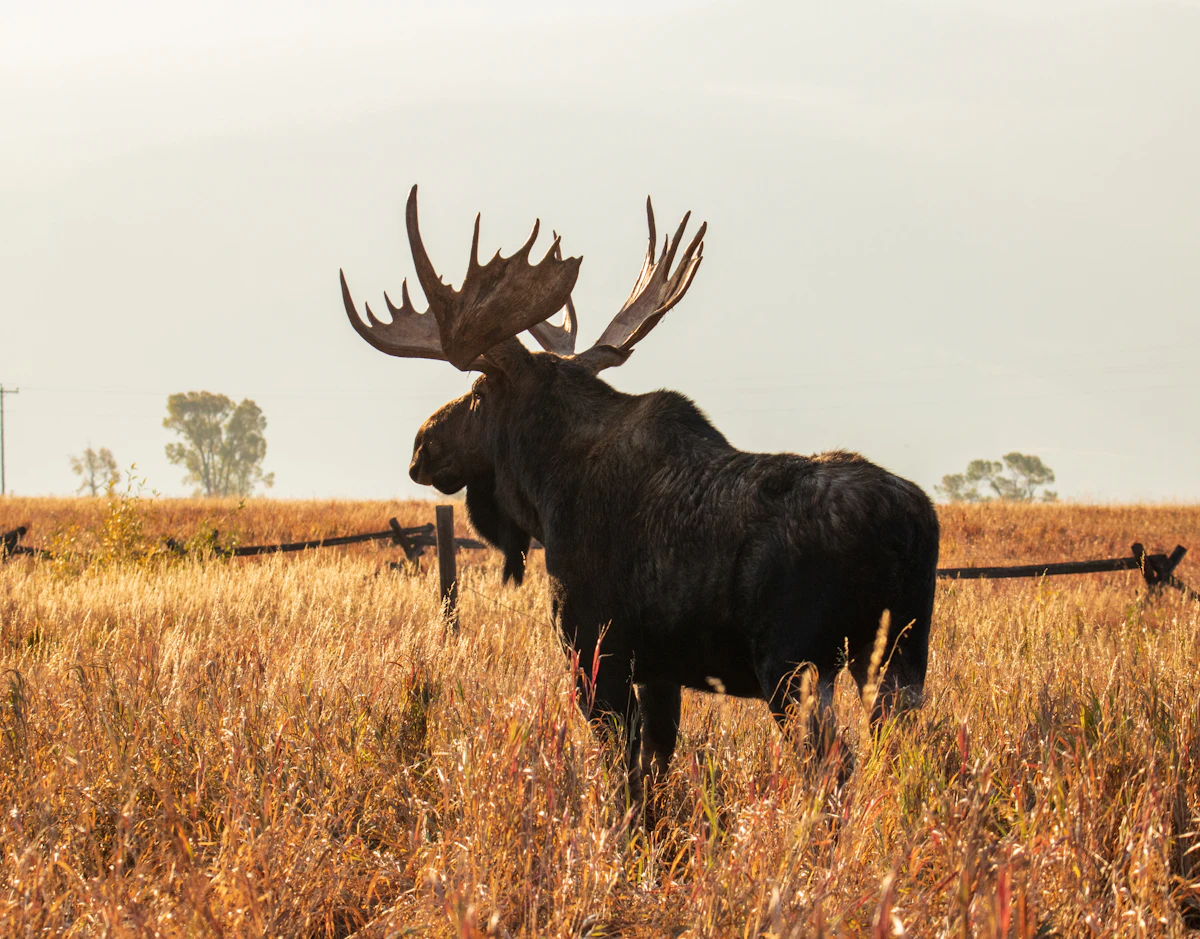
Long Range Shooting for Hunters — Accuracy, Ethics & Elk Hunting
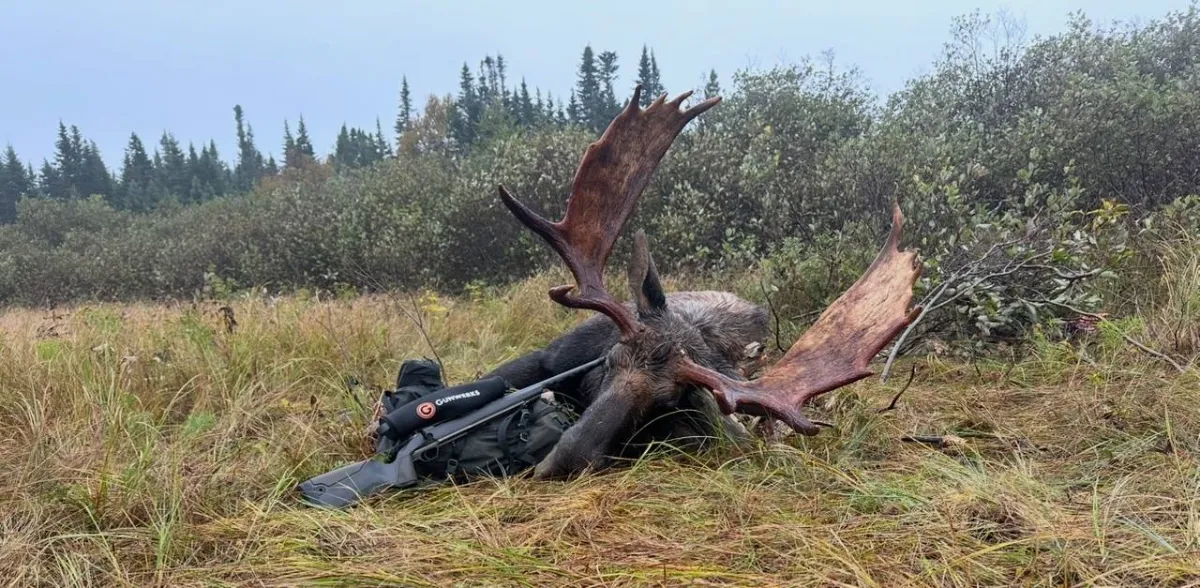
Few topics create more debate in the hunting world than long range shooting. Some hunters believe modern equipment has made 700-yard shots routine, while others believe anything beyond 300 yards is irresponsible, and the truth lies somewhere between those extremes. Modern rifles, optics, rangefinders, and ammunition have dramatically increased what's technically possible, but what's possible on a shooting range and what's ethical on a live animal are often two very different things. The goal of hunting isn't simply hitting an animal, it's making a quick, clean, ethical kill, and that requires understanding your limitations just as much as your equipment.
What long range really means
The definition varies depending on who you ask, with some hunters calling 300 yards long range and others reserving the term for 500, 600, or 700-plus, but for most western hunters it begins around 400 yards, the point where wind, ballistics, and shooting position all start to matter more and the margin for error shrinks. Western terrain is what drives those longer shots, because open basins, alpine country, sage flats, burn scars, and large meadows let hunters see animals at distances measured in miles, unlike eastern forests, and the real challenge becomes deciding whether those opportunities should be taken. The biggest misconception is that long range success is about equipment, but it isn't, because a hunter with a custom rifle, premium optics, and expensive ammunition can still miss if they don't understand wind, ballistics, shooting positions, and range estimation. The rifle doesn't make the shot, the hunter does.
Wind, practice, and positions
Most hunters focus on bullet drop, but drop is the easy part that modern rangefinders and ballistic apps solve quickly; wind is what separates average shooters from exceptional ones, since a small wind-reading error can mean a miss, a poor hit, or a wounded animal, and as distance increases wind becomes the primary challenge, to the point that a 500-yard shot in calm conditions is often easier than a 300-yard shot in unpredictable wind. Practice matters more than gear, yet many hunters spend thousands on equipment and then shoot only a box of ammunition and a couple of range sessions before season, which isn't enough; long range hunters should practice frequently, in different weather, from field positions, and under realistic conditions, because real-world shooting is very different from a bench. Elk rarely stand next to shooting benches, so most hunting shots come off bipods, packs, tripods, rocks, and hillsides, and hunters should spend significant time practicing from these positions, since the best shooting position is often simply the one available in the moment. On optics systems, both MOA and MIL work, and the important thing is learning one thoroughly, because many missed opportunities come from forgetting adjustments, misreading data, or confusing measurements, so consistency matters more than the system itself.
Rifles and calibers for long range elk
A good hunting rifle should be reliable, accurate, comfortable, and consistent in all weather, and the good news is that many modern factory rifles deliver exceptional accuracy out of the box, so the days of needing a custom rifle are largely gone, though the best rifle is still the one that fits you, shoots accurately, functions every time, and gives you confidence when an opportunity presents itself. Among the popular options, Gunwerks builds complete premium long-range systems around precision rifles, ballistic software, training, and optics integration for dedicated western hunters willing to invest, while the Howa 1500 is one of the best values in the industry, an underrated, reliable, accurate, affordable choice for budget-conscious and DIY hunters. Fierce Firearms has grown popular with lightweight carbon-barreled mountain rifles and accuracy guarantees for backcountry and weight-conscious hunters, and Christensen Arms helped bring carbon-fiber barrels mainstream with the Ridgeline, Mesa, and Modern Precision Rifle, with the Ridgeline among the most commonly seen rifles in modern elk camps. Savage Arms built its reputation on accuracy, offering excellent value, strong out-of-the-box performance, adjustable AccuTriggers, and wide caliber selection on the respected 110 platform, while the Seekins Precision Havak has become one of the most respected western rifles for its exceptional actions, reliability, lightweight build, and precision. The Remington 700 remains one of the most successful rifles ever produced thanks to proven reliability, massive aftermarket support, and easy customization, and the CVA Cascade has quickly become one of the best values available, shooting far more accurately than its price suggests. These rifles are commonly chambered in 7 PRC, 7mm Remington Magnum, .300 Winchester Magnum, .300 PRC, and .30-06 Springfield, all capable of cleanly harvesting elk with proper bullets and shot placement, as covered in our best rifle calibers guide. Ultimately the rifle doesn't make the hunter, because someone who practices regularly with a Howa, Savage, Remington, CVA, Christensen, Fierce, Seekins, or Gunwerks will consistently outperform a hunter who rarely shoots; equipment matters, but practice matters more, and the best rifle is the one you know inside and out when that bull finally steps into range. Optics are equally critical, helping you identify animals, evaluate conditions, and make accurate adjustments, and you can't make ethical decisions if you can't clearly see what you're shooting, which is why we cover glass in our optics and glassing guide.
Ethics, reality, and getting closer
This is where things become personal, because every hunter must determine their own effective range by honestly asking whether they can consistently hit the vital zone under real hunting conditions, not on a perfect range, and if the answer is uncertain the shot probably shouldn't be taken, since ethics aren't determined by distance but by probability of success. Many hunters confuse maximum range, the farthest distance they've ever hit a target, with effective range, the farthest distance they can make a clean, ethical shot every single time, and those numbers are rarely the same. Despite the popularity of long-range content online, most elk are still killed inside 100, 200, or 300 yards, and the best hunters focus on stalking closer, using terrain, and improving positioning rather than stretching distance, because closing the gap usually increases success. The common mistakes are overestimating ability, ignoring wind, failing to practice enough, shooting from unstable positions, and depending entirely on equipment, while real improvement comes from repetition, data collection, and field experience, with trigger control, breathing, position building, and wind reading mattering at every distance. Long range shooting shouldn't be the goal, it's a tool: sometimes conditions make a longer shot necessary, sometimes getting closer is impossible, and other times the better decision is simply to close the distance, with the best hunters knowing when to do each. Getting within range starts with finding elk, which is where TAGZ helps, with unit research, terrain analysis, access points, pressure insights, and hunt plans built before the season, because better planning often creates better opportunities and shorter shots. See also our 7 PRC vs 7mm Rem Mag comparison and shot placement guide.
Was this article helpful?
Previous
7 PRC vs 7mm Rem Mag for Elk Hunting — Which Cartridge Is Better?
The 7mm Remington Magnum remains one of the most proven elk cartridges ever made, while the 7 PRC offers modern design advantages and exceptional long-range performance. Both are excellent choices for western hunters.
Related
Colorado GMU 61 Elk Hunting Guide
Colorado GMU 61 is a respected limited-entry elk unit where hunters need to manage expectations, pressure, and terrain instead of just the draw. This guide breaks down terrain, access, pressure, scouting, and practical elk strategy so hunters can build a realistic plan before committing time or points.
Next
How to Field Judge Moose — Complete Moose Scoring Guide
Field judging moose involves evaluating palm size, spread, brow tines, mass, and age characteristics. Understanding these factors helps hunters identify mature bulls and make better decisions in the field.