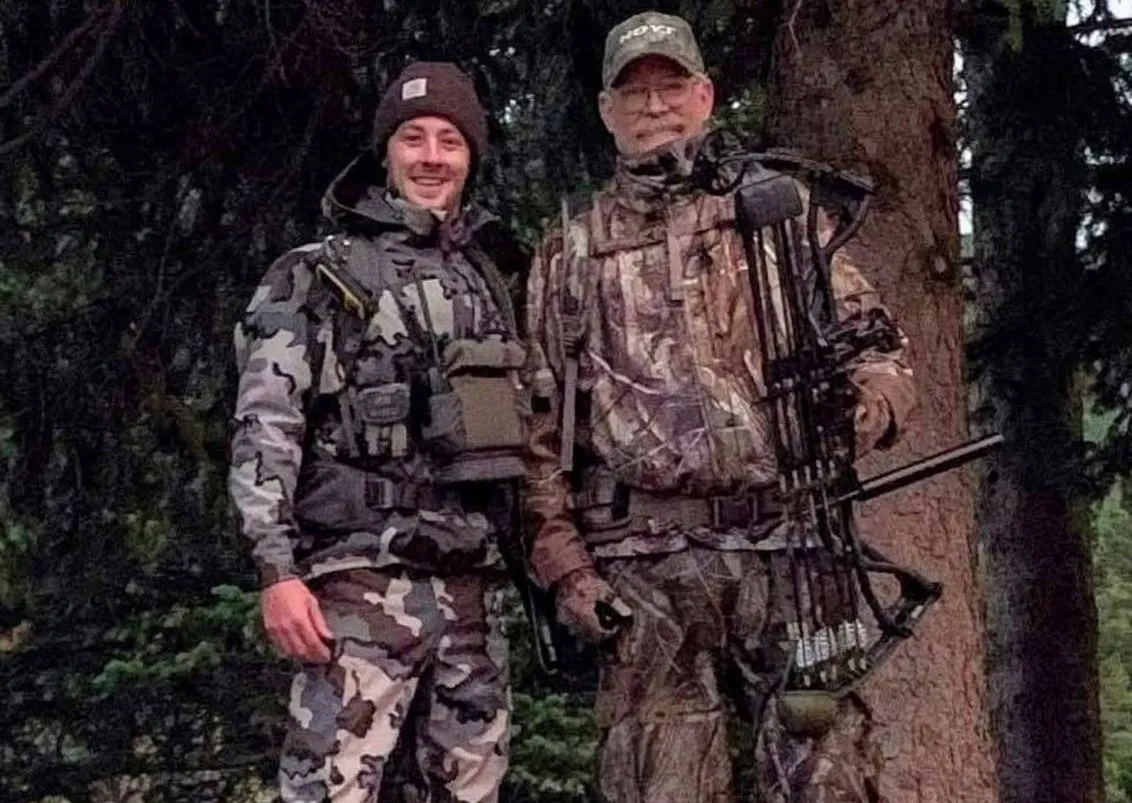
Every elk hunter eventually ends up behind glass asking the same question: how big is that bull? It's a hard one to answer honestly, because elk look completely different depending on terrain, distance, light, and their own body size. A bull that looks enormous at a thousand yards can turn out average, and a plain-looking bull can tape out at 340. Field judging is a skill that takes years to sharpen, but a handful of reference points will get you close enough to make the only decision that matters in the moment: stalk, or pass.
What actually creates score
A Boone and Crockett gross score comes from four things added together: main beam length, tine length, mass, and inside spread. You're never going to put a tape on a bull through binoculars, so the whole game is comparing his antlers against known references and understanding what each tine contributes. Most western hunters break the rack down into the brow tine (the G1) up through the G5, and on bigger bulls the G6 and any extras.
Reading the tines
Work your way up the antler. Good brow tines run 10 to 15 inches, and anything past 16 is one of the first signs of a mature bull. The G2 is usually the longest point and the biggest score-maker, where 12 to 15 inches is average, 16 to 18 is good, and the 20-plus "swords" hunters rave about live here. The G3 carries a lot of the load too, from 10 to 14 inches on an average bull up past 18 on an exceptional one. The G4 is often where younger bulls fall apart, dropping from a solid 13 to 15 inches down to almost nothing. G5s get overlooked but climb score quickly when they reach into the teens, and when a bull carries true G6s, you're usually looking at an older age class.
Beams and mass beat width
Main beams are the foundation: mature bulls run 45 to 50 inches, good bulls stretch 50 to 55, and the giants push past 60. Mass is the most underrated category of all, adding inches at every measurement and quietly stacking 20 to 30 points onto a bull that doesn't look flashy. Spread is what everyone fixates on, and it's usually the mistake. A 30 to 40 inch inside spread is typical for a mature bull, and while a wide rack catches your eye, a heavy bull with long points almost always outscores a wide, light one.
Swords, whale tails, and age
Two terms worth knowing: swords are those long sweeping G2s, and whale tails are G4s and G5s that flare out so dramatically the bull looks huge from behind. Both usually point to a mature, high-scoring animal. But score and age are not the same thing. A young bull can score well and an old bull can score modestly. Mature bulls give themselves away with blocky heads, dark faces, heavy shoulders, thick necks, pot bellies, and slower, more deliberate movement.
Free to join
Download mobile app
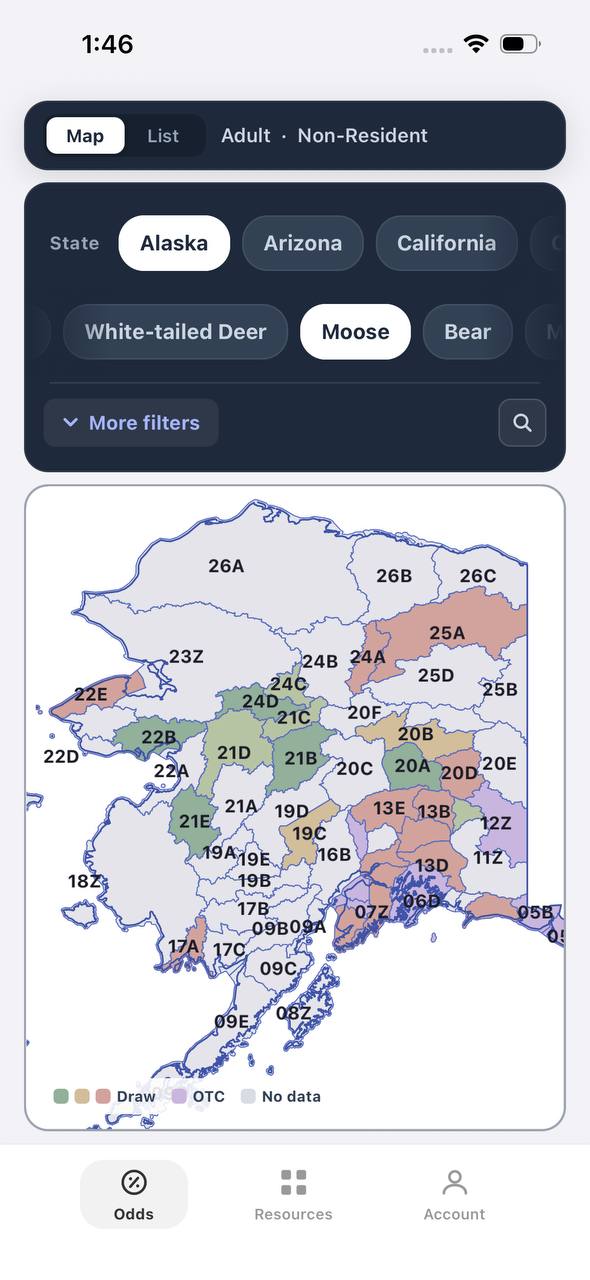
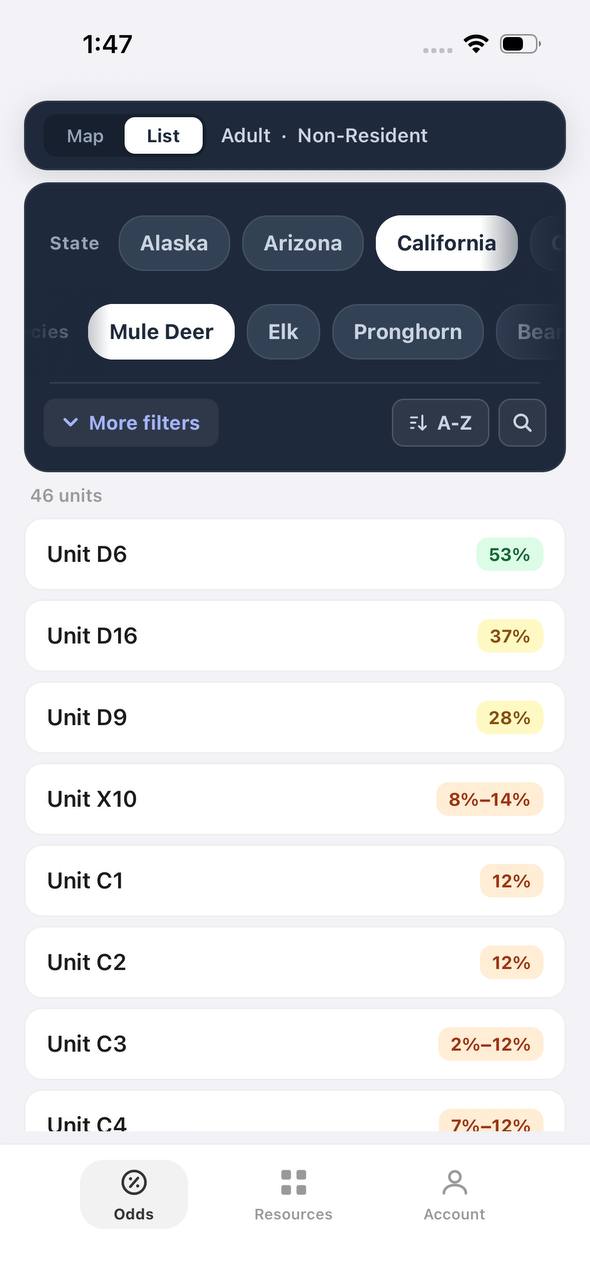
- Detailed draw odds
- Point tracking
- Deadline reminders
- 18 states covered


Free to join
Download mobile app
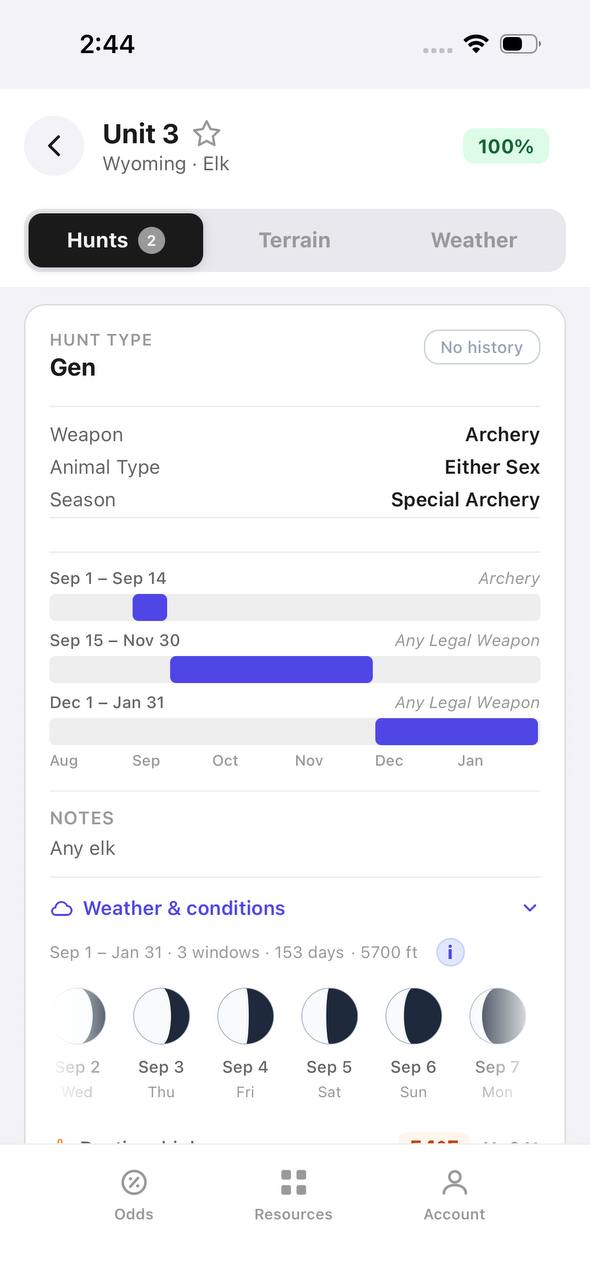
- Detailed draw odds
- Point tracking
- Deadline reminders
- 18 states covered
Free to join
Download mobile app
- Detailed draw odds
- Point tracking
- Deadline reminders
- 18 states covered

What the numbers look like on the hoof
A 280-inch bull is a respectable, mature animal and a great first elk. Three hundred is the benchmark most western hunters treat as a genuine trophy: a strong six-by-six frame with decent mass and balance. By 320 a bull starts standing out immediately, with long G2s and better beams. A 340 is the truly mature animal a lot of hunters chase for years, and a 360 looks like a giant even to someone who has never scored a bull in their life. Anything past 380 is world-class, the kind of elk most hunters will never lay eyes on in the wild.
Use the bull's own body
The fastest way to estimate inches is to compare antler against parts of the bull you already know. An elk's ear is roughly 7 to 8 inches, ear tip to ear tip runs about 20 to 22 inches, and the nose is around 10 inches. Lay those against the tines and the spread and you'll judge far more accurately than guessing cold.
Don't get lost in inches
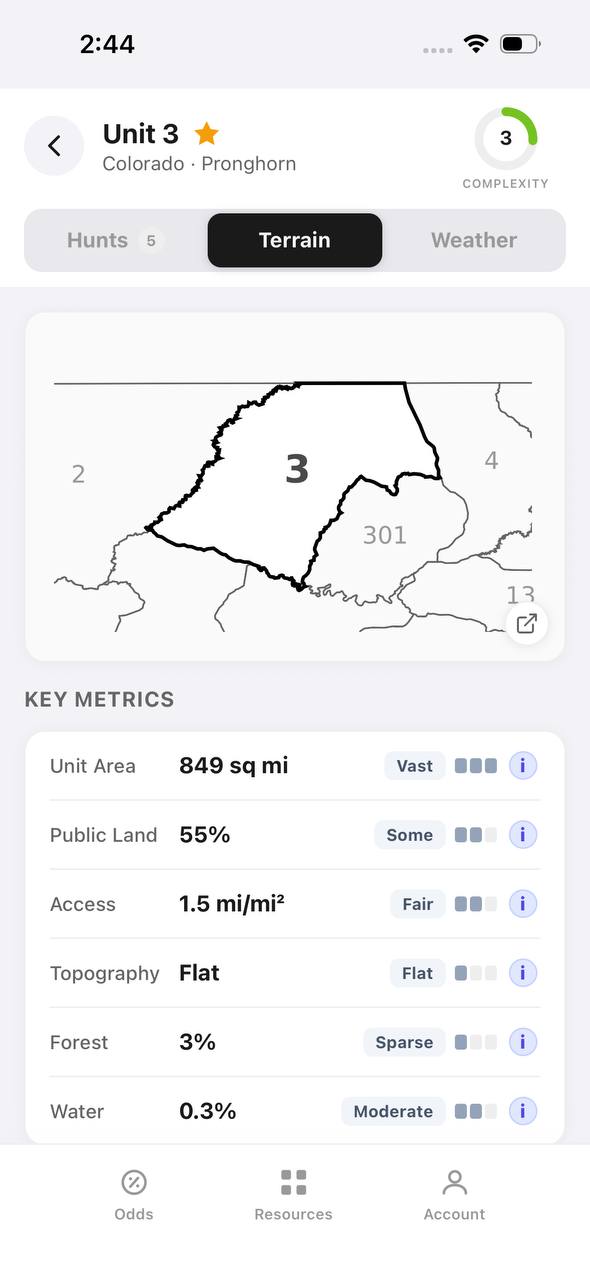
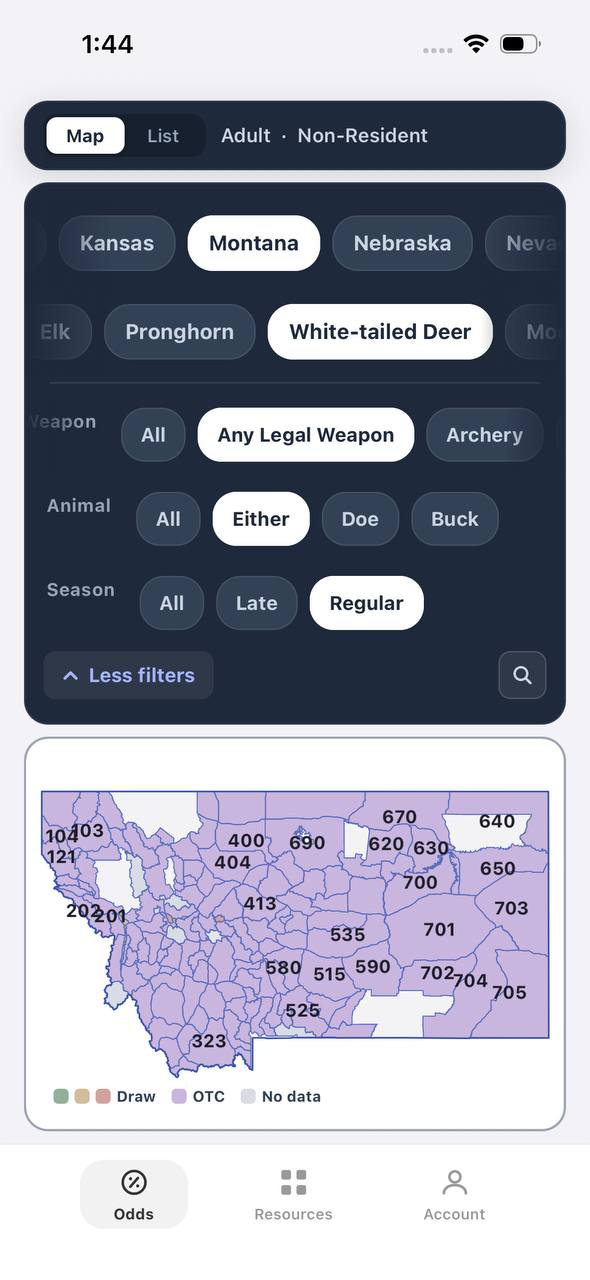
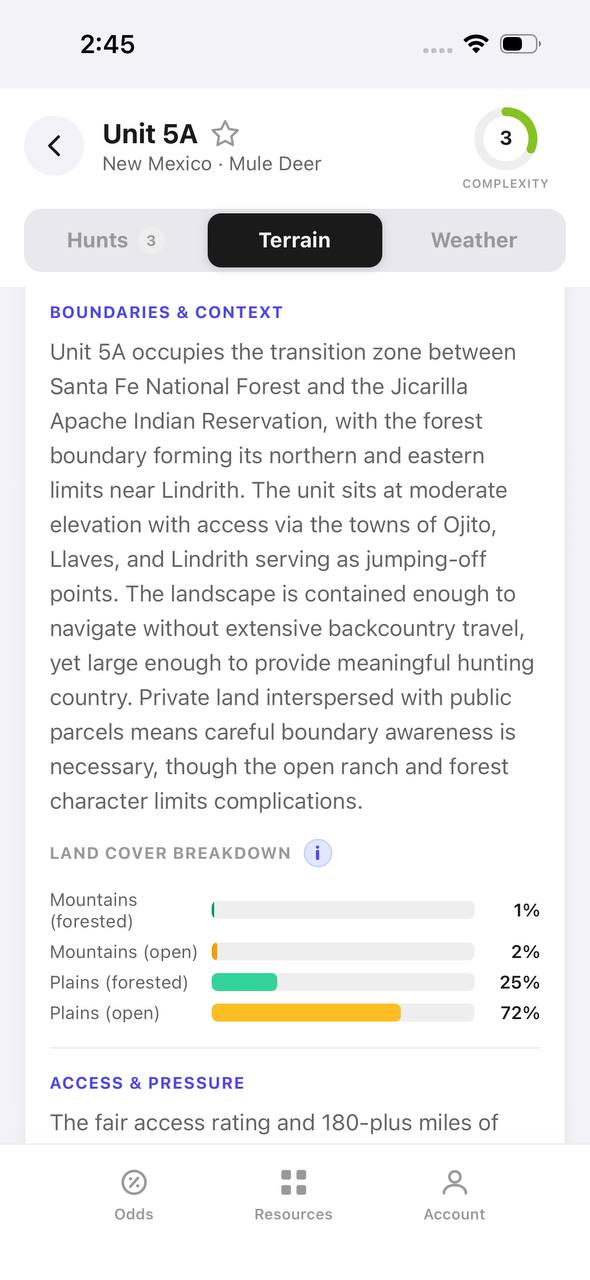
The most common field-judging error isn't bad math, it's excitement, which adds inches faster than genetics ever could. Hunters overestimate width, ignore mass, fixate on points, and talk themselves into bulls. Slow down, work through the rack in order, and remember that a mature public-land bull represents years of scouting and applications. A 280 earned on public ground can mean every bit as much as a 340 anywhere else. Finding those bulls starts long before opening day, and that's where a tool like TAGZ earns its place, helping you research units, draw odds, and pressure so you're in the right country when a bull finally steps out.
Was this article helpful?
Previous
How to Field Judge Mule Deer — Complete Mule Deer Scoring Guide
Field judging mule deer involves evaluating frame, fork depth, width, mass, and age to estimate whether a buck scores 140, 160, 180, or even 200 inches. Understanding these characteristics helps hunters make better decisions in the field and identify truly mature trophy bucks.
Related
How to Field Judge Grizzly Bears — Complete Grizzly Hunting Guide
Field judging grizzly bears focuses on identifying mature boars through shoulder hump development, head shape, ear size, body proportions, and overall maturity. Understanding these indicators helps hunters accurately evaluate trophy potential in the field.
Next
Colorado GMU 61 Elk Hunting Guide
Colorado GMU 61 is a respected limited-entry elk unit where hunters need to manage expectations, pressure, and terrain instead of just the draw. This guide breaks down terrain, access, pressure, scouting, and practical elk strategy so hunters can build a realistic plan before committing time or points.