Best Optics for Elk Hunting — Binoculars, Spotting Scopes & Glassing Strategy
One of the biggest mistakes western hunters make is trying to hike their way into elk. Every year people show up out West convinced success comes from walking farther than everyone else, and sometimes it does, but most of the time it doesn't. The most consistent elk hunters share one trait: they're professional glassers who spend hours behind optics studying terrain, catching movement, and building a plan before they take a step. Good glass lets you cover entire mountain ranges with your eyes while saving energy and keeping pressure off the animals. Finding elk usually isn't about walking farther, it's about seeing farther.
Why optics matter so much out West
Western hunting is a different game. Where an eastern whitetail hunter might see 50 to 200 yards, western hunters routinely glass across big basins, open sage flats, timbered ridges, and alpine faces that stretch for miles. Without quality optics you're hunting blind, and the hunter who spots elk first almost always wins. That makes a good binocular, not a rifle, bow, or pack, the most valuable tool in the kit, because you can't kill what you can't find. The hunter who consistently locates elk creates opportunities, while the one who can't spends the week hiking.
Choosing binoculars
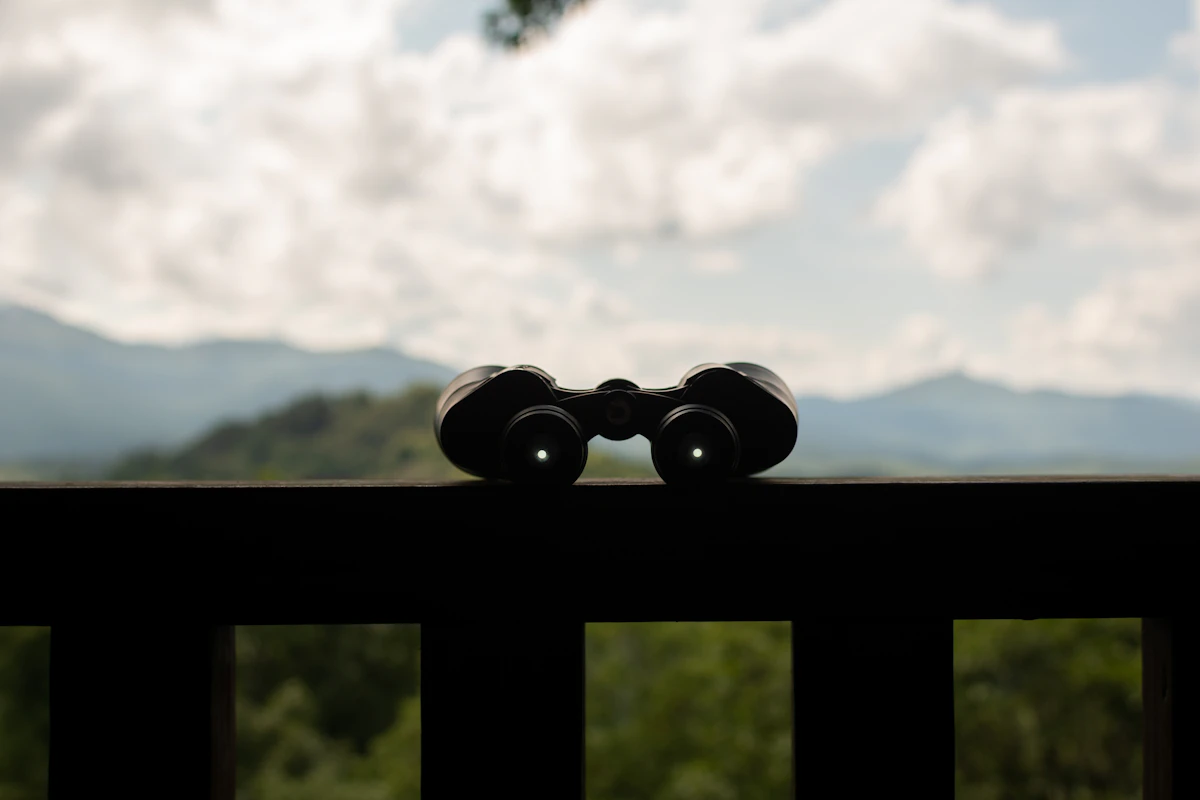
If you're building a western kit, binoculars come before almost everything, since you'll use them constantly to find animals, read terrain, save energy, and pick out feeding areas and travel corridors. An 8x42 offers a wide, steady field of view that's great for timber, archery, and dark country. The 10x42 is the most versatile option and the sweet spot most experienced hunters recommend, balancing power and field of view for nearly any western hunt, so if you own one binocular, make it this. A 12x50 adds detail and long-range reach for open country at the cost of weight and handheld steadiness, which is exactly why it shines on a tripod.
The tripod and the spotter
The single biggest glassing upgrade often isn't new binoculars, it's a tripod. Mounting your glass eliminates shake, increases detail, reduces eye fatigue, and reveals animals you'd otherwise miss, and many hunters are stunned how much suddenly appears. Whether you also need a spotting scope depends on the hunt. Spotters are extremely useful for trophy evaluation and long-range work on sheep, goats, and mule deer, but for elk specifically, most hunters locate animals with binoculars first and only use the spotter to confirm details, so unless you're hunting open country or trophy-focused units, binoculars remain the priority.
Glass like a professional
Most hunters glass too fast, and elk are masters of disappearing. You're rarely looking for a whole elk, you're looking for an antler tip, a leg, an ear, a flick of movement, or a patch of tan hair, so the best glassers move painfully slowly. Grid glassing is the method that works: break a face into sections, start at the top, work left to right, drop down slightly, and repeat, which keeps you from skipping country the way random scanning does. This discipline also saves energy, the most overlooked benefit of all. You can cover two miles with your boots or ten with your eyes, so find elk first, then move, instead of burning daylight and blowing animals out by hiking blind. Quality glass is worth it because it lasts ten or twenty years and pays off every season, and brands like Swarovski, Revic, Leica, Zeiss, Maven, Vortex, and Leupold all make excellent options, the rule being to buy the best glass you can realistically afford. Optics help you find animals; TAGZ helps you understand where to look, organizing unit research, terrain analysis, and hunt planning so you spend less time wandering and more time hunting.
Was this article helpful?
Previous
How to Find Elk on Public Land: Real Strategies for Western Hunters
Get a realistic, boots-on-the-ground approach to finding elk on public land, covering terrain, pressure, and practical tactics every hunter should know.
Related
Best Draw Weight for Elk Hunting — How Much Poundage Do You Need?
Most experienced elk hunters prefer draw weights between 60 and 70 pounds, but shot placement and arrow setup matter far more than poundage alone. The best draw weight is the one you can shoot accurately and confidently.
Next
Colorado GMU 54 Elk Hunting Guide
Colorado GMU 54 is a mountain elk unit where weather, migration, and hunting pressure can make the same drainage hunt completely different week to week. This guide breaks down terrain, access, pressure, scouting, and practical elk strategy so hunters can build a realistic plan before committing time or points.