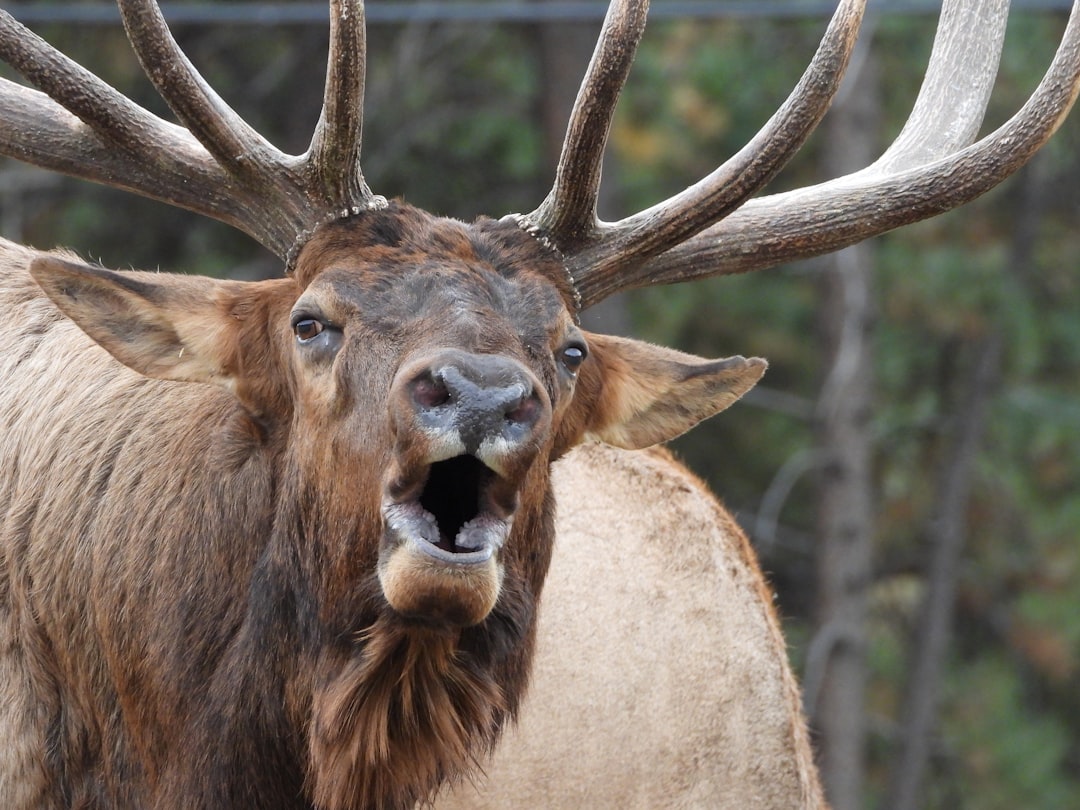
Location Bugles Explained: How to Find Bulls Without Spooking Them
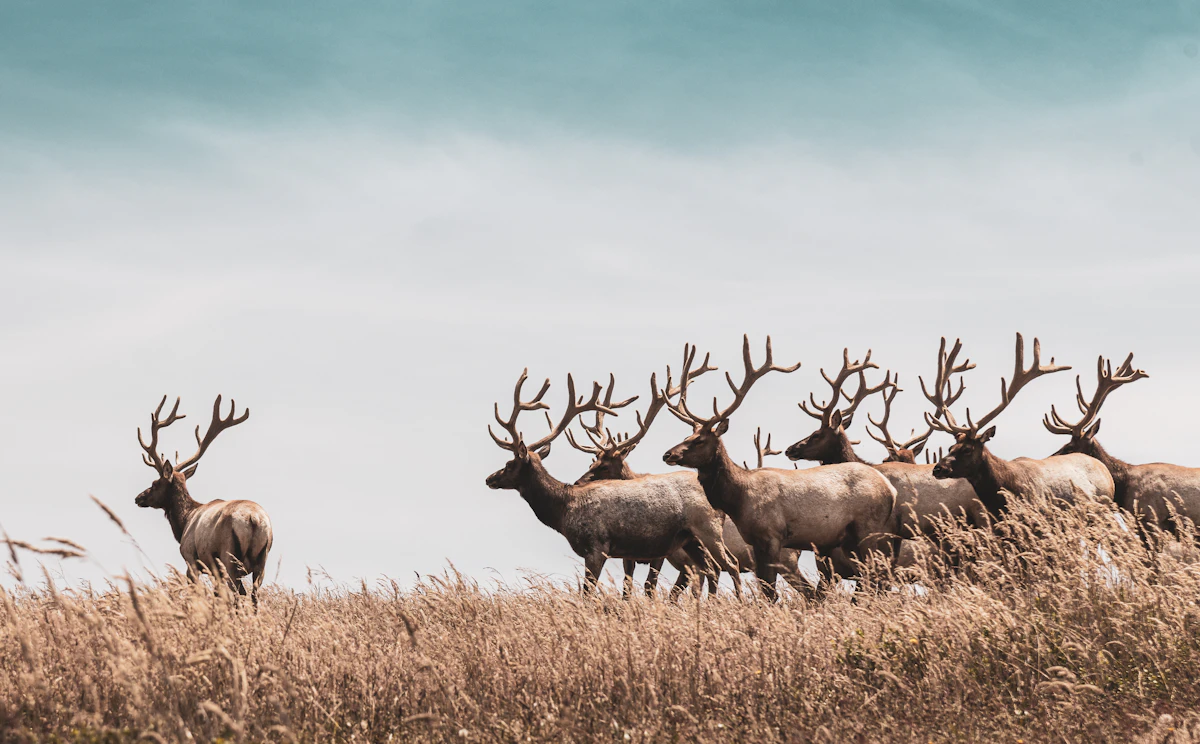
A location bugle is a scouting tool, not a challenge. Its sole purpose is to make a bull reveal his position so you can plan your approach. Used correctly, it saves hours of blind hiking and puts you in the game. Used poorly, it educates elk and shrinks your opportunities before the hunt even starts.
What Makes a Location Bugle Different
Every bugle carries information. A full-throated challenge bugle says you're a confident herd bull ready to fight. A location bugle says almost nothing — it's a neutral announcement that another elk exists somewhere in the drainage. Think of it as the vocal equivalent of a head nod across a crowded room.
The ideal location bugle is mid-volume, non-aggressive, and short. You're not trying to pull a bull toward you or provoke a response born of anger. You want a curious or reflexive answer that tells you where he's standing. Many hunters default to their loudest, most impressive bugle every time they call. That's a mistake when you're still in the information-gathering phase.
A simple single-note bugle lasting two to three seconds works well. Some hunters prefer a two-note sequence — a short lead tone followed by a slightly longer finishing note. Neither should include aggressive chuckling or drawn-out screaming that signals dominance. You're asking a question, not making a statement.
When to Use Location Bugles
Location bugles shine in three situations: early-morning darkness, midday lulls, and when you're hunting new country.
In the pre-dawn hour before legal shooting light, a location bugle can confirm that bulls are still using the basin you scouted. Hearing a response tells you the elk didn't relocate overnight and your game plan remains valid. This is also low-risk timing because you have an hour or more before you need to close distance — plenty of buffer if the bull decides to move off.
During midday, when elk are typically bedded and quiet, a location bugle can jumpstart the action. Bulls that ignored calling pressure all morning sometimes answer a single, non-threatening bugle simply because the woods have been silent for hours. If you're hunting solo and covering ground between glassing sessions, a midday location bugle lets you check timber pockets without hiking into every drainage blind.
In unfamiliar units, location bugles accelerate the scouting process. Rather than spending your entire first day searching for sign, you can bugle from ridgelines and let the elk tell you where they live. This approach works especially well on public land where analyzing draw odds might have landed you a tag in a unit you've never hunted.
The Right Volume and Cadence
Volume matters more than most hunters realize. A location bugle should carry far enough to reach distant basins but not so loud that it sounds like a mature herd bull defending cows. In open alpine country, dial it back — sound travels farther than you think at elevation with thin air. In thick timber with dampening vegetation, you can push a bit more air.
Cadence means the rhythm and pacing of your calling sequence. For location work, one bugle followed by several minutes of silence is the standard approach. If you don't get a response, move 200 to 400 yards and try again from a new vantage point. Resist the urge to bugle repeatedly from the same spot. Multiple bugles without movement starts to sound unnatural, and elk that heard you the first time will wonder why this bull isn't going anywhere.
Wait at least three to five minutes between location attempts. Bulls don't always answer immediately — some take 30 seconds to process what they heard, others wait to see if the intruder bugles again before committing. Patience during these pauses often produces late responses you'd miss if you were already hiking to the next ridge.
Common Mistakes That Educate Elk
The biggest error is using a location bugle when you're already close enough to hunt. If you're within 200 yards of a bedded bull and you let out a bugle, you've just announced your exact position to an animal with a much better nose and ears than you. At that range, you should already be in stalk mode or setting up for a calling sequence — not fishing for information.
Another mistake is location bugling during peak rutting hours when bulls are already vocal. If elk are screaming at first light, you don't need to locate them — you need to get into position. Bugling over their natural vocalization adds noise without adding value, and it can make pressured bulls clam up.
Overcalling from roads or trailheads is the third common problem. Elk near access points hear more bugles from hunters than they hear from other elk. A location bugle from the parking lot at 5 a.m. might get a response, but it also tells every bull within earshot that hunters just arrived. Consider hiking 30 minutes into the unit before making any sound. Your first bugle should come from a position where a real elk might actually be standing.
Pairing Location Bugles With TAGZ Planning Tools
Finding elk is only half the equation. Putting yourself in units where elk exist in huntable numbers — and where you can actually draw a tag — requires homework before the season. The TAGZ product suite helps hunters compare units by draw odds, harvest statistics, and historical success rates. If your location bugles are going unanswered, the problem might not be your calling technique — it might be unit selection.
For hunters building multi-year application strategies, understanding how preference points work and when to burn them matters as much as any field skill. A well-researched tag in a quality unit gives your location bugles something to find.
After the Response: What Comes Next
When a bull answers your location bugle, the scouting phase ends and the hunting phase begins. Mark the direction and estimated distance of the response. Note the terrain between you and the bull — is there a creek bottom, a ridgeline, a thick patch of timber? Plan your approach using the wind as your primary consideration.
Do not answer immediately. A common instinct is to bugle back right away to keep the conversation going, but that can freeze a bull in place or make him wary. Instead, close distance silently. Cut the gap in half before you consider calling again. Your next sound should be from a position where you can actually execute a shot if he commits.
If you're hunting with a partner, the response to a location bugle is the perfect time to split up — one caller staying put while the shooter moves into position. This classic setup works because the bull already has a fix on where the intruder was standing.
FAQ — Location Bugles
What's the difference between a location bugle and a challenge bugle?
A location bugle is short, neutral, and designed to get a response without provoking aggression. A challenge bugle is louder, longer, and signals dominance — it's meant to pull a bull toward you or make him defend his cows.
How loud should a location bugle be?
Loud enough to reach the next drainage but not so loud that it sounds like a dominant herd bull. In open country, back off the volume. In thick timber, you can push a bit harder.
Can location bugles spook elk?
Yes, if used at the wrong time or from too close. Bugling within 200 yards of elk or from high-traffic areas near roads can educate bulls and make them less responsive to future calling.
When is the best time to use a location bugle?
Pre-dawn darkness, midday lulls, and when you're scouting new country. Avoid using them during peak rut activity when bulls are already vocal — you don't need to locate what you can already hear.
Should I respond immediately when a bull answers my location bugle?
No. Mark his position, plan your approach based on wind and terrain, and close distance silently before calling again. Your next call should come from a spot where you can take a shot if he commits.
Do location bugles work on public land with hunting pressure?
They can, but pressured bulls are often call-shy. Get away from roads and trailheads before making any sound. Bulls that have heard truck-door bugles all season respond better to calls that come from where real elk would be standing.
Location bugles are a precision tool, not a default habit. Use them to gather information when you need it, stay quiet when you don't, and always transition into hunting mode the moment a bull gives up his position. For help finding units where your calling skills will actually get tested, explore TAGZ pricing options and start building your application strategy today.
Was this article helpful?
Previous
7 Elk Calling Mistakes That Cost Beginners Bulls Every Season
New elk callers make predictable mistakes that educate bulls and ruin setups. Learn the seven most common errors — from overcalling to poor positioning — and how to fix them before your next hunt.
Next
How Often Should You Cow Call for Elk? Timing Your Calls to Avoid Spooking Bulls
Calling too much or too little can ruin your elk hunt. Learn the exact cadence, timing, and situational adjustments that trigger responses from both herd bulls and satellites without educating the elk you're chasing.