Lip Bawl Bugles Explained: What They Mean and How to Use Them

The lip bawl is the bugle you hear most often in the elk woods, yet it's the one hunters misunderstand the most. It's not the screaming challenge bugle that gets all the YouTube clicks. It's subtler, more conversational, and far more useful for actually killing bulls.
Understanding this vocalization, what triggers it, and how to work it into your calling sequences will make you a more effective elk hunter regardless of weapon or terrain.
What Exactly Is a Lip Bawl Bugle?
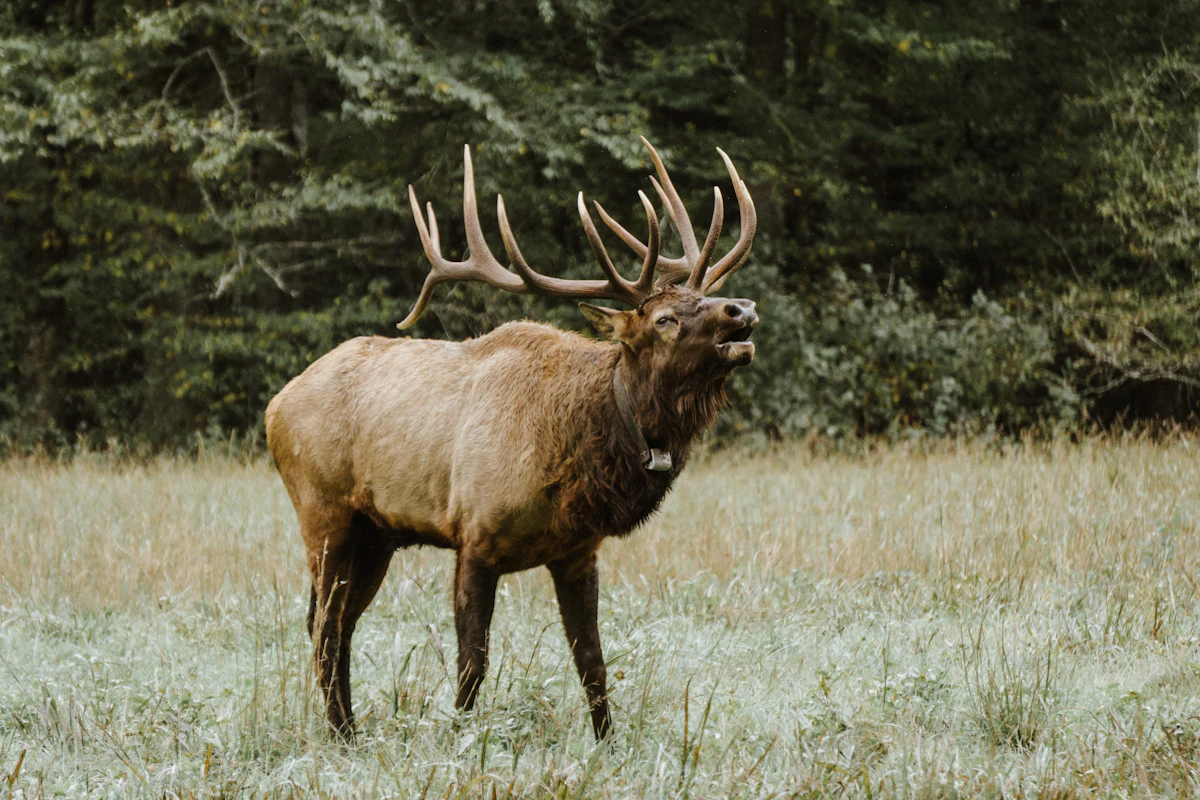
A lip bawl is a bugle that starts with a low, guttural growl, rises into a sustained note, and then drops off with a distinctive "bawl" or mewing sound at the end. Some hunters describe it as a bugle with a whine tacked on. Others call it a lazy bugle or a conversational bugle.
The key characteristics are the relaxed tone and the trailing-off finish. A challenge bugle punches hard and ends abruptly. A lip bawl sounds almost like the bull ran out of air or lost interest halfway through. That casualness is the point.
Bulls use lip bawls in several contexts. A herd bull moving his cows might throw one out to announce his presence without escalating tension. A satellite bull hanging on the edge of a herd might lip bawl to test the water, gauging whether the herd bull is aggressive or distracted. A lone bull cruising for cows might lip bawl simply to advertise his location.
The common thread is communication without commitment. The bull is saying "I'm here" without saying "let's fight."
When Bulls Use Lip Bawls in the Field
Timing matters. Early in the rut, before breeding kicks into high gear, you'll hear more lip bawls than challenge bugles. Bulls are still sorting out the hierarchy, and most encounters end with posturing rather than violence. Lip bawls fit that energy.
During peak rut, herd bulls often switch to more aggressive vocalizations when they sense competition. But even then, a herd bull managing a group of cows will throw lip bawls throughout the day as a low-effort way to keep tabs on everyone. It's the difference between yelling across a crowded room and having a normal conversation.
Satellite bulls, the ones circling herds and looking for opportunities, lip bawl constantly. They want to sound like they belong without provoking a fight they can't win. If you're trying to impersonate a satellite bull to slip past a herd bull's radar, the lip bawl is your go-to.
Post-rut, when the chaos dies down and bulls are tired and wary, lip bawls become dominant again. Challenge bugles at this stage often push bulls away rather than pulling them in.
How to Replicate the Lip Bawl
Most diaphragm calls can produce a passable lip bawl with practice. The technique involves starting with steady air pressure, building into the main note, and then backing off the pressure while adding a slight whine at the end. Think of it as letting the call die rather than cutting it off.
The "bawl" portion comes from relaxing your tongue and letting the reed flutter slightly as you decrease airflow. Some callers add a subtle mew or chirp at the very end by briefly reengaging the reed. Others let it trail into silence.
External reed calls and bite-and-blow bugles can also produce lip bawls, though the technique differs. With a grunt tube and external reed, you'll modulate the ending with your hand over the tube opening, muffling and softening the finish.
The biggest mistake hunters make is adding too much intensity. A lip bawl should sound relaxed, almost lazy. If you're putting full lung power into it, you've crossed into challenge bugle territory.
When to Use Lip Bawls in Your Calling Sequences
Lip bawls work best as locators and conversation starters. If you're blind calling into a basin at first light, a lip bawl is less likely to intimidate bulls into silence than a screaming challenge bugle. You're asking "anyone out there?" rather than demanding a response.
Once you've located a bull, lip bawls help you close distance without triggering a standoff. A herd bull that hears a challenge bugle might round up his cows and push them away from the threat. That same bull hearing a lip bawl might ignore it entirely, giving you time to work closer.
Pairing lip bawls with cow calls creates a realistic soundscape. A bull traveling with cows doesn't bugle in isolation. Mix in some mews and chirps, throw a lip bawl every few minutes, and you sound like exactly what you're pretending to be: a small group moving through the timber.
If a bull answers your lip bawl with his own, you've got a conversational bull, one of the best situations in elk hunting. Trade calls, close the distance gradually, and let him come to investigate. If he answers with an aggressive challenge, you can escalate or stay passive depending on your read of the situation.
Lip Bawls for Different Hunting Scenarios
During archery season in September, lip bawls shine in pressured units where bulls have heard every aggressive calling sequence imaginable. Hunters on public land often overcall with challenge bugles, educating bulls to associate that sound with danger. A relaxed lip bawl can sound like the first non-threatening elk vocalization a bull has heard in days.
For rifle hunters in October, lip bawls help locate bulls that have gone quiet. Post-rut bulls are often call-shy but will still respond to a non-threatening vocalization, especially early and late in the day.
If you're hunting with TAGZ draw odds data to find less-pressured units, you can often get away with more aggressive calling. But even in lightly hunted areas, lip bawls remain effective because they match how bulls actually communicate most of the time.
Common Mistakes and How to Avoid Them
Overcalling is the usual culprit. A real bull doesn't bugle every thirty seconds. Space your lip bawls out, especially once you know a bull is in the area. Sometimes the best move after a response is silence and movement rather than another call.
Another mistake is ignoring the ending. The bawl portion is what distinguishes this call from a generic bugle. If you're just hitting a sustained note and stopping, you're not actually producing a lip bawl. Practice the trailing finish until it becomes automatic.
Finally, some hunters treat the lip bawl as a lesser call, something to use only when challenge bugles aren't working. In reality, the lip bawl should often be your first choice, with escalation held in reserve.
Recommended Gear for Lip Bawl Calling
A quality diaphragm call with a double or triple reed setup gives you the control needed for the bawl finish. Single reeds can work but require more precise air control.
Grunt tubes amplify and direct sound, making your lip bawls carry farther without adding intensity. A tube in the 18- to 24-inch range offers a good balance between volume and portability.
If diaphragms aren't your thing, external reed systems like the Phelps or Rockie Jacobsen setups produce excellent lip bawls with a different technique. Experiment with what fits your style.
Putting It All Together
The lip bawl isn't flashy, and it won't headline any calling competition. But it's the sound that fills elk woods during the rut, the vocalization bulls use most often, and the call that consistently brings curious bulls into range without triggering their fight-or-flight response.
Master this one call and you'll have a tool that works from the first bugles of September through the last days of rifle season. Pair it with solid unit research and a realistic hunt plan, and you're set up for success.
FAQ — Lip Bawl Bugles
What's the difference between a lip bawl and a challenge bugle?
A lip bawl is relaxed and trails off with a whining finish, while a challenge bugle is aggressive, loud, and ends abruptly. Lip bawls communicate presence without escalating confrontation.
When is the best time to use a lip bawl?
Lip bawls work well as locator calls early in the morning, for closing distance on a herd bull without spooking cows, and for calling to pressured or post-rut bulls that have gone quiet.
Can I use a lip bawl with any elk call?
Yes. Diaphragm calls, external reed setups, and bite-and-blow bugles can all produce lip bawls. The technique varies, but the goal is the same: a relaxed bugle with a trailing finish.
Do lip bawls work on public land with hunting pressure?
Absolutely. Pressured bulls often ignore or flee from aggressive challenge bugles but will respond to the non-threatening sound of a lip bawl, especially when paired with cow calls.
Should beginners start with lip bawls or challenge bugles?
Lip bawls are more forgiving and more versatile. Beginners should master the lip bawl first, then add challenge bugles to their repertoire once they understand when escalation is appropriate.
How often should I lip bawl when calling?
Less than you think. Real bulls don't bugle constantly. Start with one every five to ten minutes when locating, and reduce frequency once you get a response. Patience closes more distance than volume.
Was this article helpful?
Previous
Hidden Meadows Most Hunters Miss: How to Find Off-Trail Elk and Mule Deer Havens
Most hunters stick to trails and overlook secluded meadows where elk and mule deer feed undisturbed. Learn how to identify hidden openings using terrain features, satellite imagery, and smart glassing techniques that keep you ahead of the crowd.
Next
7 Elk Calling Mistakes That Cost Beginners Bulls Every Season
New elk callers make predictable mistakes that educate bulls and ruin setups. Learn the seven most common errors — from overcalling to poor positioning — and how to fix them before your next hunt.