How Often Should You Cow Call for Elk? Timing Your Calls to Avoid Spooking Bulls
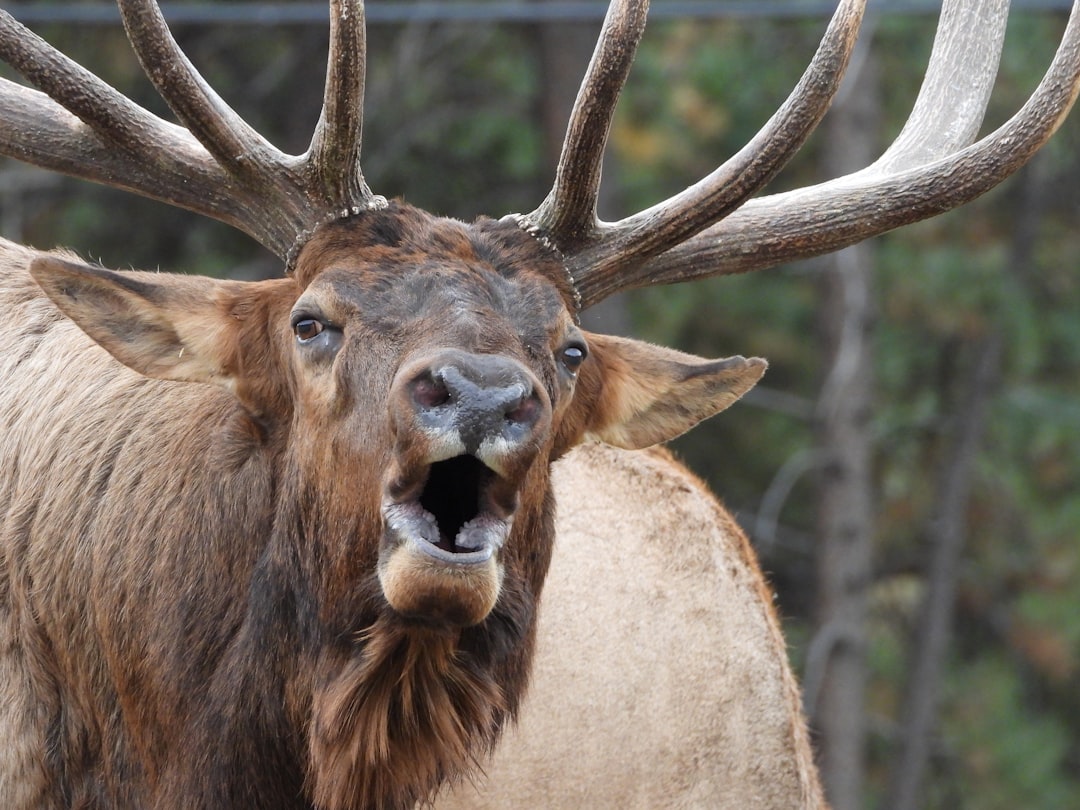
You've hiked into a dark timber funnel at first light, heard a distant bugle, and now you're standing with a cow call in your hand wondering how long to wait between calls. Call too much and you sound like a desperate hunter. Go silent too long and the bull loses interest or drifts out of range. The difference between filling your tag and watching a herd bull vanish often comes down to call timing.
The baseline cadence: Every 45 seconds to 2 minutes
For most calling situations during September, start with a cow call sequence every 45 seconds to 90 seconds. This mimics how real cow elk communicate when moving through timber or feeding in a meadow. They're vocal animals, but they're not constantly chirping. A cow in a feeding herd might call once, wait a minute, then call again as she adjusts position or reconnects with nearby cows.
When you're trying to locate a bull or pull one toward your position, this baseline rhythm works because it sounds natural. You're giving the bull time to respond, move closer, or reposition without overwhelming him with noise. If you're calling to a bull that's already answered, tighten that window to every 30 to 45 seconds. He knows where you are, and consistent calling keeps him engaged and moving.
Adjust based on the bull's response
The bull's behavior dictates your next move. If he bugles back immediately after your first cow call, wait 20 to 30 seconds and call again. This creates the impression that the cow is interested and staying put. If the bull bugles again and sounds closer, cut your calling frequency in half. Let him close the distance on his own. Over-calling when a bull is already committed is one of the fastest ways to make him suspicious.
If the bull goes quiet after your initial sequence, don't panic and start hammering calls every 15 seconds. Wait a full two minutes, then call again. Silence can work in your favor. Some bulls will slip in quietly, especially mature animals that have been called to before. If you're still not getting a response after three or four call sequences spaced two minutes apart, reposition 100 to 150 yards and try again. The bull may have moved, or he might need a different angle to commit.
When to call aggressively: Herd bulls and competition
If you're targeting a herd bull that's already surrounded by cows, your calling strategy changes. These bulls are less likely to leave their harem unless they think another cow is separating or a satellite bull is moving in. In this scenario, call every 30 to 45 seconds and add slight variations — mix a single mew with a double chirp, or throw in a soft estrous whine. The goal is to sound like a cow that's either in heat or getting pushed around by the lead cow.
Pair your cow calls with aggressive bugling from a partner if you're running a two-person setup. The combination of estrous cow sounds and a challenger bugle can trigger a territorial response. The herd bull may leave his cows to investigate or defend his position. When this happens, the cow caller should stay vocal and consistent while the shooter sets up for the approach. Don't go silent once the bull commits — keep calling to hold his attention and guide him into range.
When to go silent: Pressured elk and close encounters
On public land in heavily hunted units, elk get educated fast. Bulls that have been called to repeatedly will hang up at 200 yards, circle downwind, or simply ghost out of the area. If you're hunting pressured elk, start with longer intervals between calls — every two to three minutes. Pay attention to how the bull responds. If he answers once and then goes quiet, resist the urge to keep calling. Wait five minutes. Sometimes a pressured bull will sneak in silently to investigate.
Once a bull is inside 100 yards, cut your calling frequency or stop altogether. Let him look for the source of the sound. If he's moving toward you and already committed, calling more only gives him additional reference points to pinpoint your exact location. This is when hunters get busted — the bull comes in, doesn't see a cow where he expects one, and bolts. Instead, stay quiet, stay still, and let him close the final distance on his own.
Morning vs. evening: Adjusting call frequency by time of day
Elk behavior shifts between morning and evening, and your calling should match. In the morning, bulls are often more vocal and active as they move between feeding areas and bedding zones. You can call more aggressively during the first two hours after sunrise. Every 45 seconds to one minute works well because bulls are already on the move and more likely to respond.
In the evening, bulls are transitioning from bedding areas back to feeding zones, but they're often quieter and more cautious. Start with longer gaps between calls — every 90 seconds to two minutes. Evening thermals can also work against you as scent drops into drainages, so be mindful of wind direction and don't over-call if a bull is moving your way. Let the natural movement of the herd work in your favor.
Using TAGZ to hunt smarter elk units
Call timing matters, but so does where you're hunting. TAGZ helps you filter elk units by draw odds, hunt dates, weapon type, and terrain to find hunts that match your strategy. Whether you're chasing OTC bulls in Colorado timber or applying for limited-entry tags in Idaho, TAGZ shows you unit-by-unit breakdowns, public land access, and terrain maps so you can plan your approach before you ever step into the woods. Compare multiple states, track your preference points, and set draw deadline reminders so you never miss an application window.
Common mistakes that blow your setup
Calling too much is the most common mistake, but it's not the only one. Calling from the same spot for more than 10 to 15 minutes without repositioning makes you sound stationary and unnatural. Real cows move. If a bull isn't responding, shift your position and call again from a new angle.
Another mistake is using the same call tone and cadence every single time. Vary your pitch slightly, change the number of notes in a sequence, and mix in soft feeding mews between locator calls. Monotone calling sounds robotic. Elk communicate with subtle variations, and your calling should reflect that.
Finally, don't call when you can't see. If you're in thick dark timber and a bull is bugling 150 yards away, resist the urge to call constantly just to keep track of him. Instead, use terrain and your ears to predict his movement, then reposition to a shooting lane before calling again. Calling blind in heavy cover usually results in the bull hanging up just out of sight or circling downwind where you can't get a shot.
Reading the situation: When to break the rules
Elk hunting isn't paint-by-numbers. Some bulls will sprint to a single cow call. Others will require 20 minutes of patient, spaced-out calling before they commit. Pay attention to how the bull responds and adjust in real time. If he's bugling every 30 seconds and closing fast, stop calling and get ready. If he's bugling but not moving, reposition and call from a new location to make him think the cow is leaving.
If you're hunting solo and trying to call a bull into bow range, keep your calls soft and infrequent once he's inside 150 yards. Loud calling at close range can make a bull pinpoint your position too quickly and catch you at full draw or out of position. Soft mews and chirps are enough to hold his attention without giving away your exact setup.
FAQ — Cow Elk Calling
How often should I cow call when trying to locate a bull? Every 60 to 90 seconds works best for locating. This gives bulls time to respond without overwhelming the area with noise. If you don't get a response after four or five sequences, move 200 yards and try again.
Should I stop calling once a bull is close? Yes, especially inside 100 yards. Once a bull is committed and moving toward you, let him close the distance on his own. Over-calling at close range often makes bulls hang up or circle downwind.
What's the biggest mistake hunters make with cow calling? Calling too often without pausing to listen. Constant calling sounds unnatural and educates bulls, especially on pressured public land. Real cows don't chirp nonstop.
How does calling frequency change for herd bulls versus satellite bulls? Herd bulls require more aggressive, frequent calling (every 30-45 seconds) because they're less likely to leave their cows. Satellite bulls often respond to softer, less frequent calling because they're actively looking for cows.
Can you call too little and lose a bull's interest? Yes. If you go silent for more than three or four minutes when a bull is engaged, he may lose interest or assume the cow has moved on. Keep calling at consistent intervals to hold his attention.
Does time of day affect how often I should call? Yes. Bulls are more vocal in the morning, so you can call more frequently (every 45-60 seconds). In the evening, space calls out to every 90 seconds to two minutes as elk transition more cautiously from bedding to feeding areas.
Was this article helpful?
Previous
Location Bugles Explained: How to Find Bulls Without Spooking Them
Location bugles help hunters pinpoint elk without committing to a full calling sequence. Learn when to use them, what sounds work best, and how to avoid the mistakes that send bulls the other direction.
Next
Best Muzzleloaders for Deer in 2025: Top Picks for Accuracy and Performance
From CVA's Paramount to Thompson/Center's Strike series, modern muzzleloaders deliver rifle-level accuracy at extended ranges. We break down top picks for deer hunters across budget tiers, break-action vs. bolt-action designs, and what features actually matter in the field.