Challenge Bugles Explained: What Bulls Are Really Saying and How to Respond
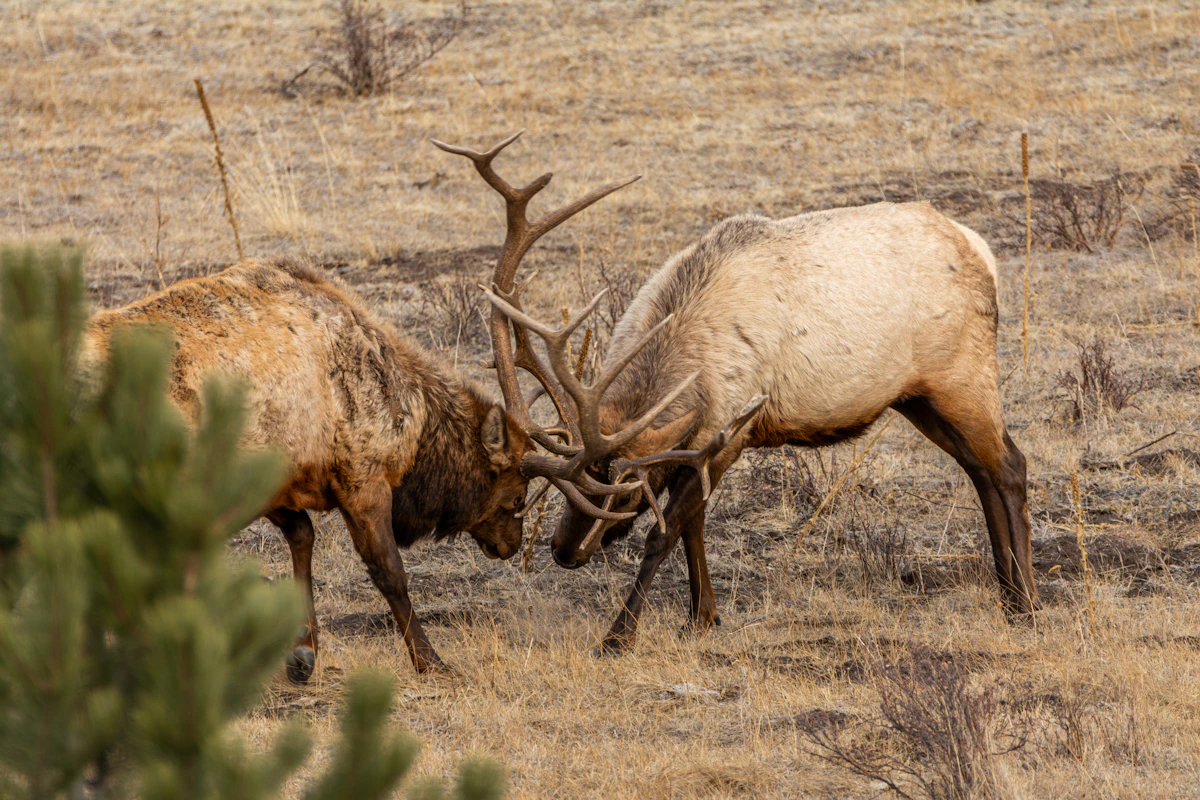
A challenge bugle is a bull elk's way of saying he's ready to throw down. Unlike location bugles or gathering calls, the challenge is directed at a specific rival and carries unmistakable aggression. For hunters, recognizing this vocalization and responding correctly can close the distance on a mature bull that otherwise wouldn't budge.
What Makes a Challenge Bugle Different
The challenge bugle typically starts with a deep, guttural growl before launching into a full bugle sequence. The pitch often drops at the end rather than trailing off, and the bull frequently punctuates it with aggressive chuckling or grunting. The entire vocalization sounds angry, not exploratory.
Compare this to a location bugle, which is higher-pitched, more melodic, and often ends with a questioning upward inflection. Location bugles say "I'm here, who else is around?" Challenge bugles say "I see you, and I'm coming."
Body language reinforces the distinction. A challenging bull typically approaches stiff-legged with his head low and tilted, antlers displayed prominently. He may rake brush or thrash vegetation between bugles. His posture screams confrontation.
When Bulls Issue Challenges
Challenge bugles peak during the rut's most intense phase, typically mid-September through early October depending on elevation and region. Herd bulls with cows to protect are the most likely to challenge, especially when satellite bulls probe their perimeters.
Satellite bulls also challenge, though less frequently. A satellite that has been building confidence through successful cow thefts may issue a challenge to test a herd bull's resolve. These confrontations sometimes escalate to full sparring matches.
Time of day matters. Challenge activity concentrates around dawn and dusk when bulls are actively herding and breeding. Midday challenges happen but usually indicate a particularly aggressive bull or close proximity between rivals.
Reading the Situation Before You Call
Not every challenge bugle warrants a response. Before you answer, assess the scenario:
- Distance: A bull challenging from 400 yards may be posturing for a rival you can't see. A bull at 150 yards with no other elk in sight is likely responding to you.
- Movement: Is he coming, holding, or moving away? A bull that bugles and immediately closes ground is committed. One that bugles and circles is cautious.
- Herd dynamics: If you hear cows nearby, the bull has something to protect. He may challenge but be reluctant to leave his harem. A lone bull has less to lose.
The best opportunities come from satellite bulls that have been pushed around all morning and are eager to assert themselves, or from herd bulls that genuinely believe a rival is threatening their cows.
How to Answer a Challenge
When a bull issues a challenge and you decide to engage, your response needs to match his intensity. A timid bugle after an aggressive challenge signals weakness and can shut down the encounter.
Start with a bugle that overlaps his. Cutting off another bull mid-bugle is a dominance move in elk language. Follow immediately with aggressive chuckling, ideally deeper and more prolonged than his. If you can pull off a convincing growl, add it.
Rake a tree or bang your calls against brush. The sound of antlers on timber reinforces your presence as a physical threat, not just an auditory one.
Then shut up.
One of the most common mistakes is over-calling after a successful challenge response. You've thrown down the gauntlet. Now let him make the next move. If he bugles again and closes distance, you're winning. If he goes silent and you hear footsteps, get ready. If nothing happens for two or three minutes, hit him with another aggressive sequence.
When to Back Off
Sometimes a challenge response backfires. A smart old herd bull may recognize the challenge as a setup and simply gather his cows and leave. If you hear cows moving away and the bull goes quiet, he's chosen retreat over confrontation.
You can try repositioning quickly and calling from a new angle to simulate a rival cutting off his escape route. But if he's committed to leaving, pushing harder often makes things worse.
Other times, a bull may hang up outside shooting range, challenging repeatedly but refusing to close. This bull is conflicted. He wants to fight but senses something wrong. In these situations, going silent and letting a cow call do the work sometimes pulls him those last 50 yards. Alternatively, having a hunting partner call from behind while you set up ahead can create the illusion of a retreating rival and trigger pursuit.
For more on working with a partner during the rut, see our breakdown of team calling strategies for elk.
Mistakes That Kill Challenge Sequences
Calling too often tops the list. Real bulls don't bugle continuously. A dominant bull issues a challenge, waits for a response, then reacts. Rapid-fire bugling sounds like a hunter, not an elk.
Inconsistent intensity confuses bulls. If your first bugle is aggressive and your follow-up sounds passive, you've undermined your own bluff. Stay in character.
Moving too soon spooks bulls that are already on edge. A challenging bull is alert and looking for his rival. Wait until his attention shifts, ideally when he bugles or moves through thick cover, before adjusting position.
Finally, many hunters challenge when they should have cow-called instead. Not every bull wants a fight. A curious or lonely bull often responds better to soft cow talk than to an aggressive bugle. Read his vocalizations and behavior before choosing your approach.
Putting It All Together
Challenge bugles are invitations. When a bull throws one down, he's telling you exactly what he wants: a confrontation. Your job is to give him that confrontation convincingly enough that he commits, but carefully enough that you maintain the ambush.
The sequence typically goes: challenge issued, challenge answered, silence and assessment, escalation or approach, shot opportunity. Where hunters fail is usually in the silence phase. They panic at the quiet and overcall, or they move when they should be still.
Practice matching intensity with your calls before the season. Record actual challenge bugles and study their cadence, pitch, and accompanying sounds. The more accurately you replicate the real thing, the more bulls will respond as they would to actual rivals.
Understanding draw odds and unit selection matters before the hunt even begins. Use the TAGZ draw odds analyzer to identify units with strong bull-to-cow ratios and active rut timing, then show up ready to speak the language.
FAQ — Challenge Bugles
What does a challenge bugle sound like compared to a normal bugle?
Challenge bugles typically start with a deep growl, feature aggressive chuckling afterward, and drop in pitch at the end rather than trailing off. The overall tone is angry and directed rather than exploratory.
Should I always respond to a challenge bugle?
No. Assess distance, movement, and whether the bull is challenging you or another elk before engaging. Some situations call for cow calls or silence instead of matching aggression.
Why do bulls sometimes hang up after I challenge back?
Hung-up bulls often sense something wrong, whether inconsistent calling, human scent, or an unfamiliar setup. Try going silent, using cow calls, or repositioning with a partner to break the stalemate.
Can cow calls work better than challenge bugles?
Yes, especially on bulls that aren't looking for a fight. A lonely satellite or a herd bull focused on breeding may respond faster to estrous cow sounds than to another aggressive male.
When during the rut are challenge bugles most effective?
Peak effectiveness is mid-September through early October during the height of breeding activity. Dawn and dusk produce the most challenge encounters, though aggressive bulls may engage anytime.
Is it worth learning to challenge bugle if I'm a beginner caller?
Start with cow calls and location bugles first. Challenge bugles require convincing intensity and timing. A weak or poorly timed challenge can shut down an encounter faster than silence would.
Was this article helpful?
Previous
How Hard Is It to Draw a Florida Bear Permit? Draw Odds & Application Strategy
Florida bear permits are among the hardest tags to draw in the country, with success rates typically between 1-3% across most zones. Understanding zone-specific odds, application timing, and the random draw system is critical for hunters hoping to secure one of these limited opportunities.
Next
Preference Points vs. Bonus Points: Understanding Every Western Draw System
Western states use different point systems to allocate tags. Learn how preference points guarantee draws in order while bonus points improve odds without guarantees, and see how each state structures its system.