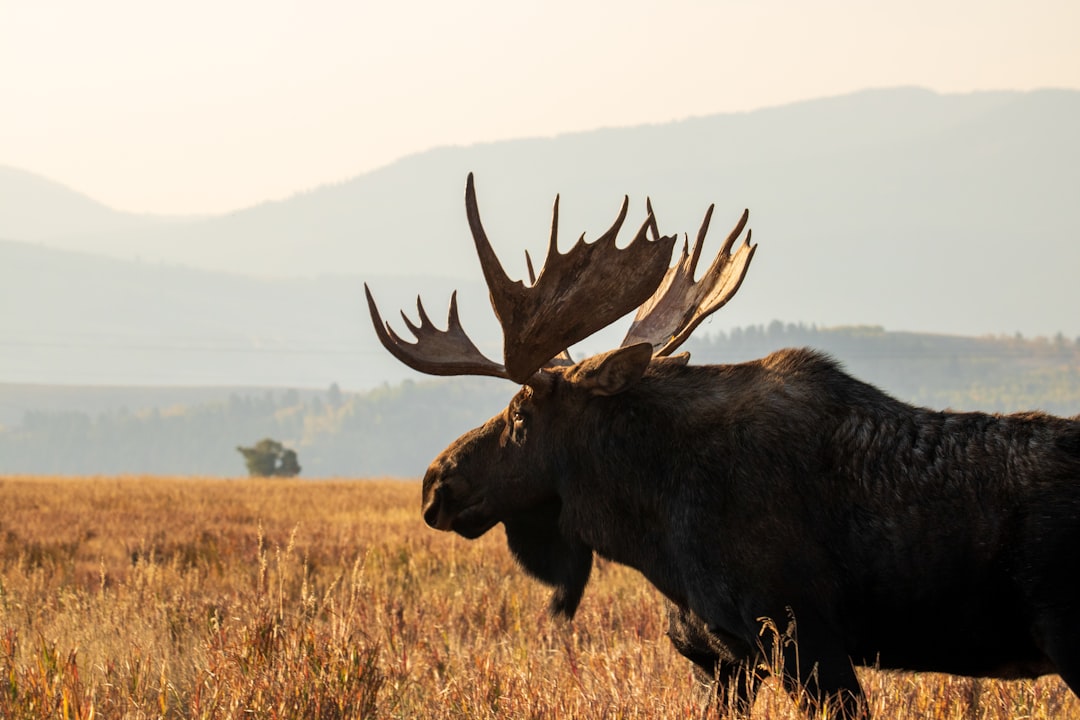
Idaho Super Hunt 2027: Complete Guide to Idaho's Super Tags
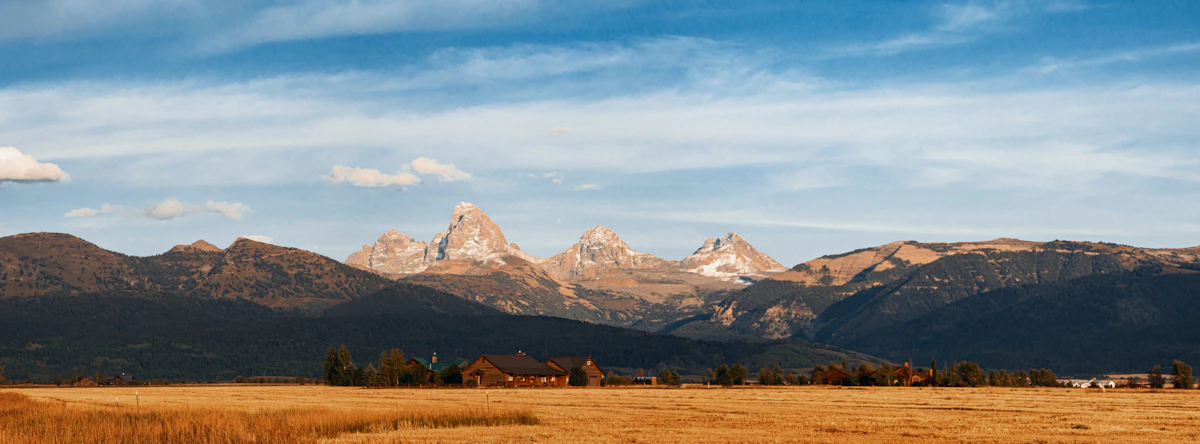
Idaho's Super Hunt program offers five of the most coveted big-game tags in the West. Each year, the Idaho Department of Fish and Game auctions these tags to fund wildlife conservation, then raffles identical tags to the public. For 2027, hunters can enter for a chance at unrestricted elk, mule deer, pronghorn, bighorn sheep, or mountain goat tags valid statewide with extended seasons and flexible weapon choices. These tags bypass the standard draw entirely, making them the ultimate hunting opportunity in Idaho.
What Is the Idaho Super Hunt?
The Super Hunt program issues five premium tags annually — one each for elk, mule deer, pronghorn, bighorn sheep, and mountain goat. Each species has two tags total: one auctioned at the Wild Sheep Foundation or similar conservation events, and one raffled to the public through the Idaho Department of Fish and Game. The raffle tag is what most hunters pursue.
These tags come with extraordinary privileges. You can hunt any open unit in Idaho during any open season for your species. You are not restricted to a single weapon type — you can use a rifle during archery season, switch weapons mid-hunt, or hunt multiple seasons back-to-back. The only limits are Idaho's general season dates and legal hunting hours. For species like bighorn sheep and mountain goat, where standard draw odds hover near 1% even after decades of applying, the Super Hunt raffle represents a legitimate shortcut.
Revenue from both the auction and raffle funds Idaho's Access Yes! program, habitat restoration, and wildlife research. Since the program began in 1993, it has generated millions of dollars for conservation while creating once-in-a-lifetime hunting experiences.
How to Enter the 2027 Super Hunt Raffle
Idaho opens Super Hunt raffle applications in early January each year. The 2027 raffle runs from January 1 through March 31, with the drawing held in early April. You must purchase your entry through the Idaho Fish and Game online licensing system or at a license vendor.
Each raffle ticket costs $10 for residents and $20 for nonresidents. You can buy up to 10 tickets per species, meaning a resident can invest $50 to maximize their odds for all five tags or focus $100 on a single species. Nonresidents pay double but face the same 10-ticket cap. There is no preference point system — every entry has equal odds regardless of how many years you have applied.
You do not need to hold an Idaho hunting license to enter the raffle, but you must purchase the appropriate license and tag before hunting if you win. Nonresident winners pay standard nonresident tag fees, which for elk and deer are significantly higher than resident rates. Sheep and goat tags carry steep nonresident fees as well, but the statewide access and season flexibility justify the cost.
Applications close at midnight on March 31, 2027. The drawing occurs within two weeks, and winners are notified by phone and email. Idaho posts results publicly on the Fish and Game website by mid-April.
Super Elk Tag: Statewide Access, Any Season
The Super Elk tag is the most popular raffle entry. Idaho has over 120 elk zones, and this tag grants access to all of them. You can hunt the September rut in premium limited-entry units like the Lolo or Selway zones, then move to a general rifle unit in October, then return to a late-season controlled hunt area in November. Most hunters focus on limited-entry zones that normally require years of preference points or near-impossible draw odds.
Archery hunters often target Unit 39 or the Sawtooth Zone during the bugle peak in mid-September. Rifle hunters gravitate toward the Panhandle units or the Island Park area near Yellowstone, where mature bulls migrate through in late October. The tag is valid from August 30 through November 30, covering archery, rifle, and muzzleloader seasons across the state.
The biggest strategic advantage is unit stacking. You can scout multiple units during summer, monitor weather and hunting pressure through September and October, and shift your focus as conditions change. If early snow pushes elk to lower elevations, you adapt. If a unit gets hammered during rifle season, you move to a quieter zone. The tag effectively turns Idaho into your private hunting portfolio.
Idaho allows baiting for elk in some northern units, and the Super Elk tag permits this tactic during legal seasons. Most serious contenders hire an outfitter for at least part of the hunt, especially in the Frank Church Wilderness or other roadless backcountry zones where access and logistics require stock and local knowledge.
Super Deer Tag: Mule Deer Paradise
Idaho's Super Deer tag applies only to mule deer, not whitetails. This distinction matters because Idaho has limited controlled-hunt mule deer units that produce giant bucks, especially in the southern desert ranges and the Owyhee Canyonlands. The Super Deer tag unlocks these units without the standard draw.
Top units for trophy mule deer include Unit 66 (Bruneau), Unit 73 (Jarbidge), and the Deep Creek area of Unit 54. These zones have limited tags under normal circumstances, and nonresident odds often sit below 5% even with maximum preference points. The Super Deer tag bypasses that entirely.
The season runs from August 30 through November 30, mirroring the elk tag. Archery hunters target high-country velvet bucks in early September, while rifle hunters wait for the November rut in lower-elevation sagebrush country. Late-season hunts in southern Idaho coincide with the peak mule deer rut, when big bucks are most vulnerable.
Like the elk tag, the Super Deer tag allows weapon switching and multi-unit hunting. You can archery hunt Unit 36 in September, rifle hunt Unit 66 in October, and return to Unit 73 in November if early hunts are unsuccessful. The flexibility is unmatched.
Super Pronghorn Tag: Speed Goat Statewide
Idaho's pronghorn herds are concentrated in the southern sagebrush zones, particularly Units 54, 60, 61, 66, and 72. The Super Pronghorn tag opens all of these units during any open season, including archery, rifle, and muzzleloader. Pronghorn seasons typically run from mid-August through October, with rifle seasons offering the highest success rates.
Pronghorn draw odds in Idaho are more favorable than elk or deer for residents, but nonresidents face steep competition in trophy units. The Super Pronghorn tag eliminates that barrier. Hunters can target giant bucks in the Owyhee Canyonlands or the Raft River area without waiting years for a controlled-hunt tag.
Archery pronghorn hunting in Idaho is challenging due to open terrain and limited water sources, but the Super Tag allows hunters to pre-scout multiple units and adjust plans based on buck sightings and weather. Rifle hunters have a significant advantage, especially in September when bucks are still visible in bachelor groups before the rut scatters them.
The pronghorn tag is often overlooked in the Super Hunt raffle, but it represents excellent value. Draw odds for the raffle are slightly better than sheep or goat, and Idaho produces Boone and Crockett-class pronghorn every year.
Super Sheep Tag: Once-in-a-Lifetime Opportunity
Bighorn sheep are the crown jewel of western hunting, and Idaho's Super Sheep tag is one of only two ways nonresidents can hunt sheep in Idaho without decades of accumulated preference points. Idaho has strong Rocky Mountain bighorn populations in the Salmon River breaks, the Hells Canyon area, and the Lemhi Range.
The Super Sheep tag is valid statewide from August 1 through December 31, covering all bighorn sheep units and seasons. Standard bighorn tags in Idaho are once-in-a-lifetime, meaning you can never apply again after drawing. The Super Sheep tag does not carry this restriction — if you win the raffle, you can still apply for standard sheep tags in future years, though doing so resets your preference points.
Top units for bighorn rams include Unit 11 (White Clouds), Unit 27 (Big Creek), and Unit 19 (Salmon River). These areas produce rams in the 170-180 Boone and Crockett range, with occasional 190-class giants. Access is difficult, and most hunters fly into remote airstrips or pack in with horses.
Outfitters dominate bighorn sheep hunting in Idaho. The terrain is extreme, sheep are scattered across thousands of acres, and successful hunts require glass time measured in weeks, not days. The Super Sheep tag is worth hiring an experienced guide who knows where rams winter, rut, and feed.
Super Goat Tag: High-Country Challenge
Mountain goats occupy Idaho's most rugged alpine terrain, from the Bitterroot Range to the Selkirk Mountains. The Super Goat tag allows statewide hunting from August 1 through December 31, covering all mountain goat units and seasons.
Idaho's mountain goat populations are healthy but concentrated in the Panhandle and central wilderness areas. Units 1, 4, 6, 10A, and 12 hold the highest goat densities. Standard mountain goat tags in Idaho are once-in-a-lifetime, just like bighorn sheep, but the Super Goat tag does not carry this restriction.
Mountain goat hunting is physically demanding. Goats live above timberline on cliffs and scree slopes, often in areas with no trails and limited access. Spotting scopes, good boots, and high-country endurance are non-negotiable. Archery goat hunting is extremely difficult due to terrain and shot angles — most hunters use rifles and take their time.
Nanny harvest is legal in most Idaho goat units, but serious trophy hunters focus on billies. Distinguishing sex in the field requires careful glassing, as billies and nannies look similar from a distance. Idaho Fish and Game provides photos and identification tips in the regulations, and outfitters earn their keep by helping hunters avoid mistakes.
The Super Goat raffle draws fewer applicants than elk or sheep, making it a relatively better odds play for hunters willing to tackle high-country hunts. Idaho produces Boone and Crockett mountain goats every year, and the statewide access lets you chase the biggest billies across multiple mountain ranges.
Draw Odds and Strategy
Idaho does not publish official Super Hunt raffle odds, but rough estimates based on ticket sales suggest:
- Super Elk: approximately 1 in 4,000 to 1 in 6,000
- Super Deer: approximately 1 in 2,500 to 1 in 4,000
- Super Pronghorn: approximately 1 in 1,500 to 1 in 2,500
- Super Sheep: approximately 1 in 3,000 to 1 in 5,000
- Super Goat: approximately 1 in 1,000 to 1 in 2,000
These odds fluctuate year to year based on participation, but they are far better than standard once-in-a-lifetime sheep and goat draws. A resident buying the maximum 10 tickets per species for all five tags spends $500 total, and the odds of winning at least one tag over a 10-year period are roughly 1 in 50 if you max out every year.
Nonresidents pay double per ticket but face the same draw odds. For species like bighorn sheep, where nonresident controlled-hunt odds are effectively zero without 20+ preference points, the Super Hunt raffle is the only realistic path to an Idaho sheep hunt.
Some hunters focus all 10 tickets on a single species to maximize odds for their top priority. Others spread tickets across multiple species to increase overall chances. There is no right answer — it depends on your goals and budget.
Using TAGZ to Plan Around the Super Hunt
TAGZ helps hunters plan Idaho applications by tracking standard draw odds, preference points, and unit data across all western states. If you are entering the Super Hunt raffle, TAGZ shows you which Idaho units are hardest to draw under normal circumstances, helping you understand the value of each Super Tag.
For example, TAGZ breaks down controlled-hunt elk units like the Lolo Zone or Unit 39, showing historical draw odds, success rates, and terrain features. If you win the Super Elk tag, you can use TAGZ to compare units side by side, filter by weapon type and season dates, and identify which zones align with your hunting style.
TAGZ also tracks your preference points for Idaho's standard draws. If you have been building points for a controlled deer hunt in Unit 66, the Super Deer tag lets you hunt that unit immediately without burning points. You can save your points for a different hunt or a future year.
The platform includes unit boundaries, public land overlays, and terrain maps, so you can scout potential Super Hunt areas before the season. If you win a Super Sheep or Super Goat tag, TAGZ helps you identify which wilderness units hold the highest concentrations of rams or billies and where access points are located.
Beyond the Super Hunt: Idaho's Standard Draw
Winning a Super Hunt tag is a long shot, but Idaho offers strong hunting opportunities through the standard draw and over-the-counter general tags. TAGZ helps you build a multi-state strategy that includes Idaho alongside Montana, Wyoming, Colorado, and other western states.
Idaho's controlled-hunt elk units require preference points for nonresidents, but residents draw many quality tags with zero to two points. Mule deer controlled hunts are competitive, but general-season deer tags are available over the counter in many units. Pronghorn tags in southern Idaho offer good odds for residents, and nonresidents can draw decent units with moderate point investment.
If you are serious about hunting Idaho, entering the Super Hunt raffle is a low-cost, high-reward gamble that complements your standard draw applications. Even if you do not win, the $50 to $100 you spend supports Idaho wildlife management and keeps you in the game for one of the best tags in the West.
FAQ — Idaho Super Hunt
How much does it cost to enter the Idaho Super Hunt raffle?
Residents pay $10 per ticket, nonresidents pay $20 per ticket. You can buy up to 10 tickets per species, so maximum entry is $50 per species for residents or $100 for nonresidents.
Can I hunt multiple units with a Super Hunt tag?
Yes. Super Hunt tags are valid statewide in any open unit during any open season for your species. You can hunt multiple units and switch weapons throughout the season.
Do I need preference points to win a Super Hunt tag?
No. The Super Hunt raffle has no preference point system. Every ticket has equal odds regardless of how many years you have applied.
Are Super Hunt tags once-in-a-lifetime?
No. Winning a Super Hunt tag does not prevent you from applying for standard Idaho tags in future years, including once-in-a-lifetime sheep and goat draws.
When is the 2027 Super Hunt raffle?
Applications open January 1 and close March 31, 2027. The drawing occurs in early April, and winners are notified by mid-April.
What are the odds of drawing a Super Hunt tag?
Idaho does not publish official odds, but estimates range from 1 in 1,000 for the Super Goat tag to 1 in 6,000 for the Super Elk tag. Buying the maximum 10 tickets improves your odds proportionally.
Continue Planning Your Hunt
Idaho's Super Hunt raffle is one piece of a larger western hunting strategy. Whether you are chasing elk, deer, pronghorn, sheep, or goats, TAGZ helps you compare draw odds, track preference points, and plan applications across multiple states. Explore unit maps, filter hunts by weapon and season, and make smarter decisions before you ever step into the field. Start planning your 2027 Idaho hunt and beyond at getmytagz.com.
For more western hunting insights, visit the TAGZ Insights blog. Compare Idaho's draw system to other western states, learn unit-specific strategies, and stay updated on application deadlines. If you are ready to take control of your hunt planning, check out TAGZ pricing and see how the platform simplifies multi-state applications and preference point tracking.
Was this article helpful?
Previous
Idaho Elk Super Hunt 2027: How to Apply and Where You Could Hunt
Idaho's Elk Super Hunt offers a once-in-a-lifetime chance to hunt trophy-class bulls on private ranches. Learn how to enter the 2027 drawing, what the license covers, and where past winners have hunted.
Next
Idaho Moose Super Hunt 2027: Odds, Rules, and Application Strategy
Idaho's Moose Super Hunt offers any-species hunters a shot at a trophy bull tag through a separate lottery. Learn how the 2027 draw works, what your real odds are, and how to maximize your chances without affecting your regular moose applications.