Idaho Super Hunt Deadlines 2027: When to Enter for Elk, Deer, and Sheep
Idaho's Super Hunt drawing is one of the most underrated opportunities in Western big game hunting. Every spring, the Idaho Department of Fish and Game auctions off premium controlled hunt tags for elk, mule deer, moose, bighorn sheep, mountain goat, and other species. The 2027 entry period opens April 1 and closes May 31, 2027, at 11:59 PM Mountain Time. These are true once-in-a-lifetime caliber tags, and the application process is simpler than most hunters realize.
What Is Idaho's Super Hunt?
Super Hunt tags are leftover or donated controlled hunt permits that Idaho sells through a raffle-style drawing. Unlike the main spring controlled hunt draw, Super Hunt entries are not stratified by preference points. Everyone has an equal chance regardless of point totals. Tags include everything from archery elk in premium units to any-weapon sheep hunts in legendary ranges. Proceeds fund habitat projects and wildlife management across Idaho.
The drawing happens in mid-June, shortly after the May 31 deadline. Winners are notified by email and phone within two weeks. If you draw, your tag is valid for the season specified on the permit, which may fall anywhere from late summer through late fall depending on species and weapon type.
When to Enter for 2027
The 2027 Super Hunt entry window runs from April 1 through May 31, 2027. Entries close at 11:59 PM Mountain Time on the final day. You can apply online through the Idaho Fish and Game licensing portal or by mail using a paper application. Online entries are processed immediately and confirmation emails are sent within 24 hours. Paper applications must be postmarked by May 31.
There is no advantage to entering early versus late in the window. All entries have equal odds regardless of submission date. However, applying early ensures you do not miss the deadline due to website issues or mail delays. Most serious applicants submit by mid-May.
Species and Tags Available
Super Hunt tags vary year to year based on what controlled hunt permits remain unsold or are donated. Typical offerings for 2027 will include:
- Elk: Archery and rifle tags in trophy units like the Sawtooth, Selway, and Panhandle zones. Expect 10–15 elk tags.
- Mule Deer: Limited-entry archery and rifle hunts in units known for mature bucks. Usually 8–12 tags.
- Moose: Shiras moose tags in Island Park, Panhandle, and other prime zones. Typically 3–5 tags.
- Bighorn Sheep: Rocky Mountain bighorn permits in wilderness units. Rare, with 1–3 tags most years.
- Mountain Goat: High-country billy tags in the Sawtooth and northern ranges. Usually 2–4 tags.
- Pronghorn: Rifle and archery antelope tags in southern and eastern Idaho. Common, with 5–10 tags.
- Black Bear: Spring and fall controlled hunt bear tags. Less popular but often included.
The exact list is published in late March when the Super Hunt brochure is released. Check the Idaho Fish and Game website for the official tag roster before you apply.
Draw Odds and Competition
Super Hunt odds are surprisingly good compared to regular controlled hunts. Total entries vary by species, but most tags see 200–800 applicants. Moose and sheep tags draw the heaviest competition, with odds around 1 in 500 to 1 in 1,000. Elk and deer tags range from 1 in 100 to 1 in 300 depending on unit quality. Pronghorn and bear tags may have odds as favorable as 1 in 50.
Because there are no preference points, a first-time Idaho hunter has the same chance as someone who has applied for decades. This makes Super Hunt one of the best long-shot opportunities for nonresidents who lack points in other Western states. You can apply for up to two species per entry, which effectively doubles your chances of drawing something.
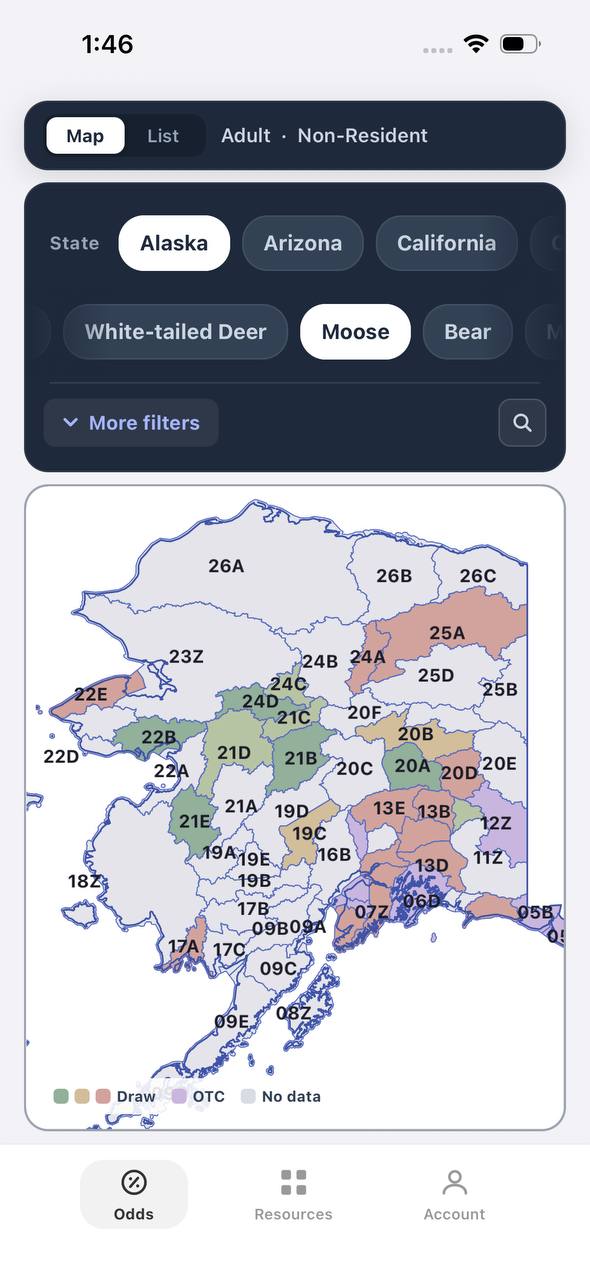
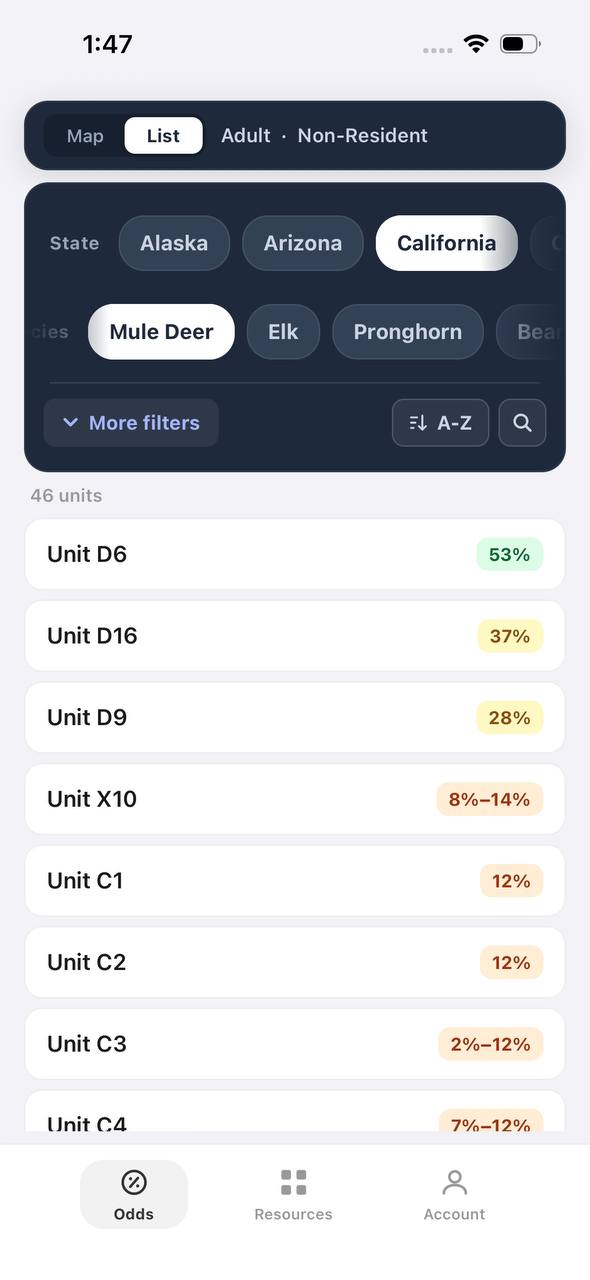
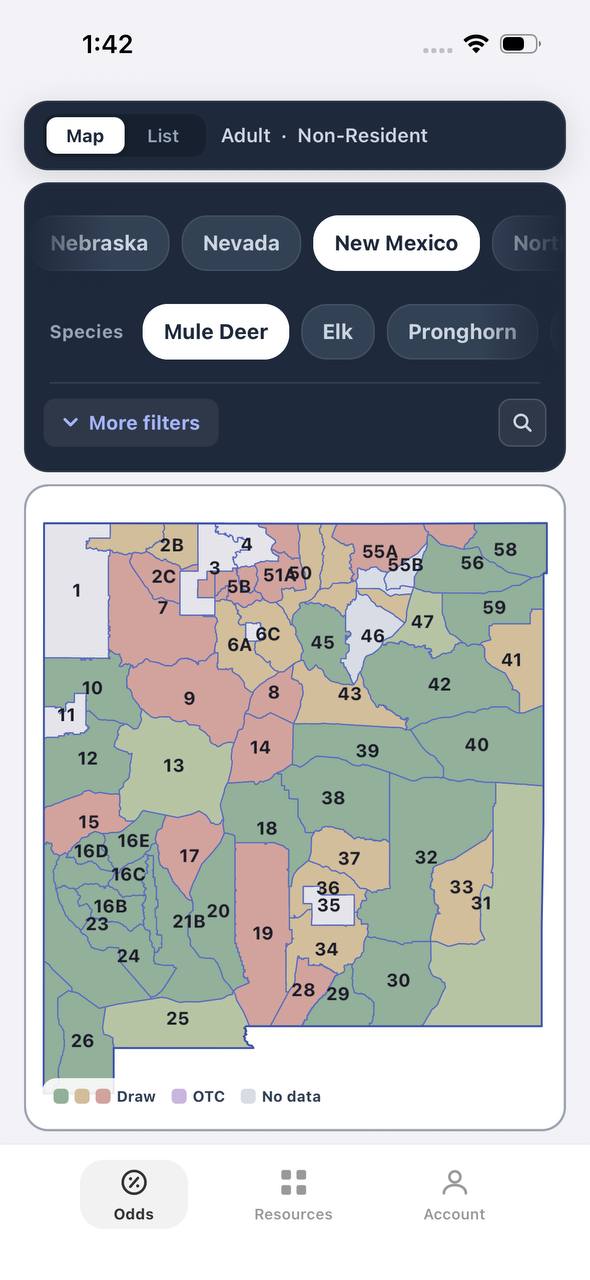
Use TAGZ to compare Super Hunt tags against your odds in the regular controlled hunt draw. If you are sitting on zero points and face 1 in 200 odds for a controlled hunt elk tag, a Super Hunt entry with 1 in 150 odds may be the smarter play.
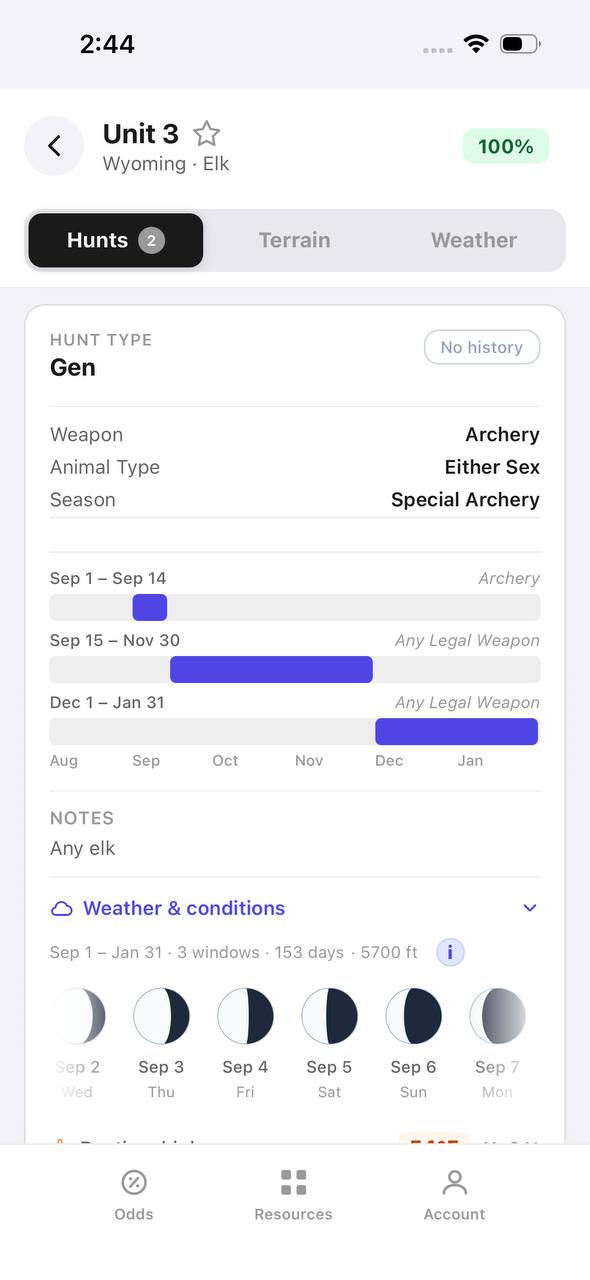
Free to join
Download mobile app
- Detailed draw odds
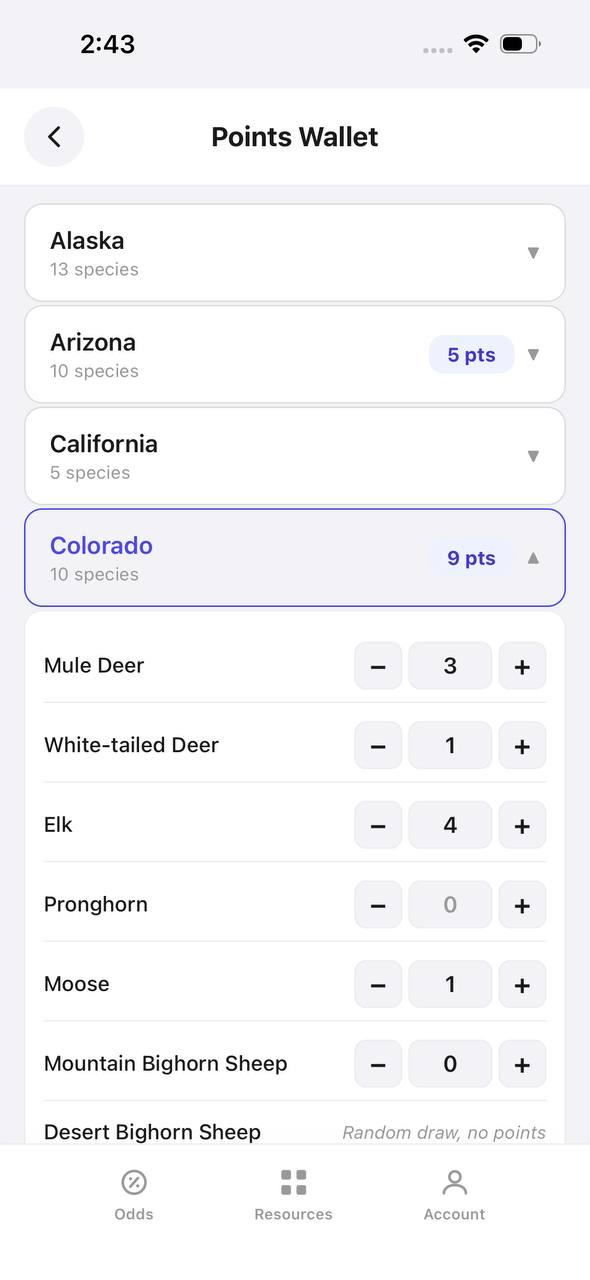
- Point tracking
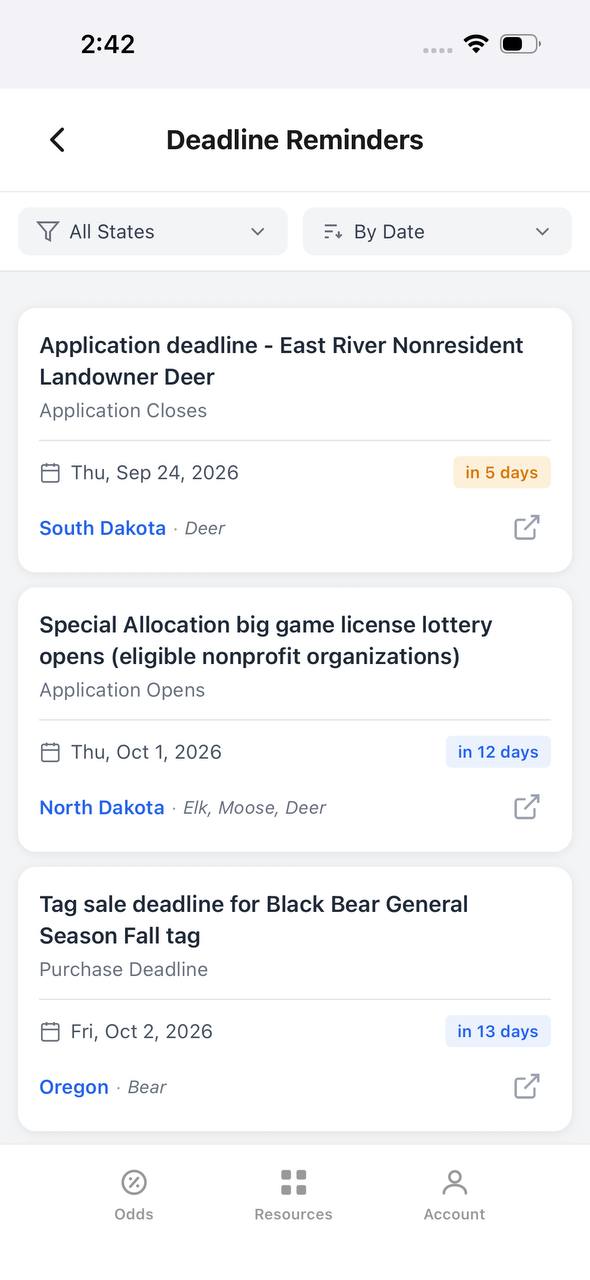
- Deadline reminders
- 19 states covered

Free to join
Download mobile app
- Detailed draw odds
- Point tracking
- Deadline reminders
- 19 states covered
Free to join
Download mobile app
- Detailed draw odds
- Point tracking
- Deadline reminders
- 19 states covered
How to Apply
Applying for Idaho Super Hunt is straightforward. You need a valid Idaho hunting license or combination license. Nonresidents can purchase a license at the time of application if they do not already hold one. The entry fee is separate from the license cost.
Step 1: Log in to the Idaho Fish and Game online licensing system at idfg.idaho.gov.
Step 2: Select "Super Hunt" from the controlled hunt menu.
Step 3: Choose up to two species from the available tag list. Review unit details, season dates, and weapon restrictions for each tag.
Step 4: Pay the entry fee. The cost is $10 per species, so a maximum two-species entry costs $20. This fee is nonrefundable.
Step 5: Review your confirmation email. Save the confirmation number for your records.
If you prefer to apply by mail, download the paper Super Hunt application from the Idaho Fish and Game website. Complete all fields, attach payment, and mail to the address listed on the form. Paper entries must be postmarked by May 31.
Tag Costs if You Draw
If you draw a Super Hunt tag, you must purchase the tag within 30 days of notification. Tag prices vary by species and residency status. Nonresident elk tags typically cost $600–$800. Moose and sheep tags can exceed $2,000 for nonresidents. Deer and pronghorn tags range from $300 to $500. Resident tag fees are significantly lower, often one-fifth the nonresident price.
You are not required to accept the tag if you draw. If you decline, the tag is reoffered to the next-drawn alternate. However, declining a drawn tag may disqualify you from applying for that species in future Super Hunt drawings for one or two years, depending on Idaho's current rules. Read the Super Hunt regulations carefully before declining.
Should You Apply?
Super Hunt is worth applying for if you want access to premium Idaho units without waiting years to build points. The entry cost is low, odds are better than most trophy draws, and the tags are valid for some of the best hunting in the Rockies. Nonresidents benefit most because Idaho's regular controlled hunt draw heavily favors residents in top-tier units.
If you already have high point totals in Idaho's regular draw, compare your Super Hunt odds to your controlled hunt odds for the same units. In some cases, burning points on a controlled hunt may be the better strategy. Use TAGZ to model both scenarios side by side using historical draw data.
Super Hunt tags are also ideal for hunters who missed the regular controlled hunt deadline or who want a second chance at a tag after striking out in the spring draw. You can apply for both the regular draw and Super Hunt in the same year without penalty.
Where to Hunt if You Draw
Super Hunt tags are unit-specific, and the units change annually based on what permits are available. Common zones include:
- Elk: Units 10, 15, 17, 27, 36A, 39, and 66A. These are backcountry wilderness zones with low hunter density and high bull-to-cow ratios.
- Mule Deer: Units 54, 60, 66, and 73. South-central and eastern Idaho units known for mature bucks.
- Moose: Units 60A, 66, and 69. Island Park and the Panhandle offer the best moose habitat in the state.
- Sheep: Units 10, 27, 28, and 37. Rugged wilderness zones with stable bighorn populations.
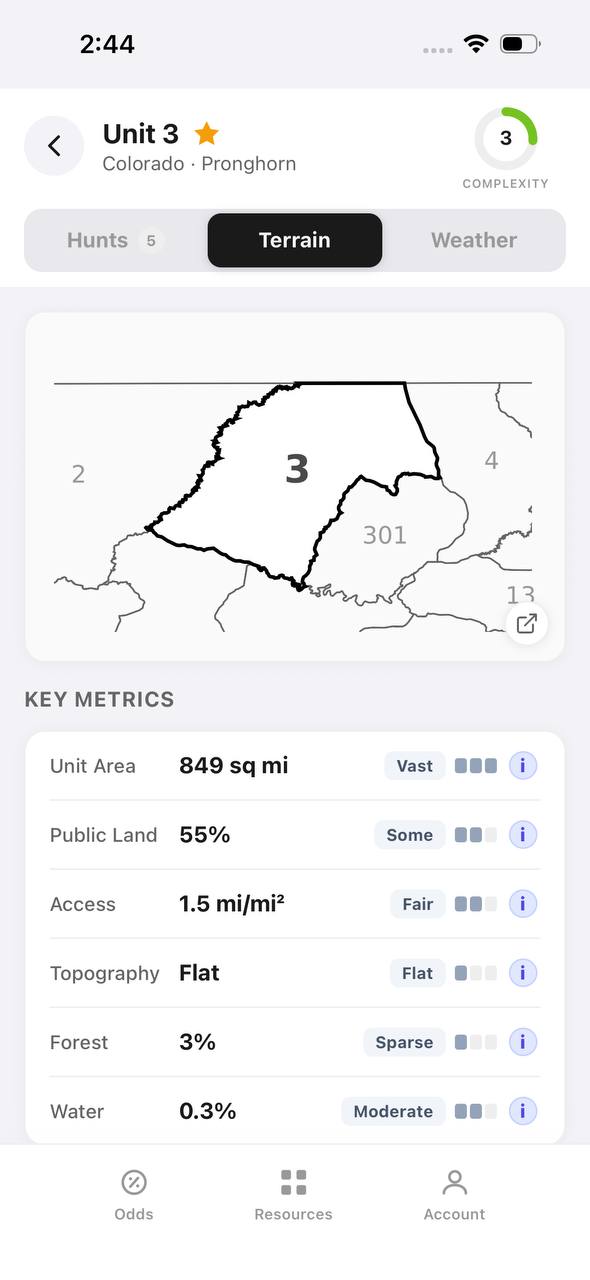
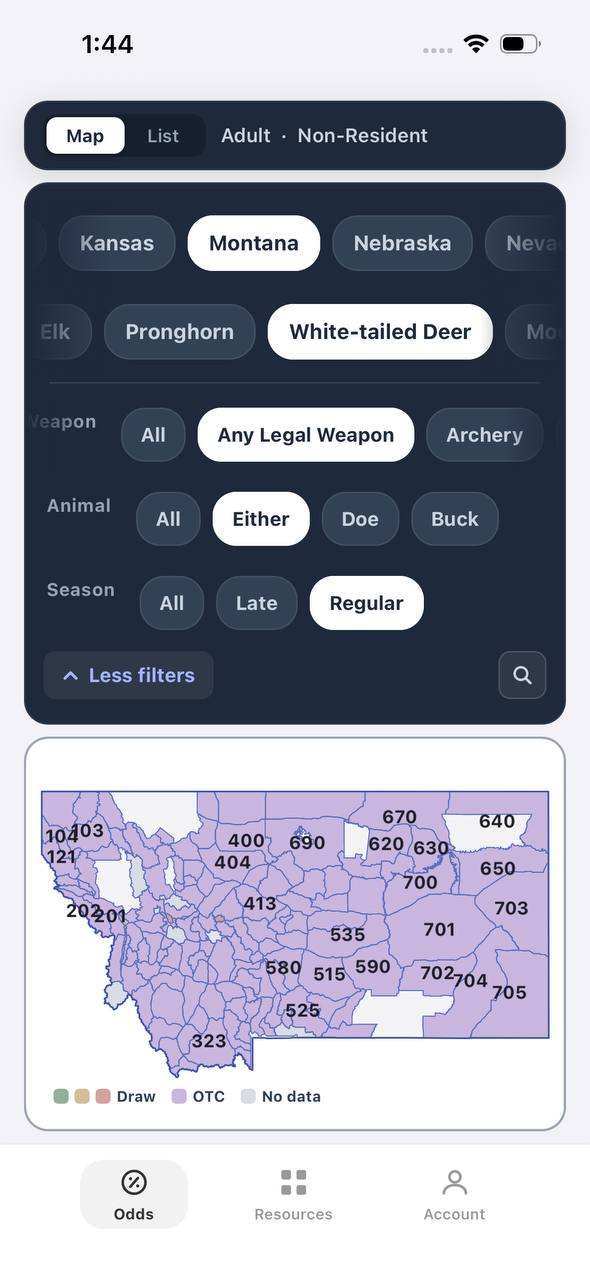
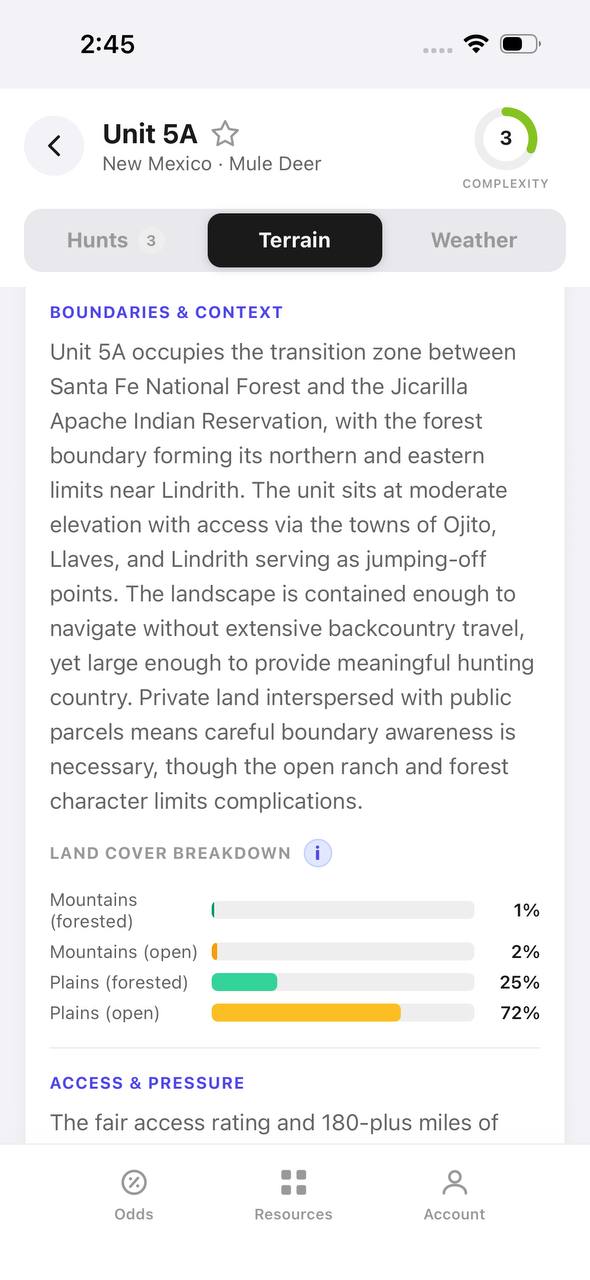
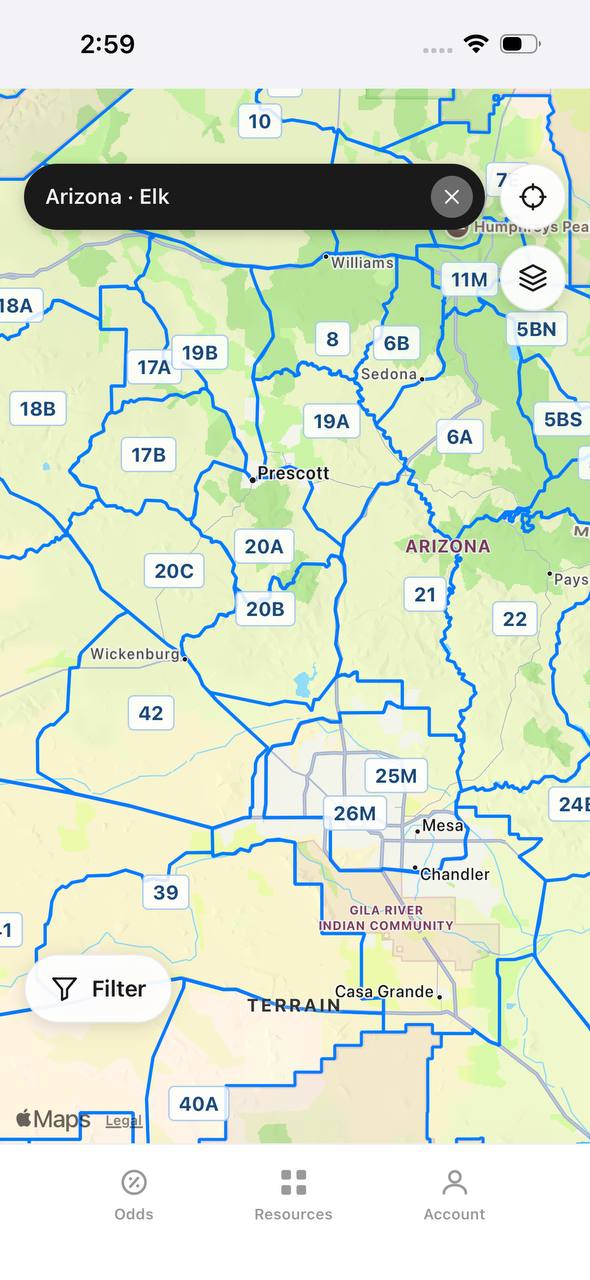
Once you draw, spend serious time scouting. Super Hunt units are often roadless backcountry with minimal infrastructure. TAGZ provides terrain maps, unit boundaries, and public land layers for every Idaho unit. Use these tools to identify access points, glassing ridges, and camp locations before opening day.
FAQ — Idaho Super Hunt
When is the Idaho Super Hunt deadline for 2027?
The deadline is May 31, 2027, at 11:59 PM Mountain Time. Entries open April 1, 2027.
Can nonresidents apply for Idaho Super Hunt?
Yes. Nonresidents can apply for any species. You must hold or purchase an Idaho hunting license at the time of entry.
How much does it cost to enter?
The entry fee is $10 per species, with a maximum of two species per application. Total entry cost is $20 or less.
Do preference points matter in Super Hunt?
No. Super Hunt is a true random draw. Point totals from the regular controlled hunt do not affect your odds.
What are my odds of drawing a sheep tag?
Sheep tag odds range from 1 in 500 to 1 in 1,000 depending on the number of entries. Exact odds are published after the drawing.
Can I apply for both Super Hunt and the regular controlled hunt?
Yes. You can enter both drawings in the same year without penalty. Many hunters use Super Hunt as a backup strategy.
Continue Planning Your Hunt
Idaho Super Hunt tags are some of the best sleeper opportunities in Western big game hunting. If you are serious about hunting elk, sheep, or moose in roadless country, the May 31 deadline should be on your calendar.
Use TAGZ to compare Super Hunt odds to your regular draw strategy across multiple states. Track your preference points, filter units by terrain and public land access, and build a multi-state application plan that maximizes your odds of hunting this fall. Whether you are chasing OTC tags or planning a trophy limited-entry hunt, TAGZ gives you the tools to make smarter decisions before you ever step into the field.
Explore more Idaho hunting strategies and Western application deadlines on the TAGZ Insights blog at https://www.getmytagz.com/insights. Ready to plan your next hunt? Visit https://www.getmytagz.com/product to see how TAGZ simplifies draw odds, point tracking, and unit research.
Was this article helpful?
Previous
Best Idaho Elk Units to Hunt If You Win the Super Hunt
Idaho's Super Hunt raffle grants winners access to any elk unit during rifle or archery season. Here's how to maximize your once-in-a-lifetime opportunity by choosing the right unit and timing your hunt strategically.
Related
Idaho Super Hunt for Nonresidents 2027: Odds & Cost
Nonresidents can enter Idaho's Super Hunt drawings for deer, elk, pronghorn, and moose without purchasing a hunting license, with entries costing $6 each and no limit on how many you can buy.

Next
Can You Hunt Any Unit With an Idaho Super Hunt Tag?
Idaho Super Hunt tags unlock premium hunting opportunities, but they come with specific unit restrictions. Understanding which units your tag covers—and which require separate permits—is critical for planning a successful hunt.