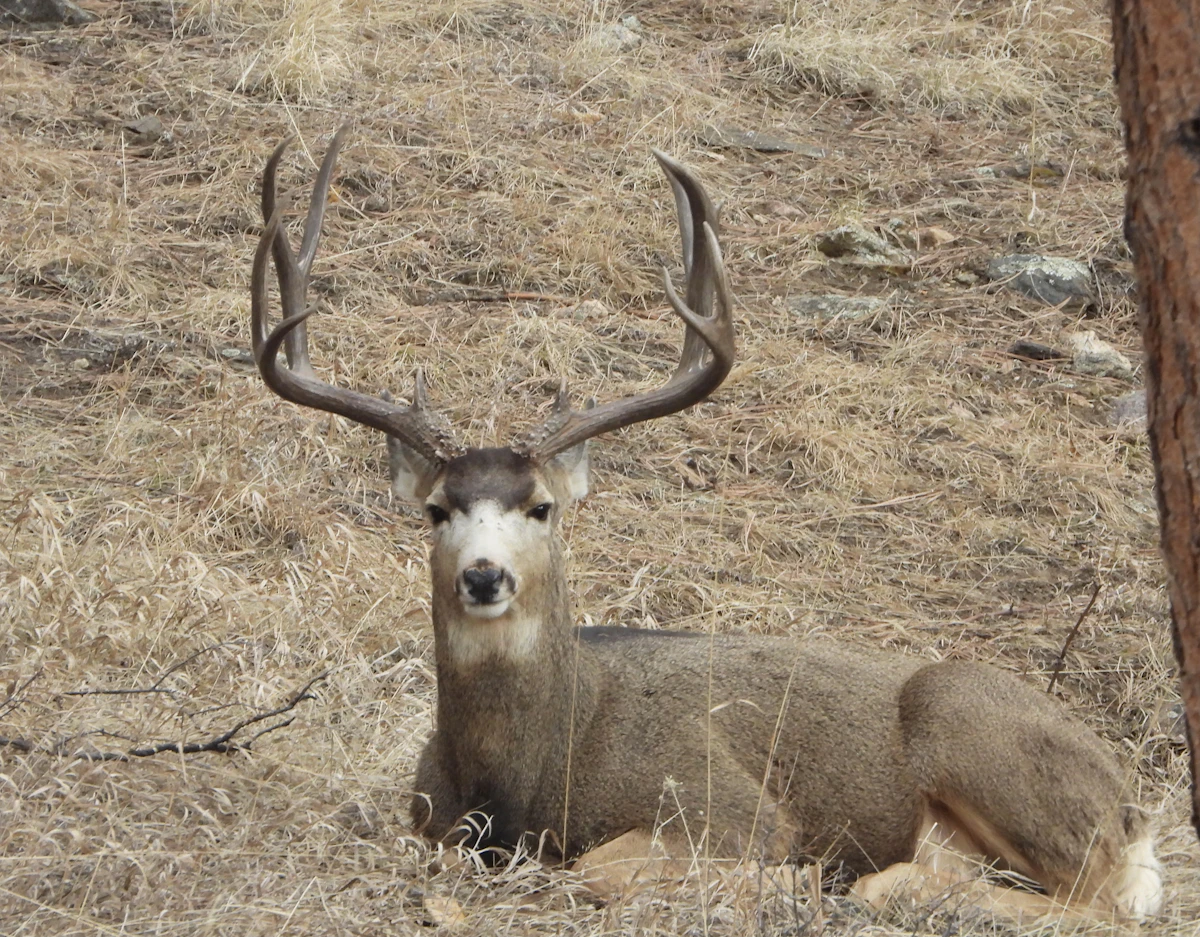
Idaho Moose Super Hunt 2027: Odds, Rules, and Application Strategy
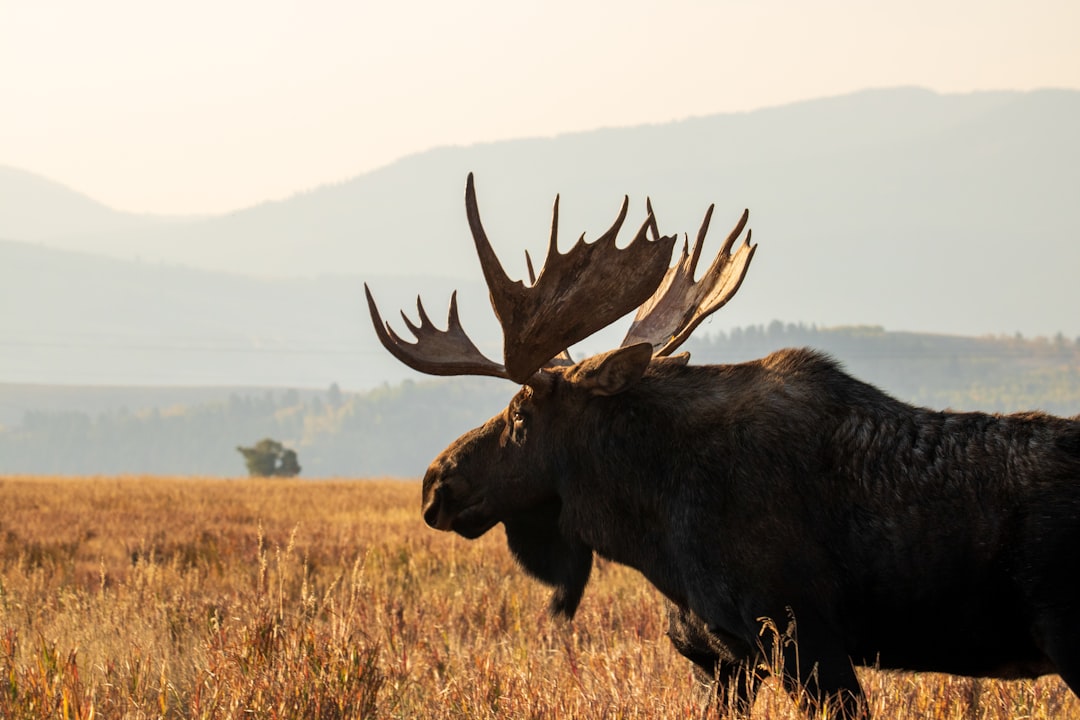
Idaho runs two separate moose lotteries each year. Most hunters know about the regular controlled hunt draw that requires moose-specific preference points. Fewer understand the Moose Super Hunt — a parallel lottery that gives any big-game license holder a shot at premium bull tags without using points or affecting their standing in the regular draw. The 2027 Super Hunt follows the same rules as previous years, but understanding the nuances of odds, unit selection, and application timing can make the difference between treating it as a throwaway entry and using it as a legitimate path to a moose tag.
What Is the Idaho Moose Super Hunt?
The Moose Super Hunt is a bonus lottery separate from Idaho's standard controlled hunt system. It awards a small number of any-bull moose tags in premium units through a random draw that ignores preference points entirely. You do not need moose points to enter, and applying for the Super Hunt does not burn points or prevent you from applying in the regular moose draw the same year.
Idaho Game and Fish created the Super Hunt decades ago to generate additional license revenue while giving hunters with zero points a legitimate chance at tags that would otherwise require a decade or more of point accumulation. The catch is that tag quotas are tiny — most units offer only one or two Super Hunt tags — and you are competing against the entire pool of Idaho big-game license holders, not just moose applicants.
The Super Hunt runs on a separate application timeline. For 2027, the application period opens in early December 2026 and closes in early January 2027. Results are drawn in late January, well before the regular controlled hunt draw in April. This timing lets you apply for both without conflict.
2027 Odds and Tag Allocation
Super Hunt odds are tough but not impossible. Statewide, roughly 12,000 to 15,000 hunters apply each year for approximately 30 to 40 moose tags spread across Idaho's moose units. Overall odds hover around 0.25% to 0.35% — one in 300 to one in 400 — but unit-specific odds vary widely based on tag quotas and applicant interest.
Units 1, 4, 6, and 10 historically see the heaviest application pressure because they produce trophy bulls and offer good access. Units like 60A, 66, and 73 in the Panhandle also draw attention due to Shiras moose quality and hunter success rates. In contrast, units with rougher terrain or lower moose densities — such as 75 or portions of the Clearwater region — may see slightly better odds simply because fewer hunters risk their one Super Hunt choice on them.
Tag numbers for 2027 have not been finalized as of late 2026, but Idaho Fish and Game typically allocates Super Hunt tags at roughly 5% to 10% of the total controlled hunt quota for a given unit. If a unit offers 10 regular moose tags, expect one or two Super Hunt tags. Units with smaller overall quotas may offer zero Super Hunt tags, so check the official proclamation before applying.
Odds do not improve with preference points because the Super Hunt does not use them. A first-year resident and a 15-point nonresident have identical chances. This makes the Super Hunt one of the few true lottery draws left in the West where newcomers and veterans compete on equal footing.
Eligibility and Application Rules
Any hunter who holds a valid Idaho big-game hunting license or combination license for the current license year can apply for the Moose Super Hunt. You do not need a separate moose license, and you do not need to have applied for moose in previous years. Nonresidents are eligible, though they face the same statewide 10% cap on controlled hunt tags that applies to regular moose draws. The Super Hunt does not have a separate nonresident quota — nonresident tags come out of the overall controlled hunt allocation.
You can apply for only one Moose Super Hunt unit per year. If you apply for multiple units, the system will reject your application. Choose carefully — there are no refunds, and you cannot change your unit choice after submission.
Applying for the Super Hunt does not affect your ability to apply in the regular controlled hunt draw in April. You can enter both lotteries for different units or even the same unit if you want. Drawing a Super Hunt tag does not burn your moose preference points, but it does make you ineligible to apply in the regular draw that same year because Idaho prohibits hunters from holding two moose tags simultaneously.
If you draw a Super Hunt tag and fail to harvest a bull, you are eligible to apply again the following year. Idaho does not impose a waiting period after a Super Hunt harvest, though some hunters voluntarily sit out to let point totals build in the regular draw.
Unit Selection Strategy
Picking a unit for the Super Hunt comes down to balancing trophy potential, access, odds, and backup plans. Because you are competing against thousands of applicants for one or two tags, most hunters treat the Super Hunt as a long-shot bonus entry rather than their primary moose strategy. That said, a few strategic considerations can tilt the odds slightly in your favor.
Focus on units that offer Super Hunt tags every year. Some smaller units rotate in and out of the Super Hunt allocation based on population surveys and harvest data. A unit that offered a tag in 2025 and 2026 is more likely to offer one in 2027 than a unit with sporadic history. The official proclamation released in November confirms which units are in play for the upcoming Super Hunt.
Consider applying for a different unit in the Super Hunt than you plan to apply for in the regular draw. If you draw the Super Hunt tag, you cannot also draw your first-choice regular tag, but you also will not burn points waiting. Some hunters use the Super Hunt to gamble on a trophy unit they would never burn 12 points on while using their regular application for a safer mid-tier unit.
Nonresidents should weigh the 10% cap carefully. Drawing a nonresident Super Hunt tag is statistically harder than drawing as a resident because fewer tags are available. If you are a nonresident with five or more moose points, the regular draw may offer better odds in mid-demand units than the Super Hunt offers statewide.
Access matters more in the Super Hunt than in the regular draw. Because Super Hunt tags are valid for the entire moose season — typically mid-September through late November — you have more flexibility to scout and hunt than regular tag holders who may draw only a short split season. Units with good road access or nearby public land camping let you maximize that advantage without requiring a full wilderness camp commitment.
Application Process and Deadlines
The 2027 Moose Super Hunt application opens in early December 2026 through Idaho Fish and Game's online licensing portal. The deadline falls in early January 2027 — exact dates are announced in November. Late applications are not accepted, and the system locks at midnight Mountain Time on the closing date.
The application fee is $6.75 for residents and $16.75 for nonresidents as of 2026. These fees are nonrefundable whether you draw or not. If you draw a tag, you must purchase the moose license within the timeframe specified in your draw notification — typically 10 days. Residents pay $226.75 for a moose license; nonresidents pay $2,326.75. If you fail to purchase the license by the deadline, the tag goes to an alternate.
Idaho does not use a preference point system for the Super Hunt, so there is no point fee and no point-banking strategy. You simply submit your application, select your unit, pay the fee, and wait for the draw results in late January.
Results are posted online and sent via email if you opted into notifications during application. Alternates are also selected in order — if a successful applicant fails to purchase their license, the first alternate for that unit is offered the tag. Being selected as an alternate does not guarantee a tag, but it gives you a standby chance through early February.
How the Super Hunt Affects Your Regular Draw Strategy
The Super Hunt and regular controlled hunt draw operate independently until you draw a tag. Applying for one does not hurt your odds in the other, and you can apply for both in the same year without penalty. However, once you draw a Super Hunt tag, you become ineligible to draw a regular moose tag that same year.
This creates a strategic decision point for hunters with significant moose points. If you have 10-plus points and are planning to burn them on a trophy unit in the 2027 regular draw, drawing a Super Hunt tag in January means you cannot apply in April. You will not lose your points — they carry forward to 2028 — but you miss a year of point growth and delay your trophy hunt.
Some hunters with high point totals skip the Super Hunt entirely to avoid this conflict. Others apply for a lower-demand Super Hunt unit they would be happy hunting while reserving their points for a different unit in the regular draw. There is no wrong answer, but the decision should be intentional.
For hunters with zero to three points, the Super Hunt is a pure upside gamble. You are unlikely to draw a premium tag in the regular draw anyway, so the Super Hunt gives you a second lottery ticket at no strategic cost. Even if you draw, you can hunt the Super Hunt tag and start rebuilding points immediately.
License Purchase and Tag Validation
If you draw a Moose Super Hunt tag, you receive an email notification and a purchase deadline. Residents and nonresidents must log into the Idaho licensing system and complete the license purchase within 10 days of the draw results. Missing this deadline forfeits your tag with no refund of the application fee.
The moose license includes the tag itself, which must be validated and attached to the animal immediately after harvest. Idaho requires hunters to report their harvest within 10 days and submit the skull and hide to Fish and Game for inspection and chronic wasting disease testing if applicable. Moose are exempt from CWD testing as of 2026, but mandatory harvest reporting still applies.
Super Hunt tags are valid for the entire moose season in your unit, which typically runs from mid-September through late November depending on the zone. Unlike some controlled hunt tags that restrict hunters to a specific weapon or short date range, Super Hunt tags allow any legal weapon during any open portion of the season. This gives you maximum flexibility to hunt the rut, adjust for weather, or target late-season bulls after hunting pressure drops.
Comparison to Other Western Moose Opportunities
Idaho's Moose Super Hunt is one of the few true random-draw moose opportunities left in the West. Most states use preference points or bonus points, which favor applicants with years of investment. Wyoming offers a random lottery for moose but uses a complicated preference point hybrid that still weights draws toward high-point holders. Montana uses a bonus point squared system that similarly favors veterans. Idaho's Super Hunt ignores points entirely.
For nonresidents, Idaho's Super Hunt is cheaper to enter than most Western moose draws. The $16.75 application fee is a fraction of what Wyoming, Montana, or Utah charge, and the tag cost — while expensive at $2,326.75 — is comparable to other states. The lack of a point investment requirement makes Idaho one of the only states where a nonresident can realistically draw a moose tag in their first year of applying.
Odds are worse in Idaho's Super Hunt than in states with smaller applicant pools, but the quality of bulls and the length of the season offset that disadvantage. Idaho Shiras moose average 40 to 50 inches, with trophy bulls exceeding 50 inches in units 1, 4, 6, and 10. Success rates for moose hunters statewide run 60% to 75%, among the highest in the West.
The Super Hunt also does not lock you into a single-state strategy. You can apply for Idaho's Super Hunt in January, Idaho's regular moose draw in April, and still apply in Montana, Wyoming, and Utah without conflicts. Most serious moose hunters treat the Super Hunt as one piece of a multi-state application portfolio rather than a standalone strategy.
Common Mistakes to Avoid
The most common mistake is applying for multiple units. Idaho's system allows only one Super Hunt application per hunter per year. If you submit applications for two units, both are rejected, and you forfeit your fees. Double-check your unit selection before submitting.
Another mistake is assuming the Super Hunt burns your moose points. It does not. Drawing a Super Hunt tag makes you ineligible to draw a regular tag that same year, but your points carry forward untouched. If you had 8 points before the Super Hunt draw and you draw a tag, you still have 8 points for the 2028 regular draw. You do not earn a point for 2027 because you did not apply in the regular draw, but you do not lose points either.
Some hunters apply for the Super Hunt without checking whether their chosen unit offers a tag that year. Tag allocations change based on population surveys. A unit that offered two Super Hunt tags in 2026 might offer zero in 2027 if moose numbers drop. The official proclamation is released in November — always verify your unit is included before applying.
Nonresidents sometimes assume the 10% cap gives them better odds in the Super Hunt than in the regular draw. It does not. The 10% cap applies to the total controlled hunt allocation, including Super Hunt tags. If 100 hunters apply for one nonresident Super Hunt tag, your odds are 1%, regardless of how the cap is structured. The regular draw may offer better odds in mid-tier units where fewer nonresidents apply.
Finally, some hunters fail to purchase their license on time after drawing. Idaho does not send multiple reminders, and the 10-day purchase window is firm. Set a calendar alert and check your email immediately after the draw results are posted in late January.
Long-Term Point Strategy and the Super Hunt
The Super Hunt does not fit neatly into long-term point strategies because it does not use points. However, it can complement a regular draw strategy if used correctly.
Hunters with zero to five moose points should apply for the Super Hunt every year. The odds are low, but the cost is minimal, and drawing a tag does not interfere with point accumulation in any meaningful way. You lose one year of point growth if you draw, but you gain a moose tag, which is the goal.
Hunters with six to 10 points face a tougher decision. You are close to being competitive for mid-tier units in the regular draw, and drawing a Super Hunt tag delays that timeline by a year. If you apply for the Super Hunt, choose a unit you would genuinely be excited to hunt — a trophy area you might not burn 10 points on, or a wilderness unit you have always wanted to explore. Do not waste your Super Hunt application on a mediocre unit just to have a tag.
Hunters with 11-plus points who are planning to burn points in the next two years should consider skipping the Super Hunt. Drawing a tag in January means you cannot apply in April, and that delay could cost you a year of point growth at a critical threshold. If you are sitting on 14 points and planning to apply for a unit that requires 15, drawing a Super Hunt tag in 2027 pushes your trophy hunt to 2029 instead of 2028.
That said, some high-point holders apply for low-demand Super Hunt units they would never burn points on. If you have 12 points and you are planning to hunt Unit 1 in two years, applying for Unit 75 in the Super Hunt gives you a chance at a moose tag without risking your long-term plan. If you draw, you hunt a different area and still have 12 points for Unit 1 in 2028. If you do not draw, nothing changes.
FAQ — Idaho Moose Super Hunt
Does applying for the Super Hunt hurt my regular moose draw odds?
No. The Super Hunt and regular controlled hunt draw are completely separate lotteries. Applying for one does not affect your odds or eligibility in the other.
Can I apply for the Super Hunt and the regular draw in the same year?
Yes. You can apply for both in the same year for different units or even the same unit. However, if you draw a Super Hunt tag in January, you cannot apply in the regular draw in April because Idaho prohibits hunters from holding two moose tags simultaneously.
Do I need moose preference points to apply for the Super Hunt?
No. The Super Hunt does not use preference points at all. Every applicant has equal odds regardless of how many points they have.
What are my odds of drawing a Super Hunt tag?
Overall odds are roughly 0.25% to 0.35%, or about one in 300 to one in 400. Unit-specific odds vary based on tag quotas and applicant interest, but no unit offers better than 1% to 2% odds in most years.
If I draw a Super Hunt tag, do I lose my moose points?
No. Drawing a Super Hunt tag does not burn or reduce your moose preference points. Your points carry forward to the next year untouched. You will not earn a new point for 2027 because you cannot apply in the regular draw, but you do not lose existing points.
Can nonresidents apply for the Idaho Moose Super Hunt?
Yes. Nonresidents are eligible and face the same application process and odds as residents. However, the statewide 10% nonresident cap on controlled hunt tags applies, which can reduce the number of nonresident Super Hunt tags available depending on total allocations.
Continue Planning Your Hunt
Idaho's Moose Super Hunt is a low-cost, high-reward gamble that fits into nearly every Western big-game hunter's application strategy. Whether you are building points in the regular draw or applying across multiple states, the Super Hunt gives you one extra chance at a tag without downside risk. Understanding how the separate lottery works, what your real odds are, and how drawing a tag affects your long-term point strategy helps you make smarter decisions before the January deadline.
For hunters who want to compare Idaho moose units side by side using draw odds, terrain maps, and historical success rates, TAGZ makes unit research faster and more strategic. Track your preference points across Idaho and other Western states, filter hunts by weapon and season, and set draw deadline reminders so you never miss an application window. Whether you are chasing a Super Hunt longshot or planning a multi-year point strategy for a trophy bull, TAGZ gives you the data and tools to make confident decisions before you ever step into the field. Explore Idaho moose hunts and start planning your 2027 applications at TAGZ.
For more Western big-game draw strategies, unit breakdowns, and application deadline updates, visit the TAGZ Insights blog. Compare pricing and see how TAGZ helps you maximize draw opportunities at TAGZ Pricing. Ready to start researching units and tracking your points? Check out the full TAGZ platform and take control of your Western hunting applications.
Was this article helpful?
Previous
Idaho Elk Super Hunt 2027: How to Apply and Where You Could Hunt
Idaho's Elk Super Hunt offers a once-in-a-lifetime chance to hunt trophy-class bulls on private ranches. Learn how to enter the 2027 drawing, what the license covers, and where past winners have hunted.
Next
Idaho Mule Deer Super Hunt 2027: Everything You Need to Know
Idaho's Mule Deer Super Hunt offers nonresidents a chance at trophy units without points. Learn how the lottery works, which units are included, application strategies, and whether this unique opportunity fits your 2027 hunt plan.