Idaho Mule Deer Super Hunt 2027: Everything You Need to Know
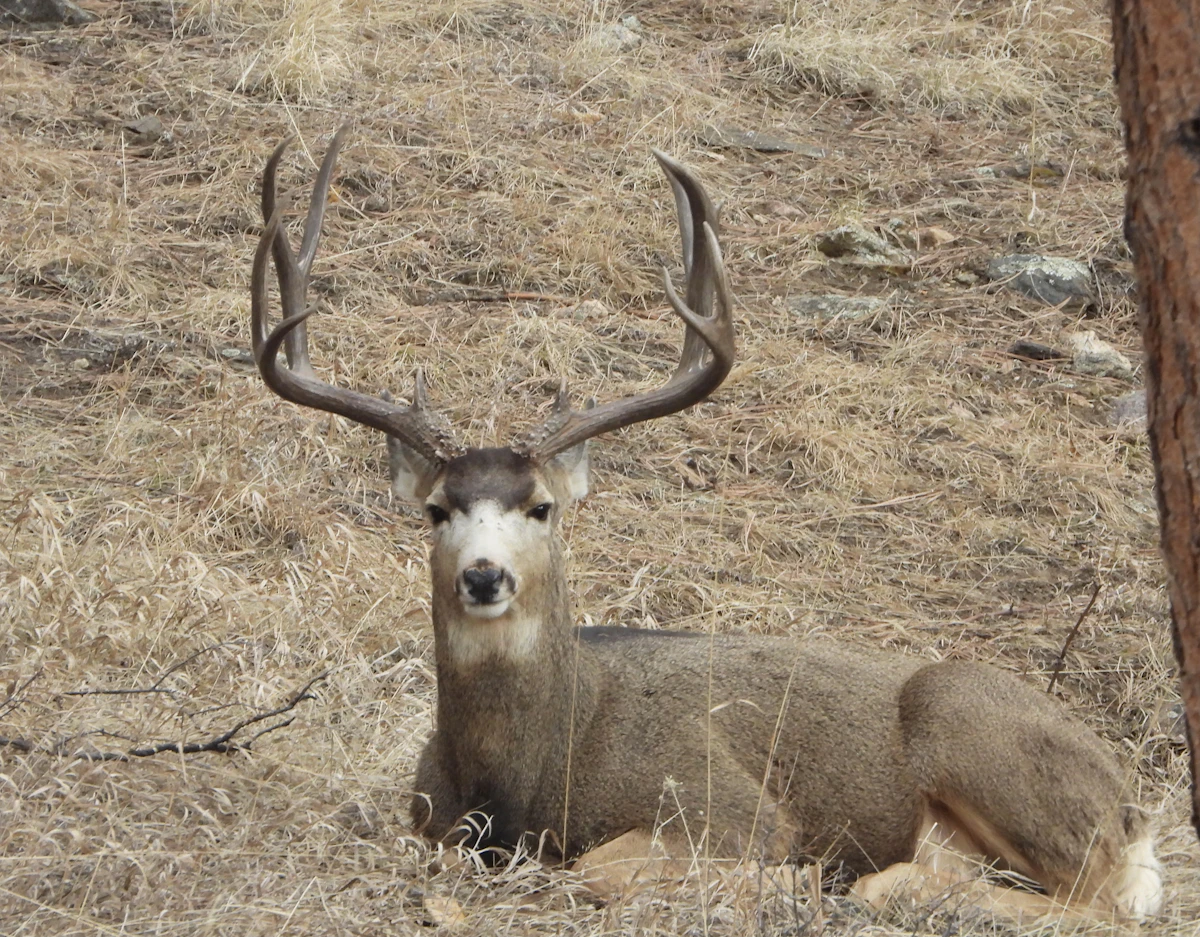
Idaho's Mule Deer Super Hunt lottery gives nonresident hunters something rare in the modern West: a legitimate shot at hunting premier mule deer country without needing a decade of preference points. Every year, Idaho Fish and Game sets aside a small number of controlled hunt tags specifically for this random draw, and 2027 will be no different. If you have been watching point creep swallow opportunities in other states, the Super Hunt deserves a hard look.
What Is the Idaho Mule Deer Super Hunt?
The Super Hunt is a separate lottery for nonresident hunters who did not draw a controlled hunt tag in Idaho's main draw. After regular controlled hunt tags are allocated in the spring, Idaho Fish and Game randomly selects a pool of leftover premium mule deer tags and makes them available exclusively to out-of-state applicants through a second-chance drawing.
This is not a leftover tag sale where you refresh a webpage at midnight. It is a true lottery with no preference for points, previous applications, or resident status. One Super Hunt application costs the same as any other nonresident controlled hunt attempt, but the odds are consistently better than applying in the main draw for the same units. The catch is simple: you cannot know exactly which units will be available until after the main draw results are posted, typically in late April or early May.
Which Units Are Included in the Super Hunt?
The unit list changes every year depending on which tags go undrawn or are returned after the main controlled hunt draw. Historically, the Super Hunt has included some of Idaho's most coveted mule deer country, particularly in the southern and central regions where mature bucks and big-bodied deer are the norm.
Units that have appeared in past Super Hunt offerings include Zone 66 (Sawtooth), Zone 39 (Boise River), Zone 45 (South Hills), and portions of the Owyhee Desert. These are not second-tier scraps. Many of these units require multiple preference points for residents to draw in the main lottery, yet they become available to nonresidents in the Super Hunt with zero points required.
That said, availability fluctuates. A unit that shows up one year might not appear the next if draw demand increases or if fewer tags are returned. The only way to know the 2027 Super Hunt unit list with certainty is to wait until Idaho Fish and Game publishes it after the main draw closes in early April. TAGZ will update unit availability and historical Super Hunt data as soon as the list goes live, so you can compare odds and terrain before the Super Hunt application window opens.
Application Timeline for 2027
The Super Hunt application window is short and unforgiving. Miss it by a day, and you wait another year. Here is how the timeline typically plays out:
- December 1, 2026 through April 5, 2027: Main controlled hunt application period for residents and nonresidents.
- Late April 2027: Main draw results posted. Unsuccessful nonresident applicants become eligible for the Super Hunt.
- Mid to late May 2027: Super Hunt application window opens for approximately 10 days.
- Early June 2027: Super Hunt results announced.
Mark your calendar now. The exact dates shift slightly year to year, but the window is always brief, and Idaho does not send reminder emails. If you applied in the main draw and did not draw, you are automatically eligible for the Super Hunt, but you still have to submit a separate application during the Super Hunt window. It is not automatic entry.
Draw Odds and Strategy
Super Hunt draw odds vary by unit but are generally better than main draw odds for the same tag. In recent years, odds have ranged from 1 in 5 to 1 in 30 depending on the desirability of the unit and how many tags are available. A unit like Zone 66, which might take three or more preference points to draw as a resident in the main lottery, could show Super Hunt odds around 5 to 10 percent for nonresidents with zero points.
This creates a genuine strategic question: should you burn a main draw application on a long-shot trophy unit, or should you apply for something easier knowing you will get a second chance at premium units in the Super Hunt? There is no universal answer, but here is a framework that works for most hunters.
If you have never hunted mule deer in Idaho and want to guarantee a tag, apply for a general season or easier controlled hunt unit in the main draw. These units still produce solid bucks, and you will learn Idaho's terrain and tactics. Then, if you do not draw, throw your name into the Super Hunt for a premium unit. You risked nothing and gained a second chance.
If you are chasing a specific trophy unit and do not care whether you hunt Idaho this year or next, apply for that unit in the main draw and again in the Super Hunt if you strike out. Your odds of drawing one of the two attempts are better than applying for the trophy unit only once. Just understand you might go home empty-handed if neither draw works out.
What to Know Before You Apply
The Super Hunt is nonresident-only. Residents cannot participate. If you drew any Idaho controlled hunt tag in the main draw, you are ineligible for the Super Hunt even if you drew a different species or weapon type. The system assumes one controlled hunt per person per year.
You can only apply for one Super Hunt unit. Choose carefully. Unlike some states where you can list multiple choices, Idaho's Super Hunt is a single-unit commitment. If you apply for Zone 66 and do not draw, you do not get rolled into a second-choice unit. You are done until next year.
Super Hunt tags are valid for the same season dates and weapon restrictions as the main controlled hunt tags. If the unit you draw is archery-only or allows rifles during a specific two-week window in October, those rules apply to Super Hunt tag holders as well. Double-check season dates and weapon types before you apply. TAGZ displays this data for every unit so you can filter by season and confirm the hunt aligns with your schedule and gear.
How TAGZ Helps You Plan Your Super Hunt Application
Waiting until May to research units is a mistake. By the time the Super Hunt list goes live, you have less than two weeks to compare terrain, access, draw history, and hunter success. That is not enough time to make a confident decision if you are starting from scratch.
TAGZ lets you research Idaho mule deer units year-round using terrain maps, unit boundaries, public land overlays, and historical draw data. You can build a short list of units you would apply for if they appear in the Super Hunt, then track their availability as soon as Idaho posts the list. When the application window opens, you already know which unit you want and why.
The platform also tracks your application history across all Western states so you can see at a glance whether you are eligible for the Super Hunt or if you already drew a tag elsewhere that would disqualify you. It eliminates the guesswork and keeps you from wasting time on units that do not fit your weapon, season, or experience level.
Is the Super Hunt Worth It?
For most nonresident mule deer hunters, yes. The application cost is the same as any other controlled hunt entry, the odds are often better than the main draw for the same units, and you lose nothing by applying if you already struck out in the main lottery. The worst-case scenario is you do not draw and you hunt a general unit or a different state instead. The best-case scenario is you pull a tag for a unit that would have taken years to draw through the normal system.
The Super Hunt also rewards hunters who stay informed and move quickly. The application window is short, the unit list is unpredictable, and most applicants do not prepare in advance. If you know which units you want before the list drops and you apply within the first few days of the window, you are ahead of the majority of the applicant pool who are still scrambling to research units.
Idaho's mule deer hunting has its challenges like any state, including variable winter survival and hunting pressure in accessible areas, but the Super Hunt remains one of the best second-chance opportunities in the West. If you are serious about hunting mature mule deer without waiting a decade for points to accumulate, the 2027 Super Hunt belongs on your application calendar.
FAQ — Idaho Mule Deer Super Hunt
Can I apply for the Super Hunt if I already drew an Idaho deer tag?
No. If you drew any Idaho controlled hunt tag in the main draw, you are ineligible for the Super Hunt. This includes tags for other species or weapon types.
Do I need preference points to apply?
No. The Super Hunt is a random lottery. Idaho does not use preference points for any species, so every applicant has an equal chance regardless of application history.
When will I know which units are available?
Idaho posts the Super Hunt unit list in late April or early May after main draw results are finalized. The exact date varies slightly year to year.
Can residents participate in the Super Hunt?
No. The Super Hunt is exclusively for nonresident hunters who did not draw a controlled hunt tag in the main lottery.
What happens if I apply for a unit and do not draw?
You do not draw a tag, and you cannot reapply until the following year. There are no second-choice units or preference points awarded for unsuccessful Super Hunt applications.
How do Super Hunt odds compare to the main draw?
Super Hunt odds are typically better than main draw odds for the same units, often ranging from 5 to 20 percent depending on tag availability and demand. TAGZ provides historical odds for every unit so you can compare before you apply.
Was this article helpful?
Previous
Idaho Elk Super Hunt 2027: How to Apply and Where You Could Hunt
Idaho's Elk Super Hunt offers a once-in-a-lifetime chance to hunt trophy-class bulls on private ranches. Learn how to enter the 2027 drawing, what the license covers, and where past winners have hunted.
Next
Idaho Moose Super Hunt 2027: Odds, Rules, and Application Strategy
Idaho's Moose Super Hunt offers any-species hunters a shot at a trophy bull tag through a separate lottery. Learn how the 2027 draw works, what your real odds are, and how to maximize your chances without affecting your regular moose applications.