Idaho Controlled Hunt Draw Guide 2027: Application Strategy & Success Tips
Idaho's controlled hunt system offers some of the West's best hunting value, with thousands of premium tags available each year at a fraction of the cost of other western states. The 2027 draw opens January 1 and closes at 11:59 PM Mountain Time on April 30, giving hunters four full months to research units, build applications, and strategize for tags that can take decades to draw elsewhere. Understanding how Idaho's bonus point system works and which hunts offer realistic odds makes the difference between wasting preference points and walking away with a coveted tag.
How Idaho's Controlled Hunt System Works
Idaho runs a single annual controlled hunt draw in spring for permits valid the following hunting season. Unlike preference point states where applicants accumulate guaranteed advancement, Idaho uses a bonus point system that increases your odds with each unsuccessful application but never guarantees a tag. Each bonus point gives you one additional entry in the random draw. An applicant with five bonus points gets six total chances in the lottery — one base entry plus five bonus entries.
The system is species-specific. Bonus points earned applying for elk do not transfer to deer, pronghorn, moose, or any other species. You earn one bonus point per species per year when you apply and are unsuccessful. If you draw a controlled hunt tag for that species, your bonus points for that species reset to zero. This creates a critical strategic decision: do you burn points on a mid-tier hunt with good odds, or hold out for a premium unit where you might need a decade of points?
Idaho residents and nonresidents participate in the same draw pools for most controlled hunts, though some units have resident-only quotas or separate nonresident caps. Nonresidents face a 10% cap on most big game permits, but popular units often see nonresident odds significantly lower than resident odds due to heavy application pressure.
2027 Application Deadlines and Fees
The controlled hunt application window runs January 1 through April 30, 2027, at 11:59 PM Mountain Time. Applications submitted after the deadline are not accepted under any circumstances. Idaho Fish and Game does not process late or incomplete applications, and technical issues with the online portal are rarely grounds for exceptions.
Application fees for 2027 are $5.25 for residents and $16.75 for nonresidents. These are non-refundable even if you are unsuccessful in the draw. If you draw a tag, the application fee is credited toward your license cost. You do not need to purchase a hunting license before applying, but you must have created an IDFG account and have a valid customer ID number.
Tag fees vary by species and residency. Resident controlled hunt elk tags cost $26.75 to $41.75 depending on the unit, while nonresident elk tags run $416.75 to $566.75. Deer tags range from $26.75 to $31.75 for residents and $301.75 to $351.75 for nonresidents. Moose, bighorn sheep, and mountain goat tags command significantly higher prices, with nonresident moose tags exceeding $2,000.
Bonus Point Strategy for Maximum Draw Success
Idaho's bonus point system rewards patience and strategic planning. Because points increase your odds but never guarantee a draw, understanding how many points realistically improve your chances is critical. A unit with 5% resident odds and 2% nonresident odds in the zero-point pool might jump to 25% resident odds and 10% nonresident odds for applicants with three bonus points.
The mistake many hunters make is treating Idaho like a preference point state. They assume ten bonus points guarantee a premium tag. In reality, even applicants with maximum points often compete in crowded pools where random chance still determines outcomes. Units like 66A for mule deer or Unit 10 for elk see hundreds of applicants with seven or more bonus points every year. Your odds improve, but you are never guaranteed the draw.
The smarter strategy is to identify units where your current point total gives you legitimate 20% to 40% odds. These are the sweet spot hunts where you have a real chance without burning a decade of investment on a single roll of the dice. Hunt codes with 8 to 15 total permits and moderate application pressure often hit this range for applicants with three to five points.
Consider applying for second-choice and third-choice hunts strategically. Idaho allows up to three hunt choices per application. Your second and third choices are only considered if you are not drawn for your first choice. This means you can shoot for a premium unit with your first choice, then list realistic backup hunts with better odds as your second and third choices. If your first choice does not hit, you still have two more chances to draw a quality tag without starting over next year.
Top Units and Species for the 2027 Draw
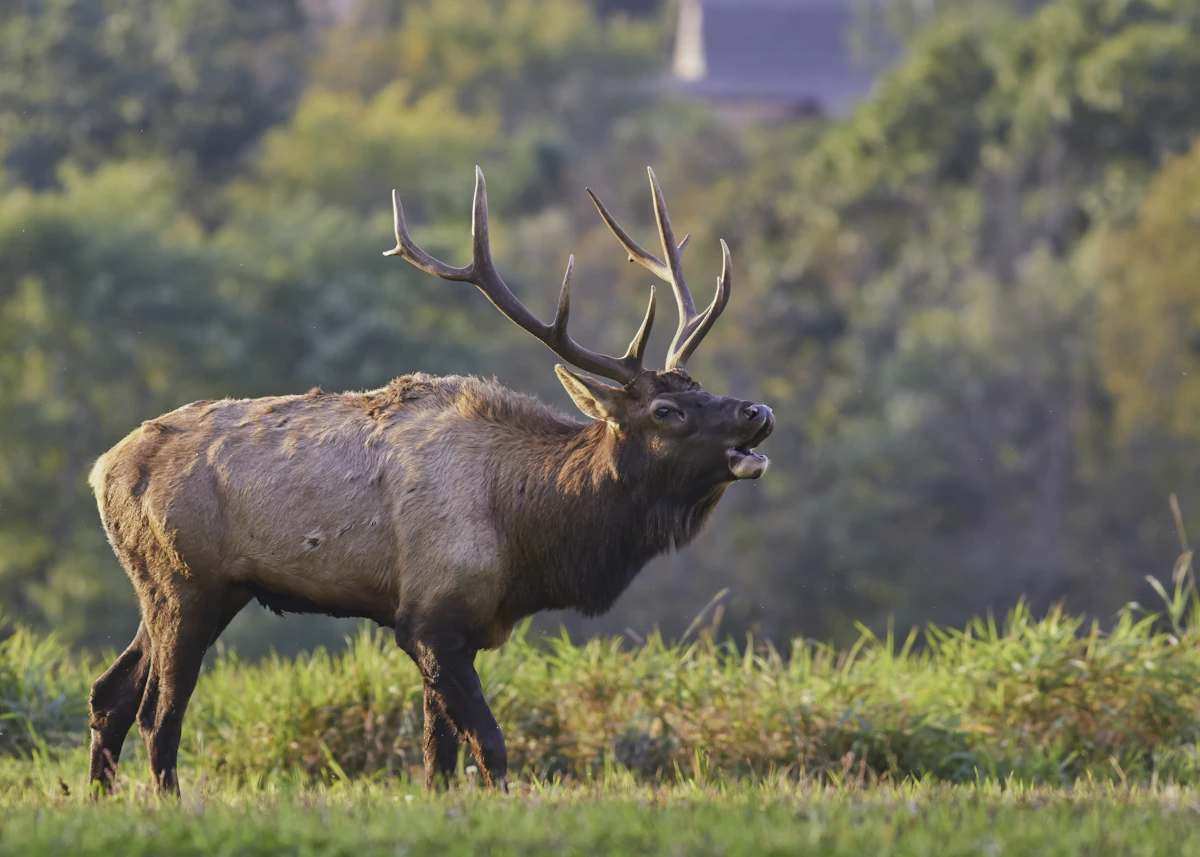
Elk remain Idaho's most popular controlled hunt species, with over 7,000 permits issued annually. Units 10, 28, 39, 66, and 77 consistently rank among the most coveted for trophy bulls and high success rates. Unit 10 in the Salmon region offers September archery hunts with bugling bulls and minimal rifle pressure. Success rates hover near 30% for mature bulls, but nonresident odds require seven or more bonus points to reach double digits.
Unit 66 in the Panhandle covers the St. Joe drainage and produces bulls in the 320 to 350 class regularly. The controlled rifle hunt runs late October into November, catching bulls transitioning to winter range. Resident odds with three points sit around 15%, while nonresidents need five or six points for similar chances. The tradeoff is difficult terrain, heavy timber, and weather that can close roads without warning.
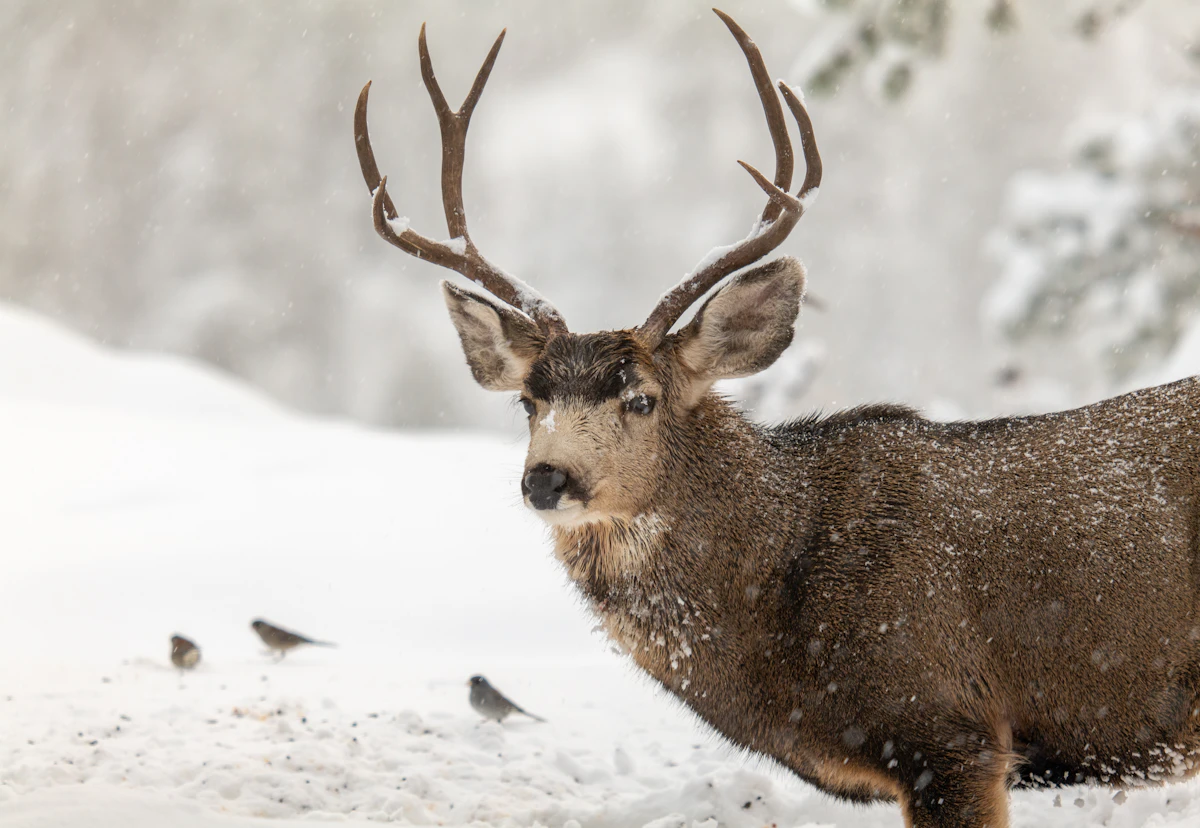
Mule deer controlled hunts in units 32, 36A, 66A, and 77 draw heavy competition for good reason. These units produce 170 to 190-inch bucks annually and offer late-season rut hunts when bucks are visible and vulnerable. Unit 36A along the Middle Fork Salmon is a resident-only hunt, making it one of the few places where nonresidents cannot compete. Resident odds with five points approach 20% to 25%, and success rates for mature bucks exceed 40%.
Pronghorn hunts in units 60, 62, and 64 offer some of the West's best draw odds for a species that requires a decade or more of points in Wyoming, Arizona, and Nevada. Idaho pronghorn tags often take zero to two bonus points for residents and two to four points for nonresidents. Success rates run 60% to 80%, and public land access is abundant across southern Idaho's high desert. Bucks in the 13 to 15-inch range are common, with occasional 16-inch trophies.
Moose permits are the holy grail of Idaho controlled hunts. Only 400 to 500 tags are issued statewide each year, split between Shiras moose in northern units and occasional Rocky Mountain moose in eastern Idaho near Yellowstone. Units 1, 6, 10A, 11, and 12 produce bulls in the 40 to 50-inch range. Draw odds are brutal even with maximum points. Nonresidents with ten bonus points face odds around 1% to 3% for top units, while residents with ten points might see 5% to 8%. The trade is that Idaho moose hunts have 70% to 90% success rates and reasonable tag costs compared to Alaska or Canada.
Understanding Draw Odds and Statistics
Idaho Fish and Game publishes detailed controlled hunt statistics each year showing the number of applicants, permits issued, and average bonus points for successful drawers. These reports are the single most valuable tool for building your application strategy. You can find them on the IDFG website under the Controlled Hunt section, typically posted in June or July after draw results are finalized.
Pay attention to the point breakdown for each hunt code. If a unit shows that 80% of successful applicants had five or more bonus points, you know applying with zero or one point is essentially a wasted application unless you are comfortable with lottery-ticket odds. Conversely, if 50% of successful applicants had zero to two points, that unit is a realistic target for newer applicants or those willing to take a chance.
Odds fluctuate year to year based on permit numbers, preference swings, and word-of-mouth reputation. A unit that was a sleeper three years ago might become oversubscribed once hunting forums and YouTube channels broadcast success stories. Always check the most recent statistics and avoid basing your strategy solely on older data.
TAGZ simplifies this process by aggregating historical draw data across multiple years and calculating your odds based on your current bonus point total. Instead of manually comparing spreadsheets and calculating probabilities, you can filter units by species, weapon type, season dates, and point requirements to instantly see which hunts match your goals. Track your bonus points for every species across Idaho and other western states so you never miss a deadline or forget where your points stand when application season opens.
Multi-Species Application Strategy
One of Idaho's biggest advantages is that you can apply for multiple species in the same year without penalty. Your elk application is separate from your deer application, which is separate from your pronghorn, moose, sheep, and goat applications. Each species has its own bonus point pool, and applying for one does not affect your odds or points for another.
This creates an opportunity to stack your odds. A hunter with three elk points, two deer points, and zero pronghorn points can apply for all three species in 2027 and potentially draw two or even three tags. Idaho allows you to hold multiple controlled hunt tags simultaneously as long as the season dates do not overlap. A September archery elk tag, an October rifle deer tag, and a November pronghorn tag could all be hunted in the same year.
The risk is financial. If you draw multiple nonresident tags, you are on the hook for $1,000 or more in license fees. Make sure you can afford the tags before submitting applications, and confirm you have the time and resources to hunt multiple species in a single season. Resident hunters face lower costs and can more easily justify applying for several species as a hedge against getting skunked entirely.
Consider applying for controlled hunt species you have never chased before. Idaho's pronghorn and bear controlled hunts offer excellent odds and less competition than elk or deer. A spring bear tag in Unit 20A or 14 might take zero or one bonus point and provide an early-season hunt to scout terrain for fall elk. Black bear success rates exceed 50% on controlled hunts, and you are building points for a species that eventually opens doors to better units.
Resident vs. Nonresident Considerations
Resident hunters dominate Idaho's controlled hunt success stories, and the data backs it up. Resident odds for most elk, deer, and pronghorn hunts are two to five times better than nonresident odds, even when both pools have similar point averages. The 10% nonresident cap on permits means residents compete for 90% of the available tags, creating a massive structural advantage.
Nonresidents should focus on units where the nonresident quota is at least 10 to 15 permits. Hunts with only one or two nonresident tags available are near-impossible draws regardless of bonus points. Units with 20 or more nonresident permits give you legitimate odds if you have accumulated three to five points and apply strategically.
Residents can afford to be more aggressive. With better odds and lower tag costs, applying for premium units with your first choice and solid backup hunts with your second and third choices is a low-risk, high-reward strategy. Even if your first choice requires eight points and you only have four, the second and third choices give you two more swings at a quality hunt for the same $5.25 application fee.
Nonresidents should evaluate whether Idaho's controlled hunts are worth the investment compared to other states. Wyoming, Montana, and Colorado offer strong alternatives, and spreading applications across multiple states increases your odds of drawing at least one premium tag. TAGZ helps you compare draw odds and point requirements across all western states so you can decide where your application dollars have the best chance of paying off.
Common Mistakes and How to Avoid Them
The biggest mistake Idaho applicants make is leaving their second and third choices blank. If you only list one hunt and do not draw, you are done for the year. You earn a bonus point, but you walk away empty-handed when you could have drawn a backup tag and hunted that fall. Always list three hunts even if your second and third choices are general-season units or less desirable tags. A tag in hand beats sitting on the couch accumulating points.
Another common error is applying for hunts you cannot physically access or hunt. Idaho has vast roadless wilderness areas, restricted private land, and units where backcountry logistics require horses, pack stock, or outfitter support. Drawing a tag for a unit you cannot hunt because you lack the gear, experience, or physical ability to reach the hunting area is a wasted opportunity and wasted points. Research unit boundaries, access points, and terrain before applying. Google Earth, onX Hunt, and IDFG unit maps help you visualize what you are getting into.
Failing to track bonus points across multiple years is another avoidable problem. Hunters forget how many points they have, apply for the wrong species, or miscalculate their odds because they assumed they had more points than they actually do. TAGZ tracks your bonus points automatically and alerts you when you are close to competitive odds for your target units. You can see exactly how many points you have for elk, deer, pronghorn, and every other species without digging through old confirmation emails or IDFG account pages.
Do not assume draw results are final. Every year, Idaho reissues tags when successful applicants fail to purchase their licenses by the deadline or voluntarily return tags they cannot use. These reissue tags become available in a second draw, usually in June or July. If you were unsuccessful in the main draw, you can apply for leftover tags and potentially draw a controlled hunt tag with zero bonus points. Reissue tags are first-come, first-served or through a secondary lottery depending on demand, so check the IDFG website regularly after the main draw results are posted.
How TAGZ Improves Your Idaho Draw Strategy
Idaho's controlled hunt system rewards hunters who do their homework and track their points year over year. TAGZ gives you the tools to manage your Idaho applications alongside every other western state so you never miss a deadline, forget your point totals, or apply blindly without knowing your realistic odds.
Compare units side by side using terrain maps, unit boundaries, and historical draw data. See which hunts require five points versus eight points and filter by weapon type, season dates, and species. Track your bonus points for elk, deer, pronghorn, moose, and every other Idaho species in one place so you know exactly where you stand when January rolls around.
TAGZ helps you build multi-state application strategies so you can apply for Idaho, Montana, Wyoming, and Colorado in the same year without overlapping deadlines or blowing your budget. See which states offer the best odds for your point totals and prioritize applications that maximize your chances of drawing at least one premium tag. Whether you are chasing OTC tags or planning a trophy limited-entry hunt, TAGZ gives you the tools to make smarter decisions before you ever step into the field.
FAQ — Idaho Controlled Hunt Draw
When does the Idaho controlled hunt application period open and close for 2027?
Applications open January 1 and close April 30, 2027, at 11:59 PM Mountain Time. Late applications are not accepted under any circumstances.
Do Idaho bonus points carry over to the next year if I do not apply?
No. You must apply each year to earn a bonus point for that species. If you skip a year, you do not earn a point, and your existing points remain unchanged but do not grow.
Can I apply for multiple species in the same year?
Yes. Idaho allows separate applications for elk, deer, pronghorn, moose, sheep, goat, and bear. Each species has its own bonus point pool, and applying for one does not affect the others.
What happens to my bonus points if I draw a controlled hunt tag?
Your bonus points for that species reset to zero. Points do not reset for other species, only for the species you drew.
How do I check my current bonus point totals for Idaho?
Log in to your Idaho Fish and Game account online and view your customer profile. Your bonus points for each species are listed under your controlled hunt history. TAGZ also tracks your points automatically across all western states.
Are nonresident odds significantly worse than resident odds in Idaho?
Yes. Nonresidents face a 10% permit cap on most controlled hunts, and competition for those tags is high. Resident odds are typically two to five times better for the same hunt codes and point levels.
Continue Planning Your Hunt
Idaho's controlled hunt draw is just one piece of a successful western hunting strategy. Once you have your tags lined up, the real work begins — scouting units, planning logistics, and refining tactics for the terrain and conditions you will face in the field. TAGZ helps you compare units across Idaho and every other western state so you can see which hunts match your goals, your point totals, and your budget. Track your preference points and bonus points across multiple states so you never miss a draw deadline or lose track of where your applications stand. Whether you are planning your first controlled hunt or refining a multi-year strategy, TAGZ simplifies the process and gives you the data to make confident decisions. Learn more about how TAGZ helps hunters maximize their draw odds, research units, and plan better hunts at getmytagz.com. Explore more hunting insights, draw strategies, and unit breakdowns on the TAGZ Insights blog, and see how TAGZ pricing fits your application strategy at getmytagz.com/pricing.
Was this article helpful?
Previous
Idaho Controlled Elk Draw Odds 2027: Hunt Units, Success Rates & Application Strategy
Idaho's 2027 controlled elk hunt draw offers trophy opportunities across premier units like the Frank Church Wilderness and Island Park. Understanding draw odds, preference points, and unit-specific strategies helps nonresidents and residents maximize their chances at Idaho's best elk tags.
Next
Idaho Controlled Mule Deer Draw Odds 2027: Unit-by-Unit Analysis
Idaho's 2027 controlled mule deer hunts offer premium trophy opportunities across limited-entry units. Draw odds range from accessible first-time tags to multi-year point builds depending on weapon choice and unit quality.