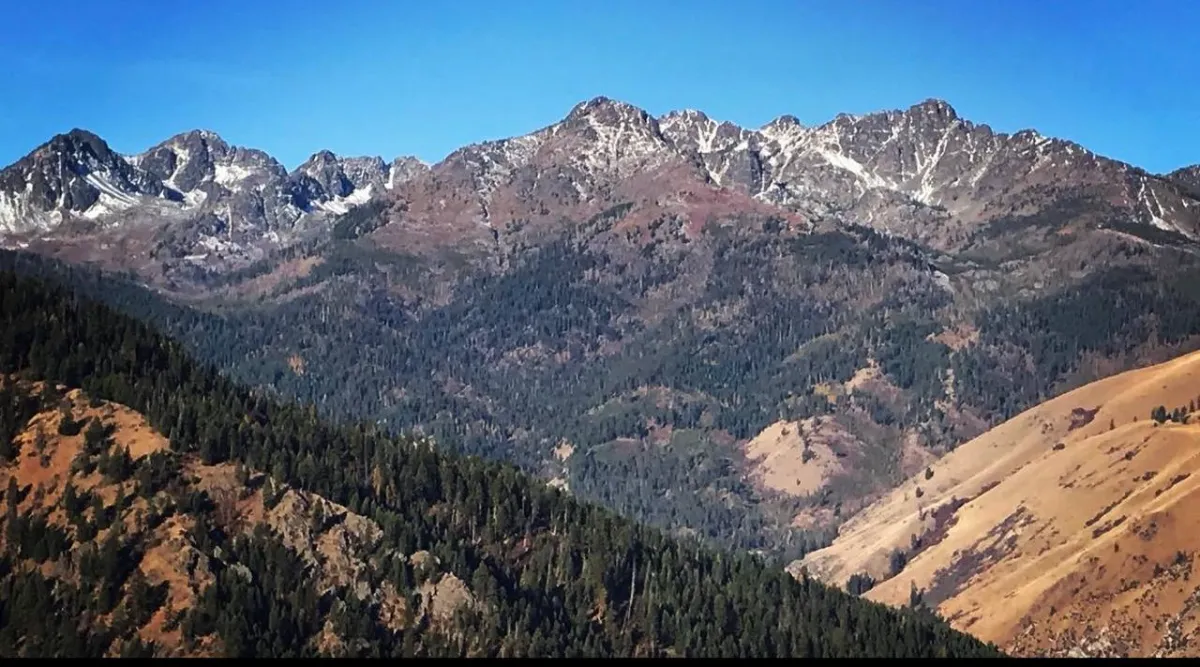
Digital Scouting: Why the Hunt Starts Before You Ever Show Up
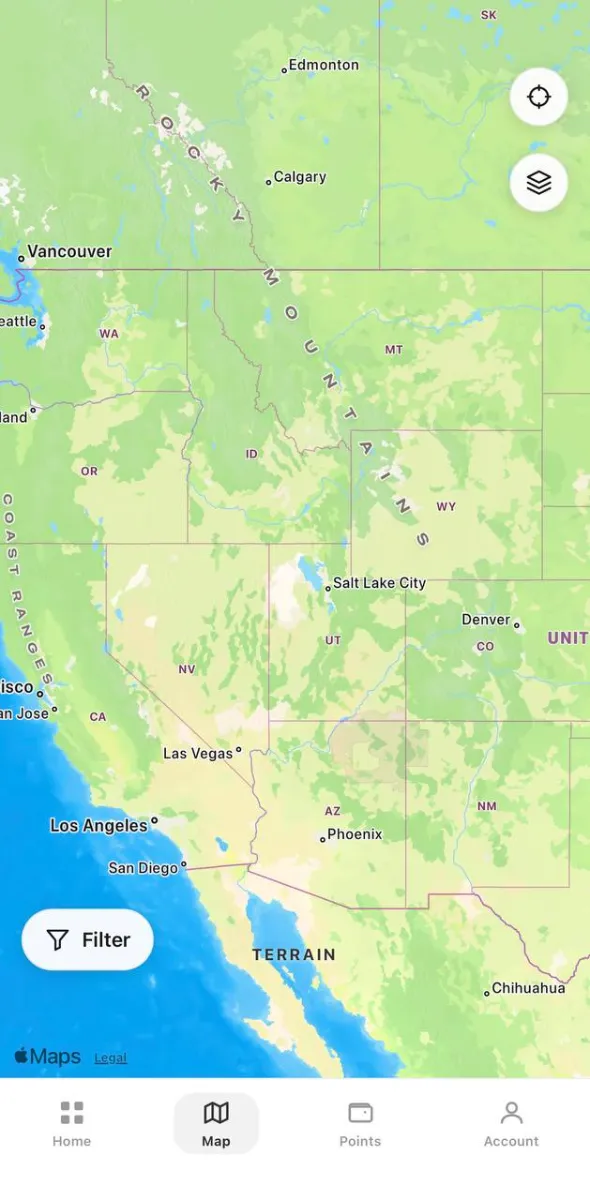
Most guys still think scouting starts when their boots hit the ground. By then, you’re already behind. The hunters who consistently find animals treat digital scouting like the first phase of the hunt. By the time they show up, they’re not guessing—they’re confirming.
That’s the difference.
You don’t need to be physically there to start figuring a unit out. In fact, if you wait until you are, you’re wasting time you don’t have. Most western hunts are short—just a few days. If you spend half of that trying to “figure it out,” you’re burning your opportunity.
Digital scouting fixes that.
The reality is, you can break down a unit pretty far without ever stepping foot in it. You can understand terrain, identify likely habitat, and build a plan before you even leave your house. The more work you put in ahead of time, the less wandering you do once it matters.
The mistake most people make is diving straight into small details. They zoom in too fast, drop a couple pins, and call it good. That’s backwards. You need to understand the entire unit first—how it lays out, where elevation changes, where water is, and how the terrain flows.
You’re not looking for a kill spot right away. You’re trying to eliminate ground.
Once you’ve got that big picture, then you start narrowing things down. Animals don’t just exist randomly. They’re always tied to the same basic needs—food, water, cover, and security. If those things line up, animals will be there at some point.
Elk are usually going to favor cooler, north-facing timber, benches, and areas close to water. Deer tend to lean more toward open country, edges, and elevation changes. None of this is complicated—but most guys still ignore it and wonder why their pins don’t produce.
Another thing that separates good scouting from wasted time is understanding pressure without physically seeing it. You don’t need to stand in a unit to know where people are going to be. Look at the terrain. Look at what’s easy. Then assume everyone else sees the same thing.
Animals know that too.
They don’t want to be where it’s obvious. They want broken terrain, thicker cover, and places that feel secure. The less obvious an area looks on a map, the more likely it is to hold animals that aren’t constantly getting pushed around.
That’s where you should be focusing.
Using different map layers is what really brings this together. Topography shows you how the land is shaped. Satellite shows you what’s actually on it. When you combine the two, things start making sense.
You’ll start seeing benches that actually hold cover. Edges where timber meets open ground. Small pockets that don’t stand out at first but check every box once you slow down and look at them.
That’s how you find areas most guys miss.
One spot is never enough. That’s another common mistake. Conditions change, pressure shifts, and animals move. If you’re locked into one location, you’re setting yourself up to fail.
You need options.
Think in terms of zones, not pins. Multiple areas across the unit that all make sense for different reasons. That way, if one doesn’t produce, you’re not starting over—you’re moving on.
At some point, you need to think through how you’re actually going to hunt these areas. Not just where animals might be, but how you’re going to move through the terrain without blowing them out. Wind and thermals matter more than almost anything else once you’re on the ground.
If you haven’t thought that through ahead of time, you’re figuring it out when it’s already too late.
Elevation and timing play into all of this too. Animals aren’t static. Early season they’re often higher and more spread out. As pressure and weather change, they shift. Sometimes lower, sometimes into thicker cover.
If your scouting doesn’t match the timing of your hunt, it doesn’t matter how good the area looks.
Water matters more than most people give it credit for, especially early. In dry conditions, it can concentrate movement. In better conditions, it still plays a role in daily patterns. Mark it, understand it, and don’t ignore it.
The biggest advantage digital scouting gives you is time. You’re not wasting daylight trying to figure out where to go. You already have a direction. You already have options. You’re moving with purpose from the start.
That’s what puts you ahead.
When you finally get boots on the ground, your job isn’t to start over—it’s to validate. Look for sign. Tracks, droppings, beds, feed. If it’s there, you stay with it. If it’s not, you move to the next zone you already picked out.
You’re not guessing. You’re adjusting.
Most hunters never get to that point because they never put in the work ahead of time. They drop random pins, rely on what looks good at a glance, and don’t think through how they’re actually going to hunt it.
That’s why they wander.
Digital scouting isn’t about replacing being there. It’s about making sure when you are there, you’re not wasting time. The more prepared you are before you go, the faster you get into animals once you arrive.
That’s what matters.
Was this article helpful?
Previous
Multi-State Hunting Strategy
Applying across multiple states increases your odds, keeps you hunting more often, and builds long-term opportunity at the same time.
Next
How to Pick a Hunting Unit
Choose a hunting unit based on your points, access, pressure, and ability—not just reputation—so you can actually hunt and improve.