Colorado GMU 1 Elk Hunting: A Travel-Style Guide to One of the West’s Most Coveted Units
This is not an opportunity hunt, it’s a once-in-a-lifetime hunt
Unit 1 is the opposite of everything like Unit 4 or 13. You don’t just decide to hunt it—you earn your way in over years, sometimes decades. But when you finally roll into this part of northwest Colorado, it hits you immediately: this is different country, different elk, and a completely different experience. This is where people come when they’re done chasing opportunity and ready to chase something bigger.
Rolling Into Unit 1
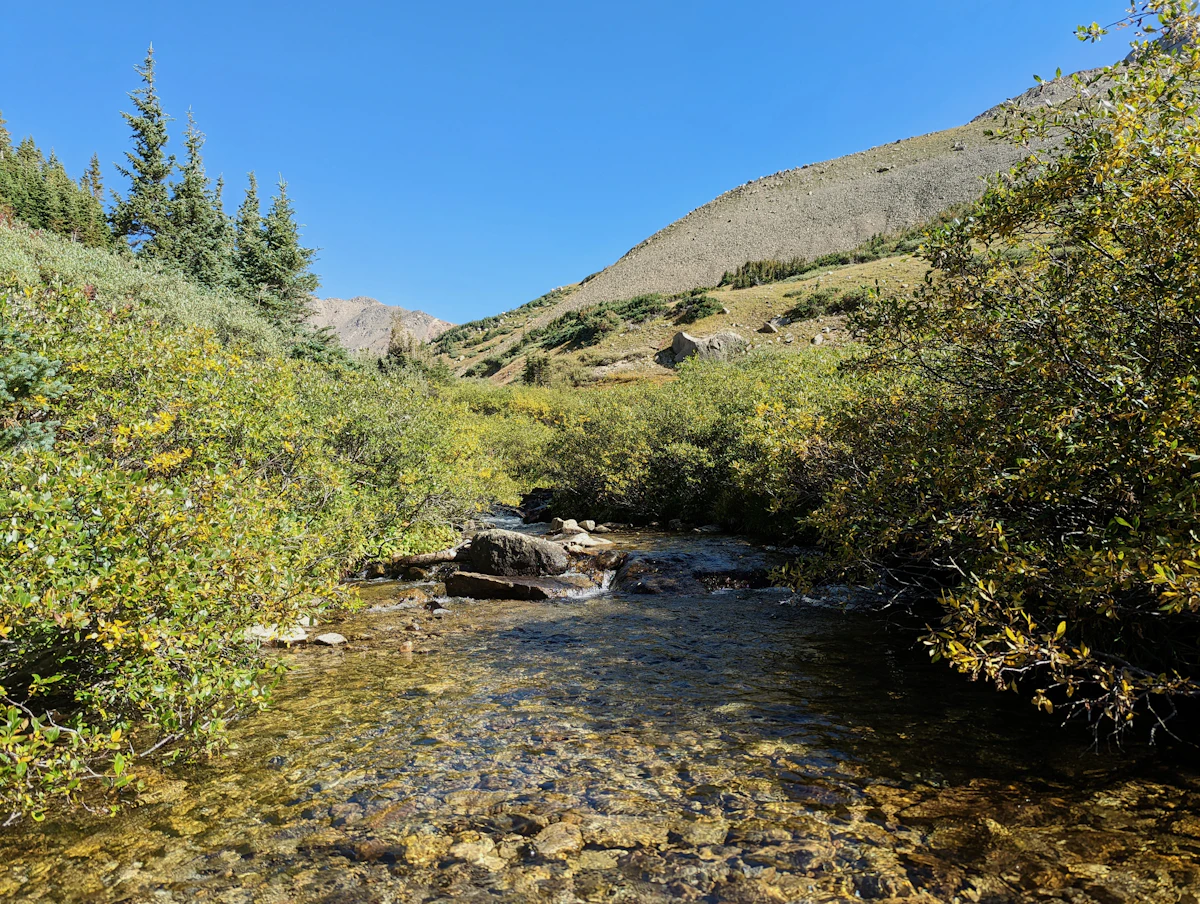
The drive into GMU 1 feels like you’re stepping into real elk country. You’re not looking at scattered terrain anymore. Instead, it opens up into massive expanses of public land, deep timber that actually holds animals all day, long ridges and drainages built for elk movement, and country that feels like it was made for big bulls. There’s space here—real space—and that space is what allows elk to grow old. Unit 1 — Colorado Big Game | TAGZ
First Impressions — Why This Unit Stands Out
The first thing you notice isn’t just the terrain—it’s the lack of pressure. You’re not seeing trucks stacked on every road, hunters spread across every ridge, or constant movement from other people. Instead, you feel something rare in modern western hunting: room to hunt. That changes everything.
What Makes Unit 1 Special
Unit 1 is known for one thing—older age class bulls. That comes from limited tags, controlled pressure, strong habitat, and consistent management. Elk here have time to grow mass, develop structure, and reach maturity. That’s what separates this unit from most of Colorado.
Typical Bull Score Range in Unit 1
This is one of the main reasons hunters spend years building points for this unit. You’re not coming here hoping for an average bull—you’re coming here for quality.
Typical expectations:
- 300–320 class bulls are common for successful hunters
- 320–340 class bulls are realistic with solid scouting and execution
- 340–370+ class bulls exist and are taken every year
- 370+ bulls are rare but absolutely possible in this unit
What separates Unit 1 is not just top-end potential—it’s the number of mature bulls in the system. You’re hunting animals that have had time to grow, not just survive. If you’re not confident judging bulls in this range, read How to Field Judge Elk How to Field Judge Big Game Out West: Elk, Mule Deer, Whitetail, Pronghorn, Sheep, Goat, Moose, Bear, Caribou, and Muskox | TAGZ Insights
Camp Setup — Slowing Down for Once
Unlike pressure units, you don’t need to stay hyper mobile here. Most hunters set a base camp, hunt an area thoroughly, and focus on quality over movement. You’re not chasing elk constantly—you’re hunting them deliberately.
Morning Hunts — What It Feels Like
First light in Unit 1 is what most people picture when they think about elk hunting. You’ll hear bugles that carry across drainages, bulls responding naturally, and movement that isn’t immediately shut down by pressure. Elk aren’t forced into hiding the same way they are in OTC units. They move more naturally.
How to Scout a Hunting Unit Step-by-Step How to Scout a Western Hunt: Finding Elk Before the Season Starts | TAGZ Insights
Elk Behavior in Unit 1
This is the biggest difference. Elk here use terrain naturally, move more predictably, and respond better during early season. They’re still wild—but they’re not reacting to constant human pressure. That gives you more opportunity to hunt them on their terms.
Midday — Where Big Bulls Live
Even in a premium unit, midday matters. Mature bulls will still bed in thick cover, use north-facing slopes, and stay in security zones. The difference is they don’t get pushed as quickly or as often. That allows you to set up more confidently and hunt bedding areas more effectively.
Terrain That Produces
Unit 1 has classic elk terrain. Focus on north-facing timber, ridge systems connecting bedding to feeding, and drainages with water and cover. These are not hidden secrets here—they’re just bigger and less pressured.
Evenings — When It Comes Together
Evenings in Unit 1 feel different. Elk move more consistently, spend more time in the open, and transition naturally between zones. You’re not trying to catch a five-minute window—you’re hunting real movement patterns.
Archery Season in Unit 1
This is where the unit shines. You’ll experience better bugling activity, more responsive bulls, and more natural rut behavior. Calling can actually work here. Positioning still matters—but you’re not fighting constant pressure noise.
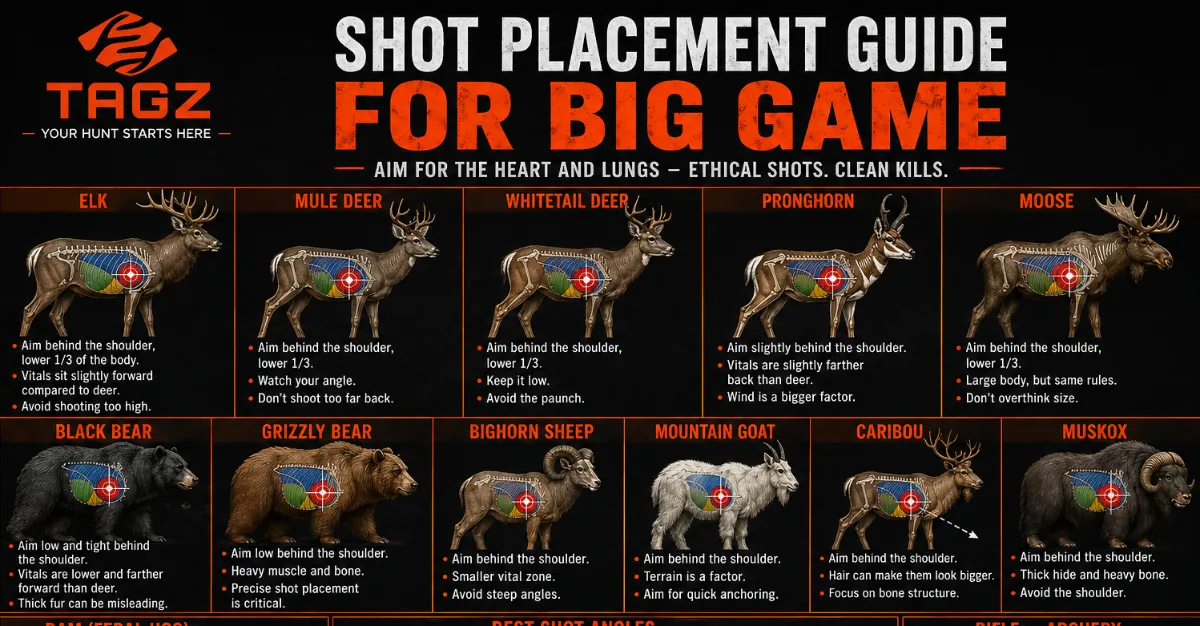
Shot Placement Guide for Big Game: Elk, Deer, Bear, Moose, Sheep, Goat, Caribou, and Muskox | TAGZ Insights Before taking any shot, make sure you understand Shot Placement for Big Game
Rifle Season in Unit 1
Rifle still brings pressure—but nothing like OTC units. You’ll see limited hunters, controlled movement, and elk still using terrain predictably. Your job becomes finding mature bulls, being patient, and executing when opportunity shows.
What Kind of Bulls to Expect
This is why people wait. You’re looking at older age class bulls, better mass and structure, and real trophy potential. This is one of the few places where chasing a bigger bull actually makes sense.
The Mental Side of Hunting Unit 1
This unit tests a different part of you. Instead of chaos and pressure, you’re dealing with high expectations, limited opportunity, and the weight of a tag you waited years for. That pressure is internal, not external.
Where People Go Wrong
Even here, hunters mess it up. Common mistakes include rushing the hunt, passing too many opportunities, overthinking every move, and not adjusting to conditions. You still have to hunt—you just have better conditions to do it.
The Strategy That Works
Success here comes from slowing down, hunting intentionally, staying patient, trusting terrain and patterns, and executing when it counts. This is not a grind-it-out unit—it’s a think-it-through unit.
Why Unit 1 Is Different
This unit shows you what elk hunting used to feel like—less pressure, more natural behavior, better animals. It’s not easy—but it’s clean.
How TAGZ Fits Into This
Units like this are where strategy matters most. You don’t want to waste a tag like this guessing. TAGZ helps you track where you stand in the draw, compare units, and build a long-term plan so when your number comes up, you’re ready. Product Preview | TAGZ
Related Colorado Elk Unit Guides:
- Colorado GMU 4 Elk Hunting Guide Unit 4 — Colorado Big Game | TAGZ
- Colorado GMU 13 Elk Hunting Guide Unit 13 — Colorado Big Game | TAGZ
- Colorado GMU 22 Elk Hunting Guide Unit 22 — Colorado Big Game | TAGZ
FAQ — Colorado GMU 1 Elk Hunting
What is the average bull score in Unit 1?
Most harvested bulls fall in the 300–320 range, with strong potential into the 330–350 class.
How hard is it to draw Unit 1?
Very hard. This is a high-point, long-wait unit.
Is Unit 1 worth the wait?
Yes, if your goal is mature bulls and a premium experience.
What makes Unit 1 different?
Low pressure, better age class, and more natural elk behavior.
Can you hunt this unit every year?
No. This is typically a once-in-a-lifetime type tag.
What’s the biggest mistake in Unit 1?
Overthinking and not capitalizing on opportunities.
Is it good for archery?
Yes—one of the better units for natural elk interaction.
Do you still need to scout hard?
Yes. Good units still require good hunting.
Was this article helpful?
Previous
Colorado GMU 2 Elk Hunting: Chasing Giants in One of the West’s Most Exclusive Units
Unit 2 is a top-tier elk unit with low pressure and high trophy potential. Understanding terrain, water, and movement patterns is key to success
Next
Shot Placement Guide for Big Game: Elk, Deer, Bear, Moose, Sheep, Goat, Caribou, and Muskox
Aim low behind the shoulder, understand angles, and don’t rush the shot. Discipline—not gear—is what leads to clean kills.