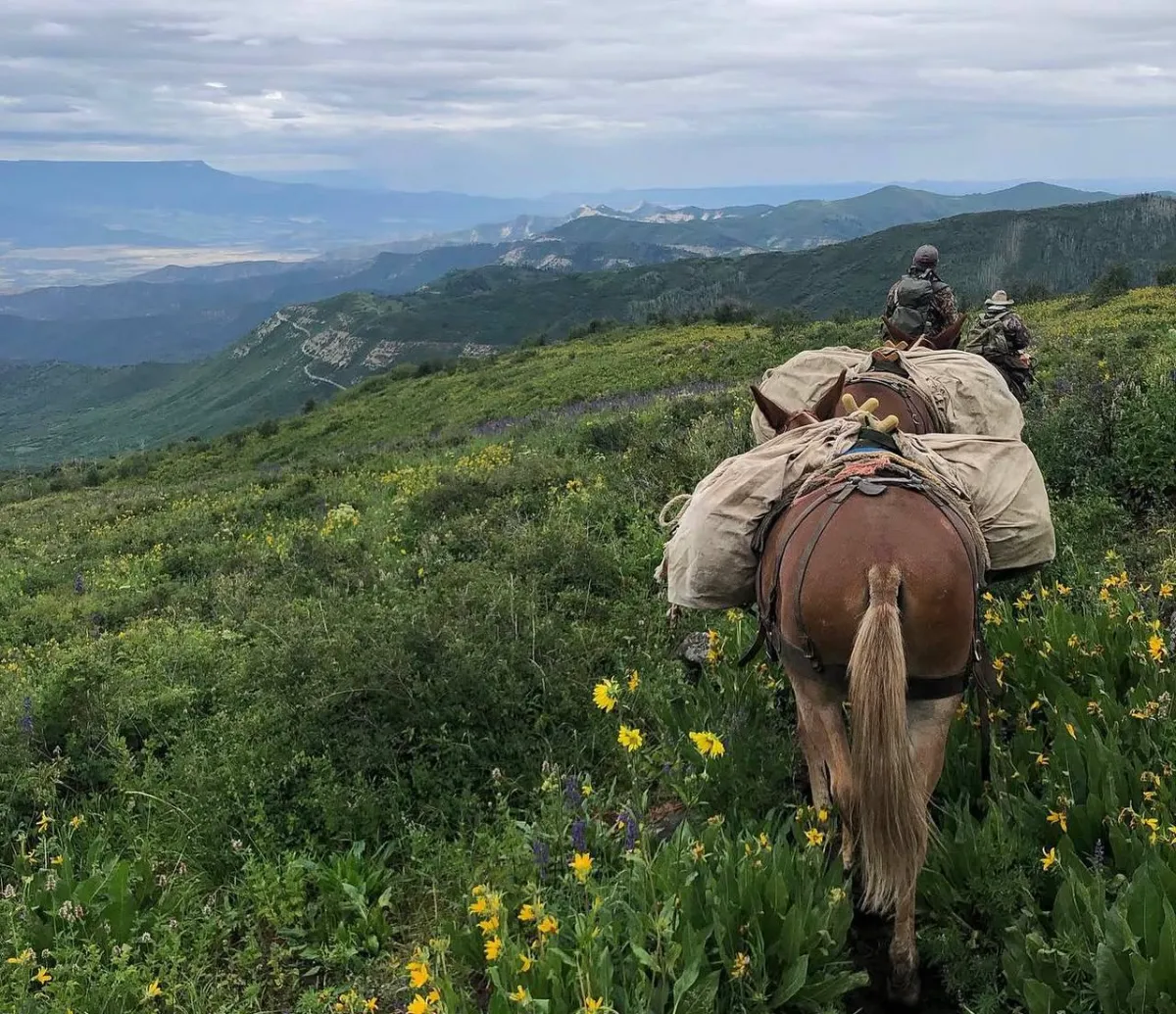
Hunting Gear That Actually Matters: Stop Overthinking It
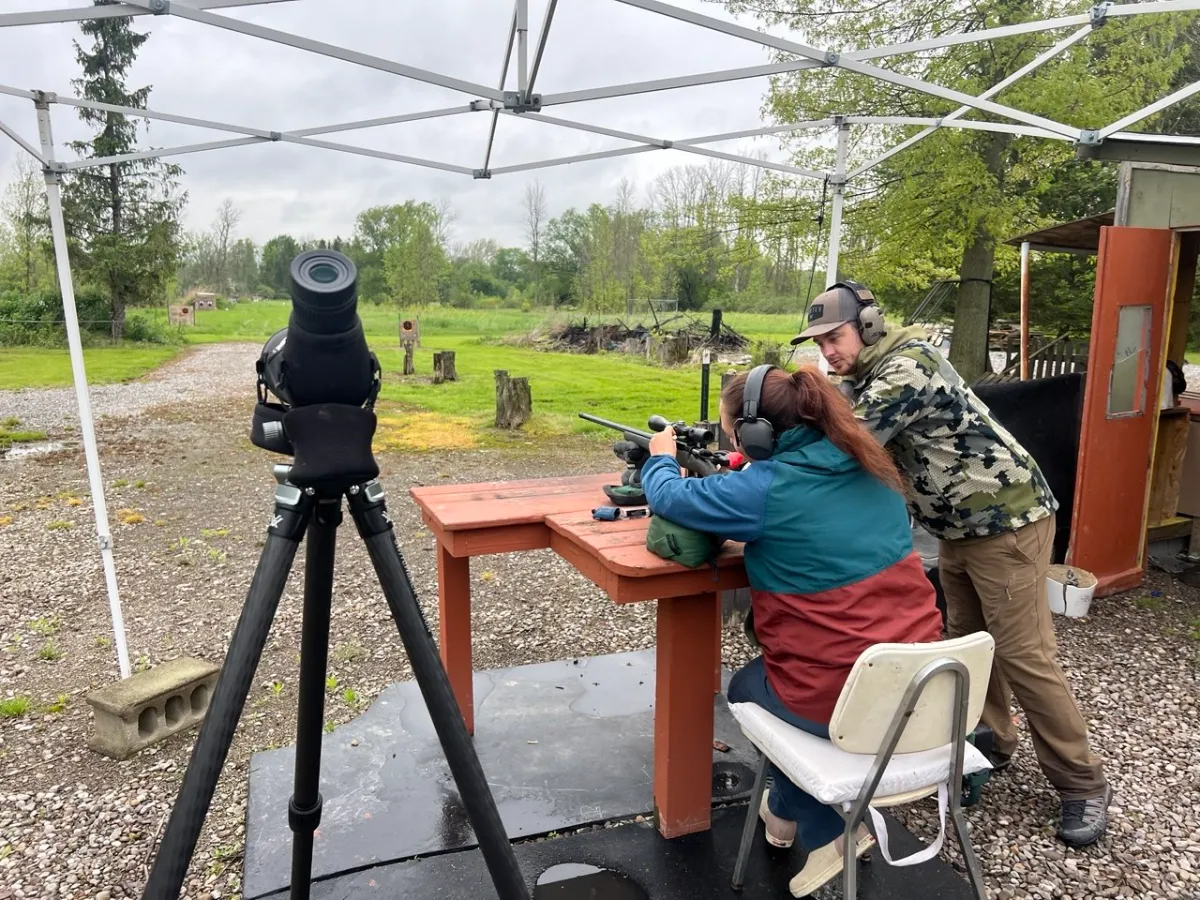
Most hunters put way too much thought into gear and not enough into how they actually hunt. They chase the newest stuff, spend money in the wrong places, and expect it to make up for lack of experience.
It doesn’t work like that.
Gear doesn’t make you better. It just supports what you’re already capable of. The only gear that actually matters is the stuff that lets you move farther, stay out longer, and perform when it counts. If it’s not doing one of those things, it’s not as important as you think.
Everything starts with your feet. If your boots fail, the hunt is over. Doesn’t matter how good the unit is or how many animals are around—you’re done. Blisters, bad fit, soaked feet… all of it adds up fast.
Boots don’t need to be the most expensive, but they need to fit right and match the terrain you’re hunting. Steep country requires support. Rolling country gives you more flexibility. Either way, if they’re not broken in before the season, you’re already making a mistake.
Foot care is what most guys overlook. You can have great boots and still get wrecked if you ignore it. Socks matter more than people want to admit. Keeping your feet dry matters. Even something as simple as carrying an extra pair of socks can keep you moving when someone else is heading back.
The pack is what carries your entire system. If it sucks, everything sucks. A bad pack limits how far you’ll go and how long you’ll stay. A good one makes everything feel manageable, even when it’s not.
Fit matters more than brand. If it’s not sitting right on your hips and shoulders, it’s going to wear you down. And if you kill something, that’s when it really matters. A pack that can’t handle weight becomes a liability fast.
Optics are what actually find animals. You can’t hunt what you don’t see. Most of your time out west is spent glassing, not walking. If your optics are weak, your entire hunt is limited before it even starts.
You don’t need to go broke buying them, but they need to be good enough to use all day without eye strain. A spotting scope helps when you need to judge animals at distance, but your binoculars are what you’ll live behind.
A tripod is one of those things guys skip, then realize later how much it matters. Stable glass changes what you can see. It’s not flashy, but it works.
Clothing is another place people get it wrong. It’s not about staying warm—it’s about staying regulated. If you’re sweating, you’re setting yourself up to get cold, tired, and uncomfortable later.
Layering is what matters. Being able to adjust as you move, climb, and sit is what keeps you effective. The biggest mistake is overheating early and paying for it later.
Weather doesn’t care what you planned. If you don’t have solid rain gear, you’re going back when it hits. Staying dry isn’t about comfort—it’s about staying in the hunt. Same goes for wind. It’ll drain you faster than cold if you’re not protected.
Your weapon matters, but not in the way most people think. It’s not about having the best setup—it’s about having one you trust. Accuracy and confidence are what matter.
You should know exactly what you can and can’t do with it. Range, shot placement, conditions—none of that should be a question when the moment comes. Simple and reliable beats complicated every time.
Navigation is one of those things you don’t think about until it goes wrong. Knowing where you are and where you’re going saves time, energy, and mistakes. Wandering around trying to figure things out burns daylight you don’t get back.
You should already understand the area before you step into it. Maps, boundaries, terrain—none of that should be new when you arrive.
Water and food are what keep you going, and most guys underestimate both. Dehydration hits faster than you think, and once it does, everything suffers—energy, focus, decision-making.
Same with food. It’s not about eating well—it’s about staying fueled. If you run out of energy, you’re done for the day whether you realize it or not.
Sleep is what keeps you sharp over multiple days. If you’re running on nothing, your decisions get worse, your movement slows down, and your chances drop. A good sleep setup doesn’t need to be complicated—it just needs to work.
The kill kit is something you don’t think about until you need it. And when you need it, you really need it. Having a simple, reliable setup ready to go keeps things from turning into a mess when it matters most.
Weight is where everything comes together. Every extra pound slows you down. Most hunters carry too much, and it limits how far they’re willing to go. If you’re not using it, it shouldn’t be there.
Lighter doesn’t mean unprepared—it means efficient.
Durability matters more than brand names. Gear that fails in the field isn’t just annoying—it can end your hunt. You don’t need the most expensive setup, but you do need gear you trust when things get rough.
A lot of guys get caught up in gear that doesn’t actually matter. Gadgets, accessories, trends—it’s easy to spend money there. But none of that replaces time in the field or skill.
If it doesn’t help you move, see, or execute, it’s not a priority.
The real advantage comes from efficiency. When your gear works together, you stop thinking about it. You move better, stay out longer, and focus on the hunt instead of what’s going wrong.
That’s what matters.
Most hunters get this backwards. They overpack, chase gear instead of experience, and ignore the basics. Then they wonder why things don’t come together.
Gear should support the hunt, not define it.
At the end of the day, it’s not about what you have—it’s about how you use it. The right setup just makes it easier to do things right.
Was this article helpful?
Previous
Hunting Points Strategy: Why Most Hunters Waste Them and Never Catch Up
Avoid wasting points by tracking current data, adjusting for point creep, staying flexible, and using tools that show when to act.
Next
Backup Plans for Hunters
Backup plans aren’t one option—they’re layers. Secondary draws, leftovers, OTC, private land, and flexibility are what keep you hunting every year.