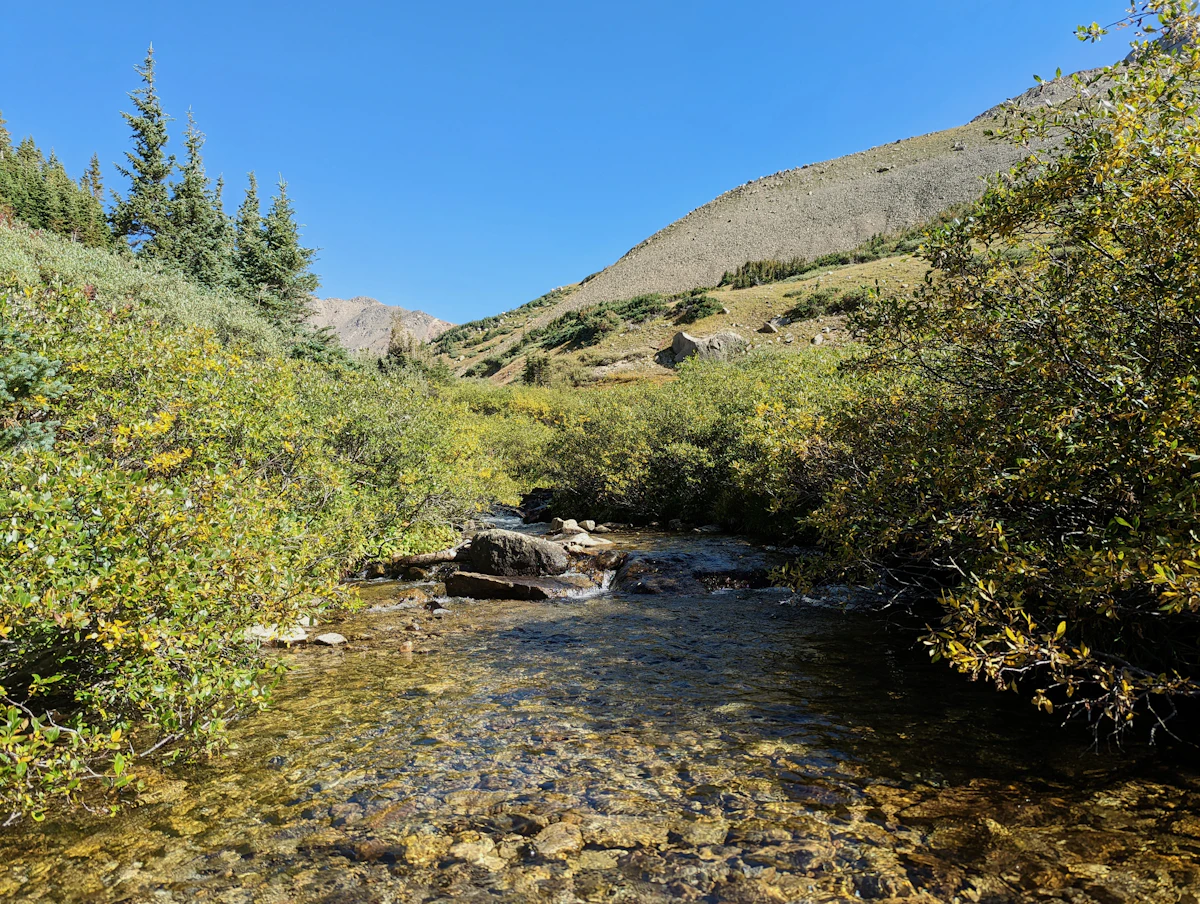
Colorado GMU 2 Elk Hunting: Chasing Giants in One of the West’s Most Exclusive Units
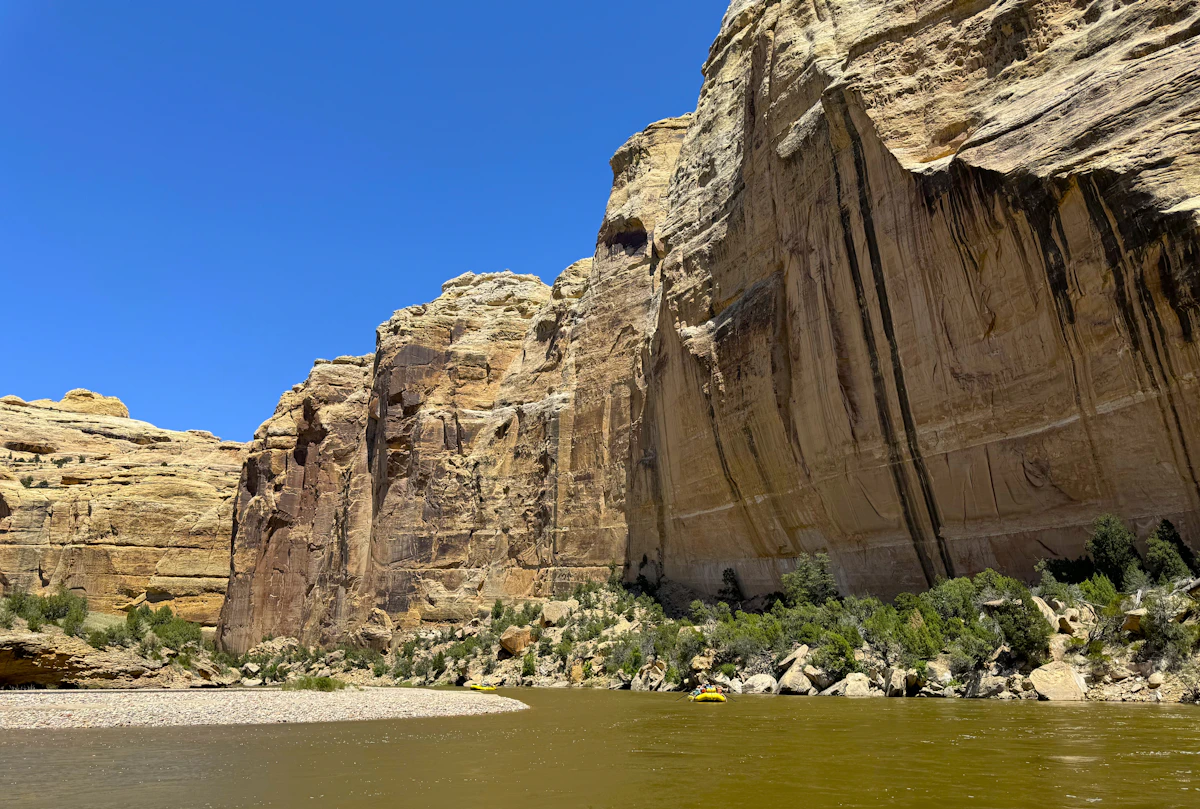
This is where you go when you’re ready for a real shot at a giant
Unit 2 isn’t a place you stumble into. It’s a place you wait for. Years of points, years of planning, and when it finally happens, you’re stepping into one of the few places left where truly mature bulls are the standard, not the exception.
Rolling Into Unit 2
The drive into Unit 2 feels different before you ever step out of the truck. The country opens up in a way that just feels bigger, quieter, and less touched. You’re not seeing the same level of traffic or pressure that defines most elk units across the West. Instead, it feels calm and controlled.
You’ll notice expansive terrain, thick bedding cover that hasn’t been blown out, and open feeding zones where elk still feel safe moving. It doesn’t take long to realize you’re in a unit where elk have had time.
Unit 2 — Colorado Big Game | TAGZ
First Impressions — What Hits You First
What stands out right away isn’t just the terrain—it’s the absence of chaos. No stacked trailheads, no constant movement, no feeling like you’re racing other hunters. Because of that, elk act differently. They move more naturally, stay in patterns longer, and don’t react constantly to pressure.
That changes how you hunt here.
If you want to understand how to break down terrain like this, read How to Scout a Hunting Unit Step-by-Step How to Scout a Western Hunt: Finding Elk Before the Season Starts | TAGZ Insights
Terrain Breakdown — Understanding the Unit Before You Hunt It
Unit 2 is big country, but it’s not random. There are key features that help you break it down and actually build a plan.
The Canyon of Lodore dominates the eastern drainage system and becomes one of the most important reference points in the unit. It not only helps with navigation but also gives access into rougher country along the Little Snake River where elk can hold in more remote terrain.
Ridge systems like Limestone Ridge, Iron Mine Ridge, and Sevenmile Ridge create structure across the unit. These aren’t just elevation features—they’re glassing advantages and travel corridors. They allow you to pick apart country and identify movement without having to cover unnecessary ground.
Further south, Vermillion Bluffs stand out as a major visual landmark. They help orient you within the unit and break up terrain in a way that creates pockets elk can use without being exposed.
The scattered basins—Spicer Basin, Zenobia Basin, and Sheephead Basin—are some of the most recognizable hunt planning zones. These areas naturally concentrate elk movement and give you a place to start narrowing your focus instead of trying to hunt the entire unit.
Other key landmarks like the Warm Springs Cedar area and Outlaw Park offer distinct terrain features that help with both navigation and planning. These aren’t just names on a map—they’re anchor points that help you build a system.
Water also plays a major role across this unit. Springs like Chicken Springs, Warm Springs, Thompson Springs, and Sheepherder Springs, along with small lakes scattered throughout, provide critical water sources. In early season especially, these become reliable reference points for both elk movement and scouting routes.
When you combine all of this, the unit starts to make sense. Instead of overwhelming space, it becomes a series of connected zones you can actually hunt with intention.
The Kind of Bulls You’re Really Hunting
This is the part most guys wait for.
Typical expectations:
- 320–340 class bulls are common
- 340–360 class bulls are realistic
- 360–380+ bulls are taken every year
- 380+ bulls are rare but very real
This isn’t just about size—it’s about maturity. These bulls have age, mass, and structure that you don’t see in most units.
If you’re not confident judging bulls at this level, read How to Field Judge Elk How to Field Judge Big Game Out West: Elk, Mule Deer, Whitetail, Pronghorn, Sheep, Goat, Moose, Bear, Caribou, and Muskox | TAGZ Insights
Setting Up Camp — Slowing Everything Down
Unit 2 allows you to hunt differently. Most hunters set a base camp and focus on a portion of the unit instead of constantly moving. You’re not trying to cover ground—you’re trying to understand it.
The First Morning — What It Feels Like
First light here feels like what elk hunting is supposed to be. Sound carries, movement feels natural, and you’re not racing pressure. You might hear bugles that aren’t immediately shut down, or see elk still feeding instead of already pushed into cover.
Elk Behavior — The Real Advantage
Elk in Unit 2 stay in patterns longer. They use terrain consistently and don’t relocate constantly. That allows you to actually hunt a specific bull instead of chasing random encounters.
Midday — Where Mature Bulls Hold
Mature bulls spend midday in thick cover, on north-facing slopes, and in terrain that offers security. The difference here is they’re not getting pushed out of those areas constantly. If you find them, they tend to stay.
Evenings — When It Comes Together
Evenings are where patience pays off. Movement is consistent and predictable compared to pressured units. If you’re in the right position, you’re working with the animal—not against chaos.
Archery Season — Where It Gets Good
Archery here offers more natural elk behavior. Better bugling, better responses, and less pressure overall. You still need to execute, but you’re actually playing the game the way it’s meant to be played.
Before taking any shot, make sure you understand Shot Placement for Big Game Shot Placement Guide for Big Game: Elk, Deer, Bear, Moose, Sheep, Goat, Caribou, and Muskox | TAGZ Insights
Rifle Season — Precision Over Volume
Rifle season isn’t about seeing a lot of elk—it’s about finding the right one. Most of your time is spent glassing, watching, and waiting for the right moment.
The Mental Game — Where It Gets Real
You waited years for this. You know what’s here. That creates pressure. Not from other hunters—but from yourself. The guys who succeed stay calm and execute when it matters.
Where Hunts Fall Apart
- Rushing shots
- Overthinking decisions
- Passing too many early opportunities
- Not committing when it’s time
This unit doesn’t give endless chances.
What Actually Works Here
Find bulls early. Stay patient. Learn patterns. Set up correctly. Execute clean.
Why Unit 2 Is What It Is
This is what happens when pressure is controlled and animals are allowed to reach maturity. It’s one of the last places where that still exists at a high level.
How TAGZ Fits Into This
You don’t want to draw a tag like this and be unprepared. TAGZ helps you track your position, plan your strategy, and stay ready long before you ever step into the unit. Product Preview | TAGZ
Related Colorado Elk Unit Guides:
- Colorado GMU 1 Elk Hunting Guide Unit 1 — Colorado Big Game | TAGZ
- Colorado GMU 4 Elk Hunting Guide Unit 4 — Colorado Big Game | TAGZ
- Colorado GMU 13 Elk Hunting Guide Unit 13 — Colorado Big Game | TAGZ
FAQ — Colorado GMU 2 Elk Hunting
How hard is it to draw Unit 2?
Extremely difficult. One of the hardest tags in Colorado.
What is the average bull score?
Most bulls range 320–350 with much larger potential.
Is it worth the wait?
Yes, if you want true trophy potential.
Do elk behave differently here?
Yes—lower pressure means more natural movement.
Was this article helpful?
Previous
Colorado GMU 3 Elk Hunting: Breaking Down Big Sage Country and Finding Elk in Subtle Terrain
Unit 3 is lower elevation elk country where terrain is subtle but effective. Success comes from understanding drainages, water, and pressure.
Next
Colorado GMU 1 Elk Hunting: A Travel-Style Guide to One of the West’s Most Coveted Units
Colorado Unit 1 is a premier, limited-entry elk unit built for hunters chasing mature bulls. With low pressure, strong habitat, and older age-class elk, it offers real trophy potential—but requires years of planning and a disciplined approach. Success comes from slowing down, hunting terrain intentionally, and capitalizing on rare opportunities when they appear.