How to Predict Where Elk Will Be Tomorrow: Reading Sign and Patterns
The ability to predict where elk will be tomorrow separates hunters who adapt from those who hope. Elk are not random. They follow patterns shaped by food, pressure, weather, and terrain. If you glassed a herd feeding in a meadow at sunset tonight, you need to know whether they will be there at first light or two ridges over.
This is not guesswork. It is about reading what the mountain is telling you and positioning yourself ahead of the next move. The hunters who consistently connect are the ones who think one day forward, not one hour behind.
Elk Movement is Driven by Routine Until It is Not
Elk are creatures of habit when conditions allow. During stable weather and minimal pressure, they cycle through predictable patterns. They bed on north-facing slopes or timbered ridges during the day, move to feed in meadows or open parks during evening and early morning, and follow the same trails between the two.
If you found elk feeding in an alpine basin yesterday evening and again this morning, there is a strong chance they will repeat that loop tomorrow unless something changes. The key is recognizing what breaks the routine: hunting pressure, a cold front, rutting activity, or a sudden food source shift.
When elk feel pressure, they abandon daylight feeding zones and retreat to bedding areas earlier. When weather changes, they adjust elevation and aspect to match thermal comfort and wind direction. Predicting tomorrow's location means asking what will change between now and then.
Fresh Sign Tells You If Elk Are Committed to a Zone
The density and freshness of elk sign reveal how heavily they are using an area and whether they plan to stay. If you walk into a basin and find fresh tracks, warm droppings, torn-up wallows, and rubs on every other tree, that zone is active. Elk are not passing through. They are living there.
Fresh tracks in soft dirt or mud show direction of travel and timing. If the tracks lead uphill into timber at 9 AM, the herd is heading to bed. If they lead downhill into a meadow at 5 PM, they are moving to feed. Follow those tracks to the destination and you have tomorrow's starting point.
Droppings tell you diet and timing. Soft, dark, clumped pellets indicate recent feeding on lush vegetation. Dry, fibrous pellets mean the elk moved through hours or days ago. Warm droppings mean the herd is close. If you find a concentration of fresh sign in a small area, that is either a bedding zone or a preferred feeding spot worth checking tomorrow.
Rubs and wallows tell you bulls are in the area and the rut is active. If you find fresh rubs on multiple trees and a muddy wallow with wet splatter marks, a bull is working that territory. He will likely return unless spooked. Mark the location on your GPS and set up downwind tomorrow.
Feed Patterns Shift With Weather and Season
Elk follow the feed, and feed shifts with elevation, moisture, and temperature. Early season elk stay high, chasing lush alpine grasses and forbs in meadows and parks above 9,000 feet. As summer ends and frost hits the high country, the best feed shifts downhill. Elk follow.
If the forecast shows a cold front or early snow moving in tonight, expect elk to drop elevation tomorrow. They will move toward oakbrush benches, aspen groves, or mid-elevation parks where browse stays green longer. If the forecast shows warm, stable weather, they will likely hold elevation and continue their current loop.
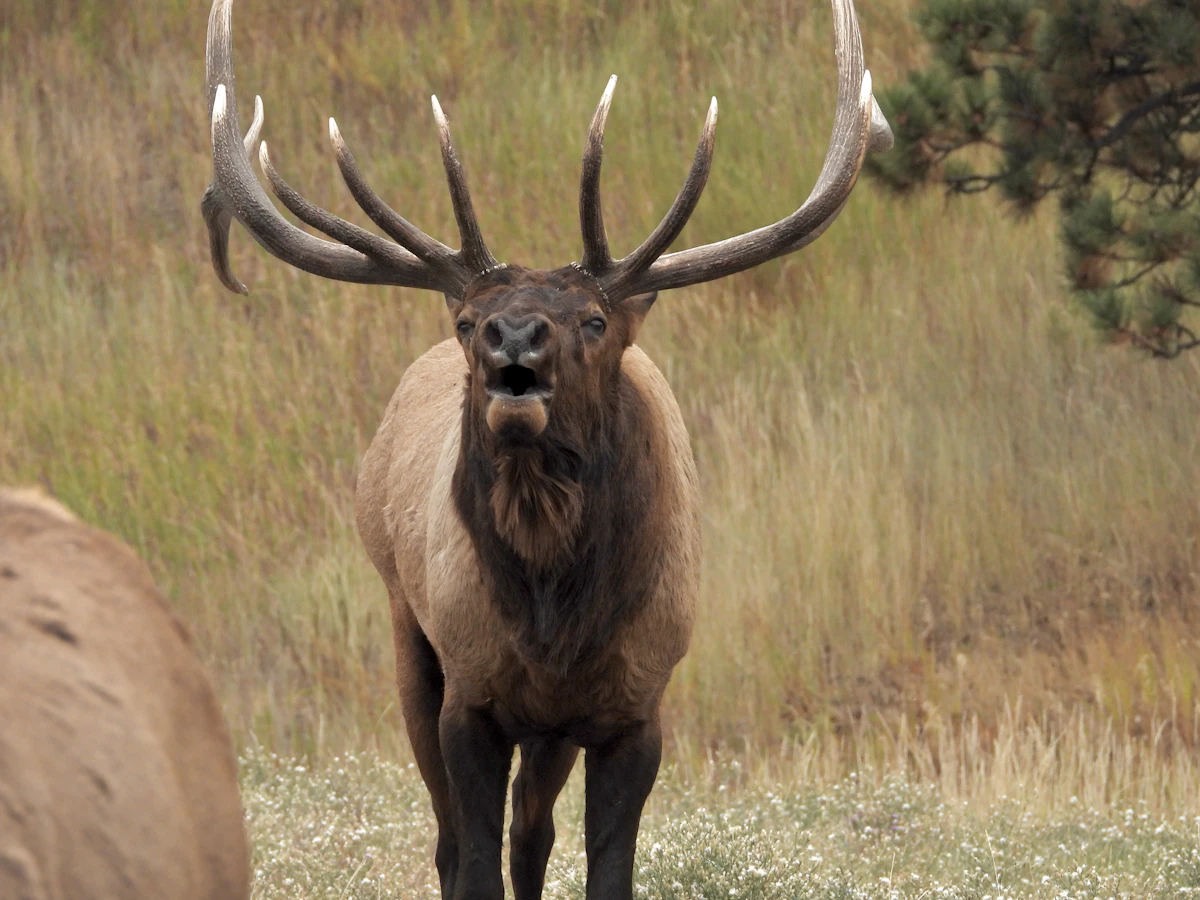
During the rut, feed becomes secondary to breeding activity. Bulls may abandon prime feed zones to chase cows or defend harems. If you found a rutting bull bugling in a drainage yesterday, he may still be there tomorrow if cows are present. If the cows move, the bull moves. Listen for bugles at first light to confirm whether the herd stayed or shifted.
Pay attention to what elk are eating. If they are hammering a specific meadow or aspen stand, they will keep coming back until the feed quality drops or pressure pushes them out. If the area looks overgrazed or trampled, they may have already moved to fresh feed nearby.
Bedding Areas Are Predictable If You Know the Terrain
Elk bed where they feel safe, not where you feel like looking. Bedding zones are almost always on north-facing slopes, in dark timber, on benches below ridgelines, or in blowdown tangles where visibility is limited and thermal currents carry scent uphill.
If you jumped elk out of a bedding area today, they will not bed there tomorrow. They will move 400 to 800 yards and find new cover. But they will not leave the mountain. They will shift to another timbered bench or ridge within the same drainage.
The best way to predict tomorrow's bedding zone is to glass from a distance and identify terrain features that match bedding criteria: thick cover, elevation above feeding areas, thermal advantage, and escape routes into nastier country. Mark those spots and approach them from downwind tomorrow.
Elk bed facing downhill so they can watch their backtrail and smell danger rising on thermals. If you plan to hunt a bedding area, you must approach from above and move slowly. Never crash straight uphill into a bedding zone. You will push elk before you ever see them.
Wind and Thermals Dictate Safe Zones
Elk live and die by wind. They will not bed or feed in a zone where thermals or prevailing wind compromise their nose. If the wind direction changes overnight, elk will reposition to areas where they can smell danger.
Morning thermals rise. Elk bed higher on slopes where rising air carries scent from below. Evening thermals drop. Elk move downhill to feed in meadows and parks where falling air carries scent from above.
If you hunted a ridge this morning and the wind was calm, but tonight's forecast shows a strong west wind, elk will reposition to the east-facing side of the ridge tomorrow. They will not stay where the wind swirls or blows scent into their core area.
Use terrain to predict where elk will feel safe. Deep canyons, timbered pockets, and benches below ridgelines allow elk to monitor wind from multiple directions. If you found elk in a spot today and the wind is forecast to shift, ask yourself: where would I go if I needed to smell danger from the new wind direction? That is where the elk will be.
Pressure Moves Elk Faster Than Anything Else
If another hunter, hiker, ATV, or horse party pushed through an area today, elk will not be there tomorrow. They will be farther, higher, thicker, or in a different drainage entirely.
Elk respond to pressure by moving to security cover. If you hunt a popular OTC unit and you hear trucks, bugling hunters, or ATVs near your zone, assume the elk have already relocated. The herd you saw yesterday is now two ridges over in the nastiest blowdown tangle on the mountain.
The elk that survive are the ones that recognize human patterns and avoid them. If you hunted a trail this morning, do not hunt it again tomorrow. Move perpendicular to the pressure and target zones that are harder to access. Elk will be there.
If you are the one who spooked elk today, do not go back tomorrow. Give that area three to five days to settle. Elk have incredible memory and will not return to a spot where they felt threatened until they forget the event or get pushed back by worse pressure elsewhere.
How TAGZ Helps You Scout and Predict Elk Locations
TAGZ gives hunters the tools to research terrain and plan predictive strategies before stepping into the field. Using detailed unit maps, you can identify north-facing timbered slopes, meadow complexes, water sources, and escape terrain that match bedding and feeding criteria.
The platform's terrain breakdown layers allow you to analyze elevation, aspect, and cover density across a unit. If you are glassing a basin from miles away, you can pull up the map and take a look at the different filters.
TAGZ also helps you track public land boundaries and access points.
Read the Mountain Like a Story
Predicting where elk will be tomorrow is not magic. It is observation. Every track, rub, bed, and shift in wind tells part of the story. Your job is to connect the pieces and position yourself where the story leads next.
If you found fresh sign in a bedding area today, the elk will bed nearby tomorrow unless pressure or weather forces a move. If you glassed a herd feeding in a meadow last night, they will return unless the wind shifts or another hunter spooks them.
The hunters who tag out are the ones who think ahead, move with intention, and adapt when the pattern breaks. Elk are predictable until they are not. Learn to read the difference.
FAQ — Predicting Elk Movement
How do you know if elk will return to the same feeding area tomorrow?
If the feed is fresh, the sign is heavy, and no pressure disturbed the area, elk will return. Once the feed quality drops or they feel threatened, they move to new zones.
What is the best way to predict bedding locations without jumping elk?
Glass from a distance and identify north-facing slopes, timbered benches, and thick cover above feeding areas. Mark these on your GPS and approach from downwind and above.
Do elk move to lower elevation before or after a storm?
Elk often move lower 12 to 24 hours before a major storm to find better feed and shelter. After the storm, they may return higher if conditions improve.
How far will elk move after being pressured?
Elk typically move 400 to 800 yards after mild pressure. After heavy pressure or a close encounter, they may relocate one to three miles into rougher terrain.
Can you predict elk movement during the rut?
Rutting bulls follow cows, so their movement is less predictable. Listen for bugles at first light to determine if the herd stayed in the drainage or moved overnight.
How do thermals affect where elk bed and feed?
Morning thermals rise, so elk bed higher where they can smell danger from below. Evening thermals drop, so elk feed lower where they can smell danger from above.
Was this article helpful?
Previous
Best Beginner Elk Calling Setup: Essential Gear for Your First Hunt
Learn which elk calls every beginner needs, how to build a complete calling setup for under $150, and which techniques to master before your first September hunt.
Next
Best Elk Calls for 2025 — Diaphragm, Tube, and Electronic Calls Tested
Choosing the right elk call can make or break your hunt. We break down diaphragm calls, external reed calls, and electronic options with field-tested recommendations for beginners and experienced callers alike.