Reading Deer Feeding Patterns to Predict Movement and Plan Your Hunt
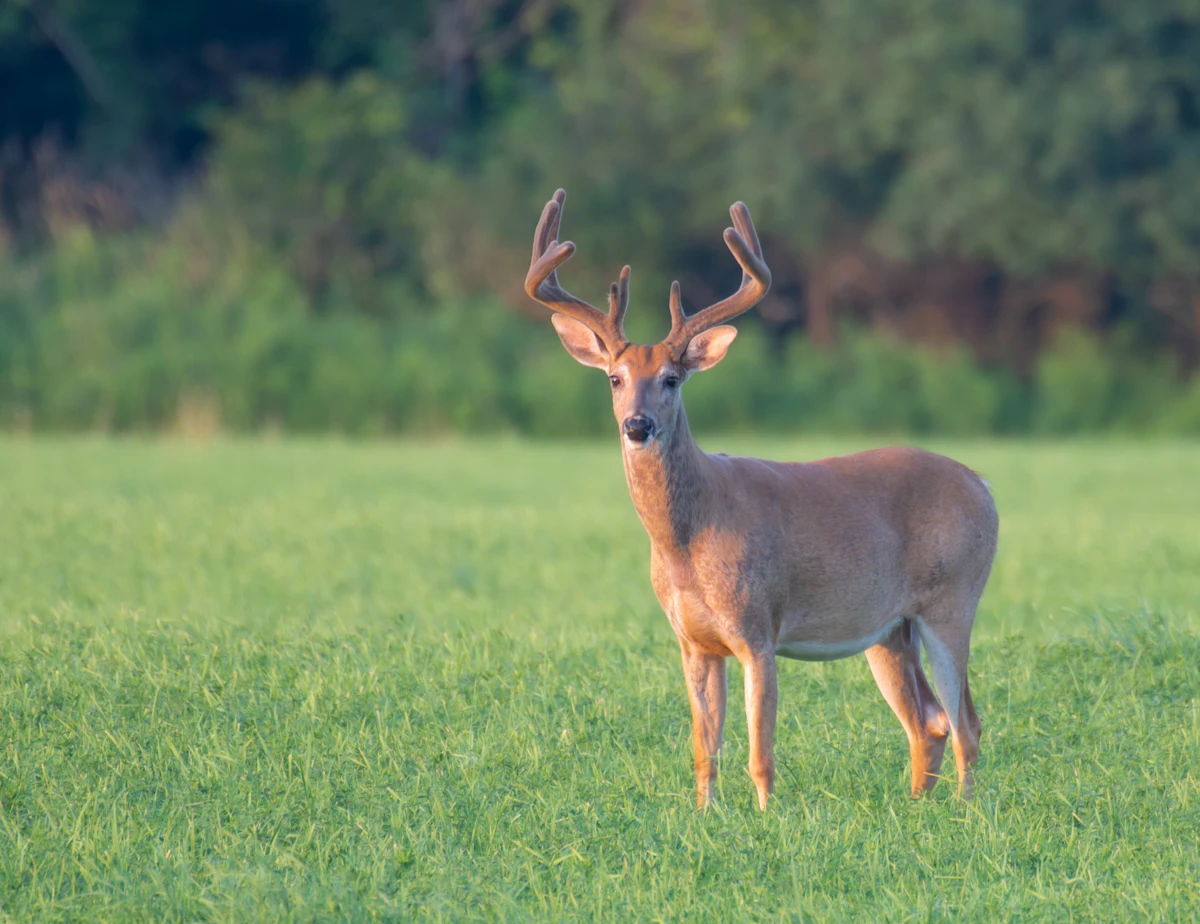
Deer Feeding Patterns: How to Find Deer by Following the Food
Food is one of the most important factors influencing deer movement, but deer don't follow a perfectly predictable feeding schedule.
Whether you're hunting whitetails in agricultural country or mule deer in the West, understanding what deer are eating can help narrow down where to scout and hunt. The key is combining available food with bedding cover, security, weather, hunting pressure, season, and fresh sign.
The original had the right overall idea, but it treated feeding behavior as too predictable—especially during early and late season.
Why Deer Feeding Patterns Matter
Deer need to feed throughout the year, but the foods they select and the places they use can change quickly.
Those changes can be influenced by:
- Seasonal food availability
- Crop harvest
- Mast production
- Weather
- Snow
- Hunting pressure
- Rut activity
- Habitat
- Human disturbance
Understanding current food sources can help you eliminate areas with little activity and concentrate your scouting where deer have a reason to spend time.
But finding food doesn't automatically mean you've found a good hunting location.
You still need evidence that deer are actually using it.
Seasonal Deer Food Sources
Deer are adaptable feeders.
Their diets vary significantly by region and habitat, so there isn't one universal seasonal menu.
Depending on where you're hunting, important foods may include:
- Agricultural crops
- Acorns and other hard mast
- Apples and other soft mast
- Forbs
- Browse
- Clover
- Grasses
- Woody vegetation
- Native shrubs
The most important food source can also change during the season.
A field covered in deer one week may have very little activity the next if another preferred food becomes available nearby.
Early-Season Feeding Patterns
Late summer and early fall can provide opportunities to pattern deer around food.
In agricultural country, deer may use:
- Soybeans
- Alfalfa
- Clover
- Corn
- Other crops
In wooded habitat, soft mast, browse, and early-dropping acorns may become important.
But don't assume early-season deer always leave bedding immediately before dark and return immediately after daylight.
Some deer may move during daylight.
Others may not reach an exposed food source until after legal shooting light.
Weather, pressure, cover, access, and individual behavior all matter.
Acorns Can Change Deer Movement Quickly
An acorn crop can dramatically change how deer use an area.
Deer that were consistently visiting an agricultural field may suddenly spend more time inside timber when acorns begin falling.
That's why hunters should monitor mast production rather than relying solely on preseason patterns.
Look for:
- Fresh tracks
- Droppings
- Disturbed leaves
- Freshly opened acorns
- Browsing activity
- Trails
A productive oak doesn't need to cover an entire ridge.
Sometimes a relatively small group of producing trees can concentrate activity.
White Oak vs. Red Oak Acorns
White oak acorns generally contain lower concentrations of tannins than many red oak acorns, and deer often readily consume them.
But don't turn that into the rule that deer always prefer white oaks and only eat red oaks after white oaks disappear.
Acorn use can vary with:
- Local availability
- Individual oak species
- Mast production
- Acorn condition
- Other available foods
Find the trees deer are actively feeding under instead of choosing an oak species based solely on theory.
Deer Feeding During the Rut
The rut changes deer behavior, particularly for bucks.
Bucks may spend substantially more time:
- Searching for does
- Checking doe groups
- Cruising
- Chasing
- Breeding
That can disrupt their previous feeding patterns.
But food doesn't suddenly become irrelevant.
Doe groups still need to feed, and areas that consistently attract does can also create opportunities to encounter bucks.
Hunt Does to Find Rutting Bucks?
It's a useful concept, but don't make it absolute.
A food source holding does can be worth hunting because bucks may encounter or check those deer.
However, rutting bucks can also travel through:
- Bedding cover
- Funnels
- Pinch points
- Ridges
- Saddles
- Drainages
- Other travel corridors
Food is one part of a rut strategy—not the entire strategy.
Don't Assume Bucks Always Scent-Check Feeding Areas
Setting up downwind of a feeding area can make sense.
But the idea that mature bucks routinely circle every feeding area downwind isn't reliable enough to build every setup around.
Use:
- Tracks
- Trail-camera information where legal
- Direct observation
- Terrain
- Wind
- Fresh sign
to determine how deer are actually approaching the area.
Late-Season Feeding Patterns
Food can become especially important during late-season hunts.
Deer still need energy while dealing with colder conditions and seasonal changes in available forage.
Depending on the area, important late-season foods may include:
- Standing crops
- Waste grain
- Acorns
- Browse
- Food plots
- Native vegetation
But late-season deer aren't automatically easy to pattern.
Hunting pressure, weather, food availability, and security cover can make their behavior complicated.
Don't Assume Late-Season Deer Feed During Daylight
Cold conditions can influence deer activity, but they don't guarantee daylight movement.
A highly attractive food source surrounded by pressure may receive most of its use outside legal shooting hours.
That's why access and security cover remain important.
Instead of simply finding the best food, ask:
Can deer reach this food while feeling secure during daylight?
That can be the more useful hunting question.
How to Identify Active Feeding Areas
A food source only matters if deer are using it.
Look for several forms of current evidence.
Tracks
Fresh tracks can reveal where deer are entering and leaving feeding habitat.
Look at:
- Direction
- Number of tracks
- Trail concentration
- Freshness
Don't assume every track was made by the buck you're hunting.
Use them to understand overall activity.
Droppings
Concentrated droppings can indicate deer are spending time in an area.
Fresh droppings are more useful than old sign when you're trying to understand current movement.
Browsing
Look at vegetation for evidence of recent feeding.
Depending on the habitat, that might include:
- Browsed stems
- Crop damage
- Disturbed mast
- Feeding trails
- Pawed ground
Learn what current feeding activity looks like in the environment you're hunting.
Trail Cameras Can Help Where Legal
Trail cameras can provide useful information about how deer use feeding areas and travel routes where their use is legal.
They may help reveal:
- Which deer are present
- Direction of travel
- General timing
- Frequency of use
- Changes in activity
But don't turn one photograph into a guaranteed pattern.
A buck appearing at 7:15 p.m. several evenings doesn't mean he'll arrive at exactly 7:15 tomorrow.
Look for trends rather than appointments.
Scout Without Unnecessarily Disturbing Deer
The original recommendation to scout feeding areas during midday because deer are always bedded then is too rigid.
Deer can move at any time.
Instead, plan scouting around:
- Wind
- Access
- Visibility
- Known bedding locations
- Current deer activity
- Hunting pressure
The goal is gathering information without unnecessarily disturbing the area you're trying to hunt.
Hunt the Transition When It Makes Sense
Travel routes between bedding and feeding habitat can provide excellent opportunities.
This is especially useful when deer don't enter exposed food sources until late.
Instead of hunting directly over the destination, you may be able to intercept deer in cover before they reach it.
But don't rely on a universal "last 100 yards" rule.
The correct setup might be:
- 50 yards from the food
- 300 yards away
- Along a terrain feature
- Near bedding cover
- Directly overlooking the feeding area
Let actual deer movement determine the location.
Staging Areas Can Be Productive
Deer sometimes spend time in cover near feeding areas before entering more exposed habitat.
These locations are commonly called staging areas.
Look for:
- Concentrated tracks
- Rubs
- Scrapes
- Browse
- Droppings
- Multiple trails
A staging area can provide a daylight opportunity before deer enter an open field.
But don't assume every mature buck waits 20–30 minutes outside a field or waits for does to enter first.
Those are possibilities, not rules.
Entry and Exit Routes Matter
A productive stand can quickly become less productive if your access repeatedly disturbs deer.
Think about your route before hunting.
Consider:
- Wind
- Bedding locations
- Feeding areas
- Terrain
- Cover
- Noise
- Deer you might encounter
Your exit matters too.
If deer are feeding near your stand after dark, leaving immediately may disturb them.
Depending on the situation, you may need to wait, use a different exit, or find another way to leave without unnecessarily pushing deer.
How Hunting Pressure Affects Feeding Patterns
Hunting pressure can change deer behavior.
Potential responses include changes in:
- Daylight activity
- Travel routes
- Habitat use
- Feeding locations
- Bedding locations
But don't automatically assume pressured deer become nocturnal or abandon primary food sources.
Some may shift their timing.
Some may change approach routes.
Others may continue using the same food while using more security cover.
Pressure influences behavior differently depending on the property and individual deer.
Secondary Food Sources Can Be Worth Scouting
Obvious agricultural fields and large food plots receive plenty of hunter attention.
Smaller food sources may sometimes provide opportunities.
Examples include:
- Small oak pockets
- Browse inside thick cover
- Hidden openings
- Small food plots
- Less-obvious agricultural fields
But "hidden" doesn't automatically mean better.
Find current sign before committing to the location.
Keep Notes From Year to Year
Long-term observations can help you understand a property.
Consider recording:
- Mast production
- Crop rotation
- Harvest dates
- Weather
- Trail-camera activity
- Deer sightings
- Hunting pressure
- Rut observations
- Successful stand locations
Over time, this can help reveal relationships between habitat conditions and deer movement.
Don't Expect Food Patterns to Repeat on the Same Date
A white oak that produced heavily around September 15 one year isn't guaranteed to do the same thing on the same date the following year.
Mast production can vary significantly between years.
Agricultural crops also change.
A productive soybean field this season might be corn next year.
Use historical information to create starting points—not predictions.
Creating Deer Feeding Habitat
On private land where legal, habitat management can improve food availability for deer.
Options may include:
- Food plots
- Native vegetation management
- Forest management
- Early successional habitat
- Mast-producing trees
But don't assume creating a food plot automatically creates daylight buck movement.
The location's relationship to security cover, bedding habitat, access, pressure, and surrounding food sources still matters.
Check Baiting and Feeding Regulations
Food plots and habitat improvements are different from placing bait.
Rules governing baiting and supplemental feeding vary substantially by state and sometimes by hunting area.
Before placing feed or using any attractant, verify current wildlife regulations.
Mule Deer Feeding Patterns
Mule deer deserve separate consideration from whitetails.
Western mule deer may feed across:
- Sagebrush
- Shrublands
- Agricultural fields
- Mountain browse
- Burns
- Alpine and subalpine habitat
- Desert vegetation
Seasonal movement can also substantially change where mule deer find food.
Rather than applying a Midwest whitetail field-edge strategy to western mule deer, identify the food and habitat relevant to the herd you're hunting.
Glass Feeding Habitat for Mule Deer
Glassing can be particularly useful for mule deer.
Rather than immediately walking through potential feeding habitat, use vantage points to search:
- Open slopes
- Burns
- Sagebrush
- Agricultural edges
- Alpine basins
- Brushy hillsides
Once you locate deer, watch where they travel when leaving the feeding area.
That movement may help reveal bedding habitat and travel routes.
Feeding Patterns Are Clues, Not Guarantees
Food is powerful information.
But it should be combined with everything else you know.
A strong deer setup may involve:
Food + security cover + favorable wind + fresh sign + good access.
That's much more useful than simply hunting the largest soybean field or best-looking oak ridge.
How TAGZ Fits Into Deer Hunt Planning
TAGZ helps with the hunt-selection and application side of western big-game hunting.
Use TAGZ to research:
- Draw odds
- Hunt units
- Season dates
- Point requirements
- Resident and nonresident opportunities
- Weapon and season options
- Western hunting opportunities
Once you've selected or drawn your hunt, combine that research with dedicated mapping, current wildlife-agency information, habitat research, scouting, and field observations.
TAGZ helps you choose the hunt. Your scouting helps you find what the deer are eating.
FAQ — Deer Feeding Patterns
What time of day do deer feed?
Deer can feed throughout the day and night. Dawn and dusk can provide significant activity, but weather, pressure, rut behavior, habitat, and security can influence when deer move.
What do deer eat during early season?
Depending on the region, early-season foods may include agricultural crops, soft mast, browse, forbs, clover, and early-dropping acorns.
Do deer prefer white oak acorns?
Deer often readily consume white oak acorns, which generally contain lower tannin levels than many red oak acorns. But actual preference depends on local availability and conditions.
Do bucks stop eating during the rut?
No. Bucks still need food during the rut, but breeding activity can disrupt their normal feeding patterns and increase time spent searching for does.
Are food sources good places to hunt during the rut?
They can be, particularly when they attract does. However, funnels, bedding areas, travel corridors, and other terrain can also provide rut opportunities.
Are late-season deer easier to pattern around food?
Sometimes. Concentrated food can create strong patterns, but hunting pressure, weather, security, and changing food availability can still make movement unpredictable.
Should I hunt directly over a feeding area?
It depends. Hunting an approach route or staging area can sometimes provide an earlier daylight opportunity, while other situations favor hunting the food itself.
How do I know whether deer are currently using a food source?
Look for recent tracks, droppings, browsed vegetation, feeding sign, direct observations, and trail-camera activity where legal.
Does hunting pressure make deer nocturnal?
Pressure can reduce daylight activity in some situations, but it doesn't automatically make every deer nocturnal. Responses vary.
Do mature bucks always stage before entering fields?
No. Staging behavior can occur, but individual bucks and situations vary considerably.
Will deer return to the same food sources every year?
They may, but food availability, mast production, crops, habitat, weather, and hunting pressure can change from year to year.
Can food plots improve deer hunting?
They can improve food availability and sometimes concentrate deer activity, but their effectiveness depends on habitat, placement, security cover, surrounding food, access, and hunting pressure.
Continue Planning Your Hunt
Following the food can help you find deer, but don't mistake a food source for a guaranteed hunting spot.
Find what deer are eating.
Look for fresh sign.
Study how they're approaching it.
Protect your wind.
Consider nearby security cover.
And keep adjusting as food availability and deer behavior change throughout the season.
Use TAGZ to research western deer draw odds, units, seasons, point requirements, and hunting opportunities before deciding where to apply.
Once you've selected your hunt, combine that research with dedicated mapping, current wildlife-agency information, habitat research, scouting, and field observations.
TAGZ helps you find the hunt. Reading the food helps you find the deer.
For more western hunting and draw strategy content, visit TAGZ Insights.
Was this article helpful?
Previous
Complete Mountain Goat Hunting Guide: Planning, Draws, and Strategy
Mountain goat hunting demands meticulous planning, physical conditioning, and strategic draw management. This comprehensive guide covers application strategies, unit selection, gear essentials, and field tactics for one of North America's most challenging alpine hunts.
Related
Digital Scouting for Mule Deer: How to Find Big Bucks Before You Ever Leave Home
Digital scouting lets you pinpoint mule deer bedding areas, feeding zones, and travel corridors using satellite imagery and topographic maps before you ever set foot in the field. Master these tools and you will cut days off your learning curve while focusing your boots-on-the-ground time where it actually matters.
Next
Choosing the Right Bullet for Every Big Game Species
Selecting the correct bullet for your hunt matters as much as shot placement. This guide breaks down bullet construction, weight, and performance for elk, deer, pronghorn, moose, and bear so you can match your ammunition to the animal and the shot.