Best Beginner Elk Calling Setup: Essential Gear for Your First Hunt
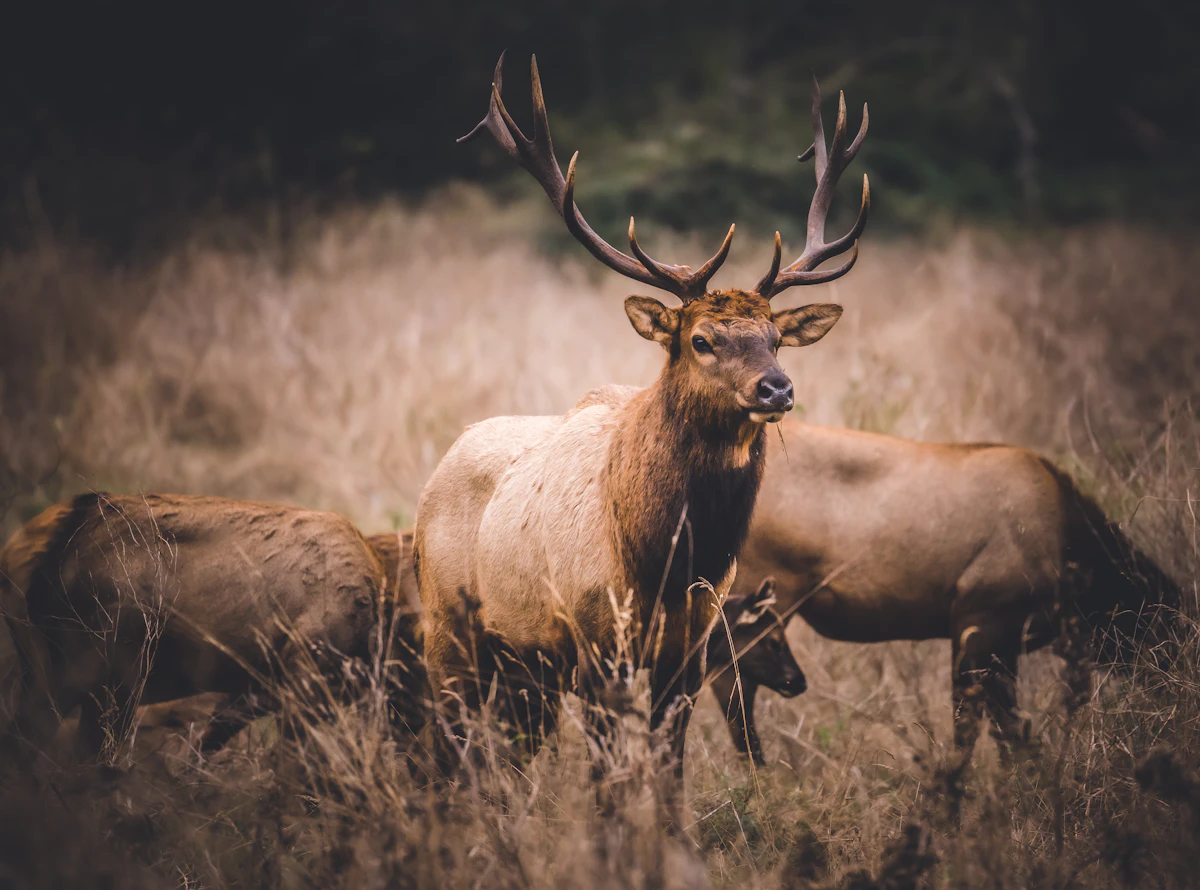
You do not need a dozen elk calls to fill your tag. Most successful elk hunters carry three basic tools and know how to use them well. A beginner elk calling setup should include a diaphragm call for cow sounds, an external bugle tube for bull vocalizations, and a backup locator call. This combination covers every essential elk sound from September through November and costs less than $150.
The biggest mistake new elk hunters make is buying too many calls without learning the fundamentals. Elk respond to confidence and rhythm, not expensive gear. A hunter who can execute three clean cow calls will kill more elk than someone carrying a vest full of calls they barely understand.
Why Diaphragm Calls Belong in Every Setup
Diaphragm calls deliver the most realistic cow and calf sounds because they sit against the roof of your mouth, allowing you to control airflow, pitch, and rhythm with your tongue and diaphragm muscles. They keep your hands free for your bow or rifle and work in any weather condition.
Start with a double or triple reed diaphragm designed for beginners. Brands like Phelps, Rocky Mountain, and Primos offer models with thicker frames that are easier to control. Expect a learning curve. Your first attempts will sound terrible, but consistent practice transforms awkward squeaks into convincing mews and estrus calls within two weeks.
Practice in your truck during your commute. Focus on three sounds: a single cow mew, a two-note location call, and a sharp estrus whine. These three vocalizations account for 90 percent of effective cow calling situations.
External Bugle Tubes for Bull Sounds
External bugle tubes produce the deep, resonant tones that mimic mature bull elk. While you can bugle through a diaphragm call, an external tube adds chest and authenticity that pressured bulls recognize immediately.
A basic setup pairs your diaphragm call with an external bugle tube. Insert the diaphragm, blow through the tube, and adjust your air pressure to create everything from a satellite bull scream to a herd bull challenge. Entry-level tubes from Elk Inc, Carlton, and Rocky Mountain cost $30 to $60 and last for years.
Beginners should master the location bugle first. This is a mid-range, non-threatening call that prompts bulls to answer without committing to a fight. Practice controlling your volume and avoiding over-aggressive tones that spook younger bulls or alert mature animals to your inexperience.
The Role of Locator Calls
Cow calls and bugles work when elk are close, but locator calls help you find them first. A simple mouth-operated coyote howler or elk grunt tube triggers shock responses from bulls that refuse to answer bugles.
Carry a compact locator call in your pack and use it during the first and last hour of daylight when bulls are most vocal. Elk often respond to coyote howls, especially in areas where predator populations are high. A single howl sequence can pinpoint a bull's location from over a mile away without pressuring him the way a bugle does.
Elk grunt tubes also function as effective locators. A deep, non-aggressive grunt often pulls responses from bulls that have been called to repeatedly and associate bugles with danger.
Complete Beginner Setup Under $150
Here is a proven three-call setup that covers every beginner scenario:
- Diaphragm call: Phelps Amp Frame or Rocky Mountain Hunting Calls Signature Series ($15–$25)
- External bugle tube: Elk Inc Hyper Bugle or Carlton Calls EZ Bugler ($40–$60)
- Locator call: Primos Coyote Howler or Phelps Elk Grunt Tube ($20–$30)
This combination handles cow talk, bull bugles, and locating elk across three miles of timber. Add a small compression sack to keep calls dry and a lanyard to prevent losing them in thick cover.
Avoid the temptation to buy predator-style electronic callers or expensive call systems marketed for advanced hunters. Electronics are illegal in most Western states during archery season, and complex systems add unnecessary weight and decision points when you should be focused on reading elk behavior.
How to Practice Before Your Hunt
Elk calling is a physical skill that requires repetition. Spend 15 minutes per day practicing from June through August. Focus on consistency, not complexity. A clean, confident cow mew beats a sloppy estrus scream every time.
Record yourself and compare your sounds to real elk vocalizations available on YouTube or calling instruction apps. Pay attention to cadence and pitch. Cow calls should sound relaxed and conversational, not panicked or mechanical. Bulls respond to rhythm and authenticity, not volume.
Practice calling while walking through the woods. Elk rarely stand still when they vocalize, and adding movement to your practice sessions makes your calls sound more natural. Work on controlling your breath so you can call while moving uphill without gasping for air between sequences.
Common Beginner Mistakes to Avoid
New elk callers tend to overcall. Elk communicate constantly, but they do not broadcast every 30 seconds. After an initial sequence, wait three to five minutes before calling again. Silence creates curiosity and gives bulls time to commit to closing the distance.
Another mistake is calling too loudly in close quarters. When a bull is within 150 yards, switch to soft cow mews and subtle chirps. Aggressive calling at close range signals danger and sends bulls in the opposite direction.
Finally, beginners often neglect wind direction. Elk trust their noses more than their ears. Always approach calling setups from downwind and position yourself so any responding bull will circle into your shooting lane without catching your scent.
When to Add More Calls to Your Arsenal
After your first season, evaluate what worked and what your setup lacked. If you struggled to produce aggressive cow sounds, add a specialized estrus call. If you hunted pressured areas where bulls went silent, invest in a quality grunt tube for subtle communication.
Experienced hunters eventually carry five to seven calls, but each one serves a specific purpose based on years of field experience. Resist the urge to expand your setup until you have mastered the basics. Three calls executed with confidence will outperform a dozen calls used poorly.
TAGZ helps you plan your elk hunt by comparing units based on terrain, public land access, and historical draw odds. Track your preference points across multiple states and filter hunts by weapon type and season dates so you spend less time researching and more time practicing your calling setup before September arrives.
Pairing Your Calling Setup with Hunt Strategy
Calling gear means nothing without a sound strategy. Learn to read terrain and anticipate where bulls will respond. Dark timber, saddles between basins, and benches above water sources are high-percentage calling locations during the rut.
Set up in areas where elk feel comfortable approaching. Avoid calling from ridgetops where bulls can spot you from 400 yards away. Instead, position yourself 30 to 50 yards below a ridge where responding bulls will crest into bow range without seeing you first.
Use terrain to your advantage by calling across canyons during midday when bulls are bedded. A series of cow calls echoing across a drainage can pull a herd bull out of his bed and into shooting range by late afternoon.
TAGZ provides detailed unit maps that show elevation changes, timber density, and public land boundaries. Use these tools to identify calling setups before you arrive so you can focus on execution instead of navigation when bulls start screaming at first light.
FAQ — Beginner Elk Calling Setup
What is the best first elk call for beginners?
A double or triple reed diaphragm call is the best starting point. It covers essential cow sounds, keeps your hands free, and works in all weather conditions. Pair it with an external bugle tube for bull vocalizations.
Do I need an electronic caller for elk?
No. Electronic callers are illegal during archery season in most Western states and unnecessary for beginners. Mouth-operated calls are more versatile, lighter, and legal everywhere.
How long does it take to learn elk calling?
Most hunters can produce convincing cow mews within two weeks of daily practice. Mastering bugles and advanced sequences takes a full season of field experience.
Should I practice calling in the field before my hunt?
Yes, but avoid calling in your actual hunting area before season opens. Practice in different terrain types to learn how elk sounds carry across canyons, through timber, and over ridges.
Can I use the same calls for archery and rifle season?
Yes. The same calling setup works across all elk seasons, though calling frequency and aggression should decrease as the rut winds down in late September and October.
What is the biggest mistake beginner elk callers make?
Overcalling. New hunters call too often and too loudly, which educates bulls instead of pulling them closer. Less is more, especially in pressured units.
Continue Planning Your Hunt
Building the right calling setup is just one piece of your elk hunting preparation. TAGZ simplifies the research process by helping you compare elk units side by side using terrain maps, draw odds, and public land data. Track your preference points and bonus points across Colorado, Montana, Wyoming, and other Western states so you never miss a draw deadline.
Whether you are chasing OTC tags in Colorado or planning a limited-entry hunt in Utah, TAGZ gives you the tools to make smarter decisions before you ever step into the field. Filter hunts by weapon type, season dates, and unit characteristics to find the perfect match for your experience level and hunting style.
Explore more elk hunting strategies and gear reviews on the TAGZ Insights page, compare draw odds and unit data on the TAGZ product platform, or review subscription options on the pricing page to start planning your next September hunt with confidence.
Was this article helpful?
Previous
Best Elk Calls for 2025 — Diaphragm, Tube, and Electronic Calls Tested
Choosing the right elk call can make or break your hunt. We break down diaphragm calls, external reed calls, and electronic options with field-tested recommendations for beginners and experienced callers alike.
Next
Best Whitetail Bows for 2025 — Top Picks by Hunting Style
Choosing the right whitetail bow matters more than most hunters realize. From forgiving beginner models to speed-focused setups for open country, this guide breaks down the best compound bows for every hunting style and experience level.