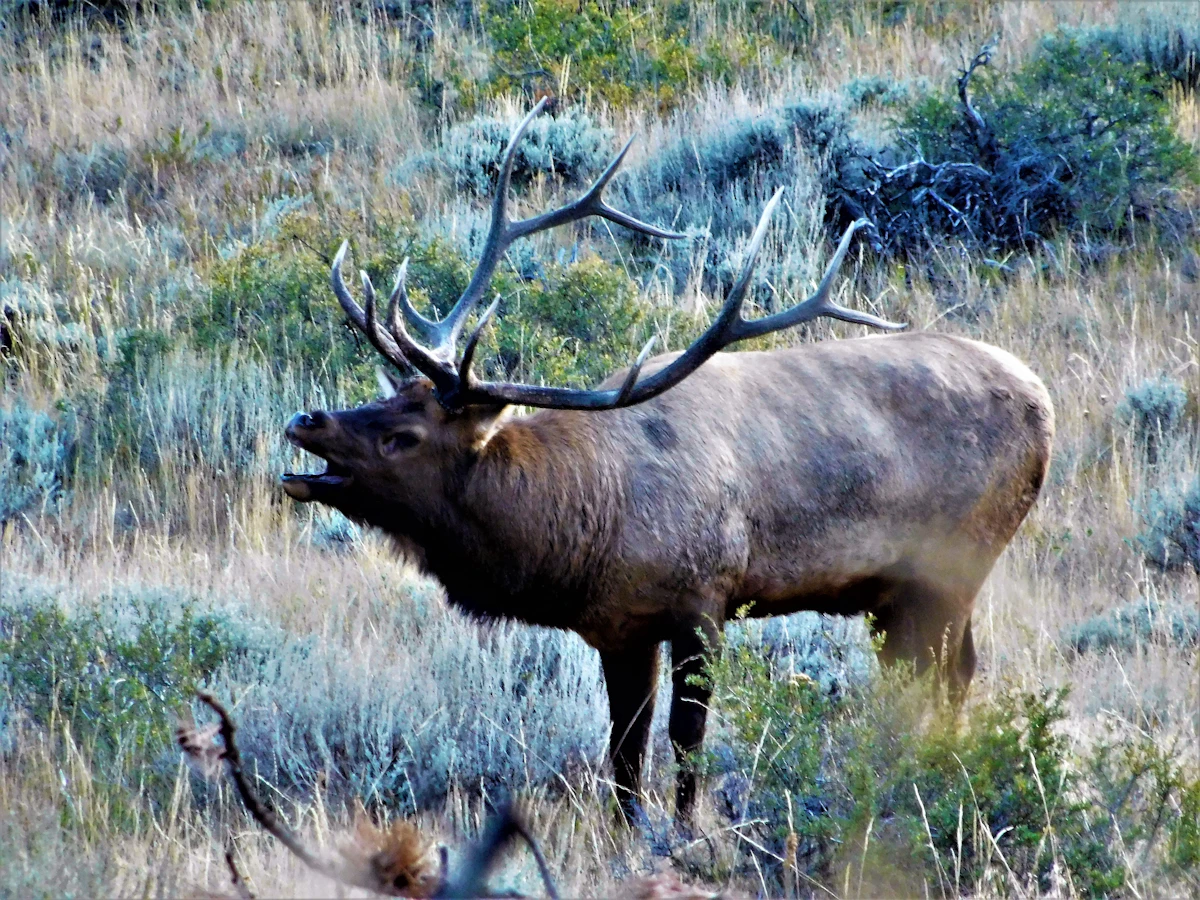
How Mature Bull Elk Avoid Hunting Pressure — Tactics That Keep Them Alive
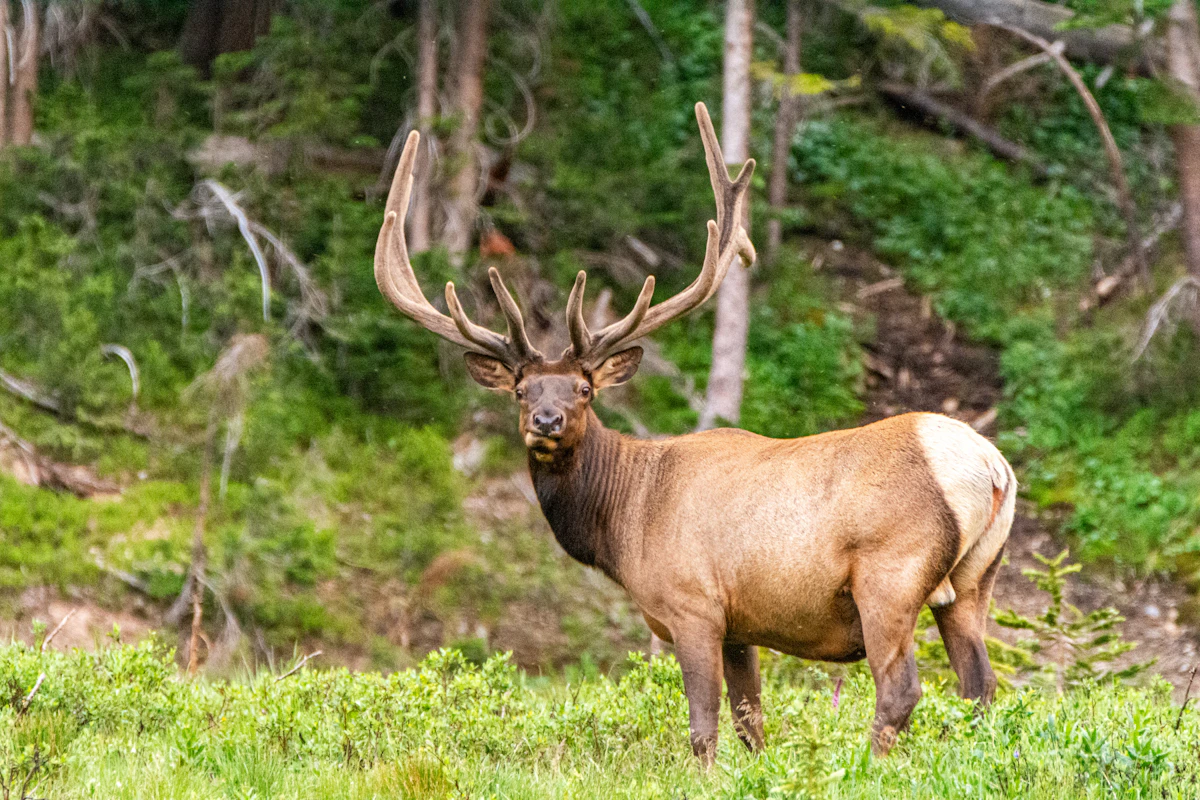
Mature bull elk do not grow old by accident. They survive season after season because they master the art of avoiding hunters. While younger bulls may hold patterns longer and tolerate moderate pressure, mature six-points have learned exactly when to abandon feeding areas, change drainages, and disappear into terrain most hunters will not touch. If you have watched a bugling bull go silent the moment rifle season opens, you have seen this survival instinct in action.
Understanding how mature bulls respond to pressure is the difference between walking past them and actually finding them. They do not leave the unit. They do not migrate out of range. They shift into patterns that make them nearly invisible to hunters who stick to trails, glass from roads, and hunt the same spots everyone else hits opening weekend.
They Recognize Hunter Patterns Before You Do
Mature bulls read pressure the way you read a map. They know when opening day hits. They know what truck sounds mean. They know that bugle tubes, ATV engines, and boot traffic signal danger. By the time most hunters reach their glassing points on opening morning, mature bulls have already moved.
This is not paranoia. This is pattern recognition built over multiple seasons. A bull that survived rifle season last year remembers which ridges get hunted first, which meadows get glassed from the road, and which drainages fill with hunters by mid-morning. He will abandon those areas before you ever set up.
The best mature bull hunters do not follow the crowd. They identify where pressure concentrates and then hunt the opposite direction. If every truck parks at the main trailhead, mature bulls will be three ridges over in terrain that requires an extra hour of hiking in the dark. If hunters glass the same meadow complex every morning, mature bulls will be bedded in timber a half-mile behind it by 9:00 AM.
Terrain Shifts That Make Them Disappear
When pressure hits, mature bulls move to terrain that punishes casual effort. This means steep, nasty country that most hunters avoid. Dark timber with no long sightlines. North-facing slopes choked with blowdown. Drainages so thick you cannot see 30 yards. These are not accidents. These are strategic choices.
Mature bulls also exploit micro-terrain features that let them monitor their surroundings without being seen. A small bench 200 yards below a ridge crest. A tight saddle that offers escape routes in three directions. A pocket of timber surrounded by open parks where they can hear and smell danger before it arrives. They are not hiding randomly. They are positioning themselves in places where they control the engagement.
Pay attention to elevation changes during the season. Pre-season scouting may show bulls feeding in high basins, but opening-day pressure often pushes them 1,000 feet lower into thicker cover. They will stay there until hunters thin out or snow pushes them back up. If you are still glassing alpine basins on day three of rifle season, you are probably glassing empty country.
Going Nocturnal Under Rifle Pressure
Archery hunters know that bugling bulls move during daylight. Rifle hunters learn quickly that mature bulls shut down their daytime activity the moment firearms enter the equation. They do not stop feeding. They do not stop moving. They just do it in the dark.
Mature bulls will feed heavily from last light until well after dark, bed before first light, and remain motionless until the next evening. This makes them nearly impossible to hunt using traditional glassing tactics. You can sit on a ridge all day and never see them because they are bedded 400 yards below you in timber, completely invisible.
The counter to this is hunting their travel routes at dawn and dusk rather than glassing feeding areas mid-day. Find the trails they use moving from bedding to feed. Set up in the dark and intercept them as they move. This requires knowing the unit well enough to predict their movement, which is why serious elk hunters scout year-round and track patterns across multiple seasons.
Another approach is still-hunting thick timber mid-day when other hunters are glassing from ridges. Mature bulls feel safe in heavy cover during daylight hours. If you can move quietly through blowdown and dark timber, you can catch them bedded where they do not expect pressure.
They Use Other Hunters as Early Warning Systems
Mature bulls have learned that other hunters are predictable. They know that most hunting parties move slowly, talk too much, and push bulls out of drainages in the same direction every time. Instead of running blindly, mature bulls use that pressure to their advantage.
If a group of hunters is working up a drainage making noise, a mature bull will move just far enough to let them pass, then circle back into country those hunters already walked through. If pressure comes from a trailhead, mature bulls will move toward it after hunters hike past, bedding in terrain those hunters assume is already burned. This is why solo hunters who move quietly and hunt against the pressure flow often see bulls that organized hunting parties never find.
Mature bulls also use terrain to monitor hunter movement. They will bed on a ridge where they can watch trails below them. They will position in thick cover with escape routes that let them slip away before hunters ever get close. They are not reacting to pressure. They are managing it.
Silence Becomes Their Primary Defense
Bugling works during archery season because mature bulls are vocal. Rifle season flips that script. The moment gunshots echo across a basin, mature bulls go silent. They will not respond to bugles. They will not challenge other bulls. They will not make any sound that gives away their position.
This silence extends to feeding. Mature bulls under pressure will feed in timber rather than open parks, even if it means lower-quality forage. They will move through deadfall without snapping branches. They will use terrain to muffle their footsteps. Hunting them by sound becomes nearly impossible.
The few times mature bulls vocalize under pressure, it is usually late in the evening after hunters have left the mountain or early in the morning before most hunters are moving. Even then, it is usually a single locator bugle to check for cows, not the sustained calling you hear in September. If you hear a mature bull bugle during rifle season, you need to move immediately because he will not stay vocal long.
Small Groups or Solo Movement
Pre-season, mature bulls often run with other bulls or hang near cow herds. Once pressure starts, they break away. A lone mature bull or a pair of bulls can move through country without the noise and visibility of a herd. They can bed in smaller pockets of cover. They can slip through saddles and over ridges without being spotted.
Cow herds under pressure also become liabilities. Cows vocalize more. Calves make noise. The herd creates movement and scent that attracts attention. Mature bulls know this. They will abandon cow herds if pressure gets heavy and return only when things settle down or during the rut when breeding overrides caution.
If you are glassing a big herd during rifle season and not seeing mature bulls, it is not because the bulls left the area. It is because they are bedded alone a half-mile away in timber, waiting for things to calm down before rejoining the herd after dark.
Weather Windows They Exploit
Mature bulls use weather to their advantage. A foggy morning means they can feed longer without being glassed. A windy day covers their movement sounds and makes it harder for hunters to hear them. A snowstorm pushes hunters off the mountain while mature bulls remain active, knowing they are relatively safe.
Pay attention to how pressure drops during bad weather. Most hunters bail when it rains, snows, or gets cold. Mature bulls know this. Some of the best mature bull hunting happens in weather that most hunters avoid. If you are willing to hunt in miserable conditions, you will encounter bulls that have not been pressured in days.
Late-season hunts after the rut are another window where mature bulls become more predictable. They have burned calories during the rut and need to feed heavily before winter. Snow pushes them to lower elevations where food is accessible. Hunting pressure has usually dropped by this point, so mature bulls relax slightly and become more visible during daylight.
Escape Routes They Always Have Planned
Mature bulls never bed or feed without an escape plan. They position themselves where they can exit quickly into terrain that hunters cannot follow easily. A bedded bull on a ridge has already identified which saddle he will cross if pressure comes from below. A bull feeding in a park knows which finger of timber he will disappear into if a hunter appears.
This is why pushing bulls rarely works unless you have planned the push around their escape routes. If you just walk toward them hoping to get a shot, they will move into the next drainage long before you get close. Mature bulls do not panic. They leave early and efficiently.
The best way to hunt mature bulls is to identify their escape terrain before you start hunting and position yourself there instead of where they are feeding or bedding. Let the rest of the mountain push them to you. This requires patience and deep knowledge of how bulls use terrain under pressure.
How TAGZ Helps You Hunt Smarter
TAGZ gives you the terrain tools and unit data you need to predict where mature bulls go when pressure hits. Use terrain maps to identify thick timber pockets, escape saddles, and micro-terrain features that mature bulls exploit. Compare units side by side to find areas with lower hunter density and better access to less-pressured country.
Track your preference points and bonus points across multiple states so you can draw tags in units where mature bulls have not been hammered by decades of hunting pressure. Filter hunts by weapon type, season, and terrain to find opportunities where you are not competing with hundreds of other hunters opening weekend.
Whether you are chasing OTC tags or planning a limited-entry hunt, TAGZ helps you make smarter decisions before you step into the field. Understanding how mature bulls avoid pressure is step one. Positioning yourself in the right unit with the right strategy is step two. TAGZ handles the research so you can focus on the hunt.
FAQ — Hunting Pressured Mature Bull Elk
Do mature bull elk leave the unit when pressure increases?
No. Mature bulls typically stay within their home range but shift to thicker cover, higher or lower elevations, and terrain features that provide better escape routes and concealment.
Why do bulls stop bugling during rifle season?
Bugling attracts attention and reveals their position. Mature bulls go silent under firearm pressure because vocalization increases their risk of being located and shot.
Where should I look for mature bulls after opening weekend pressure?
Focus on dark timber, north-facing slopes with heavy blowdown, small benches below ridgelines, and drainages that require significant effort to access. Mature bulls move to terrain most hunters avoid.
Do mature bulls stay with cow herds during hunting season?
Not always. Under heavy pressure, mature bulls often separate from herds and move solo or in small bachelor groups to reduce visibility and noise, rejoining cows after dark or when pressure subsides.
Can you still kill a mature bull on a high-pressure OTC unit?
Yes, but it requires hunting farther from access points, targeting terrain other hunters skip, and adjusting your strategy to intercept nocturnal movement patterns rather than glassing feeding areas mid-day.
What weather conditions make mature bulls more vulnerable?
Fog, snow, and wind reduce hunter activity and provide cover for bull movement. Mature bulls often feed longer and move more during weather that pushes other hunters off the mountain.
How do mature bulls know when rifle season starts?
They recognize patterns from previous seasons—truck traffic, ATV noise, boot traffic on trails, and the sound of gunfire. Bulls that survive multiple seasons learn to associate these cues with danger and adjust their behavior immediately.
Should I hunt the same spots that worked during archery season?
No. Mature bulls abandon areas that receive heavy archery pressure once rifle season starts. You need to identify secondary terrain and escape routes they shift to under firearm pressure.
Continue Planning Your Hunt
Hunting mature bull elk under pressure requires more than effort. It requires the right data, terrain analysis, and unit selection strategy. TAGZ helps you compare draw odds, track preference points across multiple states, and research units using detailed terrain maps and public land boundaries. Whether you are planning an OTC hunt or building points for a trophy limited-entry tag, TAGZ gives you the tools to make smarter decisions before you apply. Start planning your next elk hunt at getmytagz.com.
For more elk hunting strategies and unit breakdowns, explore the TAGZ Insights blog. Compare draw odds, filter hunts by season and weapon type, and see how TAGZ simplifies western hunt planning on the product page. Ready to take control of your application strategy? Check out pricing options and start tracking your points across every western state.
Was this article helpful?
Previous
Where Elk Go After Opening Weekend — And How to Find Them
Opening weekend pressure pushes elk into predictable hiding spots. Learn where they relocate, how to identify high-pressure sanctuaries, and proven tactics for finding unpressured bulls in the backcountry after the crowds clear out.
Next
Guide-Proven Tactics for Closing the Final 100 Yards on Elk
The final approach on a bull elk separates successful hunters from those who go home empty-handed. Learn the exact wind-checking methods, movement techniques, and positioning strategies that professional guides use to close the last 100 yards without spooking your bull.