How to Hunt Dark Timber Elk — Tactics That Work When Visibility Drops
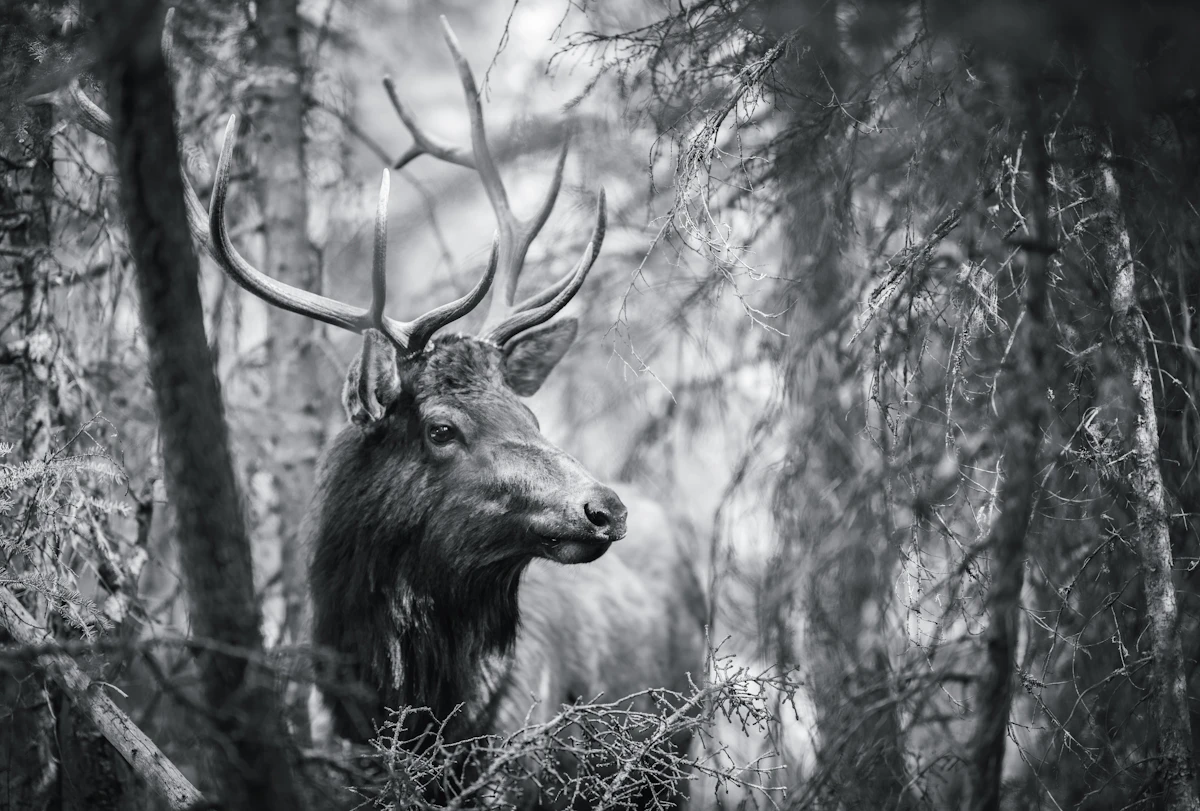
Dark timber is where mature bulls hide when pressure ramps up. Visibility drops to 20 yards or less. Deadfall blocks shooting lanes. Silence is impossible. But dark timber is also where committed hunters connect on bulls that never see open country during daylight. Success in these conditions requires a different mindset and a willingness to abandon ridge-running strategies in favor of close-range, high-intensity encounters.
Why Elk Move Into Dark Timber
Elk retreat to dark timber for three reasons: thermal cover during hot weather, escape from hunting pressure, and security during the rut when bulls are vulnerable. Thick lodgepole, spruce-fir forests, and north-facing drainages offer shade, moisture, and concealment. Mature bulls bed in these pockets because they can hear threats approaching and slip away without being seen. Hunting pressure on open ridges and parks pushes elk deeper into timber every season. By mid-September in heavily hunted units, dark timber becomes the primary daytime refuge.
TAGZ helps you identify timbered terrain using unit boundary maps and terrain breakdowns. Compare elevation profiles and vegetation density across units to locate patches of dark timber where elk concentrate when pressure builds.
Calling Tactics for Close Encounters
Calling in dark timber is about confidence and patience. Bulls respond differently when they cannot see the source of the sound. Use soft cow calls and mews to simulate a feeding or bedding group. Avoid aggressive bugling unless you have pinpointed a bull and need to pull him the final 50 yards. Over-calling spooks elk in tight cover because they expect to see the source immediately.
Set up 30 to 50 yards apart if hunting with a partner. The caller should position slightly uphill or crosswind while the shooter waits in a natural shooting lane. Elk circle downwind instinctively, so anticipate movement from unexpected angles. When a bull responds, stop calling and let him close the distance. Silence creates curiosity. Movement and continued calling create suspicion.
Wind Management and Scent Control
Wind swirls in dark timber because uneven canopy and terrain create unpredictable thermals. Morning thermals rise. Evening thermals drop. But pockets of stagnant air, saddles, and drainages generate turbulence that sends scent in multiple directions simultaneously. Hunt with the wind in your face whenever possible, but accept that perfect wind does not exist in thick cover.
Use scent-eliminating sprays on boots and pant legs. Avoid setting up directly downwind of suspected bedding areas. Instead, position slightly crosswind and anticipate elk testing the wind before committing. When a bull goes silent, assume he is circling downwind. Reposition immediately or prepare for a snap shot as he detects scent and bolts.
Movement and Stillness
Elk hear everything in dark timber. A boot scraping bark. A branch snapping underfoot. Fabric brushing against a limb. Move only when elk are moving or when wind and distance mask sound. Glass from a stationary position instead of still-hunting unless you are tracking fresh sign in snow or soft dirt. Stillness is your greatest advantage when elk are close.
When you do move, take three to five steps, then stop and listen for 30 seconds. Elk often freeze when they detect movement, then resume feeding or walking once they determine the threat has passed. Slow, deliberate movement mimics elk behavior and keeps you in the game longer.
Shot Preparation and Shooting Lanes
Shooting lanes in dark timber appear without warning. A bull materializes at 15 yards, offers a five-second window, then vanishes. Prepare for quick shots by keeping your rifle or bow at the ready, not slung or clipped to a pack. Practice shooting from unconventional positions: kneeling behind a log, standing between two trees, braced against a trunk. Most dark timber shots happen fast and from awkward angles.
Identify shooting lanes during your setup. Clear small branches and twigs that might deflect an arrow or bullet. Mark distances to prominent trees or logs using a rangefinder so you know instantly whether a bull is at 20, 30, or 40 yards. In low light and dense cover, depth perception fails. Pre-ranged landmarks prevent guessing.
Mental Game and Confidence
Dark timber tests patience. Hours pass without seeing elk. Doubt creeps in. The temptation to abandon the timber and return to open country is constant. But elk are there. Stick with the plan. Mature bulls bed in dark timber precisely because most hunters lack the discipline to hunt it effectively.
Trust your setup. Trust your calling. When a bull responds, commit to the encounter and resist the urge to reposition unless wind or terrain forces a move. Confidence separates successful dark timber hunters from those who second-guess every decision and spook elk through indecision.
TAGZ tracks your preference points and bonus points across multiple states, helping you plan hunts in units where dark timber tactics give you an edge. Use historical draw data to target limited-entry tags in timbered units where pressure is lower and mature bulls hold tight.
Weather and Timing Advantages
Rain, snow, and overcast skies are dark timber advantages. Wet ground muffles footsteps. Low visibility keeps elk on their feet longer. Bulls vocalize more during weather events because sound does not carry as far, forcing them to call more frequently to locate cows. Hunt aggressively during storms and immediately afterward when elk are active and less cautious.
Mid-day is prime time in dark timber. While other hunters return to camp, elk bed in thick cover and remain vulnerable to patient spot-and-stalk or calling setups. Position yourself in known bedding areas by 10 a.m. and stay until 2 p.m. This window produces consistent encounters in pressured units.
Gear Considerations for Thick Cover
Dark timber demands specific gear. Quiet clothing is non-negotiable. Merino wool and soft fleece outperform noisy synthetic fabrics. Avoid rain gear that crinkles with every movement unless weather demands it. A compact rifle or short-axle-to-axle bow maneuvers better in tight quarters. Long barrels and wide limbs catch branches and limit shooting angles.
Carry a headlamp with a red or green filter for navigating in low light without spooking elk. A rangefinder with angle compensation is critical for steep, timbered terrain where horizontal distance rarely matches line-of-sight distance. Pack lightweight flagging tape to mark your entry and exit routes so you can navigate silently without backtracking or getting turned around in dense cover.
Tracking and Reading Sign
Fresh sign tells you everything. Beds in soft dirt or pine needles, rubs on saplings, and torn-up wallows confirm recent activity. Droppings still moist and steaming mean elk are close. Follow tracks deliberately, stopping frequently to glass ahead and listen. Elk rarely travel in straight lines through timber. They weave between obstacles, follow terrain contours, and bed on benches where they can watch their backtrail.
When you cut fresh tracks, resist the urge to chase. Instead, circle ahead and set up in a natural funnel or saddle where elk are likely to pass. Let them come to you rather than pushing them out of the drainage entirely.
When to Abandon Dark Timber
Know when to leave. If elk have shifted to a different drainage or elevation, staying committed to dead timber wastes time. Fresh sign, vocalizations, and activity patterns tell you whether elk are present. If sign is old and the forest is silent, move to a new area or return to glassing country where you can locate elk visually before committing to a stalk.
TAGZ helps you research multiple units so you can plan backup strategies when Plan A falls apart. Use unit maps to identify alternate timbered drainages, elevation bands, and access points before your hunt so you can adapt quickly when conditions change.
FAQ — Dark Timber Elk Hunting
What is the best call for dark timber elk?
Soft cow calls and mews work best because they simulate a relaxed herd and do not spook bulls in close quarters. Save aggressive bugles for situations where you have pinpointed a bull and need to pull him the final distance.
How close do you need to get to elk in dark timber?
Expect shots inside 40 yards for archery and inside 100 yards for rifle. Visibility and shooting lanes rarely exceed these distances in thick cover, so practice close-range shooting from awkward positions before your hunt.
Should you still-hunt or set up and call?
Set up and call whenever possible. Still-hunting works only if you are following fresh tracks in snow or soft ground where you can move silently. Otherwise, stationary setups near bedding areas, wallows, or travel corridors produce more consistent encounters.
Does dark timber hunting work during rifle season?
Yes. Rifle pressure pushes elk into the darkest, nastiest timber available. Success requires patience, silent movement, and the discipline to hunt areas other hunters avoid. Mature bulls survive rifle seasons by staying in cover most hunters will not enter.
How do you deal with swirling wind in thick timber?
You cannot eliminate swirling wind, but you can minimize exposure by setting up crosswind instead of directly downwind from bedding areas. When a bull goes silent, assume he is testing the wind and reposition immediately or prepare for a quick shot as he circles.
Is dark timber hunting worth the effort?
Absolutely. Mature bulls bed in dark timber because it offers security and most hunters lack the patience to hunt it effectively. If you are willing to move slowly, stay quiet, and commit to the strategy, dark timber produces encounters on bulls that never see pressure in open country.
Continue Planning Your Hunt
Dark timber elk hunting separates committed hunters from those who prefer comfort and visibility. TAGZ gives you the tools to identify timbered units, compare terrain profiles, and track application deadlines across multiple states. Whether you are chasing OTC tags in Colorado's steep drainages or planning a limited-entry Montana hunt in spruce-fir forests, TAGZ helps you make smarter decisions before you ever step into the field.
Explore more strategies and unit breakdowns at TAGZ Insights. Ready to start planning your next hunt? Check out TAGZ Pricing and see how the platform simplifies draw research, point tracking, and hunt planning. Learn more about the platform at TAGZ Product or start exploring units today at TAGZ.
Was this article helpful?
Previous
Hidden Meadows Most Hunters Miss — Where Elk Actually Bed During Rifle Season
Most hunters glass parks and burn boot leather on obvious meadows while elk bed in hidden pockets 200 yards away. Learning to identify tucked-away benches, saddle meadows, and timbered openings changes everything.
Next
The Best Elk Calling Kits Every Hunter Should Carry in 2025
A complete elk calling kit gives you the versatility to adapt to any situation in the field. Learn which calls to pack, how to organize your kit, and why carrying backup options can make or break your season.