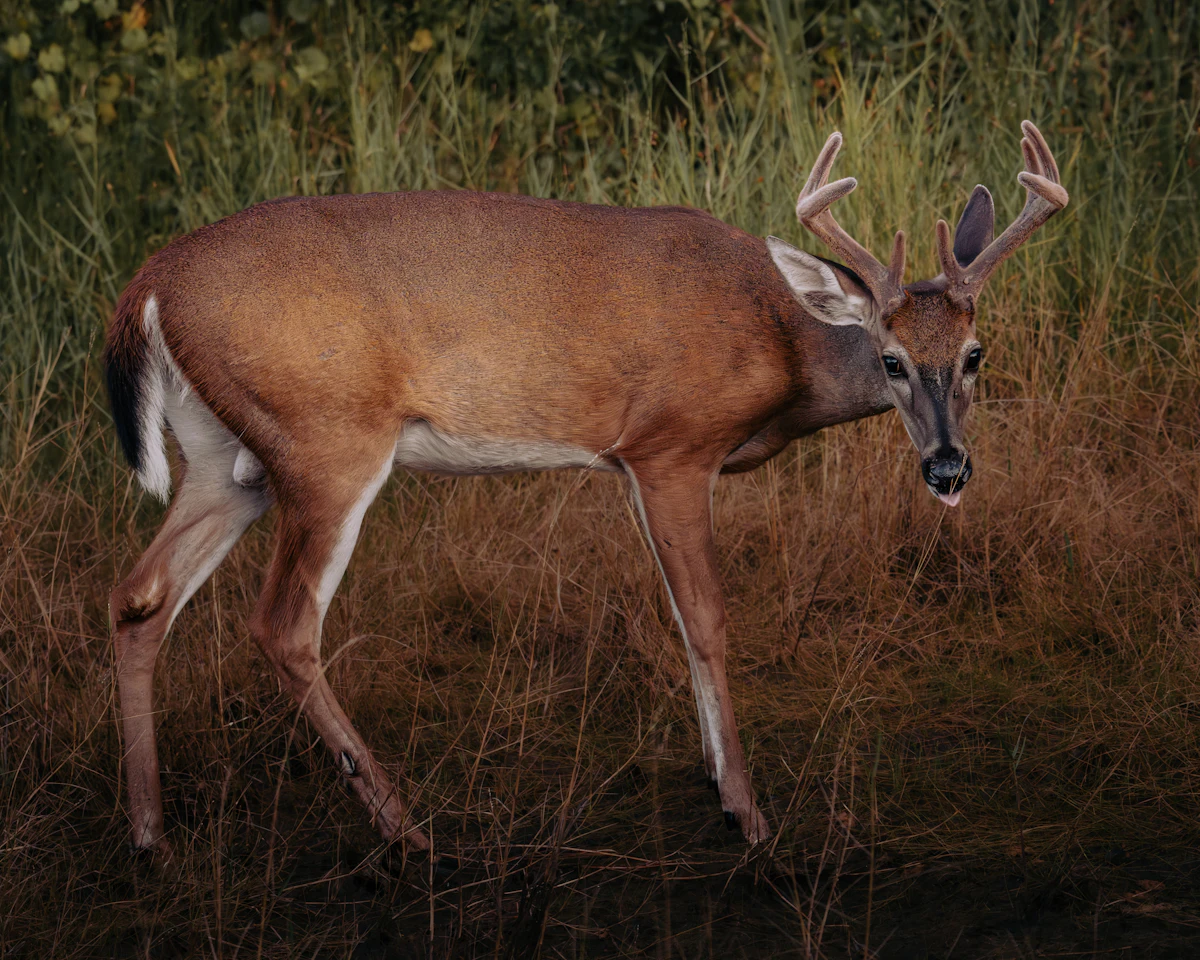
Reading Whitetail Sign: A Complete Field Guide for Deer Hunters
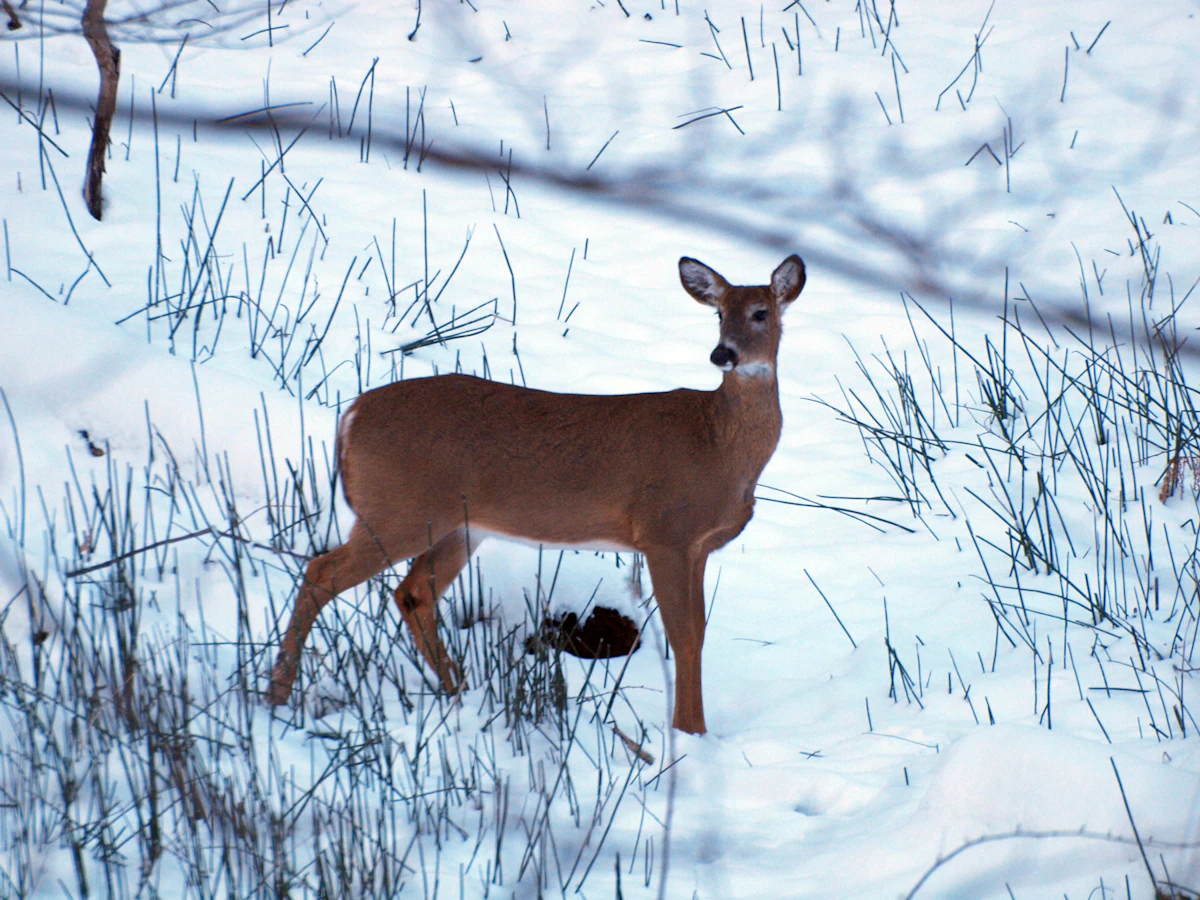
The best whitetail hunters do not just walk through the woods hoping to bump into a buck. They read the forest like a book, interpreting every rub, scrape, track, and trail to predict where mature deer will be before they ever hang a stand. Reading whitetail sign is the single most important skill a deer hunter can develop, turning random scouting trips into strategic hunts based on hard evidence.
This guide breaks down the most important whitetail sign, what each type reveals about deer movement and behavior, and how to use that information to pattern bucks and choose the right stand locations.
Why Reading Sign Matters More Than Technology
Trail cameras and mapping apps are valuable tools, but they cannot replace boots-on-the-ground scouting. Sign reading tells you what deer are doing right now, not what they did two weeks ago when your camera captured a photo. Fresh rubs indicate a buck just worked through. Hot scrapes mean he is checking does. A well-worn trail with fresh tracks tells you deer are using that route daily.
Reading sign also reveals patterns cameras miss. A single trail camera shows one narrow window. Walking the ground and connecting rubs, scrapes, trails, and bedding areas gives you the full picture of how deer move through a property. That perspective is what separates hunters who kill mature bucks consistently from those who get lucky once a decade.
Rubs: What They Reveal About Buck Movement
Rubs are one of the most visible signs a buck leaves behind. Bucks rub trees to mark territory, communicate with other deer, and work off aggression during the rut. Not all rubs are equal. Size, location, and cluster patterns reveal different information.
Small rubs on saplings and finger-thick trees are typically made by young bucks or does. Mature bucks rub larger trees, often four to six inches in diameter or bigger. If you find a rub on an eight-inch tree with bark shredded four feet up the trunk, a big-bodied buck made it.
Rub lines are more valuable than isolated rubs. A single rub might be random, but a series of rubs spaced 50 to 100 yards apart along a trail or ridge indicates a travel corridor. Bucks often rub the same trees year after year, so old rubs with fresh shavings at the base are gold. That is a signpost tree, and a mature buck is still using that route.
Pay attention to rub direction. Bucks typically rub trees as they move, so the side of the tree with bark stripped reveals which direction they were traveling. If you find rubs facing toward a bedding area in the morning and away from it in the evening, you have just mapped a buck's daily routine.
Scrapes: Primary vs. Secondary and What Each Means
Scrapes are the communication hubs of the whitetail world. Bucks paw the ground to expose bare dirt, urinate over their tarsal glands into the scrape, and work the overhanging licking branch above it. Does check scrapes too, leaving scent that tells bucks when they are nearing estrus.
Primary scrapes are the big ones, often two to three feet across, located in high-traffic areas like field edges, trail intersections, and staging areas near bedding. These scrapes get worked by multiple bucks throughout the rut and are checked nightly during the peak breeding phase. A primary scrape with fresh pawed dirt and a heavily worked licking branch is a stand location worth hunting.
Secondary scrapes are smaller, often found along trails between bedding and feeding areas. Bucks make these as they cruise, but they do not always return to them. They are still valuable because they confirm a buck is moving through that area, but they are not reliable enough to hang a stand over unless you find several in a cluster.
The licking branch is just as important as the scrape itself. Bucks chew, lick, and rub their foreheads on the branch, depositing scent from facial glands. A licking branch that is broken, frayed, and green from repeated use indicates a scrape that is being hit hard. If the branch is untouched and the scrape has leaves in it, it is cold. Move on.
Tracks and Trails: What Fresh Sign Tells You
Tracks are the most basic sign, but also the most misunderstood. Every deer leaves tracks, but not every track is worth following. The key is learning to differentiate fresh tracks from old ones, mature buck tracks from does and fawns, and random movement from repeated travel routes.
Fresh tracks have sharp edges and clean definition. In soft dirt or mud, you should see individual hoof ridges. Old tracks are weathered, with rounded edges and debris in the print. If it rained last night and the track has no water in it, the deer passed after the rain. If the track is filled with water, it is older.
Mature bucks leave wider, more rounded tracks than does. A doe's track is narrow and pointed. A mature buck's track is blocky and splayed, especially in soft ground where his weight spreads the hooves. Tracks deeper than an inch in firm soil likely came from a heavy-bodied deer.
Trails tell you where deer move consistently. A faint trail might be used occasionally. A trail worn down to bare dirt with tracks from multiple deer is a highway. The best trails connect bedding areas to feeding areas and run through terrain that offers cover. Trails along ridge spines, through saddles, and across creek crossings are natural funnels that concentrate deer movement.
Bedding Areas: How to Identify Them Without Blowing Deer Out
Bedding areas are where deer spend 70 percent of their time, yet most hunters never scout them properly. The reason is simple: bedding areas are sanctuaries, and walking through them during hunting season can ruin a property for weeks.
Mature bucks bed in thick cover with good visibility and multiple escape routes. Look for beds on ridge points, inside dense cedar thickets, in standing corn or CRP fields, and on benches halfway up steep hillsides. A bed is an oval depression in the leaves or grass, usually two to three feet long. Fresh beds have compressed vegetation and sometimes a musky odor.
Buck beds are often isolated, 50 to 100 yards away from doe groups. Does bed together in clusters, with fawns nearby. If you find a single bed on a ridge point with rubs leading to it and a clear view of the surrounding terrain, you just found a buck bedroom.
Do not walk through bedding areas during the season. Scout them in the off-season or from a distance with binoculars. Once you know where a buck beds, set up your stand 100 to 200 yards downwind on a trail leading to or from the bedding area. Hunting the edges of bedding areas is far more effective than bumping deer out of their beds.
Feeding Areas and Staging Zones: Where Deer Prepare to Feed
Feeding areas are easy to identify. Food plots, crop fields, oak ridges, and soft mast areas all attract deer. The mistake most hunters make is hunting the feeding area itself instead of the staging area 50 to 100 yards away.
Staging areas are where deer pause before entering a field or open feeding area, waiting for low light and checking for danger. Bucks especially are cautious about entering open areas during daylight. If you find a thicket, brushy fencerow, or small grove of trees just off a field edge with fresh tracks, droppings, and rubs, you found a staging area. This is where you kill mature bucks in daylight.
Pellet groups (droppings) confirm feeding activity. Small, clustered pellets indicate a diet of hard mast like acorns. Larger, loose droppings mean a diet of soft browse or agricultural crops. Finding fresh pellets in a staging area tells you deer are using that spot recently.
Buck Beds vs. Doe Beds: Key Differences
Learning to differentiate buck beds from doe beds saves time and increases your odds. Doe beds are clustered in groups, often with smaller fawn beds nearby. Does prefer flat areas with moderate cover where they can see and hear approaching danger. They are social bedders.
Buck beds are solitary and located in the best defensive terrain on the property. Mature bucks bed with their backs to thick cover and their eyes on open terrain or trails. They want to see danger coming and have an escape route behind them. A bed on the tip of a ridge point, the edge of a steep dropoff, or deep inside a cattail marsh is almost always a buck bed.
The bed itself also reveals information. Larger beds with a bigger depression likely came from a heavier deer. A bed that has been used repeatedly, with trails entering from multiple directions, is a primary bedding site for a mature buck.
Using Sign to Build a Complete Picture
The best hunters do not rely on one type of sign. They connect the dots, building a complete map of how deer move through a property. Rubs reveal travel routes. Scrapes show communication hubs. Trails connect bedding to feeding. Beds tell you where deer spend their days. Fresh tracks confirm current activity.
When you find a rub line leading from a bedding area, through a saddle, past a primary scrape, and into a staging area near a food plot, you just mapped a mature buck's core area. That is where you hang a stand, not randomly in the woods hoping for the best.
TAGZ helps you mark and organize this sign digitally. Drop pins on your maps where you find hot scrapes, rub lines, and bedding areas. Track patterns over time. Compare terrain features across different properties. The combination of boots-on-the-ground scouting and digital mapping tools gives you the best of both worlds.
FAQ — Reading Whitetail Sign
What is the most reliable whitetail sign to hunt near?
Primary scrapes in staging areas and rub lines between bedding and feeding zones are the most reliable. These show repeated use and concentrate mature buck movement during daylight hours.
Can you hunt over a scrape too early in the season?
Yes. Scrapes made in early October are often just marking behavior, not serious breeding checks. The best time to hunt scrapes is late October through early November when bucks are actively seeking does.
How do you tell a fresh rub from an old one?
Fresh rubs have bright, exposed wood with shavings at the base. Old rubs are gray, weathered, and may have moss or lichen growing on the exposed wood. If the shavings are damp and smell like sap, the rub is less than 24 hours old.
Should you ever walk through a bedding area during hunting season?
No. Walking through bedding areas spooks deer and can push mature bucks nocturnal or off the property entirely. Scout bedding areas in the off-season and hunt the trails leading to and from them during the season.
Do does make rubs and scrapes?
Does occasionally rub small saplings, but it is rare. They do not make scrapes, but they do visit and urinate in scrapes made by bucks. A scrape with no buck sign nearby might still get checked by does, making it a potential rut stand location.
How many rubs does it take to confirm a mature buck is using an area?
One large rub on a thick tree can confirm a mature buck, but a rub line of three or more rubs spaced along a travel route is stronger evidence. Consistent rubbing year after year on the same trees is the best sign of all.
Continue Planning Your Hunt
Reading whitetail sign is just one part of building a complete hunting strategy. Once you have patterned a buck and identified the best stand locations, the next step is planning your approach, scent control, and timing to avoid blowing deer out before you ever hunt them.
TAGZ helps hunters organize scouting intel, mark key sign on digital maps, and track patterns over time so you never forget where you found that hot scrape or rub line. Whether you are hunting private ground, public land, or managing multiple properties across different states, TAGZ gives you the tools to make smarter decisions before you ever step into the field.
Explore more western hunting strategies and research tools on the TAGZ Insights blog, or get started planning your next hunt by creating an account on the TAGZ platform.
Was this article helpful?
Previous
Complete Elk Calling Guide: Mastering Bugling, Cow Calls, and When to Stay Silent
Learn proven elk calling techniques for every phase of the rut and hunting scenario. This guide covers bugling fundamentals, cow call sequences, common mistakes, and when silence is your best strategy.
Next
Decoy Hunting Whitetails: Proven Strategies for Rut Success
Whitetail decoys can trigger aggressive responses from rutting bucks when deployed correctly. Learn when, where, and how to use buck and doe decoys to pull mature deer into bow range during the peak breeding phase.